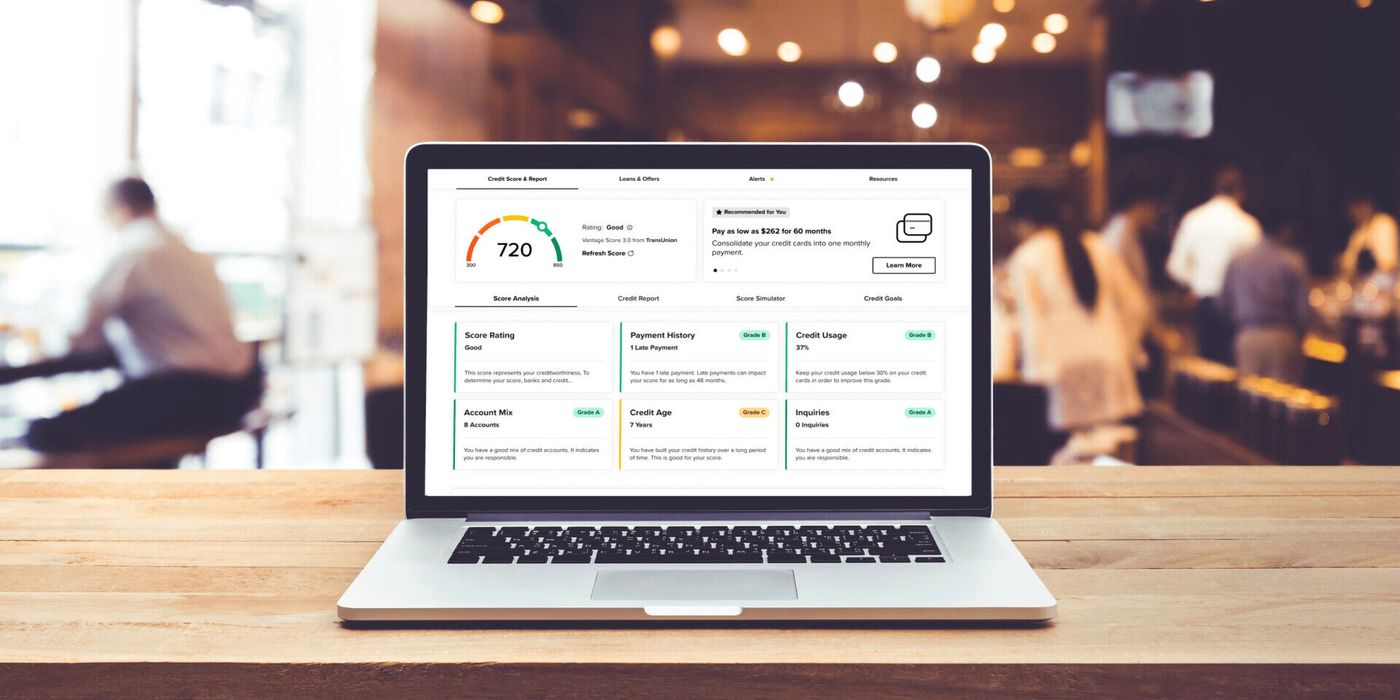
Credit monitoring services in Canada track changes to your credit files held by the two major bureaus, Equifax and TransUnion, and alert you to potential fraud or errors. These services provide regular updates on your credit score and report, notifying you of activities like new credit inquiries or accounts opened in your name. For Canadians, this is a tool to help detect identity theft early and to observe the impact of financial behaviours on their credit health. While you can access your credit report for free, monitoring services automate the review process, offering ongoing vigilance.
How Credit Monitoring Works in Canada
Credit monitoring services function by conducting regular soft inquiries on your credit files with Equifax Canada and TransUnion Canada. A soft inquiry is a check that does not impact your credit score, unlike a hard inquiry from a lender when you apply for credit. These services scan for specific changes and then send alerts, typically via email or text message, often within hours or days of the activity being recorded. The alerts are designed to notify you of events that could indicate legitimate financial activity or potential identity theft. By providing this timely information, the service allows you to verify the activity and take swift action if something appears fraudulent.
The core information monitored includes your credit history, which details accounts like loans and credit cards along with payment history and balances. It also watches your personal identity information such as your name, address, and Social Insurance Number. Furthermore, the service tracks credit inquiries, which are records of when lenders have accessed your file, and public records like bankruptcies or liens. When any of this data is added, changed, or removed, the monitoring system is triggered to send an alert. For instance, an alert about a new credit card account you did not open is a strong signal that your identity may have been compromised and requires immediate attention.
It is important to understand that credit monitoring is a detection tool, not a prevention tool. The service itself cannot stop someone from stealing your identity or applying for credit in your name. Its value lies in providing an early warning so you can contact creditors and credit bureaus to dispute fraudulent activity before it causes significant damage. This rapid response can help limit your financial liability and begin the process of restoring your credit identity. The service also provides educational value by helping you see how financial behaviours, like making payments on time or reducing debt, influence your credit score over time.
Key Differences Between Equifax and TransUnion
Canada's credit reporting system is built around two nationwide credit bureaus, Equifax and TransUnion. Each bureau operates independently, collecting and maintaining its own separate credit file on you. Lenders are not required to report customer account information to both bureaus, and many choose to report to only one or, in some cases, neither for certain types of accounts. This means the information contained in your Equifax file can differ significantly from your TransUnion file, leading to potential differences in your credit scores from each bureau. A credit score is a three-digit number, typically ranging from 300 to 900, that summarizes your creditworthiness based on the data in that specific bureau's file.
Because of these discrepancies, monitoring only one bureau creates a blind spot in your financial oversight. For comprehensive protection, you need visibility into both files. This is why some paid monitoring services offer dual-bureau tracking, and why using two separate free services like Borrowell and Credit Karma together can provide broader coverage. The score provided by monitoring services is for educational purposes, and lenders may use a different scoring model when evaluating your application. They also consider other factors beyond the score, such as the details in your full credit report and the information you provide directly on an application.
Understanding this two-bureau system is crucial when disputing errors or fraud. If you find an inaccuracy, you must dispute it separately with each bureau where it appears. Similarly, if you are a victim of identity theft, you may need to place a fraud alert or identity verification alert with both Equifax and TransUnion. The process and documentation required can vary slightly between the two organizations. For newcomers to Canada, this system is particularly important to grasp, as building a credit history requires understanding that your financial actions are being recorded, but not necessarily in a unified or consistent manner across both bureaus.
Free vs. Paid Credit Monitoring Services
The Canadian market offers both free and paid credit monitoring options, each serving different needs. Free services provide basic tracking and alerts without a monthly fee, making them accessible for individuals who want to monitor their credit-building progress or maintain general oversight. The two dominant free providers are Borrowell, which monitors your Equifax file, and Credit Karma, which monitors your TransUnion file. These services offer weekly updates on your credit score and report and send event-based alerts for significant changes. They are supported by advertising and may provide personalized recommendations for financial products from partner companies, though there is no obligation to apply for these offers.
Paid subscription services, typically costing between $10 and $24.95 per month, offer more comprehensive features that extend beyond basic credit file monitoring. These premium services often include identity theft protection components, such as scans of public records, underground websites, and black markets for your personal information. Many paid plans also come with identity theft insurance, which can cover certain costs associated with recovering your identity, though for residents of Quebec this feature may not be available for new product purchases. Additional benefits can include lost wallet assistance, step-by-step identity restoration support, and access to legal advice if you become a victim of fraud.
Choosing between free and paid monitoring depends on your personal risk assessment and needs. Free services are excellent for ongoing credit score education and catching major red flags. Paid services are geared toward individuals who are particularly concerned about identity theft, perhaps because their information was involved in a data breach, or who want the added security of insurance and recovery support. Some banks and credit unions also provide credit monitoring as a benefit to their clients, sometimes at no extra charge or with an initial free trial period, such as the 30-day trial offered by some institutions for services like FirstReport.
Common Features and What Alerts to Expect
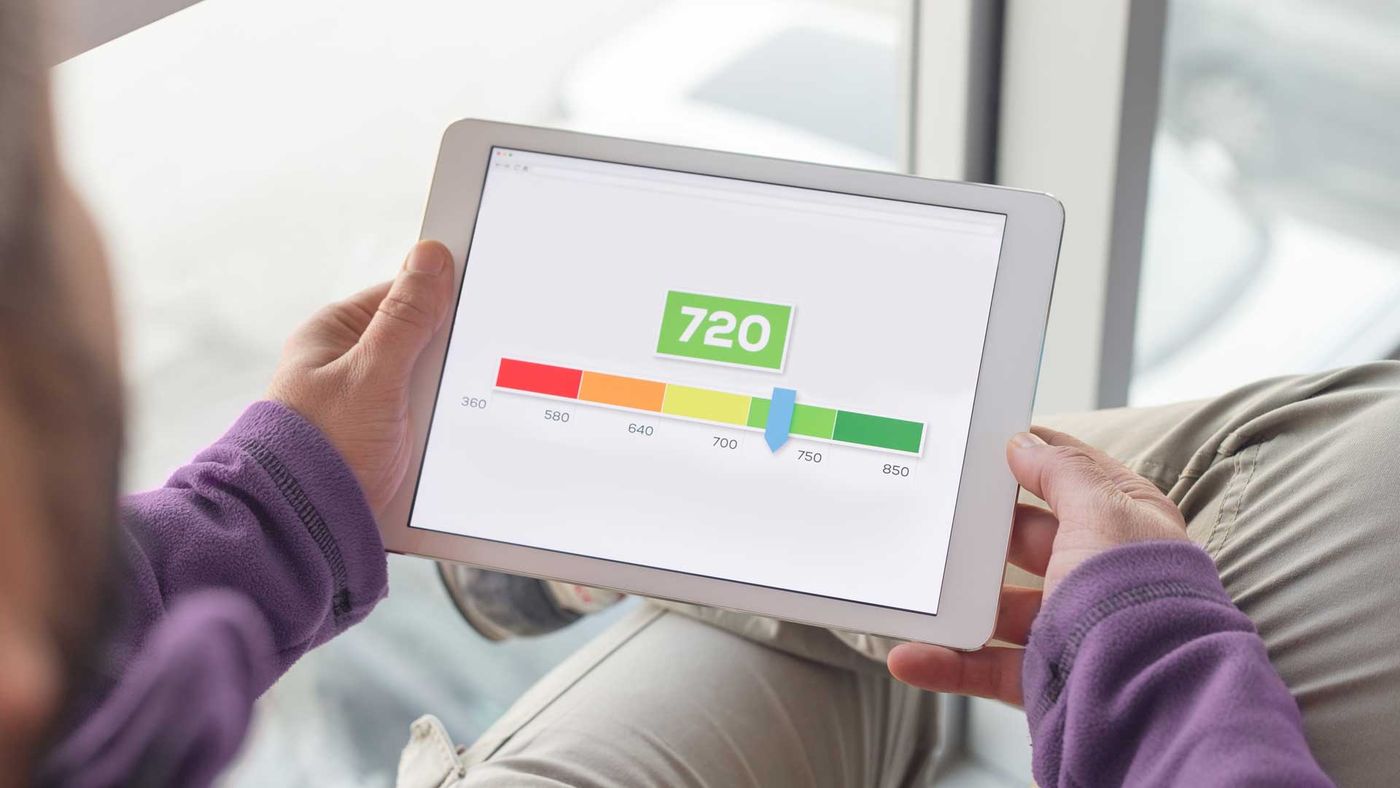
Credit monitoring services are designed to notify you of changes that could be either routine or suspicious. The most common alerts revolve around new activity on your credit file, which is a primary indicator of potential identity theft. You will typically receive an alert when a new credit account, such as a credit card or loan, is opened in your name. Alerts are also triggered by hard inquiries, which occur when a lender checks your credit because you, or someone pretending to be you, has applied for credit. Significant changes to your credit score, either positive or negative, will also generate notifications, helping you track your financial progress.
Beyond credit-specific events, monitoring services often alert you to changes in your personal information. This includes updates to your name, address, or phone number on file with the credit bureau. Some services, particularly paid ones, extend monitoring to other areas of risk. They may scan the internet and dark web for your Social Insurance Number, driver's licence number, or other personal details being traded or sold. They might also monitor public records for new liens, judgments, or bankruptcies filed under your name. This broader surveillance aims to catch identity theft attempts before they even reach your credit report.
The frequency and delivery method of alerts vary by provider. Some services provide daily monitoring and near-instant alerts, while others may provide weekly summary updates. Most allow you to choose between email and text message notifications. It is important to review the specifics of any service you consider to understand exactly what is monitored and how quickly you will be notified. A key benefit of these alerts is that they prompt you to log in and review your full credit report, allowing you to verify the activity and spot any errors that may have been introduced, whether by a lender's mistake or by fraudulent action.
Steps to Take If You Receive a Fraud Alert
If your credit monitoring service alerts you to suspicious activity, taking immediate and systematic action is crucial to limit damage. Your first step should be to log into the monitoring service or directly to the credit bureau's website to review your full credit report and confirm the details of the alert. Verify whether the activity is something you recognize, such as a legitimate loan application you recently submitted. If the activity is unfamiliar, you must treat it as a potential case of identity theft. You should then contact the creditor or lender associated with the fraudulent activity directly to inform them that the account or inquiry was not authorized by you and to request that they close or flag the account.
Your next critical step is to contact both national credit bureaus, Equifax and TransUnion, to report the suspected fraud. You can request that they place a fraud alert or an identity verification alert on your file. This alert instructs lenders to take extra steps to verify your identity before issuing new credit in your name. You should also consider placing a credit freeze, though the specific process and availability of this option in Canada can vary. It is essential to dispute the fraudulent information directly with each credit bureau to have it removed from your report, which may require submitting a written dispute along with supporting documentation.
For more severe cases, or if you have a paid monitoring service that includes it, you can engage the identity restoration support team. These services can guide you through the process, which may involve contacting government agencies like Service Canada regarding your Social Insurance Number or the police to file a report. If your service includes identity theft insurance, you will need to follow their claims process to seek reimbursement for eligible expenses incurred during your recovery. Keeping detailed records of all communications, including dates, names, and reference numbers, is vital throughout this process. You should also continue to monitor your credit reports closely in the following months to ensure no new fraudulent activity appears.

Limitations and Considerations for Canadian Users
While credit monitoring is a valuable tool, it has important limitations that Canadian consumers should understand. First, monitoring is reactive. It alerts you after a change has occurred on your credit file, but it does not prevent the fraudulent activity from happening in the first place. It also does not actively improve your credit score. Building or repairing credit requires consistent financial behaviour, such as making payments on time and managing your credit utilization, over an extended period. Furthermore, the educational credit scores provided by monitoring services may differ from the scores lenders actually use when making decisions, as lenders may use proprietary models or data from only one bureau.
Another consideration is coverage. Most free services monitor only a single credit bureau, either Equifax or TransUnion. Since lenders do not universally report to both, a critical piece of fraudulent activity could be missed if you are only monitoring one. To get a complete picture, you may need to use two complementary free services or subscribe to a paid service that monitors both bureaus. Additionally, certain features commonly advertised with paid plans, such as identity theft insurance, have specific exclusions and may not be available for new purchases by residents of Quebec, though existing members or those redeeming a code may still have access.
Canadians should also be aware of their existing rights to access credit information without a monitoring service. You are entitled to request a free copy of your credit report from Equifax and TransUnion by mail, by phone, online, or in person. Doing this annually is a good practice even if you use a monitoring service. Finally, it is important to read the terms of any subscription service carefully, particularly regarding billing. Many services offer a discounted initial period but will charge the full monthly price thereafter, and they may not provide partial refunds if you cancel mid-month. Only one discounted product from a provider may be available within a 180-day period.
Credit Monitoring for Specific Canadian Groups
Credit monitoring can serve distinct purposes for different groups within Canada. For newcomers and immigrants, establishing a Canadian credit history is a primary financial goal. Monitoring services become a practical educational tool that shows how financial actions, like using a secured credit card or participating in rent reporting programs, translate into positive entries on a credit report. It also provides a security net during a period when individuals may be more vulnerable to identity theft as they share personal information with new landlords, employers, and service providers. Seeing their credit score rise from having no history can provide motivation and confirmation that they are on the right track.
For young adults, particularly those aged 18 to 24 who are among the most likely targets for fraud, credit monitoring offers an early introduction to credit management alongside protection. This demographic is often applying for student loans, first credit cards, and mobile phone plans, which generate multiple credit inquiries. Monitoring helps them understand the impact of these inquiries and track their score as they begin their financial journey. For individuals actively planning a major financial step, such as applying for a mortgage or car loan, close monitoring in the months leading up to the application can help them spot and correct errors that could affect their approval or interest rates.
Seniors and other individuals who may be less active in applying for new credit can also benefit from monitoring as a pure identity theft safeguard. With less frequent reason to check their own credit reports, a monitoring service provides automatic surveillance. For all groups, the high level of concern about identity theft in Canada, with nearly half of Canadians expressing extreme concern in a recent federal survey, underscores the value of having a system in place to detect misuse of personal information. Whether the service is free or paid, the act of monitoring promotes greater engagement with one's own financial identity.
Information Contained in a Canadian Credit Report
Your credit report is compiled by the two major credit bureaus in Canada, Equifax and TransUnion. It contains your credit history, including accounts like loans and credit cards, your payment history, and account balances. The report also includes your personal identity information, such as your name, address, and social insurance number. Furthermore, it lists credit inquiries from lenders and public records like bankruptcies or liens. Credit monitoring services track changes to all these categories of information within your report.
- Credit history: This includes details of credit accounts such as loans, credit cards, and mortgages, along with your payment history, account balances, and lists of both open and closed accounts.
- Credit inquiries: This is a record of lenders and other entities who have accessed your credit file, including both hard inquiries from credit applications and soft inquiries.
- Public records: This can include information on liens, collections, court judgments, bankruptcies, and other legal financial records that are available to the public.
When a credit monitoring service alerts you to a change, it is typically within one of these four categories. For example, an alert about a new entry in your credit history could mean a new account has been opened. A change in your identity information could indicate someone is attempting to change your address with a lender. Regular review of these sections, prompted by alerts, is the best way to maintain the accuracy and security of your credit file.
Common Providers and Their Core Offerings
Canada's two major credit reporting bureaus, Equifax and TransUnion, both offer subscription credit monitoring services. Financial technology companies like Borrowell and Credit Karma also provide free credit monitoring services in Canada. Some banks, such as RBC, offer identity protection services that include credit monitoring features. These different providers may focus on monitoring a single credit bureau or offer more comprehensive identity theft protection tools.
- Equifax: The bureau offers its own paid subscription services, which provide access to your Equifax credit score and report, along with monitoring and identity theft protection tools. Data is stored in the United States.
- TransUnion Canada: Similar to Equifax, TransUnion offers paid access to your TransUnion credit report and score online, along with monitoring services.
- Borrowell: A financial technology company founded in 2014, Borrowell provides a free credit score and report from Equifax, with weekly monitoring updates and alerts.
- Credit Karma: This service offers free credit monitoring of your TransUnion file, providing weekly updates and event-based alerts.
- Mogo: Another fintech option, Mogo offers a free credit monitoring service that tracks your credit score.
- Banks and Credit Unions: Some financial institutions, like RBC with its FirstReport service, offer credit monitoring and identity protection as an optional add-on or with a free trial for clients.
- IDShield, ID Assist, and Telus: These are examples of private companies that offer credit monitoring bundled with broader identity theft protection services.
When choosing a credit monitoring service, consider if it monitors reports from one or both of the major credit bureaus. You should also compare the frequency of updates, such as weekly monitoring offered by some services. The cost is a key factor, with free services available and paid subscriptions typically starting around twenty dollars per month. Additional features to consider include identity theft insurance, dark web scanning, and step by step recovery support, which are usually part of paid plans.
Frequently asked questions
Are credit monitoring services free in Canada?
Yes, there are free credit monitoring services available in Canada, such as Borrowell which monitors your Equifax file and Credit Karma which monitors your TransUnion file. These services provide weekly score updates and alerts for changes. They are supported by advertising and may offer product recommendations. Paid subscription services are also available, typically costing between $10 and $24.95 per month, and often include additional features like identity theft insurance and dark web monitoring.
Does using a credit monitoring service hurt my credit score?
No, using a credit monitoring service does not hurt your credit score. These services use soft inquiries to check your credit file, which do not impact your score. This is different from a hard inquiry, which occurs when a lender checks your credit after you apply for a loan or credit card and can temporarily lower your score. Credit monitoring is considered a consumer-initiated educational check that has no negative effect on your creditworthiness.
What is the difference between Equifax and TransUnion monitoring?
Equifax and TransUnion are two separate credit bureaus that maintain independent credit files on you. A monitoring service for Equifax only tracks changes to the data held by Equifax Canada, while a TransUnion service tracks changes to the TransUnion Canada file. Since lenders may report to only one bureau, the information and scores can differ. For complete coverage, you may need to monitor both bureaus, which can be done by using two free services together or subscribing to a paid service that covers both.
What kind of alerts will I receive from a credit monitoring service?
You will receive alerts for changes to your credit file, such as a new credit card or loan being opened in your name. Alerts are also sent when a lender performs a hard inquiry on your credit report. You will be notified if your credit score is updated. Some services provide alerts for changes to your personal information or for your data appearing on the dark web.
Can credit monitoring prevent identity theft?
Credit monitoring cannot prevent identity theft from occurring. Its function is to detect and alert you to changes on your credit report that may indicate fraudulent activity after it has happened. This early detection allows you to take swift action to dispute fraudulent accounts with creditors and credit bureaus, which can help limit the financial damage and begin the recovery process. Prevention requires safeguarding your personal information through other means, such as using strong passwords and being cautious with sharing your Social Insurance Number.
Who should consider getting a credit monitoring service?
Credit monitoring is useful for anyone concerned about identity theft, which is a significant concern for many Canadians. It is valuable for people building or repairing their credit score to track progress. Individuals who want an automated way to review their credit report for changes should consider it. It can also help those who suspect their personal information has been compromised.
Sources and further reading
- 5 best credit monitoring services Canada: Top Fraud ... thestar.com
- Equifax: Check & Monitor Your Credit Report and Credit Score equifax.ca
- Identity Theft & Credit Protection rbcroyalbank.com
- Are Credit Monitoring Services Worth It? nerdwallet.com
- Credit Monitoring in Canada: What It Is & How It Works remitbee.com
This article explains how things work and is not financial, tax or legal advice. Rules, limits and rates change, so check the current figures with the Canada Revenue Agency, your province or your financial institution before you act.