A credit card balance transfer in Canada involves moving debt from one credit card to another, typically to take advantage of a lower promotional interest rate for a limited time. This financial tool can help simplify payments and reduce interest costs, allowing more of your payment to go toward the principal balance. However, balance transfers come with specific rules, fees, and deadlines that vary by issuer and card. Understanding how balance transfers work is essential for Canadians considering this method for debt consolidation or interest savings.
How a Credit Card Balance Transfer Works
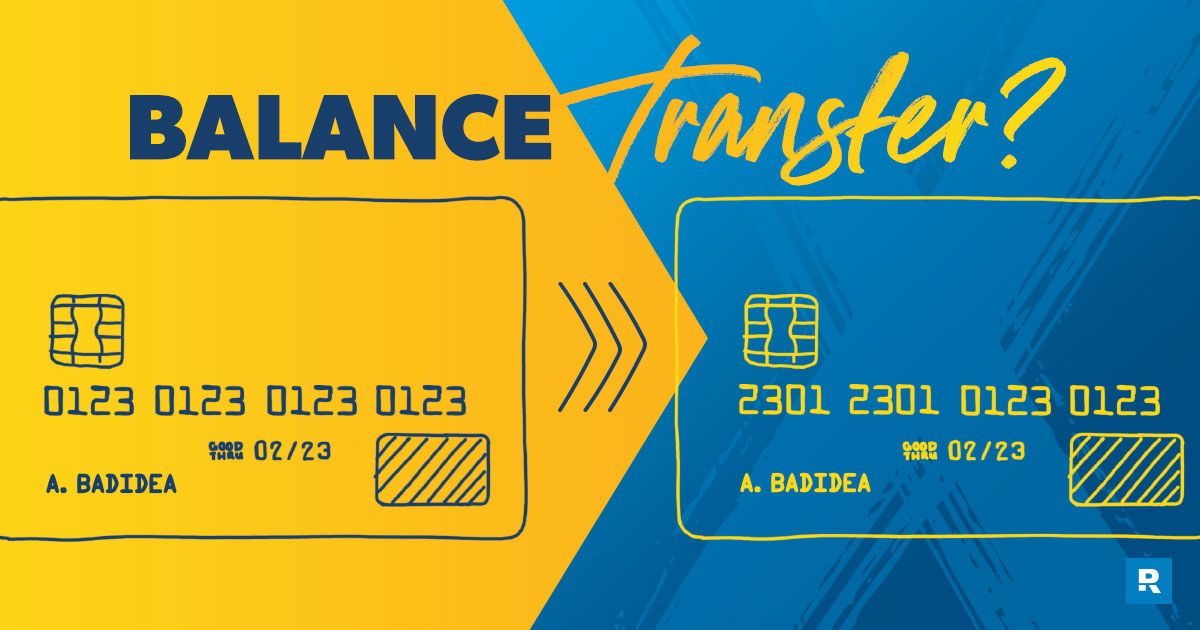
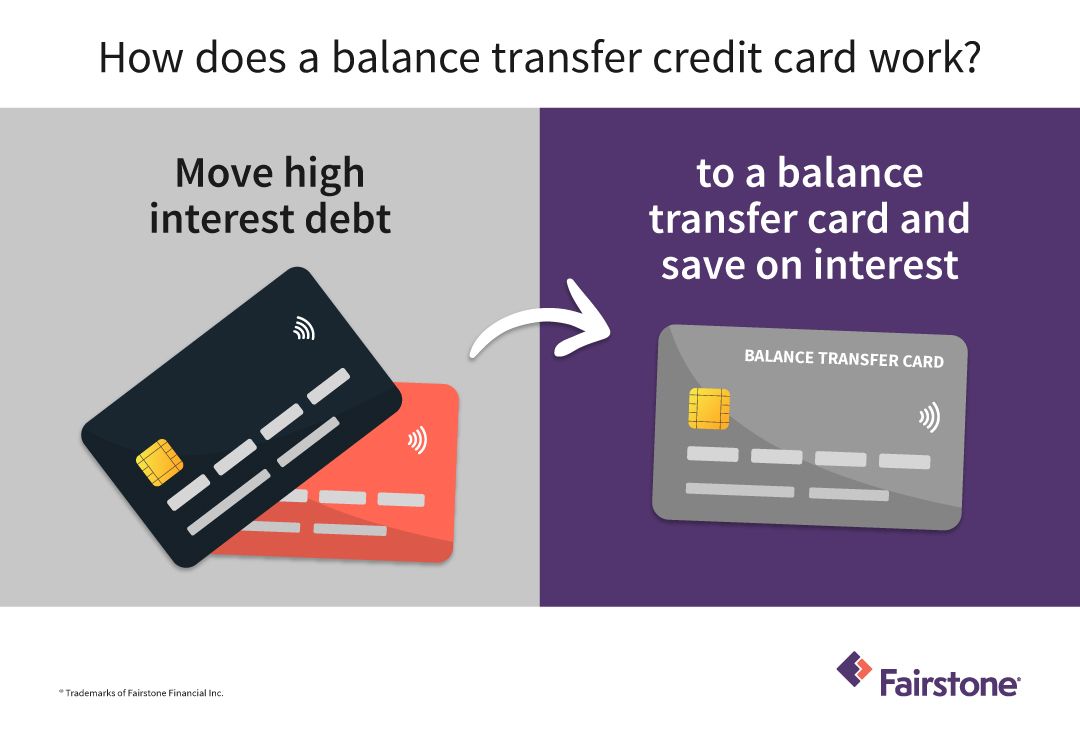
A credit card balance transfer is an advance of credit from your new card used to pay off a balance on another credit card or loan. The primary goal is to move higher-interest debt to a card offering a lower promotional interest rate for a set period, which can range from six to eighteen months. Promotional rates can be as low as 0%, a significant reduction compared to standard credit card interest rates which often range from 17% to 30%. This process does not erase debt but relocates it, potentially making it easier to manage and pay down. The transferred amount, plus any applicable fee, cannot exceed the unused portion of your new card's credit limit.
Balance transfers are treated similarly to cash advances, not regular purchases. This means the transferred balance typically does not benefit from an interest-free grace period and does not earn any rewards points or cash back. Interest begins accruing on the transferred balance immediately at the promotional rate once the transfer is processed. It is crucial to continue making minimum payments on your old accounts until you confirm the transfer has been completed and the old balance is cleared. The process can be initiated during a new card application or after account activation, either online, via a mobile app, or by calling customer service.
Eligibility and Application Process
To apply for a balance transfer credit card in Canada, you must have reached the age of majority in your province or territory and be a Canadian resident. Your creditworthiness will be assessed during the application, which involves a hard inquiry on your credit report. Approval is not guaranteed and depends on your credit score, income, existing debt, and the specific card's criteria. Most balance transfer promotions are intended for debt held with another financial institution, meaning you generally cannot transfer a balance between cards issued by the same bank. You must also have sufficient available credit on the new card to cover the transfer amount plus the transfer fee.
The application can often be completed online. You will need to provide details about the account you wish to pay off, including the creditor's name, your account number, and the transfer amount. If applying for the transfer during the initial credit card application, processing may take up to 15 business days from account opening. If requesting a transfer after your new card is activated, processing may take up to 10 business days. Some issuers, like MBNA, allow you to transfer funds directly to your chequing account using available credit, which you can then use to pay off other debts.
Fees, Rates, and Time Limits
Balance transfers involve several key costs and time constraints that directly impact potential savings. Most cards charge a one-time balance transfer fee, which is typically a percentage of the amount transferred. Common fees range from 1% to 5%, though some cards may advertise a 1% fee. This fee is added to the transferred balance and accrues interest at the promotional rate. The promotional interest rate itself is the main attraction, often set between 0% and 3%, and applies only for a finite promotional period. This period is a defining feature of balance transfer offers and varies significantly between cards.
When the promotional period on a balance transfer ends, any remaining balance becomes subject to the card's standard interest rate. These standard rates vary significantly among Canadian cards, with examples including 13.99% for the CIBC Select Visa and 22.99% for the Scotiabank Value Visa after its promo. Promotional offers are subject to transfer deadlines, often requiring the transfer to be completed within a specific number of days after account opening. For instance, the MBNA True Line Mastercard offer applies to transfers made within 90 days of opening the account. The terms, including the length of the promotional period and the subsequent rate, differ across various balance transfer credit cards available in Canada.
| Card Example | Promotional Rate & Period | Balance Transfer Fee | Post-Promo Rate |
|---|---|---|---|
| BMO Preferred Rate Mastercard | 0% for 18 months | Varies | 15.99% |
| MBNA True Line Mastercard | 0% for 12 months | 3% | 17.99% |
| CIBC Select Visa | 0% for 10 months | 1% | 13.99% |
| Scotiabank Value Visa | 0% for 9 months | 1% | 13.99% |
| Tangerine Rewards World Elite Mastercard | 1.95% for 6 months | Varies | 22.95% |

Common Rules and Limitations
Canadian financial institutions enforce several important rules on balance transfers. The transfer amount plus the transfer fee cannot exceed your available credit limit on the new card. There is often a daily maximum transfer amount, which for some issuers is set at $20,000. Transfers can usually only be made to Canadian dollar accounts, and the funds may take three to four business days to appear in the recipient account. You cannot use a balance transfer to pay down or pay off balances you hold with the same issuing bank or its financial group. For example, you cannot transfer an MBNA card balance to another MBNA card.
The promotional rate applies only to balances transferred within the specified offer window and for the stated promotional period. If you make a late minimum payment during the promotional period, the issuer may cancel the promotional rate, causing the entire transferred balance to immediately revert to the higher standard rate. It is also important to note that making new purchases on the same card that holds the transferred balance can complicate repayment. Payments are generally applied to the balance with the lowest interest rate first, meaning higher-interest new purchases would not be paid down until the transferred balance is cleared.
Strategic Steps for a Successful Transfer
Executing a balance transfer effectively requires careful planning and disciplined follow-through. The first step is to calculate the total debt you wish to transfer and ensure you can qualify for a new card with a high enough credit limit to accommodate it plus the fee. Next, compare available offers, prioritizing the longest 0% promotional period you can get, then evaluating the transfer fee and the regular interest rate that will apply afterward. Apply for the chosen card and, upon approval, initiate the balance transfer request promptly to meet the offer deadline.
Once the transfer is in process, you must continue making at least the minimum payments on your old accounts until you see a zero balance. Develop a strict repayment plan to pay off the entire transferred balance before the promotional period ends, factoring in the transfer fee. Avoid using the new card for any new purchases to prevent accruing high-interest debt alongside your low-interest transfer. After the old accounts are paid off, consider closing them to avoid the temptation of reusing them, but be aware this may have a minor impact on your credit score. Monitor your new account closely to ensure all payments are made on time.
Potential Impact on Your Credit
Applying for a new balance transfer card results in a hard inquiry on your credit report, which may cause a temporary dip in your credit score. If approved, the new account will increase your total available credit, which can be positive, but it also adds a new line of credit to your file. Successfully consolidating multiple debts onto one card can simplify your finances and, if you make consistent on-time payments, can help rebuild your payment history. As you pay down the transferred balance, your overall credit utilization ratio should decrease, which is beneficial for your credit score.
However, significant risks exist. If you fail to pay off the balance before the high regular rate takes effect, you may end up with a large, expensive debt. Accumulating new debt on either the balance transfer card or the old, now-zeroed cards can quickly worsen your financial situation and damage your credit. A balance transfer does not address spending habits, so without a budget and disciplined repayment, the cycle of debt can continue. The tool is most effective for those with a stable plan and the means to eliminate the debt within the promotional window.
Frequent Mistakes to Avoid
Several common errors can undermine the benefits of a balance transfer. A major mistake is transferring a balance without having a concrete plan to pay it off within the promotional period, leading to a costly reversion to a high interest rate. Another error is using the same card for new purchases, which can get buried under the repayment hierarchy and accrue interest at a much higher rate. Forgetting to continue payments on the old accounts during the transfer processing period can result in late fees and credit score damage. Overlooking the balance transfer fee when calculating the total cost and required monthly payments is another pitfall that can reduce your overall savings.
Opening a new credit card for a balance transfer can impact your credit scores, as the application process involves a hard inquiry. Applying for multiple cards in a short period to increase available credit would generate several such inquiries and could lower your score. It is crucial to read the full terms and conditions of the balance transfer offer, as promotions are subject to eligibility requirements and issuer terms. For example, balance transfer promotions are generally intended for debt held with another financial institution, and transfers between cards from the same issuer are often not allowed. Managing the transfer wisely by understanding all terms is necessary for it to work as intended and potentially help improve your credit in the long run.
Frequently asked questions
What is a credit card balance transfer?
A credit card balance transfer is the process of moving an existing debt from one credit card to another. The new card typically offers a lower promotional interest rate on that transferred balance for a limited period, such as 0% for 6 to 18 months. This is done to reduce interest costs and simplify debt repayment. The transfer uses available credit from the new card and usually incurs a one-time fee.
How long does a balance transfer take in Canada?
The processing time for a balance transfer in Canada varies by financial institution. Generally, it may take three to four business days for the funds to appear in the recipient account. If you apply for the transfer during your initial credit card application, processing can take up to 15 business days from account opening. If you request a transfer after your card is activated, it may take up to 10 business days.
Are there fees for a balance transfer?
Yes, most balance transfers in Canada come with a fee. This is typically a percentage of the amount transferred, commonly ranging from 1% to 5% of the balance. Some cards may advertise a 1% transfer fee. This fee is added to the transferred balance and will also accrue interest at the promotional rate. It is a key cost to factor into your repayment calculations.
Can I transfer a balance to a card from the same bank?
Generally, no. Balance transfer promotions are usually intended for debt held with another financial institution. Most banks prohibit using a balance transfer to pay off or pay down balances you hold with them or with other cards within the same banking group. You must check the specific terms of the card offer, as this rule is a common limitation.
Does a balance transfer affect my credit score?
A balance transfer can affect your credit score in several ways. Applying for the new card results in a hard inquiry, which may cause a temporary dip. Successfully transferring and paying down debt can lower your credit utilization ratio, which may help your score over time. However, mismanaging the transfer by accruing more debt or making late payments can negatively impact your credit.
What happens when the promotional period ends?
When the promotional period on a balance transfer ends, any remaining portion of the transferred balance becomes subject to the card's standard interest rate for balance transfers. This rate is significantly higher, often ranging from 13.99% to 24.99%. Interest will be charged on the remaining balance at this new rate starting from the first statement date after the promotion expires. For example, the CIBC Select Visa's rate becomes 13.99% after its 10-month 0% offer, while the MBNA True Line Mastercard's rate becomes 17.99% after its 12-month 0% period. Therefore, the key to maximizing savings is to pay off the entire transferred balance before the promotional period concludes to avoid these higher interest charges.
Sources and further reading
- Best Balance Transfer and 0% APR Credit Cards ratehub.ca
- Best Balance Transfer Credit Cards and Offers in Canada nerdwallet.com
- Find the Best Balance Transfer Credit Card For You mbna.ca
- Debt Consolidation with Credit Card Balance Transfer nomoredebts.org
- Credit Card Balance Transfers cibc.com
This article explains how things work and is not financial, tax or legal advice. Rules, limits and rates change, so check the current figures with the Canada Revenue Agency, your province or your financial institution before you act.