Commercial auto insurance is a specialized policy required in Canada for vehicles used primarily for business purposes. It provides coverage tailored to the higher risks associated with business use, such as transporting goods, making deliveries, or visiting clients. This type of insurance is mandatory for commercially registered and plated vehicles, distinct from personal auto insurance which does not adequately cover business activities. Understanding commercial auto insurance helps Canadian business owners protect their vehicles, employees, and financial interests from costly claims and coverage gaps.
What Commercial Auto Insurance Is and When It Is Required
Commercial auto insurance is a policy designed specifically to cover vehicles used in connection with a business. Its primary function is to protect business owners from the financial risks associated with using vehicles for income-generating activities. Automobile insurance is mandatory across Canada, but a commercial policy is required when vehicles are used for business purposes, even if they are also used personally. This requirement applies to vehicles that are commercially registered and plated. The policy is intended to ensure adequate protection for the business owner, their employees, and the vehicles themselves against the unique liabilities of commercial use.
A business needs commercial auto insurance if it uses vehicles to transport tools, equipment, or goods. This applies to a wide range of operations, from a contractor driving between job sites to a restaurant with a fleet of delivery vehicles. If you own a company vehicle registered under a business name, you will need a commercial policy. The necessity is determined by the vehicle's use rather than its ownership structure. Even occasional business use, such as making client visits or carrying business materials, may need to be disclosed to an insurer and could necessitate commercial coverage. Using a personal auto policy for business activities can lead to coverage gaps and denied claims.
Commercial auto insurance solutions are crafted to meet the specific needs of a business. Policies are available for businesses with at least one commercial-rated vehicle. For businesses with at least five vehicles that meet the provincial or territorial definition of a fleet, fleet insurance may be available. Fleet insurance assesses risk holistically rather than on an individual vehicle basis, which can provide more competitive pricing. A commercial auto policy permits personal use of the vehicle, but the primary designation must be for business. It is crucial to speak with an insurance broker to ensure appropriate coverage based on the various uses of your vehicles.
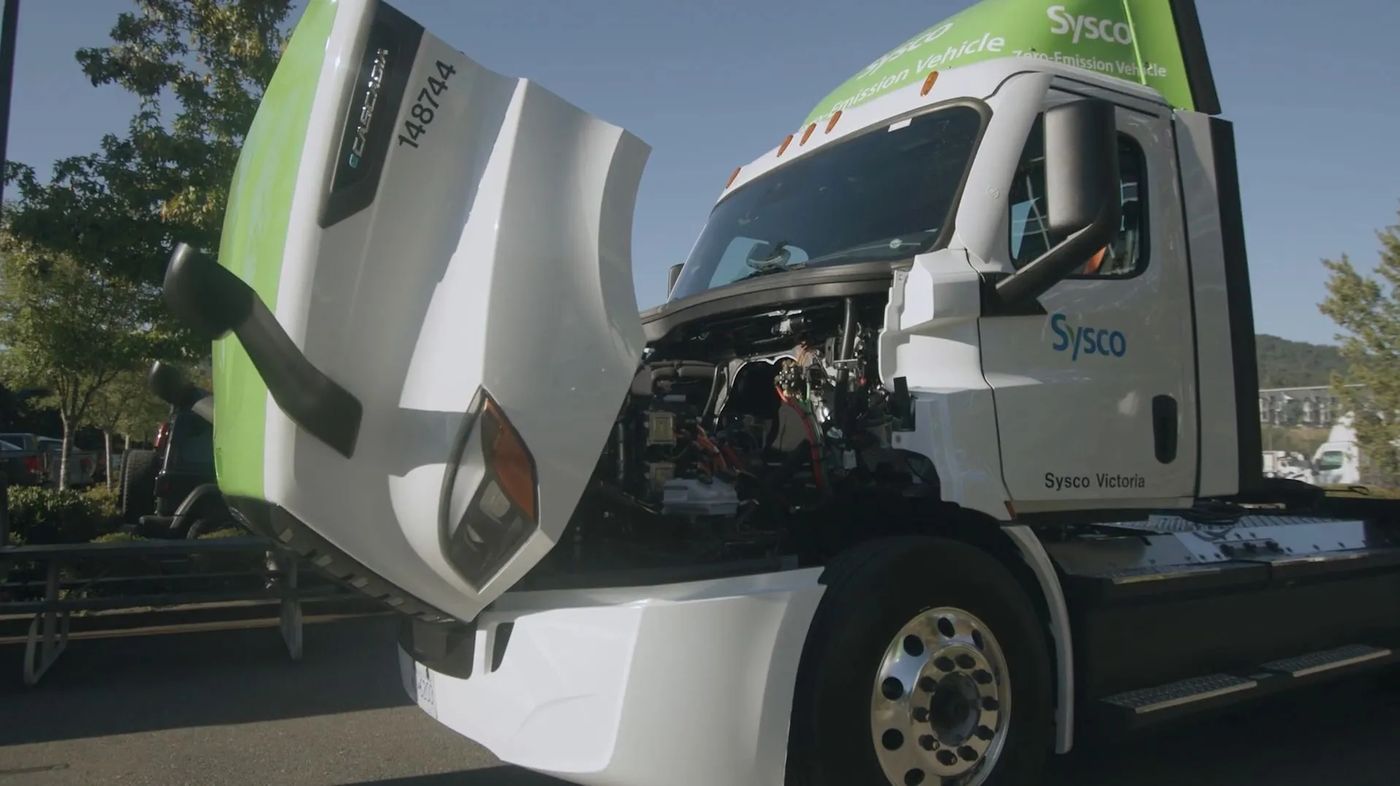
Key Coverages Provided by a Commercial Auto Policy
A commercial auto insurance policy in Canada is designed to protect vehicles used to run a business efficiently. Core coverage components include civil liability coverage for injuries or property damage you cause, and collision coverage for damage from impacts. It also includes coverage for other perils like theft or fire, and specific risks like lightning or explosion. This insurance is mandatory for business use and is structured for business liabilities, ensuring you have the right protection for your commercially registered vehicles.
Civil liability coverage is a fundamental part of the policy. It protects the business if it is found legally responsible for injuring someone or damaging someone else's property. This coverage applies whether the business is at-fault or not, and it can also cover damage to the insured vehicle from a collision when not at-fault. Collision or upset coverage specifically protects the vehicle from damages caused by an impact with another vehicle or an object, or if the vehicle flips over. All perils other than collision or upset coverage protects the vehicle from damages caused by events like fire, theft, vandalism, hail, or flood.
Specific risks coverage protects the vehicle from damages caused by events specifically named in the policy, such as lightning, an explosion, or an earthquake. Some insurers offer additional protections like good record protection, which guarantees an insurance premium will not increase at renewal as a result of up to two losses of any kind over a five-year period. Replacement cost coverage is another valuable option that protects the value of the vehicle if it needs to be replaced because it was stolen or damaged beyond repair, paying the original value rather than the depreciated value. Roadside assistance is often available as an add-on, entitling the business to a set number of service calls per year for each covered vehicle.
Major Differences Between Personal and Commercial Auto Insurance
The most significant difference between personal and commercial auto insurance in Canada is the intended use of the vehicle. Personal auto insurance is designed for vehicles used primarily for personal, non-business activities like commuting, running errands, or family trips. Commercial auto insurance is required when a vehicle is used to generate income, transport goods, visit clients, or support business operations. Many Canadians assume their personal policy covers all driving, but using a vehicle for business without proper coverage can lead to denied claims. The determination is based on use, so a vehicle owned personally but used extensively for business likely requires a commercial policy.
Coverage limits represent another major distinction. Commercial auto policies typically offer higher liability limits than personal policies. This is because business vehicles often spend more time on the road and face greater liability risks, such as carrying valuable cargo or having multiple drivers. Higher limits help protect businesses from costly claims involving bodily injury, property damage, or lawsuits. The scope of who is covered also differs. Personal auto insurance usually covers the primary driver and listed household members. Commercial insurance is designed to accommodate multiple drivers, including employees, contractors, and temporary staff, which is essential for businesses with shared vehicles or mobile teams.
Premiums for commercial auto insurance are generally higher than for personal insurance due to the perceived higher risk of business use. Factors affecting commercial premiums include the type of vehicle, its business purpose, the number of drivers, annual mileage, and the goods being transported. Despite the higher cost, commercial coverage provides necessary protection that a personal policy does not offer. Policies can also include specialized coverages like garage insurance for businesses that repair or store customer vehicles, or cross-border solutions for businesses operating in both Canada and the United States.
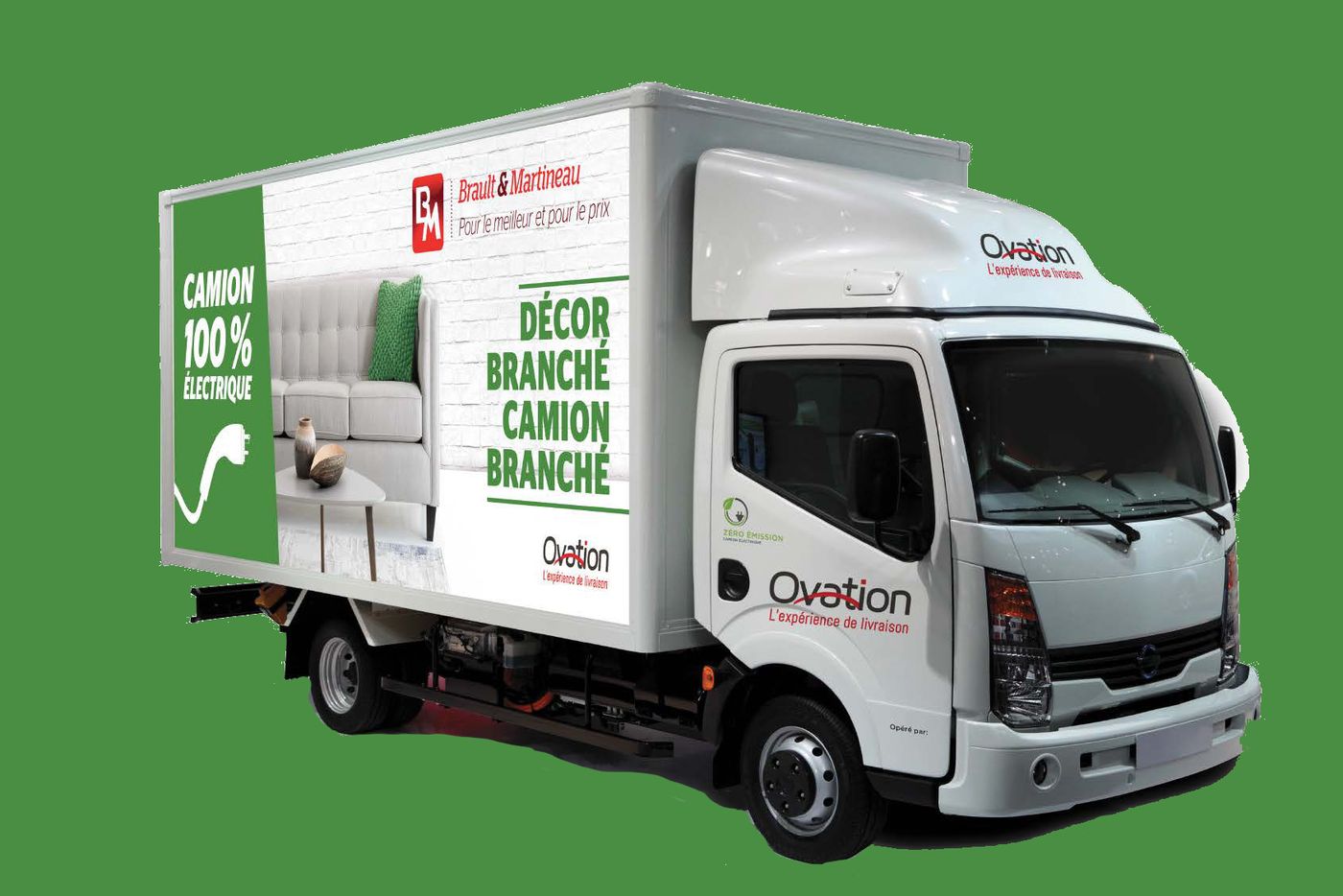
Types of Businesses and Policies: From Single Vehicles to Fleets
Commercial auto insurance serves a wide spectrum of Canadian businesses, from sole proprietors with one vehicle to large corporations with extensive fleets. The structure of the policy often depends on the number of vehicles and the nature of the business operations. For businesses with a single commercial-rated vehicle, a standard commercial auto policy is required. This policy covers the vehicle for business use and permits personal use, with all vehicles rated individually similar to a personal auto policy. Policies can sometimes include a mix of vehicles, including personal use vehicles and some recreational vehicles like ATVs, provided they are disclosed and rated appropriately.
For businesses with at least five vehicles that meet the provincial or territorial definition of a fleet, fleet insurance becomes an option. Fleet insurance assesses risk holistically across all vehicles rather than on an individual basis, which can lead to more competitive pricing. This approach is often financially beneficial for larger operations. Another specialized policy type is the garage auto policy. This provides protection for businesses that sell, repair, maintain, store, service, or park customers' automobiles. It includes coverage for garage employees and protects customers' vehicles while in the care, custody, and control of the garage business.
Various industries commonly require commercial auto coverage. This includes contractors, couriers and delivery services, restaurants with delivery fleets, retail businesses for inventory transport, and service professionals like plumbers or electricians. Automobile dealers, repair shops, storage garages, service stations, car washes, and parking lot owners specifically need garage insurance policies. Commercial policies are also essential for businesses that operate vehicles in both Canada and the United States, with providers like Aviva offering Cross Border Solutions for this need. It is important to speak with a broker to find the policy type that correctly matches your business activities.
Provincial Rules, Upcoming Reforms, and Industry Offerings
Automobile insurance is mandatory in Canada and is regulated provincially. This means the specific rules and mandatory coverages for commercial auto insurance can vary across provinces and territories. The names of mandatory and additional coverages may differ depending on where the vehicle is insured and registered. Therefore, it is essential for business owners to speak with a broker who understands the regulations in their specific jurisdiction to ensure they have appropriate coverage.
A significant reform is scheduled for Ontario. Starting July 1, 2026, the Government of Ontario is making auto insurance more flexible and consumer-focused. This reform aims to offer more choice in coverage to fit individual needs. Businesses operating in Ontario should be aware of this upcoming change when planning their insurance renewals around that time.
Several major insurance providers offer commercial auto insurance across Canada. Aviva Canada offers coverage solutions for all Canadian jurisdictions and has specialized programs like Aviva Fleet Telematics, which uses real-time data to reduce risk and improve driver behaviour for fleets. Intact Insurance provides commercial vehicle coverage with a network of brokers and offers roadside assistance for covered vehicles in Canada and the United States. TD Insurance, CNA, Starr Insurance Companies, and SGI CANADA are other notable providers in the market. Many providers offer discounts, such as savings for insuring more than one vehicle or for drivers with a conviction-free record.
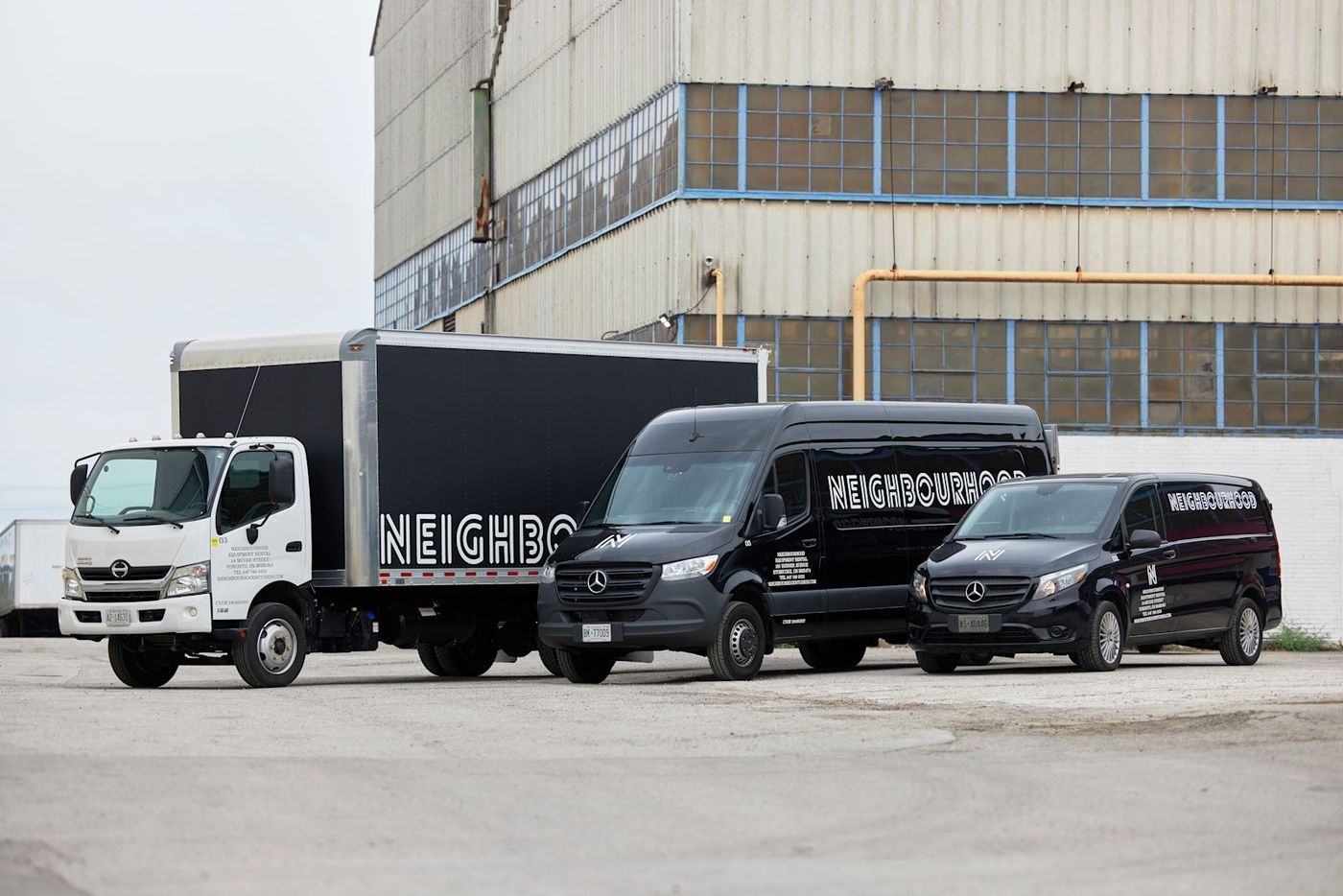
Common Mistakes and How to Ensure Proper Coverage
A common and costly mistake is assuming a personal auto insurance policy covers business use of a vehicle. This assumption can lead to significant coverage gaps. If an accident occurs while the vehicle is being used for business purposes, the personal insurer may deny the claim, leaving the business owner fully liable for all costs. Another mistake is not disclosing all business-related uses of a vehicle to the insurer, even if they seem minor or occasional. Transparency about vehicle use is critical to obtaining the correct policy and ensuring claims are paid.
Business owners sometimes underestimate the necessary level of liability coverage. Commercial vehicles often require higher limits than personal vehicles due to increased time on the road and potential risks associated with transporting goods or having multiple drivers. Failing to secure adequate limits can expose the business to financial ruin from a major lawsuit. It is also a mistake to not regularly review and update the policy as the business grows. Adding new vehicles, hiring more drivers, or changing the nature of deliveries should prompt a discussion with your broker to adjust coverage accordingly.
To ensure proper coverage, business owners should take several proactive steps. First, honestly assess and document all uses of the vehicle for business operations. Second, work with a licensed insurance broker who specializes in commercial insurance and understands the provincial regulations. Brokers can help compare quotes from multiple providers and explain the nuances of different policies. Third, inquire about available risk management services. Some insurers, like Federated Insurance, offer Risk Services programs with specialists who can help create company safety programs and provide loss prevention advice, which can mitigate risks and potentially influence premiums.
- Assuming personal auto insurance covers business activities.
- Failing to disclose all business use of a vehicle to the insurer.
- Underestimating the necessary liability coverage limits for commercial risks.
- Not updating the insurance policy when the business grows or changes.
- Overlooking available discounts, such as multi-vehicle or conviction-free driver savings.
- Neglecting to inquire about specialized policies like garage or fleet insurance when applicable.
Additional Protections and Risk Management Services
Beyond the standard policy coverages, many insurers offer additional protections and services designed specifically for commercial auto clients. These enhancements can provide greater financial security and help businesses manage their overall risk. Good record protection, offered by some providers like Intact Insurance, is one such feature. It guarantees that an insurance premium will not increase at renewal as a result of up to two losses of any kind over a five-year period, regardless of fault. Since this protection can apply to individual vehicles, it can extend to all employees who drive them, offering significant premium stability.
Roadside assistance is a practical add-on for business vehicles. For example, Intact Insurance offers a program that entitles a business to four service calls per year, per covered vehicle of 4,500 kg or less. Services can include towing, tire changes, fuel delivery, lockout service, and winching. This assistance is available 24 hours a day, seven days a week in Canada and the United States for all employees driving a covered vehicle. Replacement cost coverage is another valuable option that ensures a vehicle is replaced at its original value, not its depreciated value, if it is stolen or deemed a total loss.
Risk management services are increasingly offered by commercial insurers to help businesses prevent losses before they occur. Federated Insurance provides Risk Services Specialists who can help create, implement, and maintain company safety programs. Their Risk Management Assist service grants direct telephone access to these specialists for guidance on loss prevention topics and regulatory requirements. Aviva offers Aviva Fleet Telematics, a program that helps commercial fleets use real-time data to reduce risk, improve driver behaviour, and manage costs. Eligible customers receive an automatic discount, with potential for additional savings based on performance. These services demonstrate a shift towards insurers acting as partners in risk mitigation.
Frequently asked questions
What is the main difference between personal and commercial auto insurance?
The main difference is the intended use of the vehicle. Personal auto insurance is for vehicles used primarily for personal, non-business activities like commuting or family trips. Commercial auto insurance is required when a vehicle is used for business purposes such as generating income, transporting goods, making deliveries, or visiting clients. Commercial policies have higher liability limits and cover multiple drivers like employees.
Do I need commercial auto insurance if I only use my car occasionally for business?
Yes, you may still need it. Even occasional business use, such as transporting tools, making deliveries, or visiting clients, may not be covered under a personal auto policy. It is essential to disclose all business use to your insurer. If your vehicle is used in connection with your business, a commercial auto insurance policy is required to ensure you have the right protection and to avoid denied claims.
What is fleet insurance and when is it used?
Fleet insurance is a type of commercial auto insurance policy designed for businesses with at least five vehicles that meet the provincial or territorial definition of a fleet. It is used when a company operates multiple vehicles for business purposes. The primary advantage is that the insurer assesses the risk holistically across the entire fleet rather than rating each vehicle individually, which often leads to more competitive pricing. This makes it a financially beneficial solution for businesses with many vehicles. Companies like Aviva Canada offer fleet insurance, and eligible fleets can also utilize services like Aviva Fleet Telematics to use real time data for risk reduction and potential savings.
What is a garage auto policy?
A garage auto policy is a specialized form of commercial auto insurance for businesses that handle customers' vehicles. It provides protection for businesses that sell, repair, maintain, store, service, or park automobiles. The policy includes coverage for garage employees and, crucially, it protects the customers' vehicles while they are in the care, custody, and control of the garage business. This coverage is essential for automobile dealers, repair shops, service stations, and parking lot owners. Insurers like Intact Insurance note that businesses in these sectors should speak to a broker about such options. It is distinct from a standard commercial auto policy that covers business owned vehicles.
Are there any upcoming changes to auto insurance rules in Canada?
Yes, there is a specific upcoming change in Ontario scheduled for July 1, 2026. The Government of Ontario is implementing a reform to make auto insurance more flexible and consumer focused. This reform will offer drivers and businesses more choice in coverage to better fit their individual needs. While automobile insurance is mandatory across Canada, this provincial change aims to provide more customizable options. The reform highlights that whether for personal or commercial use, policyholders may have enhanced flexibility in selecting their level of protection, such as civil liability or collision coverage, to suit their specific circumstances.
Sources and further reading
- Commercial Auto Insurance aviva.ca
- Commercial Vehicle & Fleet Insurance intact.ca
- What is commercial auto insurance? federated.ca
- Commercial Auto Insurance | Small Business Insurance tdinsurance.com
- Personal vs. Commercial Auto Insurance in Canada ahainsurance.ca
This article explains how things work and is not financial, tax or legal advice. Rules, limits and rates change, so check the current figures with the Canada Revenue Agency, your province or your financial institution before you act.