CIBC offers a range of student credit cards designed for full-time Canadian and international students. These cards typically have no annual fee and no minimum income requirement, helping students build credit, earn rewards, and manage everyday purchases. Canadian students can access credit limits up to $5,000, while international students are eligible for limits up to $2,000. Selecting the right card involves comparing features like interest rates, reward types, and welcome offers to match individual spending habits and financial goals.
Eligibility and Credit Limits for Students
The primary requirement to apply for a CIBC student credit card is full-time enrollment at a college or university. There is no minimum annual income requirement for the standard student card offerings, which distinguishes them from many regular credit products. Canadian students, including those who are permanent residents, can be approved for a credit limit of up to $5,000. International students studying in Canada on a valid study permit are eligible for a lower maximum credit limit of up to $2,000. These limits provide a controlled introduction to credit while covering typical student expenses. Professional students in specific fields have access to distinct products with higher limits when bundled with a CIBC Professional Edge Student Line of Credit.
Students in medical and dental programs receive a minimum credit limit of $10,000 when they take advantage of the professional student bundle offer. Other qualifying professional students, such as those in law, veterinary, pharmacy, and optometry, receive a minimum limit of $5,000 under the same program. This professional student offering also waives the proof of income requirement that typically applies to premium credit cards. The standard student cards serve as a foundational financial tool for building a Canadian credit history from scratch. Responsible use of these cards can positively impact a credit score, which is crucial for future major purchases like a car or home.
Available CIBC Student Credit Card Types
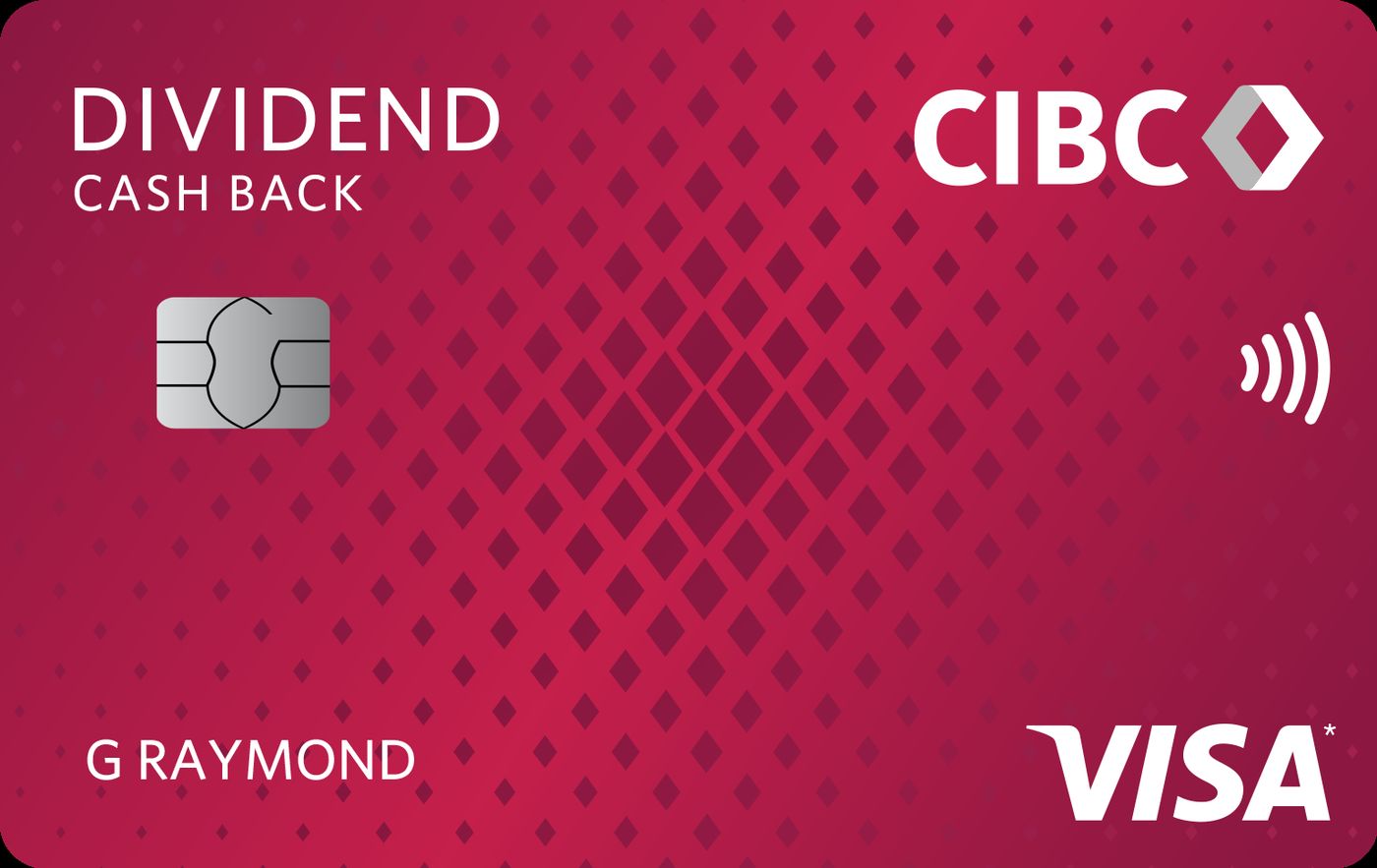
CIBC provides several student credit cards, each with different reward structures to suit various lifestyles and spending patterns. The CIBC Aeroplan Visa Card for Students allows cardholders to earn Aeroplan points, which can be redeemed for flights and travel with Air Canada and its partners. The CIBC Dividend Visa Card for Students is a cash back card that returns a percentage of purchases to the cardholder as a rebate. The CIBC Aventura Visa Card for Students earns Aventura Points that can be used for travel bookings, gift cards, and merchandise. The CIBC Adapta Mastercard for Students is another cash back option designed for student spending needs.
All these standard student cards share common features, including no annual fee and the previously mentioned credit limits based on student status. They also come with various purchase protection and insurance benefits, though specific coverage details vary by card. A key consideration when choosing is whether a points-based travel card or a straightforward cash back card aligns better with a student's spending habits. Students who pay their balance in full each month may prioritize reward earnings, while those who may carry a balance might look more closely at the interest rate. Welcome offers are available on some cards, such as the opportunity to earn up to 12,500 Aventura Points or receive cash back bonuses upon first purchase.
Interest Rates and Provincial Differences
The interest rates on CIBC student credit cards are set for purchases and for cash advances, which include withdrawing cash or buying foreign currency. It is important to note that interest rates for cash advances are typically higher than those for regular purchases and begin accruing immediately without a grace period. Quebec residents are subject to different cash advance interest rate calculations due to provincial consumer protection regulations. The specific rates are disclosed during the application process and in the cardholder agreement. Students should review these rates carefully, especially if they anticipate carrying a balance from month to month.
For all provinces except Quebec, the cash advance interest rate is calculated in a standard manner. In Quebec, the cash advance interest rate is calculated differently, which often results in a distinct annual percentage rate for residents of that province. This provincial distinction is a legal requirement under Quebec's Consumer Protection Act. The interest rate for purchases remains consistent across the country. Understanding these rates is crucial for managing costs, as carrying a balance can become expensive over time.
| Card Type | Purchase Interest Rate | Cash Advance Rate (Excluding Quebec) | Cash Advance Rate (Quebec Residents) |
|---|---|---|---|
| CIBC Aventura Visa for Students | As per published rate | As per published rate | As per published rate |
| CIBC Dividend Visa for Students | As per published rate | As per published rate | As per published rate |
| CIBC Adapta Mastercard for Students | As per published rate | As per published rate | As per published rate |
The exact numerical rates are variable and are published by CIBC, so applicants must refer to the most current information at the time of application. Students who plan to pay their statement balance in full each month can effectively avoid paying interest on purchases altogether. For those concerned about interest, selecting a card with a lower published rate may be a prudent choice, though all student cards have competitive rates within their category. The rates are a key factor in the total cost of borrowing when a balance is revolved.

Application Process and Required Documents
The application for a CIBC student credit card is conducted online and is designed to be quick and straightforward. Prospective applicants are advised to have their personal information, details about their educational institution, and financial information readily available. The process typically takes about five minutes to complete, and many applicants receive a decision within 60 seconds. Approval is contingent on meeting the eligibility criteria and a credit check, which is a standard part of any credit application in Canada. For international students, providing valid study permit details is a necessary part of the application.
Documents required generally include proof of identity, such as a driver's licence or passport, and proof of enrollment from the educational institution. While no proof of income is required for standard student cards, having information about any part-time employment or other sources of funds can be helpful. For the professional student bundled offer, proof of enrollment in an eligible professional program is required. The online application system will guide the student through each step, requesting the specific information needed. After submission, the student will be notified of the decision and, if approved, will receive the card by mail to the provided address.
- Have your Social Insurance Number (SIN) ready.
- Provide your full legal name, date of birth, and current address.
- Enter the name and location of your college or university.
- Specify your program of study and your student status (full-time).
- Declare your estimated annual income, if any (no minimum required).
- International students must provide study permit details.
Once approved, the card will be activated upon receipt, and the student can begin using it for purchases. It is important to review the cardholder agreement that arrives with the card to understand all terms, conditions, fees, and interest rates. Setting up online banking allows for easy management of the account, payment scheduling, and tracking of rewards. The first statement will outline the payment due date and minimum payment amount, which must be met to maintain a good credit standing.
Benefits and Rewards for Student Cardholders
CIBC student credit cards offer several benefits beyond basic credit access, including rewards programs and lifestyle perks. Cardholders can earn points or cash back on every purchase, effectively getting value back from their necessary spending. Welcome bonuses provide an initial boost, such as earning up to $125 cash back or thousands of bonus points after meeting initial spending requirements. Some cards offer additional savings through partnerships, like statement credits for a Disney+ subscription or discounts at hundreds of retail brands. These benefits are designed to add value to a student's budget and lifestyle.
Insurance coverage is included with these cards at no extra cost, which may include travel medical insurance, purchase security, and extended warranty protection. The specific insurance benefits vary significantly between the Aeroplan, Aventura, Dividend, and Adapta cards, so students should compare these features. The CIBC Best Student Life Bundle can combine a student bank account with a credit card, offering additional cash incentives like a $125 bonus. This bundle is available to both Canadian and international students through a single online application. Professional students who bundle a premium card with a line of credit can also receive an annual fee rebate, adding up to $400 in total value.
Common Mistakes and Responsible Credit Use
A common mistake students make is using a credit card for cash advances without understanding the immediate and high interest costs, which have no grace period. Another error is missing a payment due date, which can result in late fees and a negative mark on the credit report. Spending up to the credit limit consistently can lead to a high credit utilization ratio, which may temporarily lower a credit score. Some students may also overlook the terms of a welcome offer, failing to meet the conditions to earn the bonus rewards. Applying for multiple credit products in a short time can generate several hard inquiries on a credit report, which lenders may view negatively.
To use credit responsibly, students should aim to pay their full statement balance by the due date every month to avoid interest charges. Setting up automatic minimum payments can prevent missed payments, though paying in full is the ideal financial habit. Keeping credit card balances well below the assigned limit demonstrates responsible credit management to future lenders. Students should regularly review their statements online to track spending and catch any unauthorized transactions quickly. Understanding that a credit card is a tool for building financial history, not a source of extra income, is fundamental to long-term financial health.
- Using the card for a cash advance except in a dire emergency.
- Only making the minimum payment, which extends debt and increases interest costs.
- Not monitoring account activity regularly for fraud or errors.
- Co-signing for a card or lending a card to friends, which creates shared liability.
- Choosing a card based solely on a welcome bonus without considering long-term rates and fees.
- Ignoring the card's insurance benefits that could provide valuable coverage.
Building a strong credit history during student years requires consistency and discipline. A good credit score developed early can facilitate approvals for apartments, car loans, and mortgages after graduation. Students should view their credit card as a financial management tool that, when used correctly, provides convenience, security, and rewards. The habits formed in university or college often set the pattern for future financial behaviour.
Frequently asked questions
What is the credit limit for a CIBC student credit card?
The credit limit depends on your student status. Canadian students can receive a limit of up to $5,000. International students studying in Canada are eligible for a lower limit of up to $2,000. Professional students in fields like medicine or law who bundle with a CIBC Professional Edge Line of Credit have higher minimum limits of $10,000 or $5,000.
Do I need a job or income to get a CIBC student credit card?
No, the standard CIBC student credit cards have no minimum annual income requirement. The primary eligibility criterion is full-time enrollment at a college or university. This makes the cards accessible to students who may not have steady employment. Professional students accessing premium cards through a bundle also do not need to provide proof of income.
How do I choose the best CIBC student credit card for me?
Choosing a card involves comparing rewards, rates, and benefits. Consider whether you prefer cash back (Dividend or Adapta cards) or travel points (Aeroplan or Aventura cards). Review the interest rates if you might carry a balance, and look at welcome offers and insurance benefits. CIBC provides an online credit card comparison tool to help evaluate these features based on your spending habits.
How long does it take to get approved for a CIBC student credit card?
The online application takes about five minutes to complete. Many applicants receive a decision in as little as 60 seconds after submitting their application. If approved, the physical card is mailed to the address provided and typically arrives within a few business days. The quick decision process allows students to know their status almost immediately.
Are there any annual fees on CIBC student credit cards?
The best CIBC student credit cards have no annual fee. This includes cards like the CIBC Dividend Visa, CIBC Aeroplan Visa, and CIBC Aventura Visa for students. These cards allow students to build credit and earn rewards without a recurring cost. Some premium cards for professional students may have an annual fee, but it is rebated when bundled with a CIBC Professional Edge Student Line of Credit. The value of the rewards and perks from these cards is designed to be accessible without an annual fee burden for students.
Can international students in Canada apply for a CIBC student credit card?
Yes, international students in Canada can apply for CIBC student credit cards. The application is part of the CIBC Best Student Life Bundle, which is available for both Canadian and international students. The primary difference for international students is the credit limit, which is up to $2,000 compared to up to $5,000 for Canadian students. The core requirement to apply is having full time status at a college or university. This allows international students to build credit, earn rewards, and pay for everyday purchases just like domestic students.
Sources and further reading
- Student Credit Cards cibc.com
This article explains how things work and is not financial, tax or legal advice. Rules, limits and rates change, so check the current figures with the Canada Revenue Agency, your province or your financial institution before you act.