A chequing account is a transactional bank account used for day-to-day financial activities in Canada. It allows you to deposit money, pay bills, make purchases, and withdraw cash. Understanding the different account types, fees, and features is essential for managing your daily finances effectively. This guide explains how chequing accounts work and what to consider when choosing one.
What a Chequing Account Is Used For
A chequing account serves as the primary hub for everyday financial management. You can deposit funds through cash, cheques, or direct deposit from an employer or government agency. The account facilitates withdrawals at automated banking machines, bank tellers, or through debit card purchases at point-of-sale terminals. Common transactions include paying bills, making one-time purchases for groceries or gas, and setting up pre-authorized payments for recurring expenses like utilities or subscriptions. You can also transfer money between your own accounts at the same institution and send Interac e-Transfer transactions to others. Funds in a chequing account are designed for easy access through online banking, mobile apps, telephone banking, or in-person branch visits. This account type is considered the most basic transactional account you can have and is meant for use every day, distinguishing it from savings accounts which are geared toward longer-term goals.
Common Features and Associated Fees
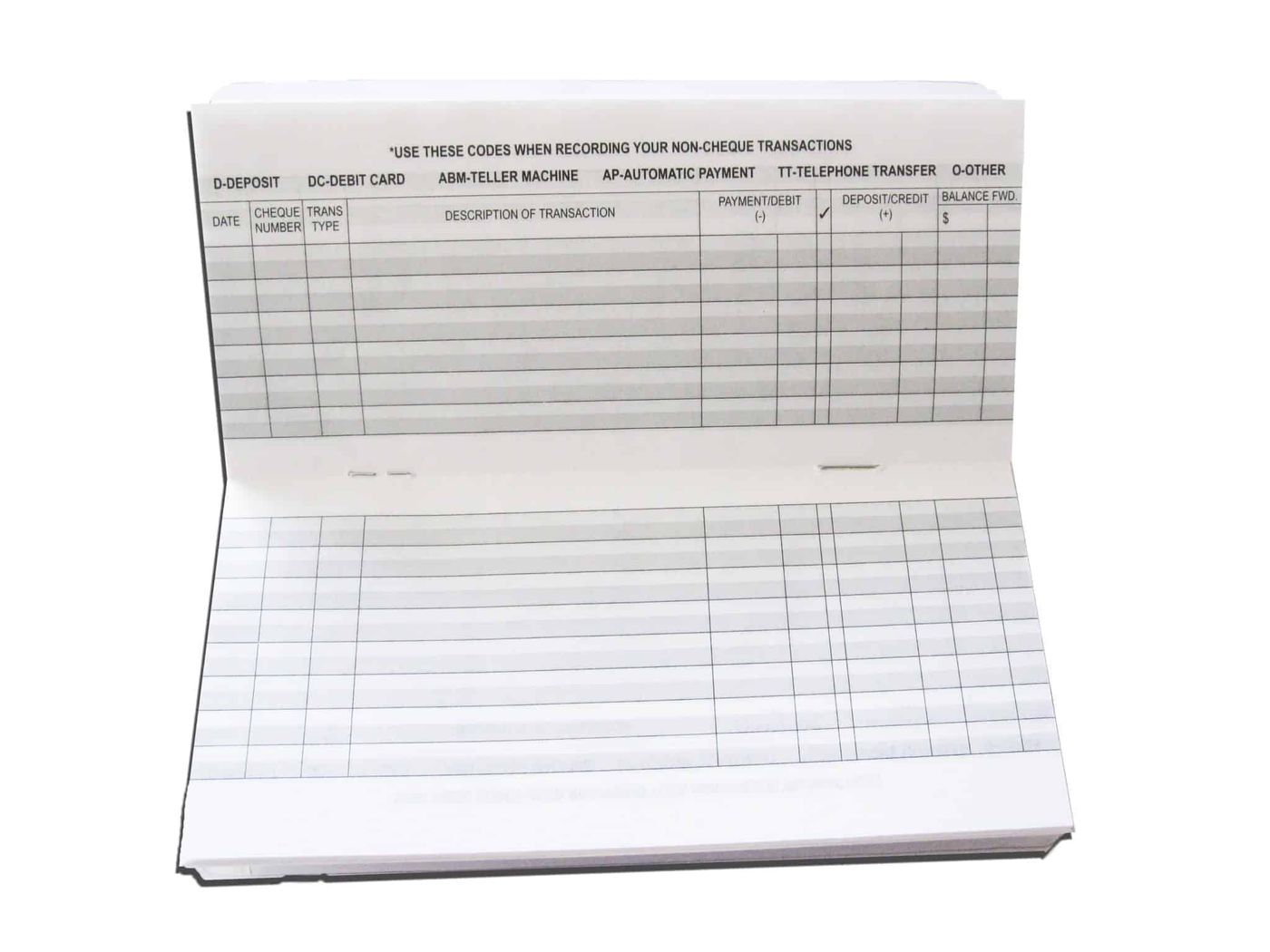
Chequing accounts come with a standard set of features, but the associated costs vary significantly between financial institutions and account tiers. A debit card is provided with all accounts, and it can often be added to a digital wallet for contactless payments. Many accounts include the ability to write cheques, with some banks offering free cheques as part of specific account packages. A central feature is the monthly account maintenance fee, which can range from nothing to over thirty dollars. For example, some accounts have a monthly fee of $30.95, $17.95, or $11.95. These fees are frequently waived if you maintain a specified minimum daily balance throughout the month. Transaction limits are another key consideration, with some basic accounts offering a set number of transactions per month, such as 12 or 25, while premium accounts offer unlimited transactions. Some accounts also include unlimited public transit transactions as a specific feature. Additional features can include overdraft protection services, with some student accounts offering this with no monthly fee for the plan itself.
Monthly Fees and Minimum Balance Requirements
The cost of a chequing account is largely determined by its monthly fee and the conditions to have that fee waived. Many banks structure their accounts so the monthly fee is $0 if you keep a minimum balance every day of the statement cycle. The required minimum balances to avoid fees vary by account tier and institution. For a basic everyday banking account, the threshold might be $3,000. For accounts with unlimited transactions, the required balance is often $4,000. Premium accounts that include additional benefits like credit card fee rebates may require a minimum daily balance of $6,000. Some institutions also waive fees based on a total relationship balance across all your accounts with them, which can be as high as $100,000. It is important to check the specific daily balance requirement for your chosen account, as failing to meet it will result in the full monthly fee being charged. Not all accounts require a minimum balance, but maintaining one is a primary method to waive monthly account fees for major plans like the TD All Inclusive Banking Plan, TD Unlimited Chequing Account, and TD Everyday Banking Account.
| Account Type Example | Monthly Fee | Minimum Balance to Waive Fee |
|---|---|---|
| Basic Account | $11.95 | $3,000 daily balance |
| Unlimited Transactions Account | $17.95 | $4,000 daily balance |
| Premium Package Account | $30.95 | $6,000 daily balance |
Some banks are updating their fee structures, with changes set to take effect in the future. For instance, the monthly fee for one popular account will increase from $16.95 to $17.95 effective January 1, 2027. Other institutions use a tiered system where benefits and fee rebates increase based on your average monthly eligible balances across accounts. This tiered system may have levels such as $0 to $39,999, $40,000 to $99,999, and $100,000 or more in average monthly eligible balances, with different perks at each tier. For example, CIBC offers monthly fee rebates on up to three CIBC Smart Accounts when you meet daily balance requirements or average monthly balance requirements within these tiers.
Specialized Accounts for Different Life Stages
Canadian financial institutions offer chequing accounts tailored to specific customer groups, often with reduced or waived fees. Student chequing accounts typically have no monthly fee for individuals under a certain age or enrolled in full-time post-secondary education. For example, one student account has a $0 monthly fee until the account holder turns 23 years old or can provide proof of enrollment. Newcomers to Canada are also a key demographic, with several banks offering packages that waive monthly fees for a set period. These newcomer offers can provide a fee waiver for the first year, or in some cases, for up to three years. Seniors aged 65 and over may have access to basic accounts with no monthly fee. There are also accounts designed for recipients of the federal Guaranteed Income Supplement or beneficiaries of a Registered Disability Savings Plan, which may have no monthly fee. Some banks also have specific offers for Indigenous Peoples from Canada, providing a fee waiver on certain accounts.
- Student Accounts: No monthly fee until age 23 or with proof of full-time post-secondary enrollment. Some offers provide a $200 welcome bonus deposited within 6 months of opening.
- Newcomer Accounts: Monthly fee waived for the first year or longer with some banks. National Bank offers a three-year annual account fee waiver with their Newcomer Chequing Account.
- Senior Accounts: Available for individuals over 65, sometimes with no monthly fee. CIBC offers a basic account with no monthly fee for seniors over 65.
- Accounts for GIS Recipients: No monthly fee for recipients of the Guaranteed Income Supplement, as seen with the TD Minimum Chequing Account.
These specialized accounts may still have transaction limits or other conditions. They provide a cost effective entry point for everyday banking. For students over 25, eligibility often requires being a domestic or international student currently enrolled in a full time post secondary program in Canada or the United States. The TD Student Chequing Account provides unlimited transactions per month for students and youth. Some student accounts offer a free SPC plus membership for savings on everyday purchases.
Interest, Promotions, and Additional Perks
While most standard chequing accounts do not pay interest on deposit balances, some exceptions exist. Certain student chequing accounts and U.S. dollar chequing accounts may earn interest. Digital banking platforms sometimes offer hybrid accounts that function like chequing accounts but pay a competitive interest rate with no monthly fees. For example, Wealthsimple offers a no monthly fee chequing account that earns up to 2.25% interest, and EQ Bank’s Personal Account combines chequing features with a competitive interest rate. Banks frequently use promotional offers to attract new customers, which can include cash bonuses or value packages. These promotions often require you to open an eligible account, set up a direct deposit, and complete a certain number of transactions or bundle products. For example, one promotion offers up to $750 in value for opening an account and meeting conditions, while another offers a cash bonus of up to $1,000 for bundling a chequing account with a savings account and credit card. Additional perks can include annual fee rebates on select credit cards, free cheque books, reimbursed ATM fees, and partnerships with retailers for discounts or rewards. Some packages offer annual fee rebates on select TD credit cards up to $139, or provide a free Skip+ membership when you link an eligible card.
- Cash Bonus Promotions: Examples include up to $750, $1,000, or $1,790 in value for meeting conditions like opening an account and bundling products. Scotiabank offers up to $1000 with a Preferred Package.
- Product Bundling: Offers like earning up to $850 are available when you bundle an eligible chequing account, savings account, and credit card.
- Retail Partnerships: Perks include discounts on fuel at Shell, free SPC+ memberships for students, or 30 days of free Koodo service for newcomers with a CIBC account.
- Fee Waivers: Some accounts waive fees if you set up recurring payments to a new or renewed eligible mortgage with the same bank.
These promotions are typically limited time offers with specific end dates. Examples include offers ending on December 8, 2026, or November 2, 2026. They have qualifying criteria that must be met. For instance, to earn a Scotiabank welcome bonus you may need to set up a direct deposit. You may also need a pre authorized transaction that recurs for six months. Finally, you may need to make one single bill payment with the account.
Account Types from Major Canadian Financial Institutions
Canadian banks offer a range of chequing account packages with distinct names and feature sets. TD Bank provides accounts like the TD All Inclusive Banking Plan with a $30.95 monthly fee, the TD Unlimited Chequing Account at $17.95, the TD Everyday Banking Account at $11.95, and the TD Student Chequing Account with no monthly fee. Scotiabank’s lineup includes the Ultimate Package, Preferred Package, Scotia One Account, Basic Plus Bank Account, and Basic Bank Account. The CIBC Smart Account is CIBC’s most popular chequing account, with a tiered system based on balances. Digital or online-only banks offer distinct products like the Simplii Financial No Fee Chequing Account, which is not available to residents of Quebec, and the Wealthsimple Cash account. Some institutions also offer U.S. dollar chequing accounts, such as the EQ Bank U.S. Dollar Chequing Account, which has a $7,100 USD maximum per international funds transfer, and accounts that allow holding both Canadian and U.S. dollars. Understanding the different packages helps in comparing core features like transaction limits, included services, and the methods to waive the monthly fee.
How to Open and Manage a Chequing Account
Opening a chequing account in Canada is a straightforward process that can often be completed online in a few minutes. You will need to provide personal identification, which typically requires a valid Canadian driver's licence or passport. You will also need a valid email address and may be asked for employer information. The online application will guide you through selecting the type of account that fits your needs. After approval, you can usually access your account details instantly online and may be able to add a virtual debit card to your mobile wallet for immediate use. If you prefer, you can also open an account in person at a local branch. For newcomers, some banks have dedicated packages that guide you through a multi-step process, which may involve opening a chequing account, applying for a recommended credit card, and unlocking additional exclusive offers. To close a chequing account, you typically need to visit a branch or call the bank's customer service line, such as TD Easyline at 1-888-663-3279, where certain conditions may apply.
Important Considerations and Common Mistakes
When selecting and using a chequing account, several practical considerations can help you avoid unnecessary costs. A common mistake is not understanding the minimum balance rules for fee waivers, leading to unexpected monthly charges. You must maintain the specified balance every single day of the month, not just an average. Another point is to be aware of transaction limits on lower-tier accounts. Exceeding your monthly allotment of transactions can incur additional per-transaction fees. While there is no limit to the number of chequing accounts you can open, managing multiple accounts with monthly fees can become expensive. It is generally recommended not to use the same chequing account for both personal and business expenses, though it is not prohibited. Finally, always review the full list of potential banking fees associated with an account, which can include fees for overdraft services, stop payments, or using non-network ATMs. Banks provide documents like the 'About Our Accounts and Related Services' document that list all possible fees. Also, be mindful of the differences between chequing and savings accounts. Chequing accounts are for frequent access and transactions, while savings accounts are for accumulating funds and may have different transaction rules and interest rates.
Security and Digital Banking Features
Security is a paramount concern for financial institutions, and chequing accounts come with various protections. Banks take account security and privacy seriously, often providing guarantees for online and mobile banking security. Features like the TD Online and Mobile Security Guarantee are examples of such commitments. Digital banking allows you to manage your account, pay bills, send money, and make payments conveniently. Many banks now offer instant account access upon online approval, with the ability to add your debit card to a mobile wallet and start shopping the same day. Some digital-first accounts, like those from Wealthsimple, offer features such as no foreign transaction fees when using the card abroad and the ability to create multiple named savings sub-accounts for different goals. It is important to use strong passwords, enable two-factor authentication if available, and monitor your account regularly for any unauthorized transactions to maintain the security of your chequing account.
Frequently asked questions
Do all chequing accounts have monthly fees?
No, not all chequing accounts have monthly fees. Many banks offer no-fee accounts for specific groups like students, seniors, or newcomers. Some digital banking platforms also provide chequing accounts with no monthly fees for all customers. For standard accounts, the monthly fee is often waived if you maintain a minimum daily balance.
Can I earn interest on a chequing account?
Most traditional chequing accounts do not pay interest on deposit balances. However, some exceptions exist. These include certain student chequing accounts and United States dollar chequing accounts. Some digital banks and financial technology companies offer account products that combine chequing features with interest earning potential. An example is the Wealthsimple account that earns up to 2.25 percent interest.
What do I need to open a chequing account?
To open a chequing account you typically need a valid government issued photo identification. This includes a Canadian driver's licence or a valid passport. You will also need a valid email address. You may be asked for your Social Insurance Number and employer information. The process can usually be completed online in a few minutes. Upon approval you often get instant access to your account details.
Are there chequing accounts for newcomers to Canada?
Yes, most major banks offer chequing account packages designed for newcomers. These often include a waiver of the monthly account fee for a period. This period can be one year or, in some cases, up to three years. They may also come with additional benefits. These benefits can include assistance with credit products. They can also include free legal information support for a year. Some offers include special promotions like 30 days of free mobile service.
How can I avoid paying a monthly fee on my account?
The most common way to avoid a monthly fee is to maintain a minimum daily balance in your account. The required amount is specified by your bank. This amount often ranges from 3,000 dollars to 6,000 dollars. Other methods include being eligible for a student, senior, or newcomer account. You can also avoid fees by holding a certain total balance across all your accounts with that institution. This total balance can be up to 100,000 dollars.
What is the difference between a chequing and a savings account?
A chequing account is designed for frequent day to day transactions. These transactions include bill payments, purchases, and withdrawals. Chequing accounts typically have lower or no transaction fees for these activities. A savings account is intended for holding money to meet longer term goals. Savings accounts may have limits on the number of free transactions. Savings accounts may pay interest on the balance. Chequing accounts usually offer easier access to funds.
Sources and further reading
- Chequing Account | Open an Account Online td.com
- Chequing Accounts cibc.com
- Compare the Best Chequing Accounts in Canada ratehub.ca
- Explore Scotiabank's chequing accounts scotiabank.com
- Canada's most powerful chequing account | Wealthsimple wealthsimple.com
This article explains how things work and is not financial, tax or legal advice. Rules, limits and rates change, so check the current figures with the Canada Revenue Agency, your province or your financial institution before you act.