A chequing account in Canada is an everyday transactional bank account used for day-to-day financial activities such as depositing money, paying bills, and making purchases. It serves as a financial hub for managing cash flow with features like debit cards, Interac e-Transfers, and ATM access. These accounts are foundational for personal banking, allowing Canadians to handle their routine finances efficiently. Understanding the different types, fees, and features available is essential for managing one's banking needs effectively.
What a Canadian Chequing Account Is Used For
A chequing account is designed as a spending account for frequent, daily transactions. Common uses include depositing funds such as cash, cheques, or direct deposits from an employer. Account holders can withdraw money at ATMs, bank tellers, or through online transfers. The account facilitates one-time purchases for groceries or gas, as well as recurring pre-authorized payments for bills like utilities or subscriptions. Funds in a chequing account are meant to be easily accessible through various channels including mobile banking, telephone banking, or in-person branch visits. This liquidity distinguishes it from savings accounts, which are typically intended for accumulating funds over time.
Types of Chequing Accounts and Their Features
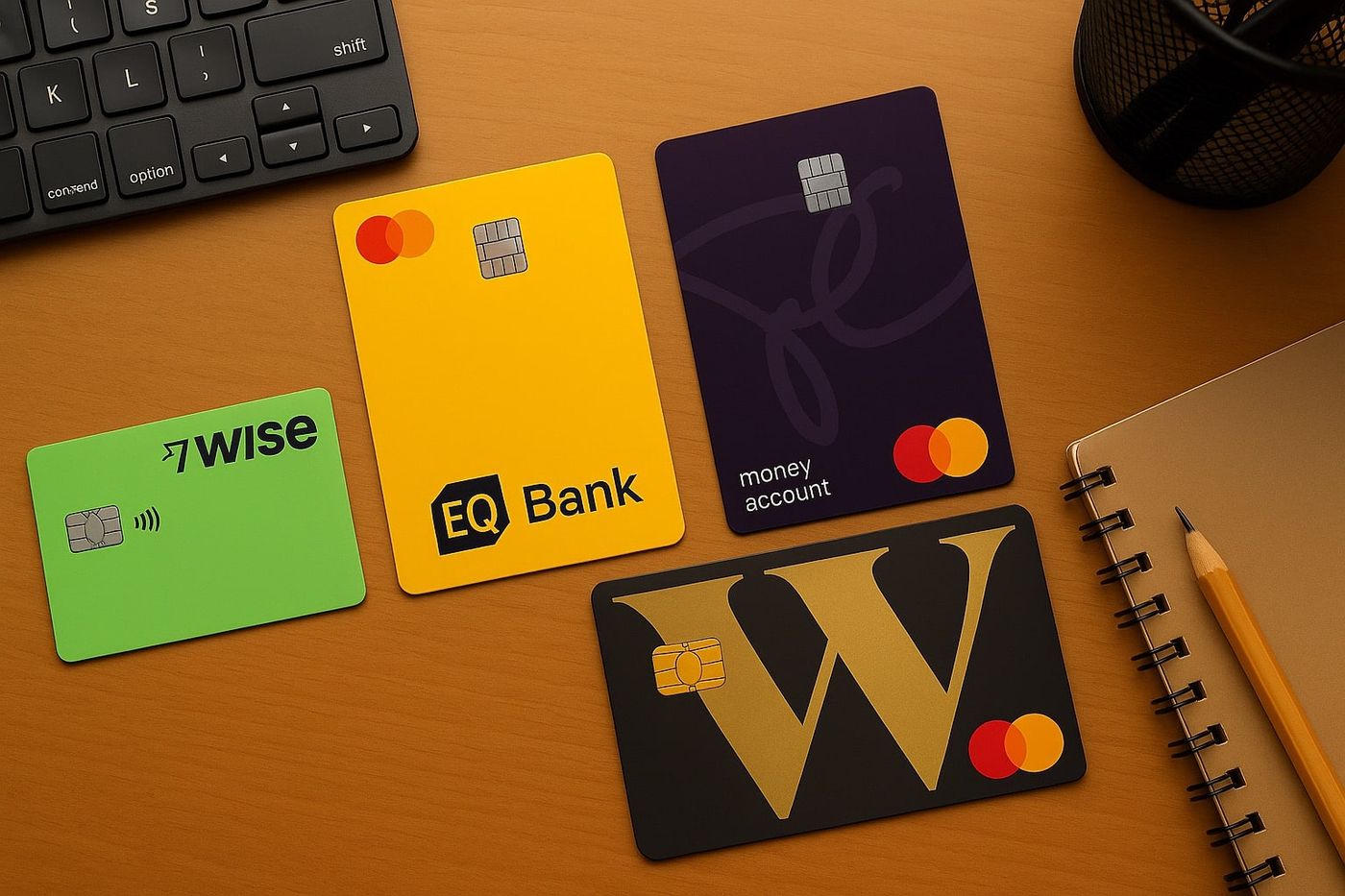
Financial institutions in Canada offer several tiers of chequing accounts tailored to different customer needs. Basic or minimal accounts, such as the TD Everyday Banking Account, may offer a limited number of transactions per month, such as 12 transactions including up to two full-serve teller transactions. Mid-tier accounts, like the TD Unlimited Chequing Account, provide unlimited transactions and often include additional benefits such as an annual fee rebate on select credit cards. Premium accounts, such as the TD All Inclusive Banking Plan, offer unlimited transactions and premium banking benefits including comprehensive overdraft protection and fee rebates. Specialized accounts exist for specific demographics, including students, seniors, and newcomers to Canada. Student accounts, like the TD Student Chequing Account, typically have no monthly fee for students under a certain age or enrolled in post-secondary education. Senior accounts, such as the CIBC Smart for Seniors, may offer a basic account with no monthly fee for individuals over 65. Newcomer packages, like those from National Bank or CIBC, often provide a period with no monthly fee, such as one to three years, to help new residents establish their banking.
Chequing accounts are designed for day-to-day banking and allow you to deposit money, including cash and cheques. You can use the account to withdraw money, make purchases, pay bills, and send Interac e-Transfers. Many accounts offer unlimited transactions, while some have a set number of transactions per month. Features often include access to a debit card, online and mobile banking, and the ability to set up direct deposits.
- Debit Card: All TD chequing accounts come with a debit card, which can often be added to a digital wallet.
- Interac e-Transfers: Many accounts, including Innovation's No-Fee Chequing Account, offer free and unlimited Interac e-Transfer transactions.
- Cheque Books: Depending on the account type, some institutions may include free cheques or waive specified cheque fees.
- Overdraft Protection: Some plans, like the TD Student Chequing Account, offer optional overdraft protection services.
- Interest Earnings: Most standard chequing accounts do not pay interest on deposit balances, though exceptions exist like the TD Student Chequing Account and certain hybrid accounts.
Fees, Minimum Balances, and How to Avoid Them
Monthly account fees for chequing accounts in Canada vary widely, typically ranging from $0 to $30.95. For example, the TD All Inclusive Banking Plan has a monthly fee of $30.95, while the TD Unlimited Chequing Account charges $17.95 per month. The CIBC Smart Account fee is $16.95 as of 2026, increasing to $17.95 effective January 1, 2027. Many financial institutions waive these monthly fees if a minimum daily or monthly balance is maintained in the account. The required minimum balance differs by account tier. For the TD All Inclusive Banking Plan, maintaining a daily balance of $6,000 or more results in a $0 monthly fee. The TD Unlimited Chequing Account requires a $4,000 daily balance to waive its fee, and the TD Everyday Banking Account requires $3,000. Similarly, the CIBC Smart Account offers a monthly fee rebate with an end-of-day account balance of $4,000 each day of the month.
Other common fees can include transaction fees if the number of monthly transactions exceeds the account's included limit, fees for using non-network ATMs, and charges for special services like bank drafts or certified cheques. Some accounts, particularly no-fee accounts from online banks or credit unions like Innovation, explicitly charge no monthly fee regardless of balance. It is important for account holders to review their account's fee schedule to understand all potential charges. Maintaining the required minimum balance is a straightforward method to avoid the primary monthly fee, but customers should also monitor their transaction counts to avoid per-transaction charges.
Eligibility and How to Open an Account
To open a chequing account in Canada, an individual must meet basic eligibility criteria and provide specific identification. For online applications with most banks, the required documents typically include a valid email address, employer information, and one piece of valid government-issued photo ID. Acceptable ID includes a valid passport or a Canadian driver's licence. Some institutions, like Innovation Credit Union, also require a Social Insurance Number (SIN) for applicants 18 years of age or older. For children and youth, the process often requires in-person application with a parent or guardian and specific ID documents. For children ages 6 to 14 applying at Innovation, a birth certificate or passport is needed along with the parent's ID. For youth ages 15 to 17, their own ID such as a student ID card or passport is required.
The steps to open an account are generally straightforward. Many banks, including TD, allow accounts to be opened online in less than five minutes through their website or mobile app. The process involves filling out an application form with personal details, providing the necessary identification, and agreeing to the account terms. For specialized accounts like those for newcomers, students, or seniors, proof of eligibility such as a study permit, proof of age, or immigration documents may be required. Some credit unions, like Innovation, require the purchase of a $5 membership share for new members. Once the application is submitted and approved, customers typically gain instant or quick access to their account and can often order a debit card immediately, which may be added to a mobile wallet the same day.
Comparing Chequing Account Offers and Promotions
Canadian financial institutions frequently offer promotions to attract new chequing account customers. These offers often include cash bonuses, gift cards, or fee waivers for meeting certain conditions within a specified time frame. For instance, TD has offered limited-time promotions providing up to $750 in value for opening an eligible chequing account and meeting conditions. CIBC has promoted bundles that can earn up to $850, while Scotiabank has offered up to $1000 with its Preferred Package. RBC has run promotions offering an iPad for opening an eligible RBC Chequing Account, with an offer ending November 2, 2026. Simplii Financial has offered a $300 cash bonus and a $50 Skip gift card for new clients who open a No Fee Chequing Account and set up an eligible direct deposit, with that offer ending September 30, 2026.
To qualify for promotional offers, customers often must complete actions like setting up a recurring direct deposit or making a minimum number of transactions. These offers are for a limited time and have specific qualifying criteria, so reading the terms and conditions is crucial. Examples of promotions include cash bonuses for new accounts or monthly fee rebates. Some offers require maintaining the account or a minimum balance for a set period.
| Institution | Promotional Offer (Examples) | Key Conditions / End Date |
|---|---|---|
| TD | Up to $750 in value | Conditions apply. Limited time offer. |
| CIBC | Bundle to earn up to $850 | Conditions apply. |
| Scotiabank | Up to $1000 with Preferred Package | Requires direct deposit and transactions. |
| RBC | New iPad | Offer ends November 2, 2026. |
| Simplii Financial | $300 cash + $50 Skip gift card | Offer ends September 30, 2026. |
| National Bank | Three-year annual fee waiver for newcomers | For those arrived in past five years. |
Special Considerations for Students, Seniors, and Newcomers
Canadian banks provide tailored chequing account options for students, seniors, and newcomers, often with reduced or waived fees. Student accounts are designed for individuals enrolled in post-secondary education. The TD Student Chequing Account has no monthly fee for students until age 23 or with proof of full-time enrollment, and it includes unlimited transactions. CIBC offers an account for full-time students graduating at age 25 and up with unlimited everyday banking. These accounts may also come with additional perks, such as a free SPC+ membership for student discounts or referral bonuses. For seniors, typically defined as individuals aged 65 and over, accounts like the CIBC Smart for Seniors offer a basic account with no monthly fee. Seniors may also qualify for fee waivers on other account types by maintaining a minimum balance.
Newcomers to Canada, including immigrants and international students, have access to specialized banking packages. These packages often include a period with no monthly fee to help newcomers establish their financial footing. The TD New to Canada Banking Package offers benefits designed for newcomers' needs, potentially including the first year with no monthly fee on the Minimum Chequing Account for newcomers. National Bank's Newcomer Chequing Account provides a three-year annual account fee waiver for those who have arrived in Canada within the past five years. CIBC offers newcomers no monthly fee for two years on its Smart Account, plus bundle offers. These packages may also include additional support such as free international money transfers for a period, access to legal information, or partnerships with telecom providers for free service trials.
Differences Between Chequing and Savings Accounts
Chequing and savings accounts serve distinct purposes within personal finance. A chequing account is intended for daily transactional use, providing easy and frequent access to funds for spending and bill payments. In contrast, a savings account is designed to help individuals achieve longer-term savings goals by holding money that is not needed for immediate expenses. Chequing accounts typically have higher transaction limits or unlimited transactions, while savings accounts may have restrictions on the number of free withdrawals or transfers per month. From a fee perspective, chequing accounts often have monthly maintenance fees, though these can be waived, while many savings accounts do not charge a monthly fee. However, savings accounts may charge fees if transaction limits are exceeded.
A key difference is the treatment of interest. Most standard chequing accounts do not pay interest on deposit balances, as noted in product information from several banks. Savings accounts, by their nature, pay interest on the money held within them, with rates varying by institution and account type. Some hybrid accounts, like EQ Bank's Personal Account or Wealthsimple's Cash account, blur these lines by offering both transactional features and competitive interest rates. Another practical distinction involves usage recommendations. Financial institutions suggest that individuals should not use the same chequing account for both personal and business expenses, indicating that separate accounts are advisable for different financial spheres. This separation helps with organization and record-keeping for tax and management purposes.
Common Mistakes and Key Points to Remember
When managing a chequing account, several common errors can lead to unnecessary fees or complications. One frequent mistake is not maintaining the minimum balance required to waive the monthly account fee, resulting in charges that could be avoided. Customers should be aware of their account's specific balance requirement, which can be a daily minimum or an average monthly balance. Another error is exceeding the monthly transaction limit on accounts that have one, incurring per-transaction fees. It is important to choose an account tier that matches one's typical monthly transaction volume. Using out-of-network ATMs is another source of fees, as withdrawals from another bank's or a private ATM often incur surcharges. Many institutions, like Innovation Credit Union, participate in surcharge-free ATM networks, and customers should familiarize themselves with these networks.
Failing to update personal information with the bank, such as address or contact details, can lead to missed communications about changes in terms or fees. Overlooking the fine print on promotional offers can also be a pitfall, as customers might not fulfill all conditions to receive a bonus. Additionally, some individuals make the error of using a single chequing account for both personal and business transactions, which can create accounting complexities. While not prohibited, banks recommend maintaining separate accounts. Finally, not reviewing account statements regularly can allow unauthorized transactions or fee errors to go unnoticed. Regularly checking account activity through online or mobile banking helps ensure accuracy and security.
Frequently asked questions
What is a chequing account used for in Canada?
A chequing account is used for everyday financial transactions. It allows you to deposit money, including cash, cheques, or direct deposits, and withdraw funds as needed. Common uses include paying bills, making purchases in stores or online, sending Interac e-Transfers, and accessing cash at ATMs. It is designed as a spending account for frequent, day-to-day banking needs.
Are there chequing accounts with no monthly fee?
Yes, several Canadian financial institutions offer chequing accounts with no monthly fee. Examples include the Simplii Financial No Fee Chequing Account and Innovation Credit Union's No-Fee Chequing Account. Some banks waive the monthly fee for specific groups, such as students, seniors over 65, or newcomers to Canada for a limited period. Other accounts may have no monthly fee if a minimum daily balance is maintained.
What identification do I need to open a chequing account?
To open a chequing account online with most banks, you typically need a valid email address, employer information, and one piece of valid government-issued photo ID. Acceptable ID includes a valid passport or a Canadian driver's licence. Some institutions may also require a Social Insurance Number for applicants aged 18 or older. For youth or children, the process may require in-person application with a parent or guardian and specific documents like a birth certificate.
Can I earn interest on a chequing account?
Most standard chequing accounts in Canada do not pay interest on deposit balances. However, there are exceptions. Some accounts, like the TD Student Chequing Account and certain U.S. dollar chequing accounts, can earn interest. Additionally, some digital banks and hybrid accounts, such as EQ Bank's Personal Account or Wealthsimple's Cash account, offer interest-earning capabilities while providing transactional features similar to a chequing account.
How can I avoid monthly fees on my chequing account?
Monthly fees on many chequing accounts can be avoided by maintaining a specified minimum balance in the account. For example, the TD All Inclusive Banking Plan waives its $30.95 monthly fee with a daily balance of $6,000 or more. The TD Unlimited Chequing Account requires $4,000, and the TD Everyday Banking Account requires $3,000. Alternatively, you can choose an account designed to be fee-free, such as those for students, seniors, or certain no-fee accounts from online banks or credit unions.
Should I use the same chequing account for personal and business expenses?
While TD does not require you to open a separate account, it is recommended that you should not use the same chequing account for both personal and business expenses. This advice is based on general financial management principles to help with organization and record keeping. Using separate accounts simplifies tracking business income and expenditures for tax purposes. It also provides clearer financial oversight by keeping personal and business transactions distinct. This practice is a common recommendation for effective money management.
Sources and further reading
- Chequing Account | Open an Account Online td.com
- Chequing Accounts cibc.com
- Compare the Best Chequing Accounts in Canada ratehub.ca
- No-Fee Chequing Account innovationcu.ca
- HiVALUE® Chequing Account, Open a Personal ... icicibank.ca
This article explains how things work and is not financial, tax or legal advice. Rules, limits and rates change, so check the current figures with the Canada Revenue Agency, your province or your financial institution before you act.