Finding an affordable city in Canada can significantly ease financial pressures and improve quality of life. The most affordable places in 2026 are typically smaller cities and towns, particularly in provinces like Quebec, New Brunswick, Manitoba, and Saskatchewan, where housing costs are well below the national average. These locations combine lower rents and home prices with manageable living expenses, offering a viable alternative to expensive major metropolitan areas. Understanding the specific affordability metrics and regional economic factors is key for Canadians considering a move to stretch their budget further.
How City Affordability is Measured
Determining which Canadian cities are the most affordable involves analyzing several key financial metrics that directly impact household budgets. The primary factors are average monthly rent, median home price, and the price-to-income ratio, which compares local home prices to local earnings. For 2026 rankings, rent data is sourced from the July 2026 National Rent Report by Rentals.ca and Urbanation, which reported a national average asking rent of CAD 2,033 for June 2026. Home price data comes from the Canadian Real Estate Association's figures for May 2026, when the national average price was CAD 702,079. The price-to-income ratio is calculated using the latest provincial average weekly earnings data, annualized to create a meaningful comparison of housing costs against local income levels. A lower ratio indicates that home ownership is more attainable for residents earning the typical local wage.
Separate analyses, such as the Royal LePage Affordability Report, use a specific methodology they call the Affordability Factor. This metric calculates the percentage of a household's income needed to cover a monthly mortgage payment. Their 2026 analysis assumed a 20 percent down payment, a three-year fixed mortgage rate of 4.64 percent, and a 25-year amortization period. This approach aims to model the real monthly cost burden for a potential homeowner. It is important to note that different ranking methodologies can produce different city rankings, as one may prioritize renters while another focuses on buyers. For instance, Royal LePage's 2026 report named Lethbridge, Alberta as the single most affordable city, while other lists based on rent and home price data highlight cities like Winnipeg and Moncton.
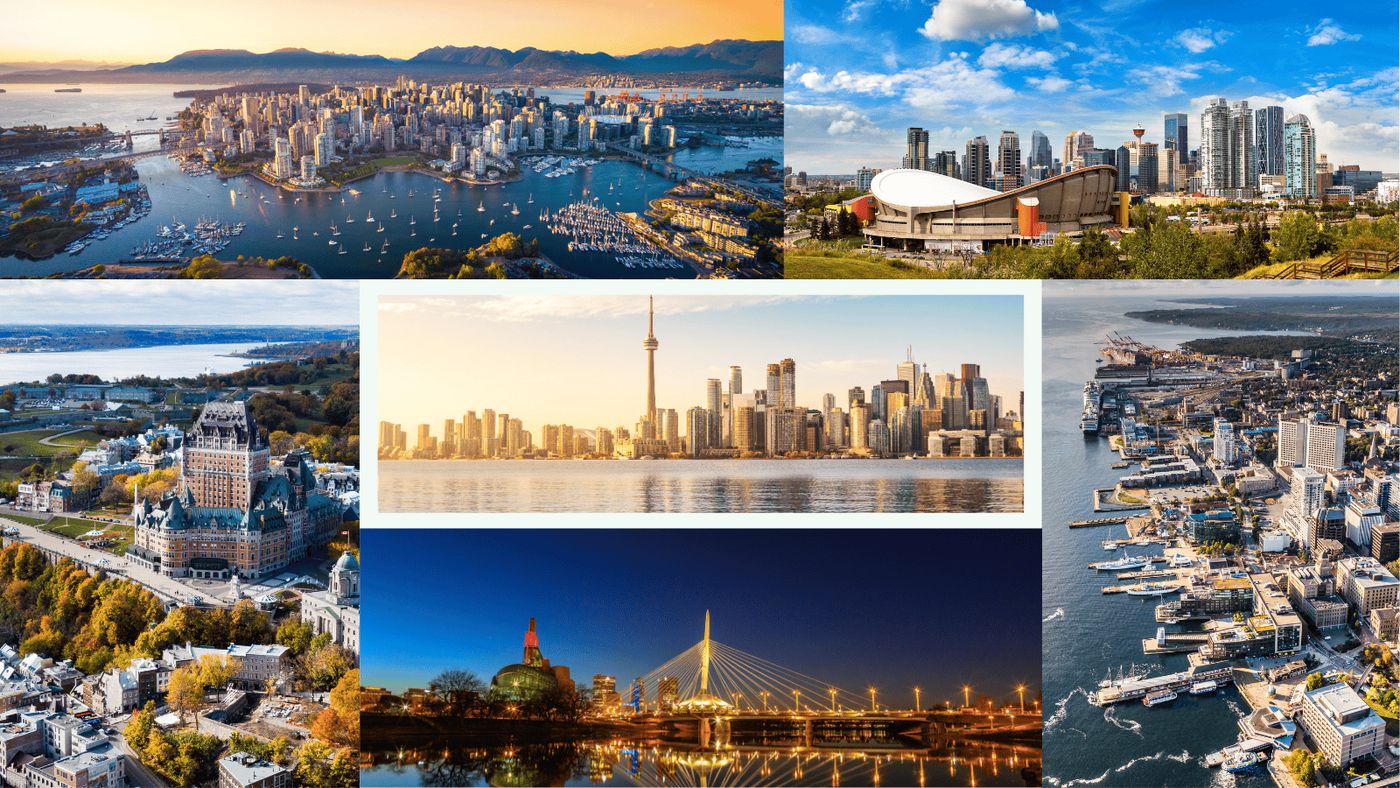
Top Affordable Cities Based on Rent and Home Price
A leading 2026 ranking of Canadian cities, which balances average rent, median home price, and price-to-income ratio, identifies several standout locations for affordability. This list is anchored by cities where the cost of living remains manageable relative to local incomes. Winnipeg, Manitoba often leads such rankings due to its combination of big-city amenities and mid-range costs, with a price-to-income ratio of about 6.44. Thunder Bay, Ontario is notable for its favorable ratio of roughly 4.90, which is unusually good for an Ontario market. Regina and Saskatoon, Saskatchewan both show strong affordability with price-to-income ratios around 4.91, supported by typical home prices near CAD 329,000.
Moncton, New Brunswick frequently appears for having the lowest absolute rent figures among the major cities analyzed. Other cities that consistently rank well include Saint John, New Brunswick, Red Deer, Alberta, and Quebec City, Quebec. Quebec City presents an interesting case where housing costs are competitive, but potential movers must consider provincial income tax rates and the importance of French-language proficiency for accessing the local job market. These cities demonstrate that affordable living in Canada is often found outside the three largest metropolitan areas, in regions where housing supply and population growth are in better balance.
- Winnipeg, Manitoba: Strong overall affordability with a price-to-income ratio of 6.44.
- Thunder Bay, Ontario: Favorable Ontario market with a price-to-income ratio of 4.90.
- Regina, Saskatchewan: Accessible ownership with a price-to-income ratio of 4.91.
- Saskatoon, Saskatchewan: Similar affordability to Regina with diversified economy.
- Moncton, New Brunswick: Often cited for the lowest average rent costs.
- Saint John, New Brunswick: Coastal city with reasonable home prices.
- Red Deer, Alberta: Affordable Alberta option between major cities.
- Quebec City, Quebec: Historic city with competitive housing costs.
Detailed Profiles of Key Affordable Cities
Winnipeg, Manitoba offers a balance of urban amenities and affordability that is hard to find in larger centres. As of June 2026, the average rent for a one-bedroom apartment is approximately CAD 1,409 per month, while the typical price for a single-detached home is near CAD 400,000. The city's price-to-income ratio, calculated using Manitoba's average weekly earnings, sits at about 6.44. This economic environment is supported by steady public-sector, manufacturing, and transportation jobs. Residents benefit from lower costs for groceries, childcare, and transit compared to Toronto or Vancouver, although winters are notably cold and long.
Thunder Bay, Ontario provides a unique affordable option within its province, combining access to Lake Superior and natural landscapes with essential services. The average one-bedroom rent was about CAD 1,580 in June 2026, and the median home price was around CAD 344,950. With a price-to-income ratio of roughly 4.90, home ownership is relatively more accessible here than in southern Ontario. The city serves as a regional hub for healthcare and education, hosting a university and major hospitals. Its smaller geographic footprint can also lead to savings on transportation and fuel costs for residents.
Regina, Saskatchewan features a stable economy centred on public administration, utilities, and agri-food processing. Rental costs are relatively steady, with a one-bedroom averaging about CAD 1,255 per month as of June 2026. The typical home price is near CAD 329,000, contributing to a price-to-income ratio of about 4.91. This favorable ratio helps keep home ownership within reach for many dual-income households. The city is known for short commutes and a manageable cost of living, appealing to remote workers, tradespeople, and public-sector employees seeking predictability and value.

Affordable Smaller Cities and Towns in Quebec
Beyond major urban centres, numerous smaller cities and towns in Quebec offer exceptional housing affordability, often with home prices significantly below the national average. Mont-Laurier, with an average home price of CAD 305,686 and a median household income of CAD 71,441, is one example in the Laurentians region. Thetford Mines, known historically for asbestos mining, has an average home price of CAD 221,606 and a median income of CAD 73,734, highlighting its low cost of entry. Other notable affordable Quebec towns include Rivière-du-Loup, a stopover city on the St. Lawrence River, and Shawinigan, an early hydroelectric power hub. Alma, in the Saguenay-Lac-Saint-Jean region, and Sainte-Marie, near Quebec City, also provide affordable living options. La Tuque is unique as the largest city in Canada by land area, though its urban population is only around 11,300. Moving to these areas requires consideration of the local economic base, which is often rooted in forestry, tourism, or dairy production, and a working fluency in French is generally necessary to participate fully in the community and job market.
| City | Average Home Price | Median Household Income |
|---|---|---|
| Mont-Laurier | CAD 305,686 | CAD 71,441 |
| Thetford Mines | CAD 221,606 | CAD 73,734 |
| Rivière-du-Loup | Data from notes | Data from notes |
| Shawinigan | Data from notes | Data from notes |
The Rental Market Landscape in 2026
The Canadian rental market in 2026 shows signs of moderation after a period of significant increases. According to the Rentals.ca July 2026 National Rent Report, the national average asking rent fell to CAD 2,033 in June 2026, which was a 4.3 percent decrease from the previous year. This marked the 21st consecutive month of decline and the lowest June figure in four years. This trend is shaping rental affordability, with local conditions varying widely based on housing supply and population growth rates. Cities that have maintained a better balance between these factors are where renters can still find manageable costs.
Affordable rental cities highlighted in recent reports include St. John's, Newfoundland and Labrador, and Lloydminster, which straddles the Alberta-Saskatchewan border. These markets offer one-bedroom rents substantially below the national average. The overall decline in rent prices is partly attributed to increased rental supply coming online and a cooling in certain regional economies. For renters, this environment provides more negotiating power and choice, especially in markets outside the major hotspots of Toronto, Vancouver, and Montreal. It remains crucial for potential movers to research the specific neighbourhoods within these cities, as rental costs can vary significantly even in affordable markets.

Important Financial and Lifestyle Considerations
When evaluating a move to a more affordable city, it is essential to look beyond just the listed home price or rent. Property taxes vary greatly by province and municipality, and in some areas like New Brunswick, they are among the highest in the country, which can offset savings from a lower purchase price. Provincial income tax rates also differ, with provinces like Quebec having higher rates that affect net income. The local job market and typical wages are critical factors, as a lower salary in an affordable city may not improve your financial position. Remote work flexibility can mitigate this for some professionals.
Climate and geography are significant lifestyle considerations. Prairie cities like Edmonton and Winnipeg experience extremely cold winters, while coastal cities like Saint John and St. John's face stormy, wet weather. Access to amenities, healthcare, and transportation must be weighed against the potential for lower living costs. Furthermore, the assumption of a 20 percent down payment used in many affordability models, such as Royal LePage's, may not reflect the reality for many first-time buyers who enter the market with a smaller down payment, resulting in higher monthly mortgage costs and mortgage loan insurance premiums. A comprehensive budget should include all these variables to make a sound decision.
- Property Tax Rates: Can be high in provinces like New Brunswick, offsetting purchase savings.
- Provincial Income Tax: Varies significantly, impacting net income (e.g., Quebec has higher rates).
- Local Job Markets: Wages may be lower in affordable regions, affecting disposable income.
- Climate: Extreme winters in prairie cities. Stormy weather on coasts.
- Down Payment Realities: Many buyers purchase with less than 20% down, altering monthly costs.
- Language: French fluency is key for employment and integration in most Quebec communities.
Frequently asked questions
What makes a city affordable in Canada?
Affordability is primarily measured by the relationship between housing costs and local incomes. Key metrics include the average rent for a one-bedroom apartment, the median price for a home, and the price-to-income ratio. A low price-to-income ratio means the typical home price is a lower multiple of the area's average annual earnings, making ownership more attainable. Access to jobs and the cost of other living expenses like taxes and utilities also contribute.
What should I consider before moving to a cheaper city?
Before moving, research the local job market and typical salaries in your field, as wages may be lower. Consider the full cost of living, including property taxes, which can be high in some affordable provinces. Evaluate lifestyle factors like climate, access to healthcare and amenities, and community fit. If moving to Quebec, French language skills are important for employment and daily life. Also, review your personal finances, as a smaller down payment than the modeled 20 percent will increase your monthly mortgage costs.
What is the most affordable city to live in Canada in 2026?
The most affordable city in Canada in 2026 is Lethbridge, Alberta, according to Royal LePage's separate Affordability Report, which ranks it first based on an aggregate home price-to-income ratio. Another prominent ranking, which weighs average rent, median home price, and price-to-income ratio, identifies Winnipeg, Manitoba as offering the best overall affordability when local income is considered. Winnipeg's price-to-income ratio is about 6.44, with a typical single-detached home price near CAD 400,000 and an average one-bedroom rent of about CAD 1,409 as of June 2026. These cities exemplify how smaller urban centres provide more attainable ownership opportunities compared to major metropolitan areas.
Which Canadian province is the cheapest to live in?
The cheapest provinces to live in Canada are generally New Brunswick, Manitoba, Newfoundland and Labrador, and Prince Edward Island. These regions offer lower housing costs relative to the national average, contributing to overall affordability. Cities within these provinces, such as Moncton and Saint John in New Brunswick, Winnipeg in Manitoba, and St. John's in Newfoundland and Labrador, frequently appear on lists of affordable places to live. For example, Moncton offers the lowest absolute rent in some 2026 rankings, while Winnipeg balances big city amenities with mid pack prices. These areas are highlighted for helping residents stretch their budgets and save money over time.
Is rent getting cheaper in Canada?
Rent in Canada showed a national decline as of June 2026. The Rentals.ca July 2026 National Rent Report stated the national average asking rent was CAD 2,033, which was down 4.3 percent year over year. This marked the 21st consecutive month of decline and represented the lowest June figure in four years. This data suggests a period of cooling in the rental market on a national scale. However, rental affordability is heavily shaped by local housing supply and population growth, meaning conditions and prices can vary significantly from city to city across the country.
Are there affordable places to live in Ontario?
Yes, Ontario contains affordable places to live despite its expensive major cities. Thunder Bay is consistently ranked as one of the most affordable cities in both the province and the country. As of June 2026, Thunder Bay had a price to income ratio of roughly 4.90, an average one bedroom asking rent of about CAD 1,580, and a typical home price around CAD 344,950. This northern hub offers lakefront living and strong community amenities at a cost far below that of the Greater Toronto Area. Other smaller towns in northern or eastern Ontario also provide more attainable housing options compared to the province's largest urban centres.
Sources and further reading
- 20 Cheapest Cities to Live in Canada (2026) nesto.ca
- 10 most affordable places to live in Canada (2026) taxesforexpats.com
- These are the 15 most affordable cities in Canada, Royal ... globalnews.ca
- 10 of the Cheapest Place to Live in Canada acemoneytransfer.com
- Most Affordable Places to Live in Canada | 2026 liv.rent
This article explains how things work and is not financial, tax or legal advice. Rules, limits and rates change, so check the current figures with the Canada Revenue Agency, your province or your financial institution before you act.