Finding cheap car insurance in Ontario involves understanding mandatory coverage requirements and the many discounts and specialized programs available to drivers. The average annual premium in the province is $2,653, which represents a 4.5% decrease from 2025 rates. Drivers can access lower rates through methods like bundling policies, enrolling in telematics programs, or opting for pay-as-you-go insurance for low-mileage driving. Securing affordable coverage is a key financial consideration for Ontario motorists, as carrying valid auto insurance is a legal requirement for all drivers.
Understanding Ontario's Mandatory Car Insurance Coverage
Ontario law requires every driver to carry a minimum level of auto insurance coverage. This mandatory protection forms the foundation of any car insurance policy in the province. The core coverages are designed to protect you financially after a collision, whether you are driving on highways like the 401 or in cities like Toronto, Mississauga, or Ottawa. Failing to carry this insurance can result in significant fines, license suspension, and vehicle impoundment.
The four mandatory coverages are third-party liability, accident benefits, direct compensation for property damage, and uninsured automobile coverage. Third-party liability coverage protects you if you are legally liable for injuring someone or damaging another person's property while driving. Accident benefits provide financial support for medical treatment, rehabilitation, and attendant care if you are injured in a car accident, with options to increase these benefits. Direct compensation for property damage allows you to claim from your own insurer for vehicle damage if another driver is at fault. Uninsured automobile coverage protects you if you are injured or your property is damaged by a driver who has no insurance.
Ontario operates under a no-fault auto insurance system. This means that after an accident, you make your claim through your own insurance company regardless of who caused the collision. The system is intended to streamline the claims process and reduce litigation. All standard policies include these mandatory elements, and insurers like Square One and Allstate must provide them as part of every basic quote. Understanding these requirements is the first step in shopping for coverage, as they are non-negotiable components of your premium.

Factors That Influence Your Car Insurance Premium
Several key factors determine the cost of your car insurance premium in Ontario. Insurance companies assess risk based on statistical data and individual driver profiles to calculate your rate. Your driving record, including any traffic convictions or at-fault accidents, has a major impact on your premium. Years of driving experience is another critical factor, with new drivers typically facing higher costs due to a lack of proven history.
The type of vehicle you drive, its model year, and how you use it are all considered in the rating. Where you live and park your car also influences the price, as urban areas with higher traffic density and theft rates often see higher premiums. The annual distance you drive is a significant variable, with programs like CAA MyPace specifically targeting drivers who travel less than 12,000 kilometres per year. Your chosen coverage limits, deductibles, and any optional endorsements you add will directly affect your final cost.
Most insurers also offer a variety of discounts that can substantially lower your premium. Bundling your auto insurance with a home insurance policy is a common way to save, with Allstate noting average savings of $1,172 when policies are combined. Other discounts may be available for being a member of certain organizations, having a winter tire package, or installing a monitored anti-theft device. Telematics programs like Allstate's Drivewise, which monitors driving habits, can reward safe driving with savings of up to 30%. It is important to ask insurers about all available discounts for which you may qualify.
Discounts and Programs to Lower Your Insurance Costs
Ontario drivers have access to several specific programs and discount structures designed to make insurance more affordable. One of the most impactful is bundling multiple insurance policies, such as auto and home coverage, with the same provider. Insurers actively promote this, with Allstate advertising savings of up to $2,168 when combining auto and home policies. This consolidation simplifies billing and can lead to significant annual savings.
Telematics or usage-based insurance programs are becoming increasingly popular. These programs use a device or smartphone app to monitor driving habits like braking, speed, and time of day. Allstate's Drivewise program rewards safe driving with potential savings up to 30%, and notably, the driving score cannot be used to increase your premium under the program terms. These programs are ideal for safe, low-risk drivers who want their premiums to reflect their actual behaviour on the road.
For drivers with low annual mileage, pay-as-you-go insurance presents a unique opportunity for savings. CAA MyPace is a payment plan for drivers who travel less than 12,000 kilometres per year, where you pay a base rate plus increments for each 1,000 kilometres you drive. The program involves installing a device in your vehicle's OBDII port and monitoring usage via an app. This structure puts drivers in control of a portion of their premium based on actual distance driven, which can result in lower costs for those who rarely use their car.
- Bundling auto and home insurance can save hundreds of dollars annually.
- Telematics programs like Drivewise can save up to 30% for safe driving.
- Pay-as-you-go insurance like CAA MyPace is for drivers under 12,000 km/year.
- Member discounts are offered by organizations like CAA.
- Claim forgiveness endorsements can protect your premium after one claim every six years.
- Disappearing deductible programs reduce your deductible by $100 each claim-free year.
Other valuable discounts include claim forgiveness, which ensures a single forgivable claim does not affect your premium at renewal, subject to a limit of one claim every six years. A disappearing deductible endorsement can reduce your collision and comprehensive deductibles by $100 for each consecutive claim-free year until they reach zero. It is crucial to review the specific terms and conditions of these programs, as eligibility and benefits can vary between insurance providers. For instance, the disappearing deductible applies only to passenger vehicles and excludes motorhomes, and the deductibles reset to their original amounts if a claim is made.
Optional Coverages and Policy Endorsements
Beyond the mandatory coverage, Ontario drivers can choose from a range of optional coverages and endorsements to tailor their policy. These additions provide extra protection for specific risks but will increase your overall premium. Common optional coverages include collision and upset, which pays for damage to your own vehicle from a collision or rollover, and comprehensive coverage, which covers damage from non-collision events like theft, fire, or vandalism. Additional glass coverage is a popular option given Ontario's winter road conditions, which can lead to cracked windshields.
Other popular add-ons include increased accident benefits, which raise the limits for medical and rehabilitation expenses beyond the mandatory minimums. Rental car coverage pays for a temporary replacement vehicle while yours is being repaired after a covered loss. Some coverages that were once mandatory, such as certain death benefits or lost educational expense coverage, have become optional, allowing you to choose what is right for your personal situation and budget. Companies like Square One make it easy to add as many or as few optional coverages as you wish during the online quote process, giving you control over your final premium and protection level.
Endorsements are specific modifications to your policy. For example, a waiver of depreciation endorsement can be crucial for a new vehicle, ensuring you are reimbursed for its full purchase price if it is written off shortly after buying it. Another is the ticket forgiveness or minor conviction surcharge waiver, which prevents your rates from increasing due to a single minor driving offence as defined in the Highway Traffic Act. It is important to discuss these options with an insurance agent or broker to understand the cost versus the benefit and to ensure the endorsements are applicable to your vehicle and driving profile.
How to Get and Compare Insurance Quotes
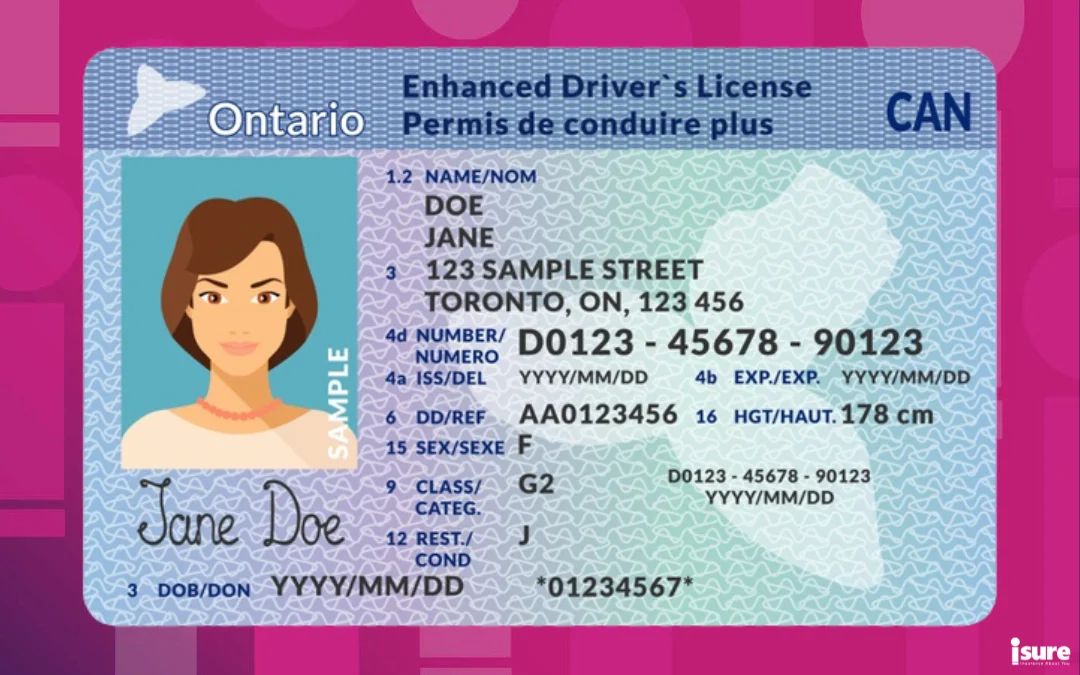
Obtaining and comparing car insurance quotes in Ontario is a straightforward process that can be completed entirely online. The first step is to gather the necessary information, which includes your driver's licence number and vehicle details. Having this information on hand will streamline the quoting process across multiple providers. You can get a free online car insurance quote in 5 minutes from providers like Square One. This process ensures the quotes you receive are accurate and comparable.
You can get quotes directly from insurance company websites like Intact, Allstate, or Square One. You can also use online insurance marketplaces like LowestRates.ca to compare offers from multiple providers in one place. The quoting process involves filling out an online form with your personal and vehicle details. This usually takes about five minutes. With Square One, you can get a quote, buy a policy, and submit a claim all online. Expert assistance from licensed insurance agents is available via webchat or phone if needed.
When comparing quotes, it is essential to look beyond the bottom-line premium. Ensure you are comparing identical coverage levels, deductibles, and policy terms. A cheaper quote may offer less coverage or higher deductibles. Pay attention to any discounts applied and confirm your eligibility for them. Many online tools provide a side-by-side comparison of coverages to help you make an informed decision. Remember that the rate you see in an online quote is typically the rate you will pay, and you can often buy the policy immediately or save the quote for later consideration. Marketplaces like LowestRates.ca advertise that users can save $500 or more by comparing quotes from Canada's top providers.
Common Mistakes to Avoid When Buying Insurance
A common mistake is focusing solely on finding the lowest possible premium without considering the adequacy of the coverage. Choosing a policy with insufficient liability limits or opting out of important optional coverages like collision can leave you financially vulnerable after an accident. It is crucial to balance cost with the level of protection you need based on your assets, vehicle value, and personal risk tolerance. The cheapest policy may not provide the financial safety net you require in a serious collision.
Many drivers fail to inquire about all available discounts for which they qualify. Discounts for bundling, being a member of certain groups, having winter tires, or using telematics programs can add up to substantial savings. Another error is not disclosing accurate information about your driving habits, such as annual mileage or primary use of the vehicle. Misrepresenting this information can lead to a claim being denied or your policy being cancelled. For example, enrolling in a low-mileage program like CAA MyPace requires honest reporting of your driving distance, and the device will track your actual usage.
Neglecting to shop around and compare quotes at renewal time is another frequent oversight. Insurance rates and discounts change, and loyalty to a single provider does not always guarantee the best price. Furthermore, not understanding the specifics of your policy, such as the claims process or the details of endorsements like claim forgiveness, can lead to unpleasant surprises. Always read your policy documents carefully and ask your agent or broker to clarify any terms you do not understand. For instance, claim forgiveness typically has a limit of one forgivable claim every six years, and it must be added as an endorsement to your policy.
Steps to Take After Purchasing Your Policy
After purchasing your car insurance policy, you should receive your official insurance documents, including a policy booklet and a pink insurance card known as the liability card. You must print this card or have a digital copy accessible on your phone, as you are required by law to carry proof of insurance while driving. The card contains essential information such as your policy number, the effective dates, and a description of your insured vehicle. Failure to provide proof of insurance during a traffic stop can result in a fine.
If you enrolled in a specialized program like CAA MyPace, you will receive a welcome package with your policy and a separate package containing the telematics device and installation instructions. You must install the device into your vehicle's OBDII port within 48 hours of the policy effective date or from the date of arrival to remain in the program. You should then download the corresponding mobile app to monitor your mileage and manage your account. The CAA MyPace app allows you to track your kilometre usage and see when you need to replenish your paid distance, and technical support is available by phone if needed.
It is advisable to set up your preferred payment method, whether annual or monthly, through the insurer's online portal or app. Companies like Square One allow you to manage payments through your online account. Familiarize yourself with the claims process by reviewing the contact information and procedures outlined in your policy documents. Knowing how to report a claim online or by phone, available 24 hours a day with some providers, ensures you are prepared in the event of an accident. Many insurers, like Allstate, offer online accounts or apps where you can access policy details, make claims, and go paperless for billing.
Frequently asked questions
What is the average cost of car insurance in Ontario?
The average annual car insurance premium in Ontario is $2,653, which breaks down to approximately $221 per month. This represents a 4.5% decrease from the average premium in 2025. It is important to note that this is a provincial average, and individual rates can vary widely based on factors like location, driving record, vehicle type, and the coverage options selected. Some providers advertise rates starting from $120 per month for qualified drivers with basic coverage needs.
What is no-fault insurance in Ontario?
Ontario has a no-fault auto insurance system. This means that after a car accident, each driver makes a claim through their own insurance company for their injuries and vehicle damage, regardless of who was at fault for the collision. The system is designed to provide faster access to accident benefits and reduce litigation. Your mandatory policy includes direct compensation for property damage, which allows you to claim from your own insurer for vehicle repairs even when another driver is responsible.
How can I get cheap car insurance if I don't drive much?
If you drive less than 12,000 kilometres per year, you may be eligible for pay-as-you-go or low-mileage insurance programs. CAA MyPace is a notable example, where you pay a base rate plus an amount for each 1,000 kilometres you drive. You install a device in your car and monitor usage via an app. This payment plan can result in savings compared to a traditional policy for low-mileage drivers. Always confirm your vehicle's compatibility, as some older models, electric vehicles, and diesels may not be eligible.
What discounts are available for Ontario car insurance?
Several discounts can help lower your Ontario car insurance premium. Bundling your auto and home insurance with the same provider is one of the most significant, with potential savings averaging over $1,000. Telematics programs that monitor safe driving habits, like Allstate's Drivewise, can offer savings up to 30%. Other common discounts include those for being a member of certain organizations (like CAA), having a clean driving record, installing anti-theft devices, and using winter tires. It is best to ask your insurer about all discounts you may qualify for.
Is it better to buy insurance online or through a broker?
Both options have advantages. Buying online directly from an insurer or through a comparison website can be fast and convenient, with quotes available in minutes and the ability to purchase instantly. Insurance brokers operate independently and can shop the market with multiple providers on your behalf, offering unbiased advice and handling much of the legwork. Brokers are paid on commission, which may be reflected in the price, but they can be valuable for complex situations. Many Canadians use online tools to compare initial rates and then may consult a broker for personalized guidance.
What happens if I drive more than the limit in a low-mileage program?
If you are enrolled in a program like CAA MyPace and drive more than the 12,000 kilometre per year threshold, you may be better suited to a traditional auto insurance policy. You should contact your insurance agent or broker to discuss switching your coverage. Continuing to drive significantly over the limit in a pay-as-you-go program could affect your premiums and the structure of your payments. It is important to accurately estimate your annual mileage when enrolling and to notify your insurer if your driving habits change substantially.
Sources and further reading
- Ontario car insurance from $120/month squareone.ca
- Ontario Car Insurance Quotes Online allstate.ca
- Compare Cheap Insurance Quotes in Canada ratehub.ca
- Ontario | Pay Less with Pay-as-You-Go Auto Insurance caamypace.com
- Car Insurance Ontario, Free Online Auto Insurance Quote rbcinsurance.com
This article explains how things work and is not financial, tax or legal advice. Rules, limits and rates change, so check the current figures with the Canada Revenue Agency, your province or your financial institution before you act.