Cheap car insurance in Canada refers to policies with lower premiums, which are achieved by comparing quotes from multiple providers and understanding the factors that influence rates. The cost of car insurance varies significantly across the country, with average annual premiums ranging from affordable levels in some provinces to higher amounts in others. Drivers can lower their insurance costs by maintaining a clean driving record, choosing their vehicle wisely, and taking advantage of available discounts. Securing cheaper coverage involves a combination of personal habits, informed shopping, and leveraging provincial insurance systems.
What Determines Your Car Insurance Premium
Insurance companies calculate car insurance rates using a range of specific factors related to the driver and the vehicle. Your age, gender, and driving experience are primary considerations, with single males under 20 statistically facing higher premiums. The average insurance rate for all drivers typically decreases once they reach the age of 25. A clean driving record and a history without claims are crucial for securing lower premiums, as prior accidents and traffic tickets label a driver as higher risk. The postal code where the vehicle is primarily parked also impacts the rate due to localized claims costs from factors like traffic density and theft rates.
The type of vehicle you drive significantly influences the insurance cost, with older, smaller, and safer models generally being cheaper to insure. The annual mileage and daily commute distance are factored in, as more time on the road increases accident risk. For drivers enrolled in a usage-based insurance program, their driving habits such as speed, smoothness, and focus are measured via a smartphone app to calculate a personalized premium. While some factors like age cannot be changed, others related to driving behaviour and vehicle choice are within a driver's control and present opportunities to lower costs.
Insurance companies are financial institutions that act as underwriters, accepting your premium payments in exchange for assuming the risk of a potential payout. The premium you pay is not just for the mandatory coverage but also reflects the insurer's assessment of how likely you are to file a claim. This assessment is based on the detailed profile created from the factors mentioned, which insurers analyze using statistical models. Understanding these levers is the first step toward managing and reducing your personal insurance costs over time.
Mandatory Car Insurance Coverage in Canada
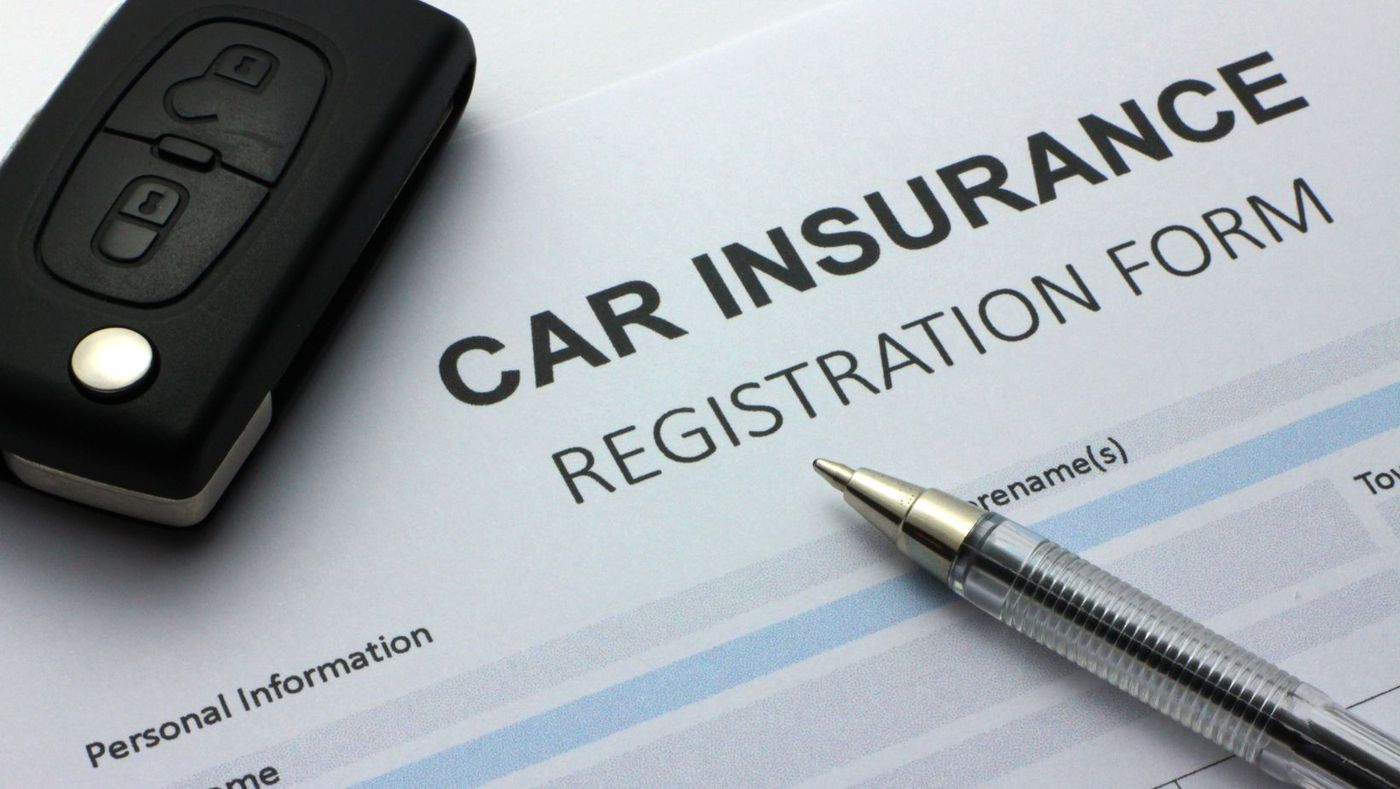
Driving a car in Canada legally requires an auto insurance policy that includes specific mandatory coverages. These core protections are designed to provide a financial safety net following a collision. The required coverages generally include third-party liability, accident benefits, direct compensation for property damage, and uninsured automobile coverage. Third-party liability covers costs if you are responsible for injuring another person or damaging their property. Accident benefits provide coverage for medical and rehabilitation costs for you and your passengers regardless of who caused the accident.
Direct compensation for property damage allows you to claim from your own insurer for vehicle repairs if another driver is at fault. This is a feature of no-fault insurance systems like Ontario's. Uninsured automobile coverage protects you if you are hit by a driver who has no insurance. These coverages form the legal minimum required to drive a car in Canada. Most drivers also choose to add optional collision and comprehensive coverage. Collision coverage pays for damage to your car from an accident. Comprehensive coverage covers non-collision events like theft, fire, or vandalism.
In some provinces, the structure of mandatory coverage can include specific options. For example, in Ontario, standard medical, rehabilitation, and attendant care benefits remain mandatory, but other benefits like income replacement or housekeeping coverage can become optional, allowing drivers to customize their policy. This no-fault system means you always claim through your own insurer after an accident, which is intended to streamline the claims process. The exact requirements and optional add-ons can vary by province, so it is essential to understand the rules in your specific region.
Proven Strategies to Lower Your Insurance Costs
There are several actionable steps Canadian drivers can take to secure more affordable car insurance premiums. Maintaining a clean driving record by obeying traffic laws and driving defensively is the most effective long-term strategy. Choosing a vehicle that is cheaper to insure, such as a used, safe, and reliable model, can reduce costs both upfront and on the ongoing premium. Reducing how often and how far you drive, such as by working from home or using public transit, can also lead to lower rates as it decreases accident risk. In most provinces, maintaining a good credit score can qualify you for a discount if you consent to a soft credit check.
- Maintain a clean driving record and claims history.
- Choose a vehicle that is older, smaller, and has good safety features.
- Reduce your annual mileage and commute distance.
- Consent to a soft credit check if you have a good credit score.
- Enroll in a usage-based insurance program to prove safe driving habits.
- Bundle your car insurance with other policies like home or tenant insurance.
- Shop around and compare quotes from multiple providers regularly.
Bundling multiple insurance policies, such as home and auto, with the same provider is a widely offered discount that can lead to significant savings. Perhaps the most powerful strategy is to regularly shop around and compare quotes from multiple insurance companies, as rates can vary considerably. Online comparison services can provide dozens of quotes quickly, and drivers who shopped around through such a service paid 30% less on average last year. Specific provider discounts are also available, such as alumni or professional group discounts, which are not offered by all insurers and should be inquired about directly.
New drivers typically face higher premiums due to their lack of experience. Enrolling in a telematics program like my Drive can provide savings based on demonstrated safe driving habits. Some insurers offer endorsements like accident forgiveness, which can protect your rates after a first at-fault accident. Applying multiple strategies is often necessary to achieve inexpensive auto insurance. These strategies include vehicle choice and hunting for discounts. The cumulative effect of these actions can lower your premium for your individual circumstances.

How Usage-Based Insurance Programs Work
Usage-based insurance programs offer a modern way for drivers to potentially lower their premiums based on their actual driving habits. These programs use a smartphone app or a device installed in the vehicle to monitor driving behaviour. The app typically measures factors such as speed, braking smoothness, the time of day driven, and overall focus behind the wheel. This data is used to generate a safety score for the driver. Insurance companies then use this score to calculate a personalized premium, rewarding safe driving habits with lower costs. Programs like Sonnet Shift or belairdirect's automerit® can offer savings of up to 35% for drivers who demonstrate safe behaviour.
These programs often review driving data every three months and adjust discounts accordingly. Some programs also offer a mileage discount at renewal for drivers who log fewer kilometres. It is important to note that while these programs can lower rates for safe drivers, unlike some older telematics programs, the driving score with major providers is not used to increase premiums, only to offer discounts. Enrollment in a UBI program is typically voluntary and requires consent from the policyholder. The data collected is used specifically for insurance scoring and premium calculation, and providers like Sonnet emphasize that their secure online platforms protect customer information throughout the process.
For drivers with safe, low-mileage habits, usage-based insurance programs translate good driving into financial savings. These programs make insurance costs more reflective of individual risk rather than generalized statistics. This shift towards personalized insurance means your actions directly influence your costs. It can be advantageous for young drivers or those in high-premium postal codes. These drivers can prove they are an exception to the statistical risk profile through their driving data.
Regional Variations in Car Insurance Costs
The cost of car insurance in Canada is not uniform and varies significantly from province to province due to different regulatory environments, claims histories, and risk factors. Average annual premiums provide a clear illustration of this regional disparity. For example, Quebec often has some of the most affordable average premiums in the country, while British Columbia tends to be on the higher end. These averages are influenced by factors such as population density, frequency of claims, and the specific mandatory coverage requirements set by each province.
| Province | Average Annual Premium (2024) |
|---|---|
| Quebec | $939 |
| British Columbia | $1,411 |
Urban areas within any province, such as Toronto or Vancouver, typically have higher insurance rates than rural areas due to increased traffic, accident rates, and vehicle theft. Provincial insurance systems also differ, with some like British Columbia and Saskatchewan operating public insurance monopolies, while others like Ontario and Alberta have a competitive private market. This structural difference directly impacts how drivers shop for coverage and the range of prices they encounter. The notes indicate that providers may tailor their offerings and discounts based on province, with some online insurers offering bundled home and auto insurance in specific regions like Ontario, Quebec, New Brunswick, Nova Scotia, and Prince Edward Island.
Certain coverages are designed for high-risk areas. Some policies include enhanced protection for vehicles in regions with higher theft claims. Other policies adjust for drivers in high-traffic regions. These localized adjustments mean cheap insurance is relative to your geographic location in Canada. The average cost of car insurance varies from province to province. When comparing quotes, ensure you are comparing policies with equivalent coverage levels. Mandatory minimums and common add-ons can differ between provinces.
Shopping for Quotes: Brokers vs. Direct Insurers
Canadian drivers have two main channels for purchasing car insurance: through an independent broker or directly from an insurance company. Insurance brokers are specialists who operate independently and have access to products from multiple insurance providers. They can shop the market on your behalf, provide unbiased advice, and recommend cost-effective solutions that match your specific needs and budget. Brokers are paid on commission, which is built into the premium, and they can be particularly helpful for complex situations or drivers who prefer personalized guidance. Direct insurers, such as Sonnet, belairdirect, or TD, sell their policies directly to consumers without a broker intermediary.
Purchasing directly often involves getting an online quote and managing the policy through a company's website or app. There is a perception that direct channels can offer lower rates by cutting out the middleman, but this is not always guaranteed. The key benefit of the direct model is convenience and speed, but it may not provide the same breadth of comparison as a broker who searches multiple companies. Regardless of the channel, the most important step is to compare multiple quotes to ensure you are getting the best value for your required coverage. The online quoting process through either channel typically involves answering a series of questions about your vehicle, driving history, and coverage needs in a web form.
A direct agent from a company like Intact or a broker from a service like RH Insurance will then often contact you to finalize the policy. While brokers do the shopping for you, it is still advisable to understand your coverage needs beforehand, as some insurers may offer specific protections like extensive water damage coverage that others do not. The final choice between a broker and a direct insurer often comes down to a trade-off between personalized service and the desire for a quick, self-directed transaction. Many drivers use online comparison platforms that may connect them with brokers as a hybrid approach, offering both a wide market view and professional assistance.
Common Mistakes to Avoid When Seeking Cheap Insurance
When searching for lower car insurance premiums, drivers can sometimes make errors that cost them more in the long run or leave them underprotected. One common mistake is focusing solely on the lowest price without adequately comparing the coverage details. A cheaper policy might exclude important protections or have higher deductibles that could lead to significant out-of-pocket expenses after a claim. Another error is failing to shop around regularly, as insurance rates and personal circumstances change over time. Staying with the same provider for years without checking competitors' rates may mean missing out on better deals.
Not disclosing all relevant information to an insurer, such as a change in address or a new driver in the household, can invalidate a policy or lead to claim denials. Forgetting to ask about all available discounts, such as those for bundling, being a graduate, or having winter tires, is another missed opportunity for savings. Finally, choosing a vehicle without considering its insurance group rating can lead to unexpectedly high premiums. A flashy or expensive car will almost always be more costly to insure than a modest, safe, and common model. Drivers sometimes overlook the value of a good claims service and customer support, which can be crucial during a stressful event.
Some direct insurers promote fast claims response, such as answering claims calls in 20 seconds, which is a practical consideration beyond price. Another mistake is assuming that mandatory coverage is sufficient. While it meets the legal minimum, it may not fully protect your assets in a serious accident, making optional collision and comprehensive coverage a wise investment for many. Avoiding these pitfalls requires a balanced approach that prioritizes adequate protection while diligently pursuing all legitimate avenues for cost reduction. It also involves reading policy documents carefully to understand exclusions, limits, and the claims process before you need to use it.
Understanding Policy Features and Endorsements
Beyond the basic mandatory and optional coverages, car insurance policies can include various endorsements and features that affect both cost and protection. Endorsements are additions or modifications to a standard policy. A common example is accident forgiveness, which prevents your premium from increasing after your first at-fault accident, though this is usually an added feature with specific eligibility criteria. Another is ticket forgiveness, which may overlook a first minor traffic violation. These endorsements provide financial predictability but may come at an additional cost or as a reward for loyalty.
Many insurers offer value-added services that can be bundled with a policy. Roadside assistance is a popular add-on, providing help for breakdowns, tows, and lockouts. Vehicle replacement coverage ensures you receive a brand-new car of similar kind and quality if your vehicle is declared a total loss shortly after purchase. For home and auto bundles, insurers may offer exclusive benefits and enhanced digital tools, such as mobile apps for managing policies, submitting claims, and storing digital proof of insurance. It is important to read the specific terms of any endorsement or add-on.
For instance, some policies may offer first claim forgiveness for home insurance as well. Providers also create specialized policies for unique situations, such as insurance for landlords, condo owners, or ride-sharing drivers, which have coverages tailored to those specific risks. When comparing quotes, reviewing these additional features and their costs is essential to understanding the full value of a policy, as the cheapest base premium might not include beneficial protections that could save money and hassle later. These features transform a basic financial contract into a more comprehensive safety net tailored to modern lifestyles and risks.
Frequently asked questions
What is the cheapest car insurance in Canada?
There is no single cheapest car insurance company for all drivers in Canada. The lowest premium for you depends on your personal profile, driving record, vehicle, and location. The most effective way to find the cheapest option is to compare quotes from multiple providers, as rates can vary significantly. Online comparison services can generate dozens of quotes quickly, and drivers who shopped around paid 30% less on average last year.
How can I lower my car insurance premium?
You can lower your premium by maintaining a clean driving record and a good claims history. Choosing a smaller, older, or safer vehicle can result in a cheaper insurance rate. Reducing your annual mileage and daily commute can also lower your premium. Bundling your car insurance with home or tenant insurance may provide savings. Enrolling in a usage-based insurance program can offer discounts for safe driving. In most provinces, having a good credit score can qualify you for a discount. Regularly comparing quotes from multiple providers ensures you get the best value.
Does my credit score affect my car insurance rate?
In most Canadian provinces, insurance companies use your credit score as a factor to calculate your premium. A good credit score can often qualify you for a discount on your car insurance. Insurers typically perform a soft credit check with your consent to assess this. A soft credit check does not impact your credit score.
What is usage-based car insurance?
Usage-based insurance programs use a smartphone app to monitor your driving habits. The app measures factors like your speed, smoothness, and focus. This data generates a safety score used to calculate a personalized premium. Safe drivers can earn significant discounts, with some programs offering savings of up to 35 percent. These programs reward you for safe behaviour and driving less. They are a good option for confident, low-risk drivers.
Is car insurance cheaper in certain provinces?
Yes, average car insurance premiums vary by province. For example, Quebec has some of the most affordable average premiums, while British Columbia is among the highest. Costs are influenced by provincial regulations, claims frequency, and whether the province has a public or private insurance system. Rates also tend to be higher in urban centres compared to rural areas within any province.
What is the minimum car insurance required in Canada?
The legal minimum requires a policy with third-party liability, accident benefits, direct compensation for property damage, and uninsured automobile coverage. This mandatory insurance provides basic financial protection after an accident. Most drivers also add optional collision and comprehensive coverage for broader protection. Collision coverage pays for damage from an accident. Comprehensive coverage covers events like theft, fire, or vandalism.
Sources and further reading
- Intact Insurance: Canada's Largest P&C Insurer | Car & Home ... intact.ca
- Compare Cheap Insurance Quotes in Canada ratehub.ca
- Cheap car insurance | Get your online quote today! ... belairdirect.com
- Sonnet Insurance | Insurance Made Simple with Online Quotes sonnet.ca
- Ontario Car Insurance Quotes Online allstate.ca
This article explains how things work and is not financial, tax or legal advice. Rules, limits and rates change, so check the current figures with the Canada Revenue Agency, your province or your financial institution before you act.