Car insurance quotes in Canada are personalized estimates of the annual or monthly premium you would pay for a mandatory auto insurance policy. Obtaining quotes is a standard step for Canadian drivers to compare coverage options and prices from various insurers. The process involves providing details about your vehicle, driving history, and location to receive a price based on provincial regulations and company underwriting. Comparing multiple quotes is a practical way for drivers to find suitable financial protection against accidents, theft, and liability.
The Purpose and Nature of Car Insurance Quotes
A car insurance quote provides a personalized estimate for the premium you would pay for an auto insurance policy, which is a legal contract required to drive in Canada. The quote is generated after you supply specific information about yourself, your vehicle, and your driving history. This estimate allows you to compare the cost and details of coverage from different insurance companies before making a purchase. The final premium you pay funds the financial safety net that compensates you or others for losses from accidents, theft, or damage. Since insurance is mandatory, obtaining and comparing quotes is a critical step for every Canadian driver to ensure they meet legal requirements while securing appropriate protection. Insurance in Canada is a contract where you make regular payments, called premiums, to an underwriter in exchange for financial protection against specific unforeseen risks. Your payments go to a financial institution, such as a bank or insurance provider, that guarantees a payout if the insured risk becomes a reality. This system is designed to manage the financial burden of events beyond your control, such as a collision or theft.

Mandatory Car Insurance Coverage in Canada
All Canadian provinces require drivers to carry a minimum level of auto insurance, though the specific mandatory coverages can vary. In Ontario, the law requires four core coverages on every policy. Third-party liability coverage pays for injury or property damage you cause to others. Accident benefits provide coverage for medical, rehabilitation, and attendant care for you and your passengers regardless of who caused the accident. Direct compensation for property damage allows you to claim from your own insurer for damage to your vehicle and its contents if another driver was at fault. Uninsured automobile coverage protects you if you are hit by an uninsured or unidentified driver. Most provinces operate on a similar framework of mandatory third-party liability, but the additional required benefits differ. Ontario uses a no-fault insurance system, meaning you make a claim through your own insurer after an accident even if another driver caused it. This system is designed to help protect you financially after a collision anywhere in Ontario so you are not left paying out of pocket for injuries or damage.
Beyond the mandatory core, optional coverages provide additional protection. Collision and comprehensive coverage are common additions that protect your own vehicle from damage due to accidents or other perils like theft, fire, or vandalism. In Ontario, some coverages that were once standard have become optional, allowing for more customization. For example, you can now choose your level of coverage for income replacement, non-earner benefits, caregiver benefits, lost educational expenses, housekeeping and home maintenance, damage to personal items, funeral costs, and death benefits. Standard medical, rehabilitation, and attendant care benefits remain mandatory. This shift allows drivers to tailor their policies and potentially lower premiums by selecting only the optional benefits they need.
How to Get and Process a Car Insurance Quote
Getting a car insurance quote in Canada is a straightforward process that typically takes only a few minutes. You can start a quote online through an insurer's website, a brokerage platform like Ratehub.ca, or by calling an insurance broker directly. The online process involves filling out a web form with details about your vehicle, such as its make, model, and year, which affects repair costs and safety ratings. You will also provide information about your primary use of the vehicle, your driving history, and your location, as premiums are generally higher in large urban areas due to higher claim volumes. After submitting the form, you will receive a quote showing the premium and the coverage details. You can then adjust options like deductibles or coverage limits to see how they affect the price before proceeding to purchase the policy or speak with a broker for finalization. Many insurers highlight that you can go from quote to coverage in just minutes, and some, like Sonnet, specialize in providing online quotes for car, home, tenant, and condo insurance.
The process for obtaining an online car insurance quote is generally similar across different insurance companies in Canada. You typically need to answer a series of questions in an easy-to-use web form. This form will ask for details about your vehicle, your driving history, and your coverage preferences. After reviewing your coverage options, you can view your quotes from multiple providers.
- Begin by answering questions about your vehicle, driving history, and location to determine appropriate coverage.
- Receive your initial quote and review the proposed coverage limits, deductibles, and any applied discounts.
- Adjust your deductible amounts and optional coverage options to see their impact on the premium. For instance, you can increase your deductible to lower your premium or remove optional physical damage coverage on an older car.
- Confirm your payment method and complete the purchase process to bind the policy, often with the option to go paperless and manage everything online.
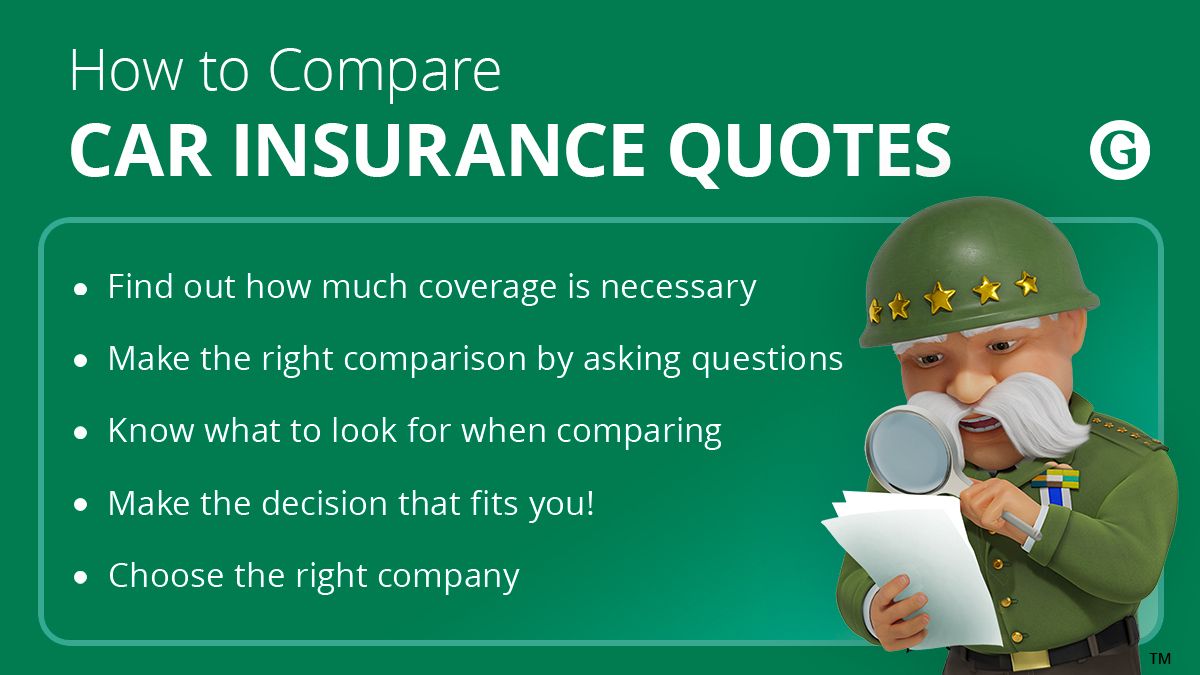
Many insurance companies provide online tools to manage your policy after purchase. These tools allow you to access digital proof of insurance, submit or track a claim, and make payments through a client centre or mobile app. The benefit of comparing quotes online is the ability to review which providers offer the best coverage at the lowest price. However, the best value is not always the lowest price but the level of coverage that matches your specific needs.
Detailed Factors That Influence Your Insurance Premium
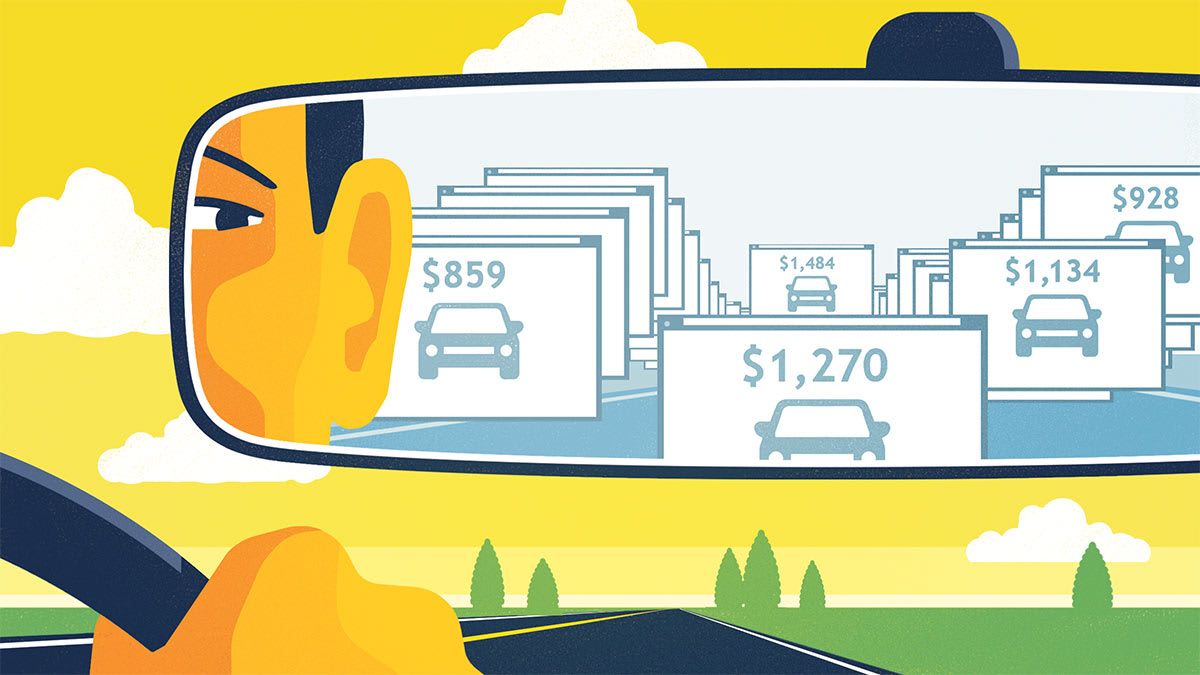
Several key factors determine the cost of your car insurance premium when you request a quote. The make, model, and year of your vehicle significantly influence the price due to differences in repair costs, safety features, and market value. Your location is another major factor, as insurance costs are higher in or near large urban centres like Toronto, Mississauga, and Ottawa due to a larger volume of accidents, thefts, and vandalism claims. Your driving record and years of experience are considered, with new drivers often facing higher rates as they are still novices behind the wheel. The type and amount of coverage you select directly affect the premium, with more comprehensive protection costing more. If you use your car for work purposes beyond commuting, you may need commercial insurance which can affect the rate. Insurers also consider whether you bundle policies, as combining home and auto insurance often leads to significant discounts. Other factors include your claims history, the primary driver's age, and the vehicle's primary use, such as pleasure, commuting, or business.
| Factor | Impact on Premium |
|---|---|
| Vehicle Make/Model/Year | Determines cost, value, safety features, and repair costs. |
| Location (Urban vs. Rural) | Higher in urban areas due to larger volume of accidents and theft claims. |
| Coverage Level & Deductible | More comprehensive coverage increases cost. A higher deductible lowers the premium. |
| Driving Record & Experience | Clean record and more experience can lower cost. New drivers pay more. |
| Policy Bundling | Bundling home and auto can provide discounts averaging over $1,000. |
| Vehicle Use | Business use may require commercial insurance and higher liability limits. |
| Claims History | A history of claims can increase premiums, while claim-free discounts apply. |
Your chosen deductible significantly impacts your quoted price, as a higher deductible lowers your premium but increases your out-of-pocket cost during a claim. Eligibility for various discounts, such as bundling home and auto policies, also affects the final price. Premiums can increase at renewal due to broader factors like rising repair costs, even if you have no tickets or claims. Some insurers offer specific products, like extensive water protection for high-risk areas, which can influence the premium and may be necessary for your situation.
Common Discounts and Specific Ways to Save
Canadian insurers offer numerous discounts that can reduce your car insurance premium when you get a quote. Insuring multiple vehicles from the same household can qualify you for a multi-vehicle discount. Many companies offer preferred rates for members of over 750 alumni, professional, and employer groups, which you can often add during an online quote. Safe driving discounts are available through telematics programs like Allstate's Drivewise or TD's my Drive, which can offer savings up to 30% based on driving habits without increasing your premium for poor scores. Other common discounts include a reduction for students listed as occasional drivers, a Green Wheel discount for hybrid or electric vehicles, and a claim-free discount that rewards you for each accident-free year.
- Bundling home and auto insurance policies for average savings of over $1,000.
- Multi-vehicle discount for insuring two or more cars from the same residence.
- Alumni, professional, or employer group membership discounts from over 750 associations.
- Safe driving discounts via telematics programs, with savings up to 30%.
- Student driver discounts for occasional operators listed on a policy.
- Green vehicle discounts for hybrids or electric cars, such as TD's 10% Green Wheel discount.
- Claim-free discounts for each consecutive year without a claim.
- Online purchase discounts, such as saving 10% for quoting and buying online with some providers.
- Removing optional physical damage coverage on older cars with low market value.
Some insurance companies offer endorsements that provide long-term value. Claim forgiveness prevents one forgivable claim from affecting your premium at renewal, subject to specific limits. A disappearing deductible reduces your deductible by a set amount, such as $100, each claim-free year until it reaches zero. New drivers typically face higher insurance rates due to their lack of experience. However, they may be eligible for telematics programs that monitor driving habits and could offer savings based on safe driving behaviour.
Working with Brokers Versus Buying Direct
Canadian drivers have two main channels for obtaining car insurance quotes and policies: through an independent insurance broker or directly from an insurance company. Insurance brokers are specialists who operate independently from insurers and have access to products from multiple providers. Their role is to shop the market on your behalf, compare policies, and provide unbiased professional advice to find coverage that matches your needs and budget. Brokers are paid on commission, and rates offered through this channel can sometimes be higher than buying direct. Platforms like Ratehub.ca work with brokerages such as RH Insurance for auto and home to facilitate this process. In contrast, direct insurers like Aviva, TD, Sonnet, or Manulife sell their products straight to consumers without a broker intermediary. While they may offer competitive rates and the convenience of a streamlined online process, you are only seeing products from that single company. A direct insurance agent has deep knowledge of their own products but cannot offer alternatives from other providers, which may not meet specialized needs like coverage for ride-sharing or short-term rentals.
The benefit of working with a broker is that they do the shopping and sifting through policies for you, and a trusted broker will review your policy annually to ensure you are getting the best value. The benefit of going direct is the potential for a simplified, digital-first experience with one company. There is a misconception that buying direct always saves money by cutting out the middleman, but without shopping around, you cannot be certain you have the best value. For drivers with standard needs, either channel can be effective, but those with complex situations, such as owning an Airbnb or driving for Uber, may benefit from a broker's broader market access and expertise. Ultimately, obtaining quotes from both brokers and direct insurers is the most thorough way to compare the Canadian insurance market. If you feel more comfortable starting the conversation with an insurance broker, you can visit their office or call them at your convenience.
Understanding and Managing Your Quote and Policy
When you receive a car insurance quote, it is essential to review the details beyond just the premium price. The quote will outline the types and limits of coverage being offered, including the mandatory coverages required by your province and any optional additions you selected. You should verify the deductible amounts for collision and comprehensive coverage, as choosing a higher deductible lowers your premium but increases your out-of-pocket cost during a claim. The quote should also list any applicable discounts that have been applied, such as bundling or group discounts. It is important to understand that some coverages in Ontario, such as increased income replacement or housekeeping benefits, may be optional under recent changes, allowing you to customize your policy. Before finalizing a purchase, ensure you understand the claims process, how to access your proof of insurance digitally, and what services, like emergency roadside assistance, are included or available for an additional cost.
After purchasing a policy, management is increasingly digital. Most insurers provide online client centres and mobile apps where you can view and download your pink card (proof of insurance), submit or track a claim, and upload supporting documents like photos or invoices. Apps like the Intact Insurance app offer widgets for quick access to digital proof of insurance on your smartphone. Many companies also offer value-added services, such as TD Insurance's lifetime warranty on repairs done at their Auto Centres or preferred vendors, and CAA's towing and emergency road service. Understanding endorsements like claim forgiveness, which protects your premium from increasing after one forgivable claim every six years, or ticket forgiveness for a minor driving offence, can also inform your choice. Regularly reviewing your policy at renewal, especially as your car ages or your life circumstances change, is key to maintaining adequate coverage at a competitive price. You can access your digital proof of insurance in the Documents section of many apps, and for secure access, add the widget to your iPhone or Android device.
Frequently asked questions
Is car insurance mandatory in Canada?
Yes, car insurance is mandatory in Canada. All drivers must carry at least third-party liability coverage, which pays for injury or property damage you cause to others. Provincial laws require additional mandatory coverages, such as accident benefits, direct compensation for property damage, and uninsured automobile coverage. Driving without the minimum required insurance is illegal and can result in significant penalties, fines, and licence suspension.
What is no-fault insurance in Ontario?
Ontario uses a no-fault auto insurance system. This means that after an accident, each driver makes a claim through their own insurance company for accident benefits and direct compensation for property damage, regardless of who caused the collision. The system is designed to provide faster access to benefits and reduce litigation. However, you still require third-party liability coverage for injuries or damage you cause to others, and you can still be held legally responsible for an accident.
What is the difference between an insurance broker and a direct insurer?
An independent insurance broker shops the market and compares policies from multiple insurance companies on your behalf, offering unbiased advice. They are paid by commission from the insurer you choose. A direct insurer, such as Sonnet, Intact, TD Insurance, or RBC, sells its own products directly to consumers without a broker intermediary. While brokers can offer a wider range of options and personalized service, buying direct may provide a streamlined, often digital-first process with one company, though you may not see all available market options. For complex needs, a broker's expertise can be valuable.
What is the average cost of car insurance in Ontario?
According to the Financial Services Regulatory Authority of Ontario (FSRA), car insurance costs on average between $1,282 and $2,214 per year in Ontario. This average premium is based on 2025 data and can vary widely based on factors like the driver's location within Ontario, age, driving record, vehicle type, and the specific coverage options and deductibles selected. Drivers in large urban areas like Toronto typically pay premiums at the higher end of this range. The cost is also influenced by the make, model, and year of your car, which determines its value, safety features, and repair costs. Insurance is generally higher near or in large urban areas due to a larger volume of accidents and theft or vandalism claims.
How can I lower my car insurance premium?
You can lower your car insurance premium by taking advantage of available discounts and adjusting your coverage. Bundling your home and auto policies is a major way to save, with some providers offering average savings of over $1,000. Other discounts include multi-vehicle, alumni or professional group rates, and discounts for hybrid or electric vehicles. You can also remove optional physical damage coverage on older cars whose repair costs may exceed their value. Enrolling in a telematics program like my Drive or Drivewise, which rewards safe driving habits, can lead to additional savings. Furthermore, comparing quotes from multiple providers is highly effective, as drivers who shopped for insurance through comparison sites paid 30% less on average last year.
What information do I need to get a car insurance quote?
To get an accurate car insurance quote, you will need specific personal and vehicle details. This includes the make, model, year, and vehicle identification number (VIN) of your car, as these factors affect repair costs and safety ratings. You must provide your driver's licence number and a complete history of your driving record, including any tickets or claims. Information about how you use the car, such as for pleasure, commuting, or business, is required, as business use may necessitate commercial insurance. Your residential address is crucial because premiums vary by region, especially between urban and rural areas. Finally, details about other drivers in your household and any alumni or professional groups you belong to will help identify applicable discounts.
Sources and further reading
- Compare Cheap Insurance Quotes in Canada ratehub.ca
- Intact Insurance: Canada's Largest P&C Insurer | Car & Home ... intact.ca
- Ontario Car Insurance Quotes Online allstate.ca
- Car Insurance: Get an Online Insurance quote tdinsurance.com
- Car Insurance: Get Auto Quotes in Canada rbcinsurance.com
This article explains how things work and is not financial, tax or legal advice. Rules, limits and rates change, so check the current figures with the Canada Revenue Agency, your province or your financial institution before you act.