Car insurance in Ontario is a legal requirement for all drivers, designed to provide financial protection after an accident. The system operates on a no-fault basis, meaning you make a claim through your own insurer regardless of who caused the collision. Mandatory coverage includes liability, accident benefits, and uninsured automobile protection. Understanding the required coverages, optional additions, and factors affecting premiums is essential for Ontario drivers to ensure they are adequately protected on the province's roads.
Mandatory Car Insurance Coverage in Ontario
Ontario law requires every driver to carry a minimum level of auto insurance, providing core financial protection after a collision whether on busy highways like the 401 or in cities across the province. This mandatory coverage consists of three non-negotiable components that form the legal baseline. Third Party Liability Coverage protects you if you are found legally liable for injuring someone or causing damage to another person's property while driving your vehicle, with payments made on your behalf. Accident Benefits Coverage is mandatory and provides financial support for medical treatment, rehabilitation, and attendant care if you are injured in a car accident, and these standard benefits are paid regardless of who is at fault. Uninsured Automobile Coverage covers medical costs and damage if you are injured or your vehicle is damaged by an at-fault driver who is uninsured. These three elements must be included in every auto insurance policy sold in Ontario, and driving without this minimum coverage can result in severe penalties including fines and licence suspension.

Detailed Breakdown of Optional Coverage Additions
Beyond the mandatory coverages, Ontario drivers can purchase a wide array of optional protections to customize their policy based on individual needs and risk tolerance. Collision or Upset coverage pays for damage to your vehicle caused by a traffic collision with another vehicle or object, which is not covered under the mandatory portions of the policy. Comprehensive coverage, also known as All Perils Other Than Collision or Upset, protects your vehicle from specified perils such as losses caused by fire, floods, hail, or theft. The broadest level of optional coverage is All Perils, which combines Collision and Comprehensive coverage along with increased theft protection into a single, extensive package. Accident Forgiveness is a popular endorsement where your car insurance rates will not increase if you have an at-fault or partially-at-fault accident, typically limited to one forgivable claim every six years under specific program terms. Direct Compensation Property Damage coverage will repair or replace your vehicle if you are involved in a collision in Ontario and are not at fault, though this can be removed only at the policyholder's request. Enhanced Accident Benefits allow you to increase limits for optional benefits like income replacement, non-earner benefits, caregiver benefits, lost educational expenses, housekeeping, and funeral costs beyond the standard mandatory amounts.
- Collision or Upset: Covers damage from collisions.
- Comprehensive: Covers fire, theft, flood, hail.
- All Perils: Combined coverage with enhanced theft protection.
- Accident Forgiveness: Prevents premium increase after first at-fault accident.
- Direct Compensation Property Damage: Covers repairs when not at fault.
- Enhanced Accident Benefits: Optional increases to income replacement, caregiver, etc.
- Rental Car Coverage: Included in packages like Grand Touring for travel in Canada and the U.S.
- Disappearing Deductible: Deductibles decrease for claim-free years until they vanish.
How Car Insurance Premiums Are Calculated
Insurance companies in Ontario calculate your premium using a sophisticated model that assesses personal, vehicular, and geographical risk factors. Your driving record, including any at-fault accidents or traffic convictions such as minor offences under the Highway Traffic Act, is a primary rating factor that can significantly increase your cost. The make, model, and year of your vehicle are critical. Vehicles that are less expensive to repair or that have lower theft rates typically cost less to insure, while high-performance or luxury models command higher premiums. Your age and driving experience heavily influence the rate, with new drivers and young drivers often facing substantially higher costs due to statistical risk profiles. Your postal code, determining where you live and park your car in Ontario, directly impacts premiums, with high-traffic regions like Toronto or areas with higher theft claims experiencing higher rates. The annual distance you drive is a measurable risk factor, with low-kilometre drivers potentially qualifying for programs like CAA MyPace for those under 12,000 km per year. The coverage options, limits, and deductible amounts you select are the final, direct levers controlling your premium cost. Insurers also consider your claims history, credit information, and whether you bundle policies.

Discounts, Rewards, and Savings Programs
Several discounts and rewards programs are actively marketed by insurers to help reduce the cost of car insurance in Ontario. Installing a professionally installed after-market anti-theft device on your vehicle can qualify you for a discount on your comprehensive coverage premium. Insuring a hybrid or electric vehicle may provide a specific discount, such as the 10% savings offered by some insurers. Many companies offer preferred rates for members of specific groups found through searches of schools, alumni associations, employer groups, or professional associations. Usage-based insurance telematics programs, like CAA Connect, RBC's app, or Allstate's Drivewise, track driving behaviour like smooth braking and safe speeds and can reward safe driving with discounts up to 25% or 30%, and unlike some programs, Drivewise states it will not use your score to increase your premium. Maintaining a claims-free record can also lead to rewards like a Claims Free Reward saving up to 35%. Some insurers offer a discount for buying your policy online, such as a 5% savings for quoting and buying car insurance online.
| Discount Type | Example Savings/Details | Provider Examples |
|---|---|---|
| Multi-Policy Bundle | Average $1,172 saved. Up to $2,168 with some ads | Allstate, TD, CAA, RBC |
| Usage-Based Insurance | Up to 25-30% discount for safe driving | CAA Connect, RBC App, Allstate Drivewise |
| Low-Mileage Program | For drivers under 12,000 km/year | CAA MyPace |
| Group/Affiliation | Preferred rates for alumni/employer groups | TD Insurance |
| Anti-Theft Device | Discount for professional installation | TD Insurance |
| Hybrid/Electric Vehicle | 10% discount on car insurance | TD Insurance |
| Online Purchase | 5% discount for quoting and buying online | TD Insurance |
| Claims-Free Reward | Save up to 35% | TD Insurance |
The Claims Process in Ontario's No-Fault System
Ontario operates under a strict no-fault auto insurance system, a foundational principle that shapes the entire claims process. This system means that after an accident, each driver makes a claim for their own injuries and vehicle damage through their own insurance company, even if someone else caused the collision. The process is initiated by contacting your insurer directly, often through a 24/7 claims line or a mobile app. You will typically be assigned a claims advisor who provides step-by-step guidance. Some insurers have physical Auto Centres with on-site advisors where you can get your car repaired and arrange a rental. For vehicle damage under Direct Compensation Property Damage coverage, your insurer will handle repairs based on the degree of fault determined by provincial fault determination rules. For Accident Benefits, you submit claims for medical and rehabilitation expenses to your own insurer regardless of fault. Many insurers offer digital tools through their apps to submit photographs of damage, track claim status, and upload invoices, facilitating a faster process. The system aims to provide quicker access to benefits without requiring lengthy legal battles to determine fault, though the right to sue for serious injuries and other specific damages remains under Ontario's insurance legislation.
Steps to Purchasing and Managing a Policy
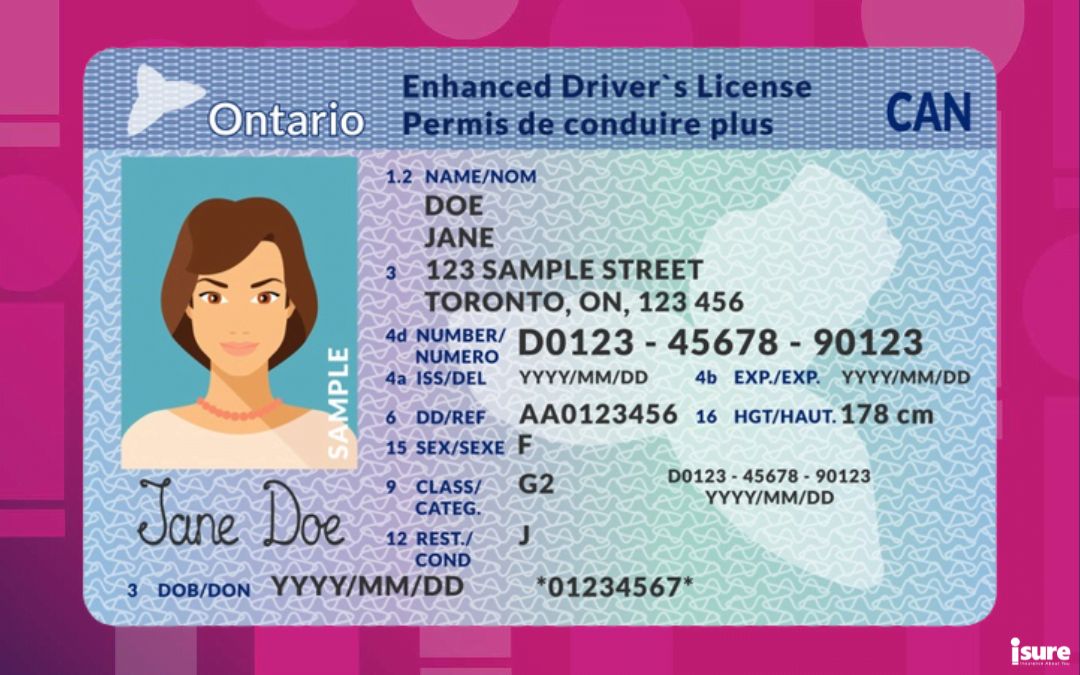
Purchasing car insurance in Ontario involves a series of deliberate steps, from initial research to ongoing policy management. First, you must decide on the coverage structure, starting with the mandatory trio and then selecting optional protections like Collision, Comprehensive, or Accident Forgiveness based on your vehicle's value and your financial comfort. You must also choose your deductible amounts for optional coverages, which is the out-of-pocket cost you pay when making a claim. Some policies offer a disappearing deductible that reduces by $100 each claim-free year until it reaches zero. Next, gather necessary information including driver's licence numbers, vehicle identification number (VIN), details about any drivers in the household, and your driving history. You then obtain quotes, which can be done online through insurer websites, via a licensed broker, or by phone, and you should compare the coverage details and not just the price. After selecting a provider, you finalize the policy by paying the first premium, either monthly or annually, and the policy becomes effective upon payment. You will receive policy documents, and you must keep your proof of insurance slip in your vehicle at all times. For management, most insurers offer online portals and mobile apps to view policies, make payments, go paperless, and update information.
- Determine required mandatory and desired optional coverage types.
- Select deductible amounts for Collision, Comprehensive, and other optional coverages.
- Gather personal, driver, and vehicle information (licence, VIN, driving history).
- Obtain and compare quotes from multiple insurers or brokers.
- Select a policy, review all terms, and pay the first premium.
- Receive policy documents and keep proof of insurance in your vehicle.
- Manage your policy through online services or mobile apps for payments and updates.
- Report any changes (address, vehicle, drivers) to your insurer promptly.
Average Costs, Data, and Regional Considerations
The cost of car insurance in Ontario exhibits significant variation, but published data from regulators and insurers provides key benchmarks. According to the Financial Services Regulatory Authority of Ontario (FSRA), the provincial regulator ensuring rates are fair, car insurance costs on average between $1,282 and $2,214 per year. More recent industry data indicates the average car insurance rate in Ontario is $2,653 annually, or $221 per month, which reflects a 4.5% decrease from the prior year. It is crucial to understand that these are provincial averages, and individual premiums are highly personalized. Premiums in major urban centres like Toronto, Mississauga, Ottawa, and Hamilton are typically higher due to population density, traffic congestion, higher claim frequencies, and greater vehicle theft risk. Conversely, drivers in more rural parts of Northern Ontario may see lower average premiums. The specific highway corridors you frequently use, such as the busy 401 or the winter-challenged 400, are also considered in risk assessment by some insurers. The advertised average savings from bundling home and auto policies, which is $1,172, indicates the potential magnitude of discounting in the market. All premium calculations are subject to the filing and approval process overseen by the FSRA.
Special Programs, Endorsements, and Policy Features
Ontario's auto insurance market includes several specialized programs and endorsements that cater to specific driver needs and behaviours. Usage-based insurance programs are prominent, with CAA MyPace designed for low-kilometre drivers under 12,000 km per year, charging based on distance driven. Telematics programs like CAA Connect and insurer apps collect driving habit data to calculate a personalized discount, rewarding behaviours like smooth braking and safe speeds. Accident Forgiveness endorsements protect your driving record after a first at-fault accident, with specific terms like one forgivable claim every six years. The disappearing deductible feature, offered by some insurers, reduces the deductible for Collision and Comprehensive coverage by $100 at each renewal for every consecutive claim-free year until it disappears, resetting to the original amount after a claim. Specialized coverage exists for antique and classic cars, acknowledging their unique value and usage patterns. Enhanced travel packages like Grand Touring provide rental car insurance, temporary rental car coverage, and towing when travelling within Canada and the U.S. For new drivers, while rates are typically higher, enrolment in usage-based telematics programs may provide a pathway to savings based on demonstrated safe habits. It is important to be aware of scams, as the FSRA and insurers like CAA have issued notices about fraudulent calls or texts claiming fines due to new insurance regulations.
Frequently asked questions
What is the minimum car insurance required in Ontario?
The minimum car insurance required by law in Ontario consists of three mandatory coverages. Third Party Liability Coverage protects you if you are found liable for injuring someone or damaging property. Accident Benefits Coverage provides medical and rehabilitation benefits if you are injured in an accident, regardless of fault. Uninsured Automobile Coverage covers you if you are in an accident caused by an uninsured driver. These three elements form the compulsory foundation, but drivers often add optional coverages like Collision and Comprehensive for greater protection.
How does no-fault insurance work in Ontario?
Ontario's no-fault auto insurance system means that after a car accident, each driver makes a claim for their own injuries and vehicle damage through their own insurance company, regardless of who caused the collision. This system is designed to provide quicker access to benefits without the need for lengthy legal proceedings to determine fault. You still report the accident to your insurer, who handles the claim directly. The system applies to Accident Benefits and direct compensation for vehicle damage, though the ability to sue for certain types of damages in serious cases remains under provincial law.
What factors affect my car insurance premium the most?
Several key factors significantly affect your car insurance premium in Ontario. Your driving record, including any at-fault accidents or traffic convictions, is a primary factor. The make, model, and year of your vehicle heavily influence the cost, as expensive or high-performance cars typically cost more to insure. Your location, specifically where you live and park the car in Ontario, impacts rates due to varying risks of theft and accidents. Your age and years of driving experience are also major considerations, with new and young drivers generally facing higher premiums. Finally, the types of coverage you select and your chosen deductible amounts directly determine your final premium cost.
Can I get car insurance if I drive very few kilometres?
Yes, if you drive fewer kilometres, you may qualify for usage-based insurance programs that can lower your premium. For example, CAA MyPace is a payment program specifically for people who drive fewer than 12,000 kilometres a year, allowing you to buy insurance for only the distance you need. Other usage-based programs, like CAA Connect or insurer apps, use telematics to track driving habits and can offer discounts based on safe driving behaviour and lower mileage. Providing an accurate estimate of your annual driving distance when obtaining quotes is important to ensure you are not overpaying for coverage you do not need.
What is accident forgiveness in car insurance?
Accident forgiveness is an optional endorsement that can be added to an auto insurance policy in Ontario. When this coverage is active, your car insurance rates will not increase after your first at-fault or partially-at-fault accident. Specific terms apply, such as a limit of one forgivable claim every six years with some providers. This protection helps safeguard the good driving record you have earned over the years. It is important to note that adding accident forgiveness may increase your premium slightly, but it can provide significant savings by preventing a surcharge after an accident at renewal time.
How can I save money on my Ontario car insurance?
There are several strategies to save money on car insurance in Ontario. Bundling your home and auto insurance with the same provider often yields significant savings, with an average discount of $1,172. Installing a professionally installed anti-theft device can qualify you for a discount. Inquiring about group discounts through your employer, alumni association, or professional organization may provide preferred rates. Enrolling in a usage-based insurance program that rewards safe driving can lead to savings of up to 25% or 30%. Choosing a higher deductible for optional coverages like Collision and Comprehensive will lower your premium, though it increases your out-of-pocket cost if you claim.
Sources and further reading
- Car Insurance Ontario, Get a Quote tdinsurance.com
- Ontario Car Insurance Quotes Online allstate.ca
- Auto Insurance, Get a Car Insurance Quote Today caasco.com
- Intact Insurance: Canada's Largest P&C Insurer | Car & Home ... intact.ca
- Car Insurance Ontario, Free Online Auto Insurance Quote rbcinsurance.com
This article explains how things work and is not financial, tax or legal advice. Rules, limits and rates change, so check the current figures with the Canada Revenue Agency, your province or your financial institution before you act.