Car insurance is a legal requirement for all drivers in Canada, with regulations and costs varying significantly by province. The national average annual premium was $1,973 as of the start of 2026, though rates have been rising due to factors like inflation, vehicle theft, and severe weather. Understanding the mandatory coverages, optional protections, and the factors that influence your premium is essential for Canadian drivers to secure appropriate financial protection. This guide explains the systems, coverages, and costs across the country.
The Legal Framework and Provincial Systems
Car insurance in Canada is governed provincially, leading to two distinct types of systems across the country. British Columbia, Saskatchewan, and Manitoba operate public auto insurance systems where a government-run entity provides the mandatory basic coverage. In these provinces, drivers purchase their core policy from the public insurer, though they may still add optional coverages from private companies. The remaining provinces and territories, including Ontario, Alberta, Quebec, and the Atlantic provinces, utilize a private insurance system. Here, drivers must purchase their mandatory coverage from a licensed private insurance company, broker, or agent. All systems are designed as no-fault or direct compensation property damage models, meaning you typically claim through your own insurer after an accident regardless of who is at fault. This structure aims to reduce litigation and streamline claims payments. The specific mandatory coverages and their minimum limits are set by each provincial government and form the baseline legal requirement for all drivers.
Mandatory and Optional Insurance Coverages
Every Canadian auto insurance policy contains a combination of mandatory coverages required by law and optional coverages you can add for greater protection. The core mandatory component across all provinces is third-party liability insurance, which covers costs if you injure someone else or damage their property. Most drivers opt for at least $1 million in liability coverage, with an increase to $2 million often available for a minimal additional premium. Accident benefits coverage, which pays for medical treatment, rehabilitation, and income replacement for you and your passengers, is also mandatory, though its scope varies. In Ontario, as of July 1, 2026, standard medical, rehabilitation, and attendant care benefits remain mandatory, but other benefits like income replacement and caregiver benefits become optional. Direct compensation property damage coverage, which pays for repairs to your own vehicle when another driver is at fault, is mandatory in provinces with private insurance systems. Uninsured automobile coverage, protecting you if hit by an uninsured or unidentified driver, is also a common mandatory inclusion.
Beyond the legal minimums, drivers frequently add optional physical damage coverages. Collision coverage pays for damage to your own vehicle from an impact with another object, regardless of fault. Comprehensive coverage protects against non-collision perils like fire, theft, vandalism, or falling objects. These are especially recommended if covering repair or replacement costs out-of-pocket would be a financial burden. Other common optional endorsements include loss of use coverage for rental car costs, increased accident benefits limits, and specific protections for belongings or custom parts. The availability and specifics of these optional coverages can differ between insurers and provinces.
Factors That Determine Your Insurance Premium
Insurance companies use a complex set of personal and vehicle-related factors to calculate your premium, with the general principle being that a higher perceived risk leads to a higher cost. Your age and driving experience are significant factors, with new and young drivers typically facing the highest rates due to statistical risk. As drivers gain experience, rates generally decrease, though elderly drivers may see increases again. Your driving record is critically important, as at-fault accidents, speeding tickets, and other convictions signal higher risk and lead to premium hikes. Where you live also heavily influences your rate, with premiums generally higher in urban centres due to increased traffic density, accident frequency, and higher rates of theft and vandalism.
The vehicle you drive directly impacts your premium based on its cost to repair, replace, and its theft frequency. Newer, expensive, or luxury vehicles typically cost more to insure. Your annual driving distance is also considered, as a longer commute or more kilometres driven increases the likelihood of a claim. Statistically, men often face higher premiums than women due to a higher likelihood of accidents. Many insurers now offer telematics programs, like my Drive or Drivewise, which use an app or device to monitor driving habits such as braking, speed, and time of day. These programs can offer discounts for safe driving, with some promising savings up to 30% without using the data to increase premiums.
Current Cost Trends and National Averages
Car insurance premiums in Canada have been rising significantly, with a year-over-year increase of 21.8% recorded as of the second quarter of 2026. The national average price for car insurance was calculated at $1,973 annually as of the start of 2026. This inflation is attributed to several broad market factors. General inflation increases the cost of goods and services, making vehicle repairs more expensive due to rising costs for parts, materials, and labour. As claims become more costly for insurers, these expenses are passed on to policyholders. Vehicle theft remains a major concern, with total claim losses under $1 billion in 2025 for the first time since 2021, following a peak of $1.5 billion in 2023.
Insurance fraud is estimated to cost the Canadian system between $3 and $5 billion each year, a cost ultimately borne by consumers through higher premiums. Furthermore, severe weather events linked to climate change are driving up claims. In 2025 alone, severe weather caused $2.4 billion in insured damages from floods, hail, and fallen trees. These frequent catastrophic losses contribute directly to rising insurance rates across the country. While these factors affect all provinces, the actual average premium varies greatly depending on the provincial system, local regulations, and regional risk profiles.
Common Ways to Reduce Your Insurance Costs
While some premium factors are fixed, there are several strategies Canadian drivers can use to potentially lower their insurance costs. The most effective method is to shop the market and compare quotes from multiple insurers, as prices can vary widely. Industry data shows that drivers who shopped for insurance through comparison services paid 30% less on average, and another source estimates average savings of 15-25%. Bundling your auto insurance with another policy, such as home or tenant insurance, is a widely promoted discount. Many companies also offer a multi-vehicle discount if you insure two or more vehicles from the same household.
Maintaining a clean driving record is one of the most powerful ways to keep premiums low over time, as accidents and tickets lead to direct surcharges. Some insurers offer a claims forgiveness endorsement that prevents your first at-fault claim from increasing your premium at renewal. Increasing your deductible, the amount you pay out-of-pocket on a claim, can lower your premium, though this increases your financial risk. For older vehicles with low market value, removing optional collision and comprehensive coverage can be a cost-saving measure, as repair costs may exceed the car's worth. Many insurers offer group discounts through alumni associations, professional organizations, or employers, with some listing over 750 eligible groups. Other common discounts include a rate reduction for hybrid or electric vehicles, savings for students listed as occasional drivers, and a discount for buying your policy online.
Steps to Acquire and Manage Your Policy
Obtaining car insurance in Canada involves a series of straightforward steps, beginning with gathering the necessary information. You will need details about all drivers in your household, including their dates of birth, driver's licence numbers, and driving histories. Information about the vehicle itself is also required, such as the make, model, year, vehicle identification number, and primary use. You must decide on the coverage limits and deductibles you want, balancing legal minimums with your personal financial protection needs. With this information ready, you can begin getting quotes, which can be done online through insurer or broker websites, over the phone with an agent, or in person at a broker's office.
It is advisable to obtain at least three quotes to compare coverage and price effectively. Once you select a provider, you will complete an application, agree to the terms, and make your initial payment to bind the coverage. Upon purchase, you will receive a pink card, or proof of insurance, which you must carry in your vehicle at all times as required by law. Managing your policy is increasingly done through online client centres or mobile apps, where you can view documents, submit or track claims, update information, and make payments. When your policy is up for renewal, typically every 6 or 12 months, you will receive a renewal notice outlining any changes to your premium or coverage, providing another opportunity to shop around if desired.
Provincial Overview of Auto Insurance Systems
The following table outlines the key characteristics of auto insurance systems across Canada, highlighting whether each province uses a public or private model and noting significant regulatory details. This overview demonstrates the diversity of approaches, from fully public systems to fully private markets, with Quebec operating a unique mixed model. Understanding your province's system is the first step to knowing your coverage requirements and shopping effectively for a policy. The table provides a clear comparison to help drivers handle the different frameworks in place from coast to coast.
| Province/Territory | System Type | Key Notes |
|---|---|---|
| British Columbia | Public | Basic coverage from ICBC. Optional from private insurers. |
| Alberta | Private | Fully private market with government-mandated minimums. |
| Saskatchewan | Public | Basic coverage from SGI. Optional from private insurers. |
| Manitoba | Public | Basic coverage from MPI. Optional from private insurers. |
| Ontario | Private | No-fault system. Major changes to accident benefits optionality effective July 1, 2026. |
| Quebec | Mixed | Public bodily injury coverage (SAAQ). Private property damage. |
| New Brunswick | Private | Private market with government-mandated minimums. |
| Nova Scotia | Private | Private market with government-mandated minimums. |
| Prince Edward Island | Private | Private market with government-mandated minimums. |
| Newfoundland and Labrador | Private | Private market with government-mandated minimums. |
Filing a Claim and Understanding Your Protections
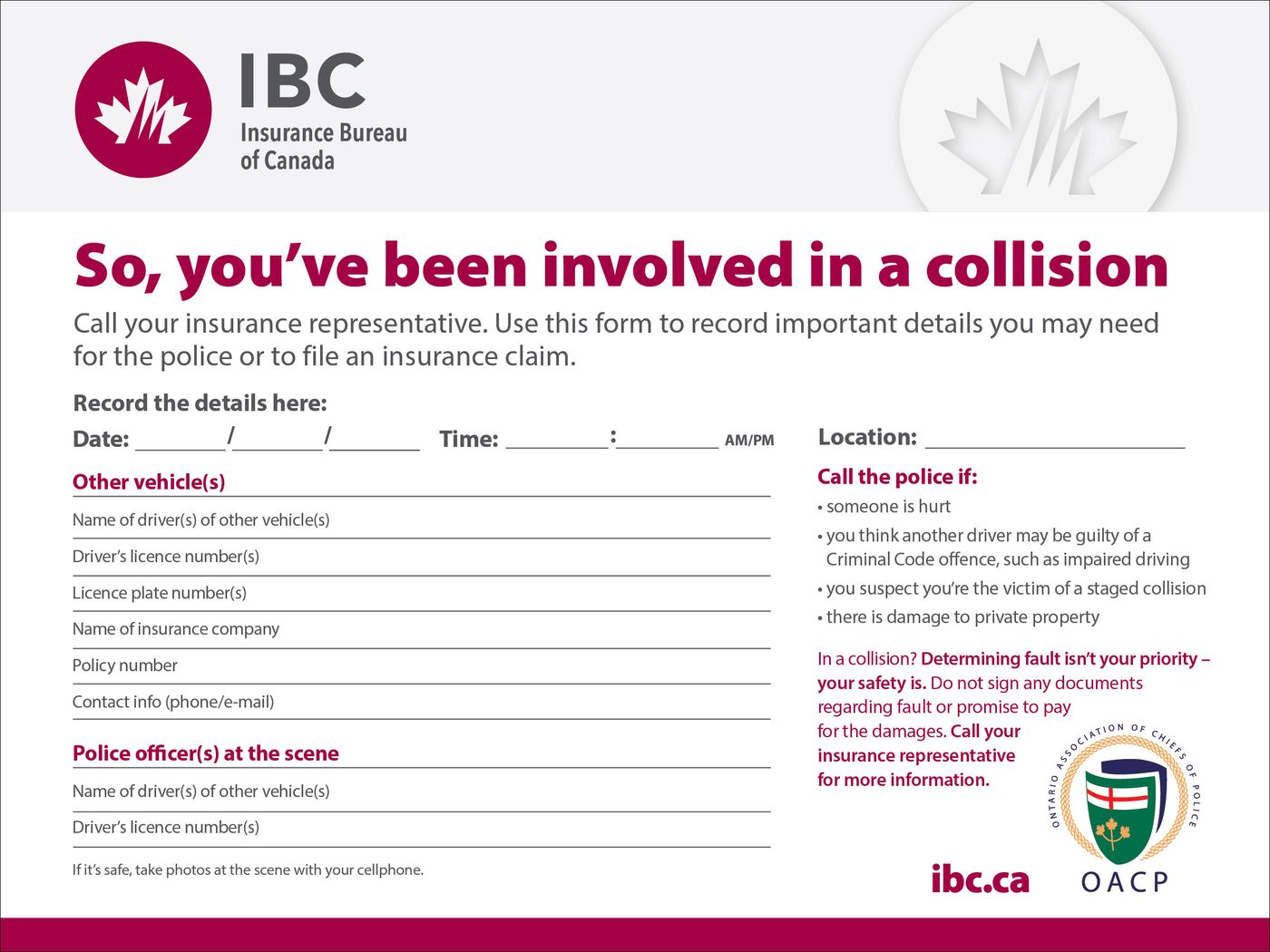
In the event of an accident or loss, understanding the claims process is crucial. In Canada's no-fault systems, you typically file a claim with your own insurance company regardless of who caused the incident. You should report the claim to your insurer as soon as possible, which can often be done through a mobile app, online portal, or a 24/7 claims phone line. Be prepared to provide details such as the date, time, and location of the incident, a description of what happened, and the contact and insurance information of any other parties involved. It is also helpful to take photos of the damage and the scene if it is safe to do so. Your insurer will assign a claims adjuster to investigate the incident, assess the damage, and determine coverage based on your policy terms.
Your policy provides specific financial protections. Liability coverage protects your assets if you are found legally responsible for injuring someone or damaging their property. Accident benefits cover your own and your passengers' medical and rehabilitation costs, and may include income replacement. If you have collision or comprehensive coverage, your insurer will arrange for repairs to your vehicle, minus your deductible, or will pay you the actual cash value if it is a total loss. Many policies include loss of use coverage, which pays for a rental car while yours is being repaired. It is important to know that making a claim, particularly an at-fault claim, can affect your premium at renewal and your eligibility for certain discounts or forgiveness programs. Consumers are protected by provincial regulatory authorities, such as the Financial Services Regulatory Authority of Ontario, which oversees that insurance rates are fair and reasonable.
Frequently asked questions
Is car insurance mandatory in Canada?
Yes, car insurance is a legal requirement for all drivers in every province and territory. If you own and drive a car in Canada, you know auto insurance is a legal requirement. The minimum required coverage varies by province, as insurance is governed provincially. Some provinces operate public systems while others use private insurers. Regardless of the system, drivers must carry the core coverages mandated by their provincial law to be financially protected after a collision.
What is the average cost of car insurance in Canada?
The national average price for car insurance in Canada is $1,973 annually as of the start of 2026. This figure was calculated by Ratehub. However, premiums vary significantly across the country because provinces control pricing. Some factors influencing cost include general inflation, which has increased claim costs for repairs due to higher prices for cars, materials, and labour. As of the second quarter of 2026, auto insurance rates were up 21.8 percent year over year according to the Applied Rating Index.
What are the main types of car insurance coverage?
The main types of coverage are mandatory third party liability, accident benefits, direct compensation property damage, and uninsured automobile coverage. Most drivers opt for at least one million dollars in liability insurance. Beyond mandatory coverages, drivers can customize their policy with options like collision and comprehensive insurance, which are recommended if paying for repairs out of pocket would be a financial burden. The specific requirements and available options differ from province to province.
How can I lower my car insurance premium?
You can lower your premium by shopping around and comparing quotes from multiple companies. Last year, drivers who shopped for insurance through Rates.ca paid 30 percent less on average. Other common methods include bundling home and auto policies, which can save an average of $1,172, and installing a telematics app to monitor safe driving habits for potential discounts. Insuring multiple vehicles from the same household and removing optional physical damage coverage on older cars can also reduce costs.
What is changing with Ontario car insurance in 2026?
Effective July 1, 2026, several accident benefits that were previously mandatory in Ontario will become optional. Standard medical, rehabilitation, and attendant care benefits will remain mandatory. Examples of coverages becoming optional include income replacement, non earner benefits, caregiver benefits, and funeral costs. This change allows Ontario drivers to choose the accident benefits that are right for them when purchasing or renewing a policy.
What factors affect my car insurance rate the most?
Key factors include your driving record, your location, your age and driving experience, and the type of vehicle you drive. Insurance companies consider these personal factors to assess risk. Generally, the more risk you present, the higher your premium. For instance, living in a busy, traffic congested area or an area with high crime rates leads to higher premiums. Newer vehicles that are costly to repair or are highly stolen also result in more expensive coverage.
Sources and further reading
- Intact Insurance: Canada's Largest P&C Insurer | Car & Home ... intact.ca
- Compare car insurance quotes online & start saving today ratehub.ca
- Insurance Bureau of Canada, Association Representing ... ibc.ca
- Ontario Car Insurance Quotes Online allstate.ca
- Car Insurance: Get an Online Insurance quote tdinsurance.com
This article explains how things work and is not financial, tax or legal advice. Rules, limits and rates change, so check the current figures with the Canada Revenue Agency, your province or your financial institution before you act.