A Business Number (BN) is a unique nine-digit identifier issued by the Canada Revenue Agency to a registered business or legal entity in Canada. It serves as the standard identifier for your business when dealing with the CRA and other government programs. You need a BN if you are an incorporated business, a sole proprietor, or in a partnership that requires CRA program accounts like GST/HST or payroll. Understanding your BN is crucial for tax compliance, hiring employees, and managing government interactions for your Canadian enterprise.
What a Business Number Is and Who Needs One
A Business Number is a nine-digit number assigned by the Canada Revenue Agency that uniquely identifies your business within the federal system. This number acts as your company's digital identifier for all interactions with the CRA. The BN itself is a standalone identifier, but it becomes the foundation for various CRA program accounts that are appended to it. You will need to obtain a Business Number if your business is incorporated under the Canada Business Corporations Act or provincial legislation. Sole proprietors and partnerships also require a BN if they need to open any CRA program accounts, such as for collecting GST/HST or remitting payroll deductions for employees.
Even if you are not required to register for GST/HST because your business earns less than the $30,000 small supplier threshold, you may still need a BN for other purposes. For instance, if you decide to hire an employee, you must register for a payroll deductions account, which will generate a BN if you do not already have one. Organizations like registered charities or not-for-profits also receive a BN when they incorporate or require a CRA program account. The BN is also used for interactions with other federal, provincial, and municipal government bodies beyond the CRA.
Understanding CRA Program Accounts and the BN Format
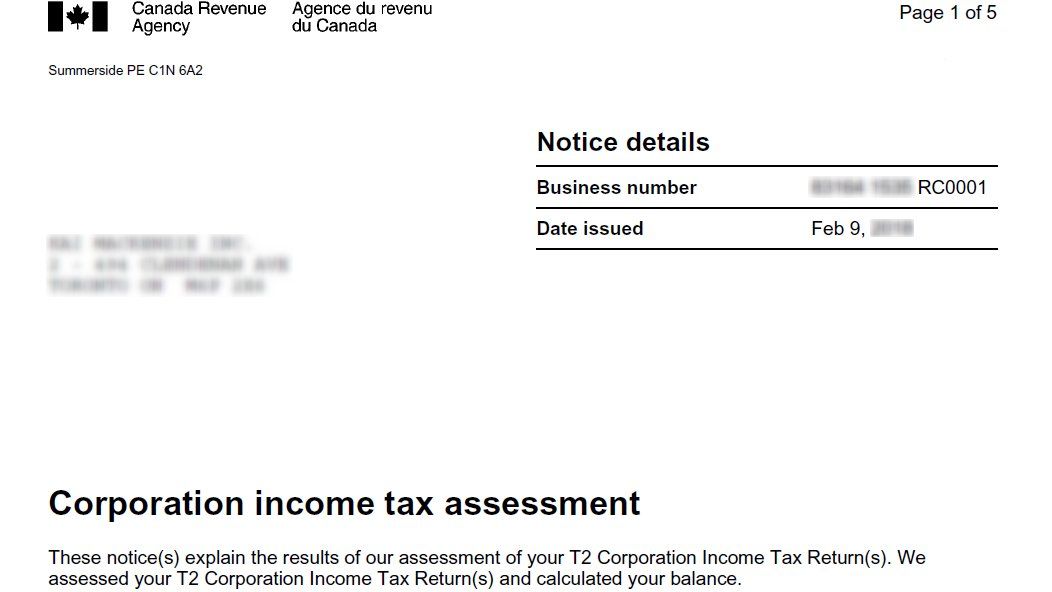
Your core nine-digit Business Number remains constant, but specific CRA program accounts are linked to it using a two-letter program identifier and a four-digit reference number. The program identifier codes designate the type of tax or program account. For example, the code RT is used for the GST/HST program, RP is for payroll deductions, RC is for corporate income tax, and RM is for import and export accounts. The four-digit reference number allows a business to have multiple accounts of the same type, such as separate payroll accounts for different groups of employees.
A common point of confusion is the relationship between a Business Number and a GST/HST number. They are not the same thing, but are directly connected. Your GST/HST number is your Business Number plus the RT program identifier and its reference number. Therefore, a GST/HST number always contains your BN within it. If your business surpasses the $30,000 small supplier threshold and must register for GST/HST, you will receive a program account number like 123456789RT0001. Your business will only ever have one Business Number, but it can have multiple program accounts attached to it for different functions.
How to Register for a Business Number
The primary and fastest method to register for a Business Number is online through the CRA's Business Registration Online (BRO) service. This process is designed for businesses that are residents of Canada, meaning they have a physical address within the country. The online form guides you through providing necessary information and selecting the program accounts you need. Registering online simultaneously obtains your BN and opens any selected program accounts. Alternatively, you will receive a BN automatically if you incorporate your business in certain provinces or if you register for any CRA program account through other means.
For non-resident businesses with a physical address outside Canada, the process is more complex. They must use the CRA's Non-Resident Business Number and Account Registration page. Non-resident importers conducting business in Canada are generally required to register with the CRA to collect and remit applicable taxes like GST/HST. After obtaining a BN, non-resident importers from countries like the United States and Mexico may need to complete Form BSF900, an agreement to maintain records outside Canada, accompanied by supporting documents.
Steps for Resident Businesses to Register Online
Begin by visiting the Government of Canada's Business Registration page. You will need to provide accurate information about your business, including its legal name, address, and type of business structure. The system will prompt you to select which CRA program accounts you wish to open at the time of registration. Common selections include GST/HST, payroll deductions, and corporate income tax for incorporated businesses. Completing the registration online provides you with your BN and account numbers immediately in most cases.
After registration, you may need to complete additional steps depending on your business activities. For example, if you are an importer, you must register with the CBSA's CARM (Assessment and Revenue Management) portal, which is mandatory for all importers. You will also need to enrol in an Import RM program account. If you plan to export goods, enrolling in an Export RM account is optional but required for that activity. It is important to note that starting in April 2025, a security requirement in the form of a cash bond or written security agreement becomes mandatory for importers.
- Visit the CRA Business Registration Online (BRO) page.
- Provide your business's legal name, address, and structure.
- Select the CRA program accounts you need (GST/HST, payroll, etc.).
- Submit the registration to receive your BN and account numbers.
- Complete any additional mandatory registrations, such as CARM for importers.
- Enrol in specific program accounts like Import RM for bringing goods into Canada.
Managing and Finding Your Existing Business Number
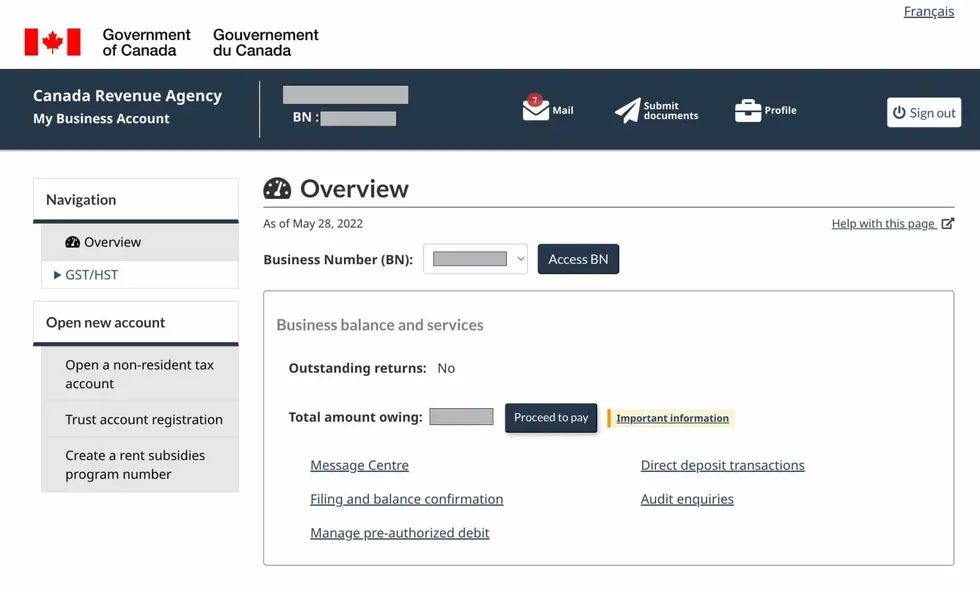
If you have already registered but cannot locate your Business Number, there are several ways to find it. You should first check your own business records, such as incorporation documents, past tax filings, or correspondence from the CRA. You can also sign in to your CRA My Business Account online. If your Social Insurance Number is linked to your BN, you will see your business information there. Another method is to check online business registries maintained by your province or territory, as incorporation often generates a BN. Finally, you can contact the CRA directly to request your BN, though you will need to verify your identity and provide details about your business.
Managing changes to your business is another important consideration. If you change the legal ownership or structure of your business, you may be required to register for a new Business Number. For example, if a sole proprietorship incorporates, it will need a new BN for the corporation. You must inform the CRA of such changes to ensure your accounts are correctly maintained. Information on how to report changes is available under the CRA's guidance for changes to your business and program accounts.

Common Scenarios and Requirements for a BN
The requirement for a Business Number depends heavily on your business activities and structure. Incorporated businesses in Canada must have a BN for corporate income tax purposes. Sole proprietors and partnerships need a BN if they have employees and must open a payroll deductions account, or if their annual taxable supplies exceed $30,000, requiring GST/HST registration. Even businesses below the GST/HST threshold may choose to register voluntarily, which would give them a BN with an RT program account. Charities and not-for-profit organizations receive a BN upon incorporation or when they need a CRA program account.
For businesses involved in trade, an Import/Export (RM) program account is necessary. All importers are required to have an active RM account to import goods into Canada. Exporting goods outside Canada also requires an RM account, though it is optional if you only import. The process for trade involves additional steps like CARM registration and, starting in April 2025, posting security. Non-resident importers have specific obligations, including potential registration for GST/HST and submitting Form BSF900 for record-keeping agreements.
Key Differences Between Business Structures and BN Use
The use of a Business Number and its associated program accounts varies between common business structures. A sole proprietorship operating under the owner's personal name may only require a BN if it needs a GST/HST or payroll account. In this case, the BN is tied to the proprietor's individual tax profile. A partnership, which is a relationship between persons carrying on business in common with a view to profit, will get a single BN for the partnership entity when it registers for its first program account. An incorporated business, being a separate legal entity, must have a BN for its corporate income tax account and typically for payroll if it has employees.
| Business Structure | BN Required For Incorporation | Common Program Accounts |
|---|---|---|
| Sole Proprietorship | No | GST/HST (RT), Payroll (RP) |
| Partnership | No | GST/HST (RT), Payroll (RP) |
| Corporation | Yes | Corporate Tax (RC), Payroll (RP), GST/HST (RT) |
| Charity/Not-for-Profit | Upon registration | As required for specific activities |
All businesses, regardless of structure, use the same nine-digit BN format. The difference lies in which program accounts are attached. A corporation will always have an RC account, while a sole proprietor never will. The BN system provides a consistent identifier across all entity types, simplifying government administration and business reporting.
Frequently asked questions
Is a GST number the same as a Business Number?
No, a GST number is not the same as a Business Number, but it contains it. A Business Number is the core nine-digit identifier. A GST/HST number is your Business Number plus the two-letter program code RT and a four-digit reference number. For example, if your BN is 123456789, your GST/HST number would be 123456789RT0001. You have one BN, but it can have multiple program accounts like GST and payroll attached.
Do I need a Business Number if I am a sole proprietor?
As a sole proprietor, you are not automatically required to have a Business Number. However, you will need to register for one if you require any CRA program accounts. This occurs if you hire an employee and need a payroll deductions account, or if your annual taxable supplies exceed $30,000 and you must register for GST/HST. Registering for either of these accounts will generate a Business Number for your sole proprietorship.
How do I find my existing Business Number?
You can find your existing Business Number by checking your own business records, such as past tax documents or CRA correspondence. You can also sign in to your CRA My Business Account online if your SIN is linked to your BN. Checking online provincial business registries is another method, as incorporation often triggers BN registration. If these methods fail, you can contact the CRA directly, but be prepared to verify your identity and provide business details.
What is the small supplier threshold for GST/HST?
If you operate a small company that sells less than $30,000 in goods or services each year, you are not required to register for a GST/HST number. This is known as the small supplier threshold. You would still have your unique business number, but it would not have the added GST/HST identifier. A business that surpasses the $30,000 small supplier threshold must begin collecting and remitting GST/HST.
Can a business have more than one Business Number?
A single legal entity or business will only ever have one Business Number. However, if you change the legal ownership or structure of your business, you may be required to register for a new BN. For example, if a sole proprietorship incorporates, the new corporation gets a new BN. The original BN for the sole proprietorship would remain for any ongoing activities under that structure. Your BN can have multiple program accounts attached to it, but the nine-digit core number is unique and constant for that entity.
What is the process for a non-resident to get a Business Number?
A non-resident business must use the CRA's Non-Resident Business Number and Account Registration page. The process is more involved than for residents. Non-resident importers are generally required to register to collect and remit taxes like GST/HST. After obtaining a BN, importers from countries like the US and Mexico may need to submit Form BSF900, an agreement to maintain records outside Canada, with supporting documents. They must also complete steps like CARM registration and enrol in an Import RM account.
Sources and further reading
- What Is a CRA Business Number (BN) and Who Needs One? turbotax.intuit.ca
- How to Obtain a Canadian Business Number ghy.com
- Submitting Your Business Number otf.ca
This article explains how things work and is not financial, tax or legal advice. Rules, limits and rates change, so check the current figures with the Canada Revenue Agency, your province or your financial institution before you act.