In Canada, the best rewards credit card is not a single product but depends on a cardholder's spending habits and redemption preferences. Rewards credit cards earn points, cash back, or miles on purchases, which can be redeemed for travel, statement credits, or merchandise. Choosing the right card involves analyzing your spending categories, comparing annual fees against potential rewards value, and understanding redemption flexibility. For many Canadians, this decision is key to maximizing the value received from everyday expenditures.
How Rewards Credit Cards Work in Canada
Rewards credit cards in Canada allow cardholders to earn value on eligible purchases. This value is typically issued as cash back, which is a percentage of spending returned as a statement credit or deposit, or as points that can be redeemed for various rewards. The earn rate, or the amount earned per dollar spent, varies significantly between cards and across spending categories. For example, some cards offer a flat rate on all purchases, while others provide accelerated rates in specific categories like groceries or gas. The value of points is not fixed and must be calculated based on specific redemption options. For instance, if 100,000 points can be redeemed for $500 in travel, each point is worth $0.005. Redemption methods include applying rewards as a statement credit, booking travel through a bank's portal, transferring points to airline or hotel partners, or exchanging for gift cards.
Cardholders must also consider the card's annual fee, which can range from $0 to over $250. Premium cards with higher fees often offer higher earn rates, more valuable welcome bonuses, and enhanced benefits like travel insurance or lounge access. To justify an annual fee, the total value of rewards and benefits earned should exceed the cost of the fee. Many cards offer a first-year annual fee rebate as a promotional incentive. It is critical to pay the card balance in full each month, as interest charges, which typically range from 19.99% to 22.99% on purchases, can quickly negate any rewards earned. Managing multiple cards to maximize earnings across different spending categories, a strategy known as stacking, is common among experienced users but requires careful financial management.

Types of Rewards Programs and Their Features
Canadian rewards credit cards primarily offer three types of programs: cash back, flexible points, and co-branded travel points. Cash back cards are straightforward, paying a percentage of spending back to the cardholder. These come in two main designs. Flat-rate cards pay the same percentage on every purchase, which makes them easy to use but caps the upside. Category-based cards pay higher rates on specific spending, often groceries, gas, recurring bills, or restaurants, and a lower base rate on everything else. For example, the BMO eclipse Visa Infinite card offers 5x points on gas and groceries, which can function like a high cash-back rate in those categories. Flexible points programs, such as American Express Membership Rewards or RBC Avion, allow points to be redeemed in multiple ways, including for travel, statement credits, or transfers to airline and hotel partners. This flexibility often provides higher potential value but requires more active management. For instance, American Express Membership Rewards points can be transferred 1:1 to Aeroplan or Marriott Bonvoy. Co-branded travel cards, like those linked directly to Aeroplan or Scene+, earn points within a specific loyalty program. These can offer strong value for dedicated users of that program but are generally less flexible. The Scotiabank Gold American Express card earns Scene+ points, which can be used for travel, groceries, dining, and entertainment at a fixed value. When evaluating programs, key features to compare include:
- Earn Rates: Such as 5x points on groceries and dining with the American Express Cobalt Card.
- Transfer Partners: Like Aeroplan and Marriott Bonvoy for American Express Membership Rewards.
- Redemption Options: Including travel, statement credits, groceries, and entertainment for Scene+ points.
- Annual Fees: Ranging from $0 for some cash back cards to $250 for premium travel cards.
- Welcome Bonuses: Offers like up to 50,000 Aeroplan points or up to 35,000 Scene+ points.
- Insurance Coverage: Such as travel medical, rental car, and mobile device protection.
Evaluating Card Value and Key Features
Determining the best card requires a personalized evaluation of several factors beyond the advertised earn rate. First, map your regular spending over several months to identify your highest spending categories. If spending is concentrated, a category-based card may be optimal. If spending is spread out, a flat-rate card might be better. Second, perform the annual fee math by calculating whether your expected rewards will exceed the fee and outperform a no-fee alternative. Third, be aware of category caps, as many cards limit the amount of spending that earns the accelerated rate each year. For example, the American Express Cobalt Card's 5x food earn rate has a monthly spending cap. Other crucial features include foreign transaction fees, which are typically 2.5% on purchases in foreign currencies. Cards like the Scotiabank Passport Visa Infinite offer no foreign transaction fees, which can be valuable for travellers or online shoppers. Redemption flexibility is also important. Some cards only allow annual redemptions as a statement credit, while others permit anytime redemptions to a linked bank account. Insurance coverage, such as travel medical or mobile device protection, adds value but should be weighed against the card's cost. Welcome bonuses, which can be worth hundreds of dollars, are a significant initial factor but should not overshadow the card's long-term earning structure. A systematic approach to comparison involves these steps:
- Analyze your past three months of credit card statements to identify top spending categories.
- Calculate if the annual fee is justified by projecting your rewards minus the fee.
- Check for monthly or annual caps on high-earning categories that could limit rewards.
- Consider your need for features like no foreign transaction fees or lounge access.
- Compare the flexibility and value of redemption options across different card programs.
- Review the welcome bonus terms and ensure you can meet the spending requirements.
- Confirm you meet the income and credit score eligibility requirements before applying.
Comparing Premium Cash Back and Travel Cards
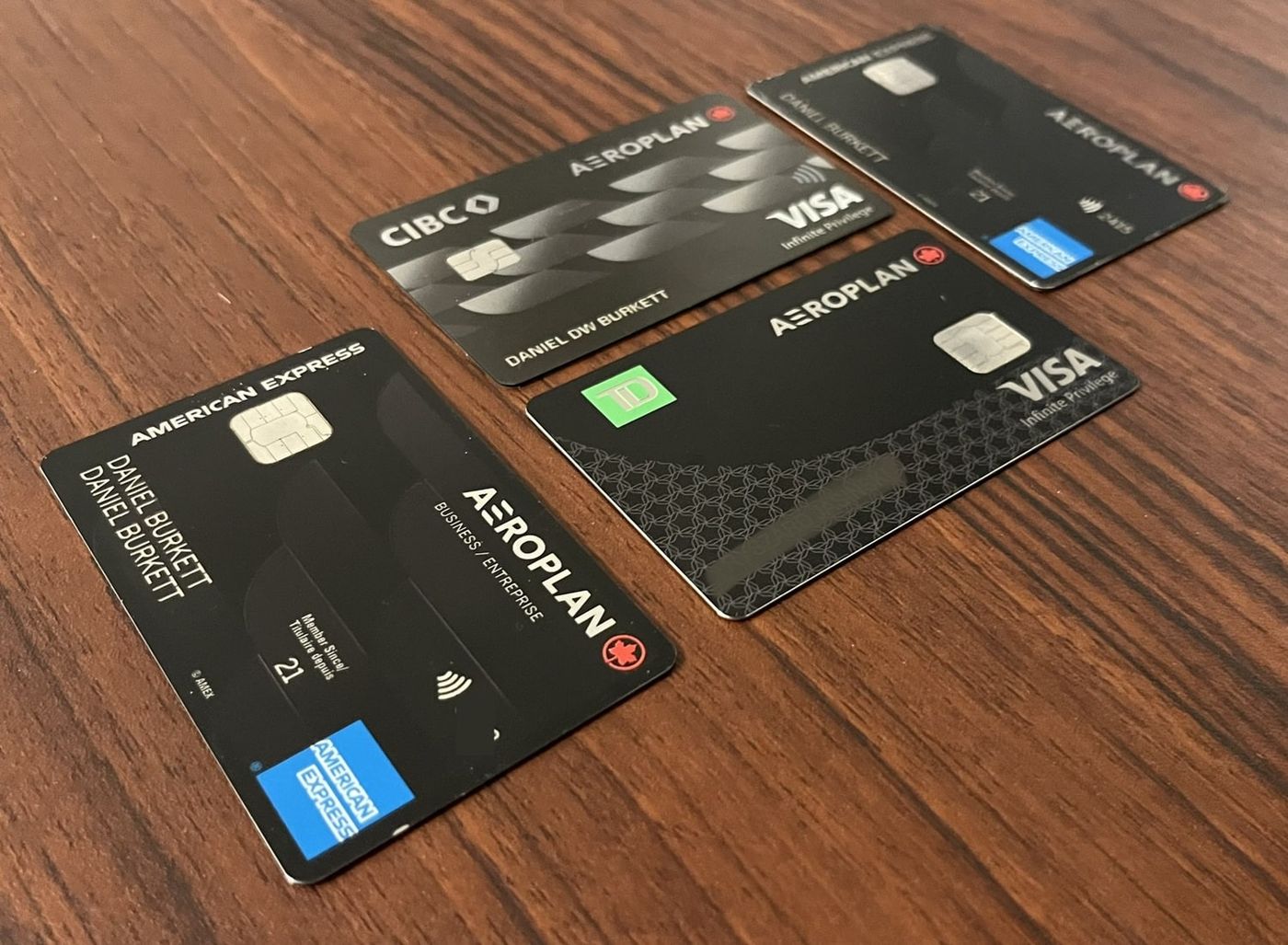
Premium cash back cards charge an annual fee in exchange for higher earn rates and additional perks. The following table outlines features of several notable cards as of 2026, illustrating the trade-offs between flat-rate and category-based designs. It is important to note that information is verified as of October 2026 and specific offers may change. Beyond cash back, travel-focused cards often provide value through points transfers and travel perks. For instance, the TD First Class Travel Visa Infinite earns 8 points per dollar on travel booked through Expedia for TD, and points can be redeemed for travel. The Scotiabank Passport Visa Infinite includes six airport lounge visits per year and no foreign transaction fees, making it suited for international travel. The American Express Cobalt Card is considered a points-earning machine due to its high earn rates on everyday categories and the ability to transfer points to airline partners, offering a potential rate of return of 5% or higher.
| Card Name | Key Earn Rates | Notable Features |
|---|---|---|
| American Express Cobalt | 5x points on eats/drinks, 3x on streaming/rideshares | Flexible Membership Rewards points, transfer to Aeroplan, robust travel insurance |
| Scotiabank Gold Amex | 6x Scene+ points at Sobeys/Freshco, 5x on other groceries/dining | No foreign transaction fees, Scene+ points for travel/groceries |
| BMO eclipse Visa Infinite | 5x points on gas & groceries | Up to $1,200 in first year value welcome offer |
| Wealthsimple Visa Infinite+ | 2% cash back on all purchases | No foreign transaction fees, no categories or caps |
| Scotiabank Passport Visa Infinite | 3x Scene+ points on everyday purchases | Six complimentary airport lounge visits, no foreign transaction fees |
| TD First Class Travel Visa Infinite | 8 TD Rewards points per $1 on Expedia for TD travel | Up to $1,550 welcome value, annual fee rebate first year |
Eligibility and Application Considerations
Most premium rewards credit cards in Canada have specific eligibility requirements. A common personal annual income requirement is $60,000, though some cards reference a $100,000 household income threshold. Applicants generally need a good credit score, typically around 700 or higher. For those with lower credit scores, securing a premium rewards card is challenging. A secured credit card may be a necessary first step to build credit, though such cards usually offer limited rewards. The application process involves providing proof of income, such as recent pay stubs or a Notice of Assessment, and consenting to a credit check, which can temporarily affect your credit score. It is important to review all terms and conditions before applying, as details like interest rates, fee structures, and reward program rules can vary. Some promotional offers, such as first-year annual fee rebates or enhanced welcome bonuses, may not be available to residents of Quebec due to provincial regulations. Cardholders should also be aware of the card's acceptance network. American Express cards are not as widely accepted as Visa or Mastercard at some Canadian merchants. If planning to use multiple cards, ensure you can manage the payments and track the different reward programs effectively to avoid carrying balances and incurring interest. Key eligibility criteria across major cards include:
- Income: $60,000 personal income for cards like the American Express Cobalt and Scotiabank Gold Amex.
- Credit Score: A good credit score, typically around 700 or higher.
- Provincial Restrictions: Some welcome offers are not available for residents of Quebec.
- Additional Card Fees: Ranging from $0 for the first additional card on some plans to $75 per additional card.
- Interest Rates: Purchase rates often at 21.99%, with cash advance rates at 22.99% (21.99% in Quebec).
Common Mistakes to Avoid
Several common errors can diminish the value gained from a rewards credit card. Carrying a balance is the most significant mistake, as interest charges at rates of 20% or more will almost always exceed any cash back or points earned. Focusing solely on a high earn rate in one category while ignoring a low base rate on all other spending can also be suboptimal if your spending is diversified. Overlooking annual fees without doing the math to ensure your rewards outweigh the cost is another pitfall. A card with a $139 fee must generate enough extra rewards to cover that fee compared to a no-fee card. Failing to track category caps means you might not realize when your earn rate drops after hitting a spending limit. Neglecting to use included benefits, such as travel insurance or lounge passes, means leaving value on the table. Applying for multiple cards rapidly can harm your credit score due to several hard inquiries. Finally, not understanding the redemption process for points-based cards can lead to poor value. For example, redeeming points for merchandise often provides a lower value per point than transferring to travel partners or using for statement credits. To avoid these mistakes, cardholders should:
- Always pay the statement balance in full by the due date to avoid interest charges.
- Calculate the effective reward rate after the annual fee is subtracted.
- Monitor spending to stay aware of monthly or annual category caps on high-earning rates.
- Activate and understand how to use included insurance and travel benefits.
- Space out credit card applications to minimize the impact of hard credit inquiries.
- Learn the optimal redemption paths for points programs to maximize value per point.
- Consider foreign transaction fees if you frequently shop in other currencies.
Maximizing Rewards with Multiple Cards
Many Canadians use more than one rewards credit card to optimize earnings across different spending categories, a practice known as stacking. This strategy involves using a specific card for purchases where it earns the highest return. For example, you might use the American Express Cobalt Card for its 5x points on groceries and dining, and a card like the Wealthsimple Visa Infinite+ for its 2% flat-rate cash back on all other purchases. This approach can significantly increase the overall rewards earned from your total spending. The BMO WE cash back card offers 5% cash back, and the Scotia AMEX Gold offers 6% at Freshco/Sobeys, illustrating how category-specific cards can be combined. Effective stacking requires organization and discipline. You must track which card to use for which type of purchase and ensure all balances are paid in full each month to avoid interest. It is also important to consider the combined cost of annual fees across all cards and ensure the total rewards value exceeds these costs. This strategy is best suited for individuals who are comfortable managing multiple accounts and are diligent with their finances. For those seeking simplicity, a single well-chosen card that aligns with broad spending patterns may be a more suitable option. When stacking cards, common pairing strategies include using one card for groceries and dining, another for gas and transit, and a third flat-rate card for all other miscellaneous purchases.
Frequently asked questions
What is the best rewards credit card in Canada?
There is no single best card for all Canadians. The optimal choice depends entirely on your spending patterns and how you wish to redeem rewards. Cards like the American Express Cobalt are highly regarded for earning on groceries and dining and for flexible point transfers, while flat-rate cash back cards like the Wealthsimple Visa Infinite+ offer simplicity. You must compare cards based on your own spending categories, tolerance for annual fees, and desired redemption options.
Are rewards credit cards worth the annual fee?
A rewards credit card is worth its annual fee if the total value of rewards earned, plus any benefits used, exceeds the cost of the fee. This calculation includes points from everyday spending, welcome bonuses, and perks like travel insurance. Many premium cards offer a first-year annual fee rebate, allowing you to test the card. If you do not spend enough to earn meaningful rewards or prefer simpler redemptions, a no annual fee card may be a better financial fit.
Can I get a rewards card with bad credit?
It is challenging to qualify for a premium rewards credit card with bad credit, as most require a good credit score, typically around 700 or higher. If your score is lower, starting with a secured credit card can help you build credit over time. While some secured cards may offer limited rewards, they are generally less competitive than traditional rewards cards. As your credit improves through responsible use, you will gain access to cards with higher earn rates and more benefits.
How do I calculate the value of reward points?
To estimate the value of points, divide the dollar value of a reward by the number of points required. For example, if 100,000 points can be redeemed for $500 in travel, each point is worth $0.005. To find your return on spending, multiply this point value by the number of points you earn per dollar spent. If a card earns 8 points per $1 on travel, that's $0.04 per dollar spent, or a 4% return. Cash back value is simpler, as it is a direct percentage of your spending.
What is the difference between cash back and points?
Cash back is a straightforward percentage of your spending returned as money, often via a statement credit or deposit. Points are a currency earned on spending that must be redeemed for rewards like travel, gift cards, or merchandise. Points programs can offer higher potential value, especially when transferred to travel partners, but require more management and understanding of redemption values. Cash back is generally simpler with no conversion calculations or expiry dates to track.
Should I use more than one rewards credit card?
Using multiple rewards cards, or stacking, can maximize earnings by using the card with the best earn rate for each purchase category. This strategy can significantly increase the overall value you earn from spending. However, it requires careful management to avoid carrying balances and incurring interest, which would erase any rewards benefit. You must also ensure the combined annual fees are justified by the extra rewards earned. For many, a single well-chosen card aligned with their spending is a simpler and effective approach.
Sources and further reading
- Best rewards credit cards in Canada for 2026 ratehub.ca
- Some of the best cash back credit cards in Canada 2026 wealthsimple.com
- Rewards Canada: Best Canadian Credit Card Rewards ... rewardscanada.ca
- Best Rewards Credit Cards in Canada for 2026 nerdwallet.com
- Best TD Credit Cards in Canada | TD Canada Trust td.com
This article explains how things work and is not financial, tax or legal advice. Rules, limits and rates change, so check the current figures with the Canada Revenue Agency, your province or your financial institution before you act.