The best line of credit interest rates in Canada are variable and typically start at a lender's prime rate, which was 4.450% for RBC as of 2026, plus an adjustment factor. Secured lines of credit, such as Home Equity Lines of Credit (HELOCs), generally offer the lowest rates, sometimes starting close to prime, while unsecured personal lines often have higher starting rates. These rates matter to Canadians because they provide a flexible, lower-cost borrowing alternative to credit cards for managing expenses, consolidating debt, or funding education. Understanding how rates are set and the factors that influence them is key to accessing the most favourable terms available.
How Line of Credit Interest Rates Are Set
Interest rates for lines of credit in Canada are predominantly variable and are calculated using a financial institution's prime lending rate as a base. The prime rate is the benchmark rate a bank uses to set interest rates for loans and lines of credit, and it is influenced by the Bank of Canada's policy decisions. For example, the Royal Bank of Canada's published prime rate was 4.450% as of 2026. A lender determines a customer's final interest rate by adding an adjustment factor, often called a spread or margin, to this prime rate. This adjustment factor is not fixed and varies significantly based on the applicant's credit history, income, existing debt, and whether the line of credit is secured or unsecured. The resulting rate will rise and fall in tandem with changes to the lender's prime rate over the life of the credit facility. Fixed-rate lines of credit are far less common but may be offered in specific scenarios, such as for certain portions of a combined mortgage and HELOC product.
It is crucial for borrowers to understand that advertised starting rates, such as 2.99% for an introductory period or 6.99% for a secured product, are not guaranteed for every applicant. These are the best rates offered to clients with the strongest financial profiles. Your actual rate will be personalized after the lender assesses your complete application. Furthermore, the annual percentage rate, or APR, may differ from the interest rate if the loan includes applicable borrowing fees, providing a more complete picture of the annual borrowing cost. In Canada, it is illegal for lenders to charge an effective annual interest rate exceeding 35% on a line of credit, which serves as a consumer protection ceiling for all credit products.
Secured Versus Unsecured Lines of Credit
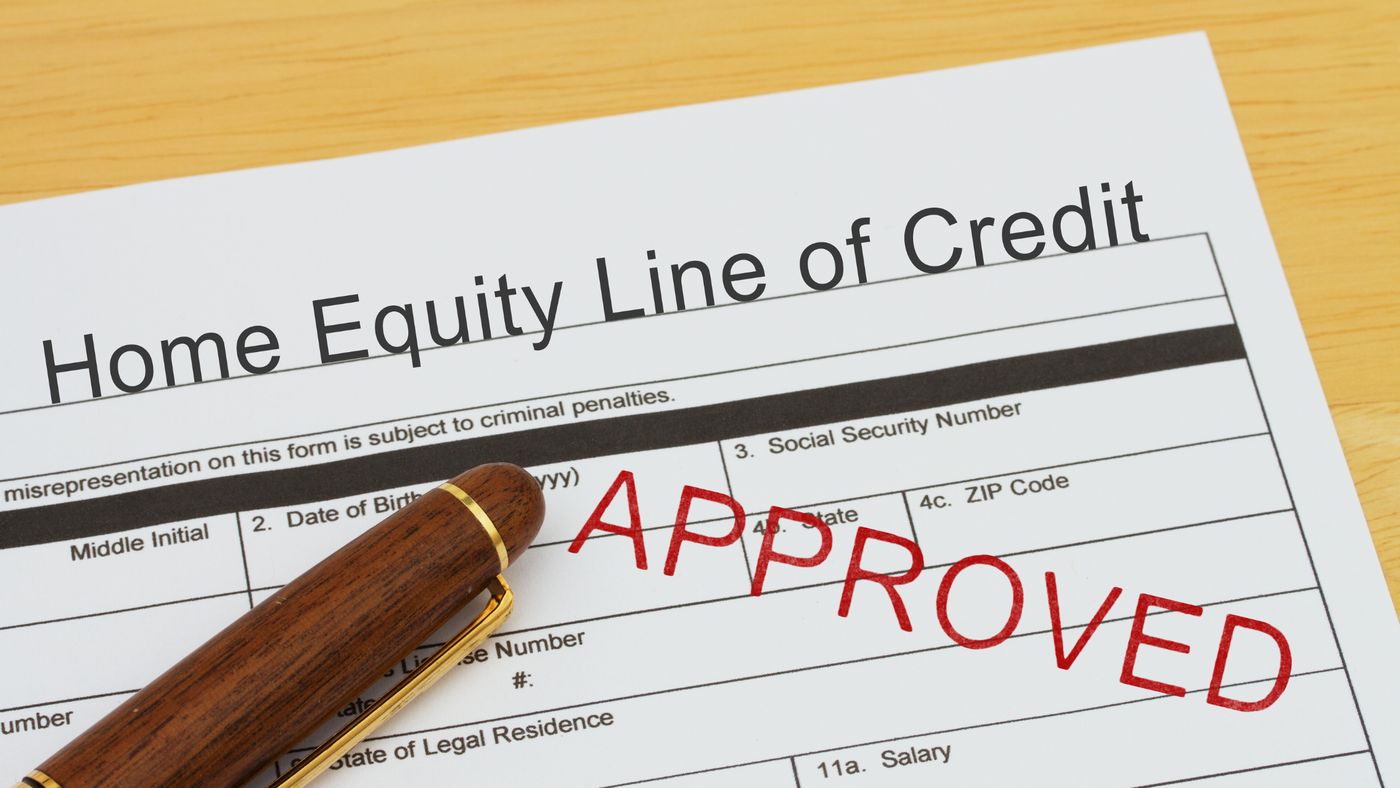
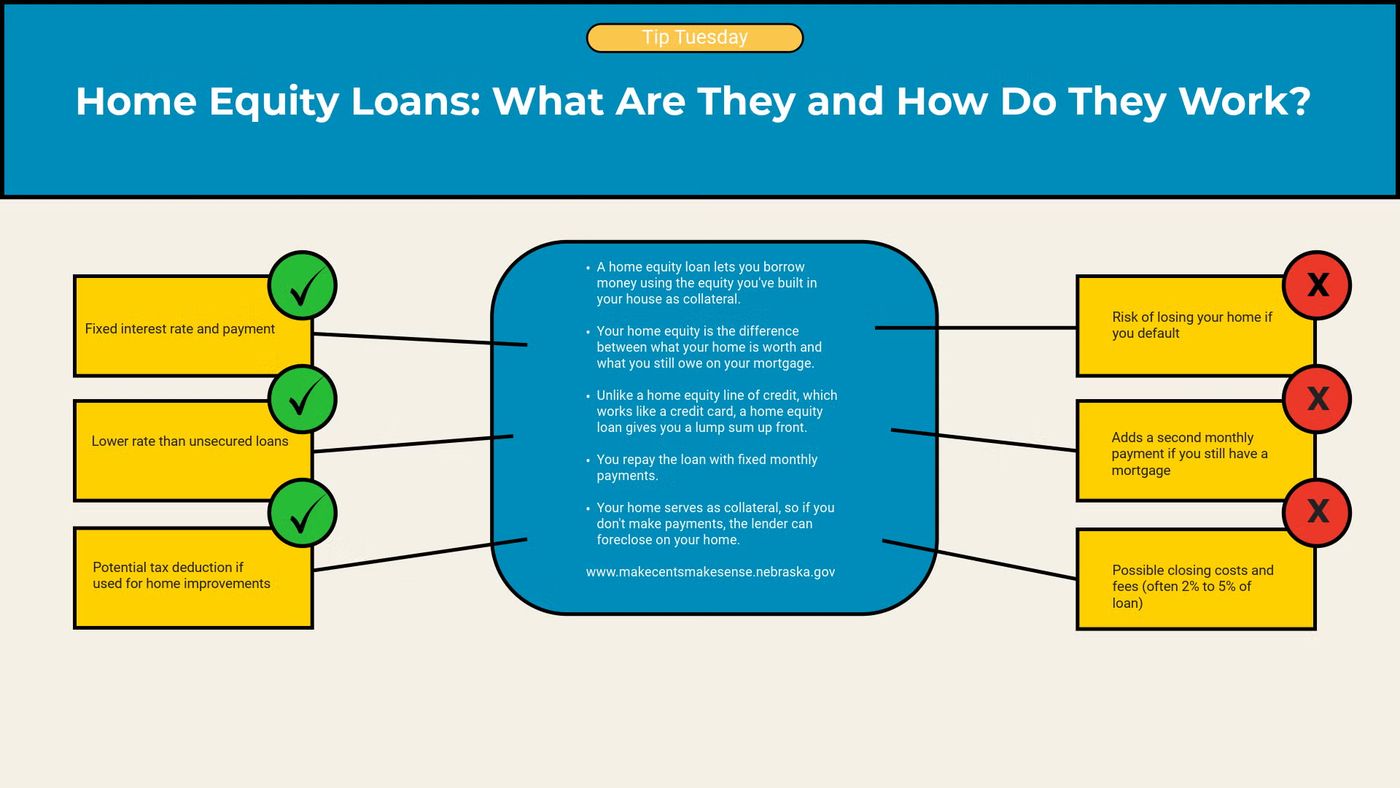
The fundamental distinction between secured and unsecured lines of credit has the most significant impact on the interest rate, credit limit, and approval requirements. A secured line of credit requires the borrower to pledge an asset as collateral, which the lender can claim if the borrower defaults. This security allows the lender to offer more favourable terms. The most common type in Canada is the Home Equity Line of Credit (HELOC), where the home itself serves as collateral. The credit limit for a HELOC can be up to 65% of the home's appraised value, assuming no prior mortgage exists, and when combined with an outstanding mortgage, the total loan-to-value ratio can reach 80%. Other forms include investment-secured lines of credit, backed by an investment portfolio, where limits depend on the portfolio's value and may be subject to margin calls.
Unsecured lines of credit do not require any collateral, making them riskier for the lender. Consequently, they come with higher interest rates and lower credit limits, typically starting at $5,000. These are common as personal lines of credit or student lines of credit. The application process for an unsecured line is generally quicker as there is no need for the lender to verify and appraise collateral. However, approval heavily relies on the borrower's credit score, income stability, and existing debt-to-income ratio. While unsecured lines offer easier access, their cost of borrowing is higher, making them more suitable for smaller, shorter-term financing needs compared to the substantial, long-term borrowing capacity of a secured product.
Key Factors That Determine Your Personal Rate
Lenders assess multiple factors when determining the specific interest rate and credit limit for an applicant. Your credit score and credit history are primary determinants, as they indicate your reliability in repaying debt. Generally, a higher credit score opens access to more lenders and the lowest available rates, while a score below 600 may limit options to alternative lenders offering higher rates. Your income and employment stability prove your ability to service new debt, and lenders will calculate your debt-to-income ratio to ensure you are not overextended. The amount you wish to borrow also influences the rate, as larger credit limits on unsecured products may carry slightly higher adjustment factors due to increased lender risk.
Whether you choose a secured or unsecured product is the most decisive factor for the rate. Using equity in your home or an investment portfolio as collateral can secure a significantly lower interest rate. The loan purpose can also matter. For instance, student lines of credit for certain fields of study may offer limits as high as $400,000, often at competitive rates due to the future earning potential of the borrower. Existing relationships with a financial institution can sometimes lead to more favourable terms. It is important to note that each lender has its own underwriting models, so rates and offers can vary between banks, credit unions, and online lenders even for the same borrower profile.
Common Types and Uses of Lines of Credit
Lines of credit in Canada are categorized by their purpose and security, each serving different financial needs. Personal lines of credit are versatile, revolving loans that can be used for virtually any purpose, from consolidating high-interest credit card debt to funding home renovations or covering unexpected expenses. They provide flexible access to cash where you only pay interest on the amount you use. Student lines of credit are designed to help with post-secondary education costs, with some institutions offering limits up to $80,000 or even $400,000 for professional programs like medicine or law. These often have tailored repayment schedules that consider the student's future income.
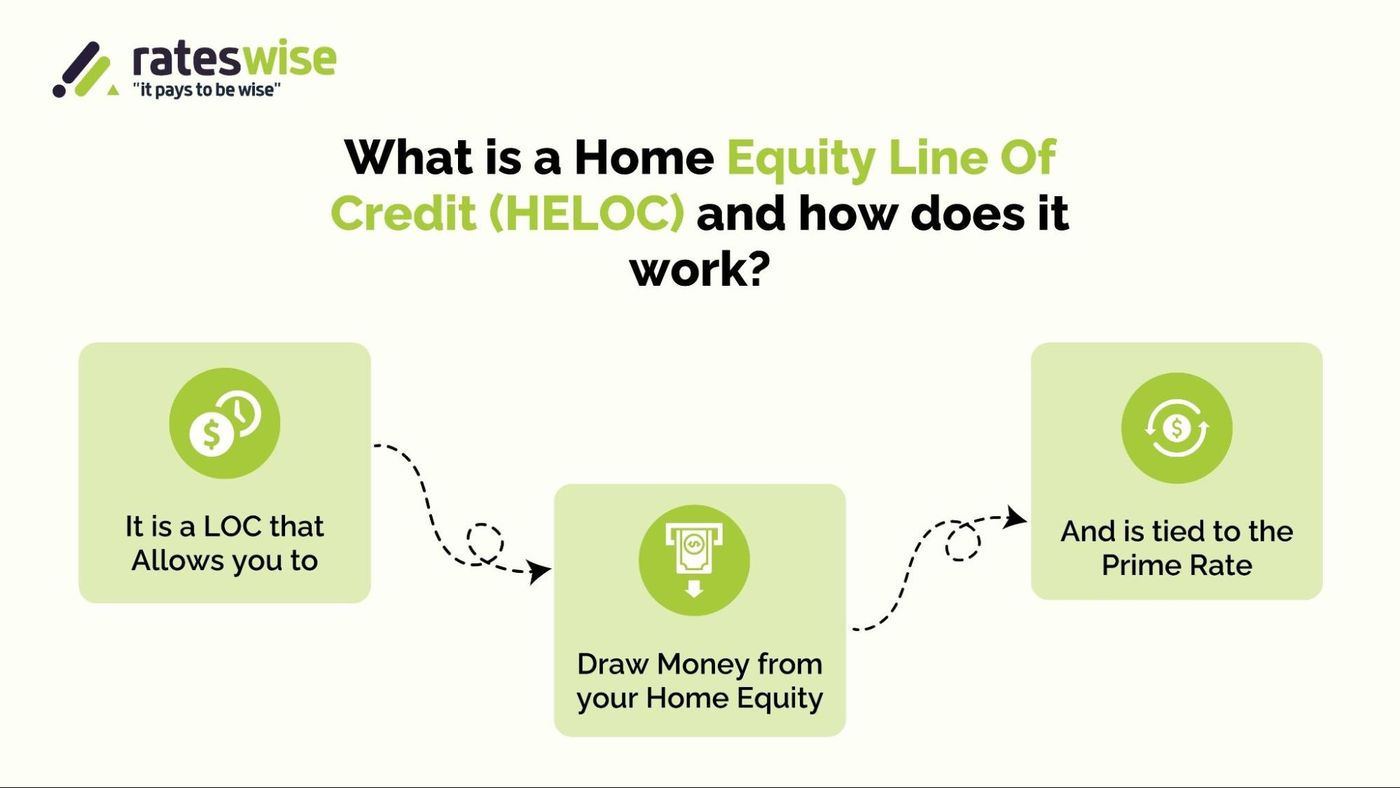
Home Equity Lines of Credit (HELOCs) are a powerful tool for homeowners, allowing them to leverage the equity built up in their property. Business lines of credit provide working capital for companies, with requirements that often include more documentation and may involve collateral or a personal guarantee from the business owner. While similar in structure to credit cards, lines of credit typically come with lower interest rates and no grace period on borrowed funds. Some financial institutions even provide a card for the line of credit that can be used at point-of-sale like a standard credit card, combining convenience with a lower cost of borrowing.
Current Rate Landscape and Lender Examples
The interest rate environment for lines of credit is directly tied to the Bank of Canada's monetary policy. As of September 2026, the Bank held its target for the overnight rate at 2.25%, which contributed to relative stability in lenders' prime rates. Variable-rate lines of credit, which are tied to these prime rates, remained unchanged following that announcement. Advertised starting rates from major institutions provide a snapshot of the market. Secured lines of credit often have starting rates advertised from 6.99%, while unsecured personal lines might start from 7.49%. Some lenders promote introductory offers, such as a rate of 2.99% for the first three months, to attract new customers.
Major Canadian banks structure their line of credit products around their own prime rate. For example, RBC's Royal Credit Line uses the RBC Prime Rate, which was 4.450%, plus an adjustment factor. CIBC's products are based on the CIBC Current Prime Rate. National Bank offers its Personal Flex Line product. The table below illustrates typical advertised starting rates for different line of credit types as seen in the market, though actual customer rates will vary.
| Line of Credit Type | Typical Advertised Starting Rate | Key Features |
|---|---|---|
| Secured (e.g., HELOC) | From 6.99% | Lower rate, higher limit (up to 65% of home value), requires collateral. |
| Unsecured Personal | From 7.49% | No collateral required, lower limits (from $5,000), faster approval. |
| Student Line of Credit | Varies by program | Competitive rates, high limits (up to $400,000 for some fields), deferred repayment options. |
| Introductory/Promotional | e.g., 2.99% for 3 months | Temporary discounted rate, usually reverts to standard variable rate after period ends. |
Application Process and Required Steps
Applying for a line of credit involves several clear steps, beginning with a thorough assessment of your own financial health. You should check your credit score and report to understand your standing and correct any errors before applying. Next, research and compare offers from different lenders, including banks, credit unions, and online providers, focusing on the interest rate structure, fees, and credit limits. When you are ready to apply, you can often start the process online, over the phone, or in a branch. For instance, RBC directs clients to sign in to online banking or call 1-800-769-2511 to apply.
The application will require you to provide personal information, details about your employment and income, and your existing financial obligations. For a secured line of credit, you must also provide details about the collateral, such as a property appraisal for a HELOC. The lender will then perform a hard credit check, which may cause a small, temporary dip in your credit score. If approved, you will receive a disclosure agreement outlining your credit limit, the interest rate (prime plus your specific adjustment factor), and the terms and conditions. Carefully review this before accepting the offer. Once accepted, the funds become available, often through online transfers, cheques, or a linked card.
Potential Fees and Insurance Considerations
While lines of credit can have lower costs than other forms of revolving credit, borrowers should be aware of potential fees. Some institutions charge an annual administration fee or an application fee, though many major banks promote no withdrawal or overlimit fees. It is essential to read the terms and conditions to confirm any recurring charges. If you use a line of credit to consolidate other debts, ensure the amounts being paid off do not incur prepayment penalties from the original creditors. Another cost consideration is optional balance protection insurance, also known as line of credit insurance.
This insurance is designed to cover part or all of the outstanding balance in the event of the borrower's death or disability. Premiums for this coverage are typically added monthly to the outstanding balance on the line of credit. It is important to understand that a lender may offer this insurance but cannot require it as a condition for approval. Policies vary widely. Some only cover a portion of the debt, may have age limits, or exclude pre-existing conditions. Borrowers with a robust existing life insurance policy may find this coverage redundant. Always evaluate the cost of the premiums against the potential benefit, as this insurance can be expensive and may provide less comprehensive coverage than a standalone life or disability insurance policy.
Common Mistakes to Avoid
Several common errors can lead to higher costs or financial strain when using a line of credit. A primary mistake is treating it like free money and borrowing up to the limit without a clear repayment plan, which can lead to unsustainable debt. Another error is using a line of credit for discretionary spending or depreciating assets when a lower-cost alternative might exist. Borrowers sometimes overlook the variable nature of the interest rate, forgetting that their payments will increase if the Bank of Canada raises rates, which can impact budgeting. Failing to shop around and compare offers from multiple lenders means you might not secure the best available rate for your profile.
- Maxing out the credit limit without a repayment strategy.
- Using the LOC for unnecessary purchases instead of planned expenses or debt consolidation.
- Ignoring the impact of rising interest rates on future minimum payments.
- Accepting the first offer without comparing rates and terms from other institutions.
- Overlooking fees, such as annual fees or insurance premiums, in the fine print.
- Confusing a promotional introductory rate with the long-term variable rate that follows.
- Neglecting to make at least the minimum payment, which harms your credit score.
Additionally, some borrowers make the error of only making the minimum interest-only payments, which means the principal balance never decreases. While this is a flexible feature, it can lead to a perpetual debt cycle. It is also a mistake to assume that because a line of credit is easier to access than a loan, it is always the best tool. For one-time, large purchases with a set timeline, a fixed-rate personal loan with predictable payments might be more appropriate. Finally, not monitoring your account regularly can lead to missed fraudulent activity or unawareness of your growing balance.
Frequently asked questions
What is a good interest rate for a line of credit in Canada?
A good interest rate depends on whether the line is secured or unsecured and your financial profile. Secured lines, like HELOCs, often have rates starting close to the lender's prime rate, which was 4.450% for RBC in 2026. Unsecured personal lines typically start higher, from rates around 7.49%. The best rates are reserved for applicants with excellent credit, stable high income, and low existing debt. It's important to compare personalized offers, as advertised starting rates are not guaranteed for every borrower.
How does a line of credit affect my credit score?
Applying for a line of credit usually involves a hard credit check, which can cause a small, temporary decrease in your score. Once opened, the line of credit adds to your total available credit, which can help your score if you maintain a low utilization ratio. Making payments on time builds a positive payment history, while late or missed payments will negatively impact your score. Using a line of credit to consolidate and pay off credit card debt can improve your score by lowering your overall credit utilization.
Can I get a line of credit with bad credit in Canada?
It is possible but more challenging. Traditional banks typically require a good to excellent credit score for unsecured lines. With a credit score below 600, you may still qualify with some alternative or online lenders, but you will likely be offered a higher interest rate. Securing the line of credit with collateral, such as a home or investments, can significantly improve approval chances even with a lower credit score, as it reduces the lender's risk.
What is the difference between a line of credit and a personal loan?
A line of credit is a revolving, open-ended loan with a set limit that you can draw from repeatedly as you repay, with flexible repayment terms. A personal loan is an instalment loan where you receive a lump sum upfront and repay it in fixed payments over a predetermined term, typically between six months to five years. Lines of credit usually have variable interest rates, while personal loans can be fixed or variable. You cannot re-borrow from a personal loan after paying it down without a new application.
What is the maximum credit limit for a line of credit?
The maximum limit varies greatly by type. For unsecured personal lines, limits often start at $5,000. For secured Home Equity Lines of Credit (HELOCs), limits can be up to 65% of your home's appraised value if there is no mortgage, and combined with a mortgage can reach an 80% loan-to-value ratio. Student lines of credit for professional programs can offer limits as high as $400,000. Business lines of credit limits are determined by the company's financials and may be secured by business assets.
Are line of credit interest rates tax deductible in Canada?
Interest on a line of credit is generally not tax deductible for personal use, such as funding a vacation or buying a car. However, if the borrowed funds are used for the purpose of earning investment or business income, the interest may be deductible. For example, using a HELOC to invest in a non-registered investment account or using a business line of credit for business operations could make the interest expense deductible. It is crucial to consult a tax professional and keep meticulous records of how borrowed funds are used.
Sources and further reading
- Rates for Loans and Lines of Credit cibc.com
- Personal Line of Credit, Royal Credit Line | RBC ... rbcroyalbank.com
- Best personal loans in Canada 2026 ratehub.ca
- Loan rates and lines of credit nbc.ca
- Lines of Credit in Canada wowa.ca
This article explains how things work and is not financial, tax or legal advice. Rules, limits and rates change, so check the current figures with the Canada Revenue Agency, your province or your financial institution before you act.