Home insurance in Canada is a contract that provides financial protection for your dwelling, personal belongings, and personal liability against covered perils like fire, theft, and certain types of water damage. While not legally required by Canadian law, it is almost always mandated by mortgage lenders and is a critical safeguard for one of your largest investments. The average annual premium in Canada is around $1,300, but costs vary significantly by province, property type, and individual risk factors. Understanding the components of a policy, the factors that influence your premium, and how to secure appropriate coverage is essential for responsible homeownership across the country.
What Home Insurance Covers in Canada
A standard home insurance policy in Canada is designed to protect against significant financial loss from unexpected events. The core coverage typically includes four main areas: dwelling, contents, liability, and additional living expenses. Dwelling coverage helps pay to repair or rebuild your home's structure if it is damaged by a covered peril, such as fire or a severe storm. Contents coverage applies to your personal belongings inside the home, like furniture, electronics, and clothing, if they are stolen or damaged. Liability protection is crucial, as it covers you if someone is injured on your property and you are found legally responsible, with common coverage limits starting at one million dollars. Additional living expenses coverage helps pay for temporary accommodation and living costs if your home becomes uninhabitable after a covered loss, such as a major fire.
It is important to understand that coverage is provided for specific perils, or causes of loss. Commonly covered perils include fire, lightning, windstorm, hail, theft, and vandalism. Most policies also cover sudden and accidental water damage from events like a burst pipe or an appliance failure. However, coverage for other water-related events is often limited or excluded unless you purchase optional endorsements. For example, damage from sewer backup or overland flooding typically requires adding specific endorsements to your policy for an additional premium. Gradual damage, such as from a slow leak, seepage, or coastal flooding, is generally not covered by a standard home insurance policy.
The most common type of policy purchased by Canadian homeowners is comprehensive coverage, also known as an "all-risk" policy. This type provides the broadest protection by covering your dwelling and belongings against all risks except those specifically listed as exclusions in the policy wording. Other policy types include named perils and broad form policies, which offer more limited coverage. Regardless of the policy type, the specific terms, conditions, exclusions, and limits are detailed in the insurance contract. Policyholders should review their documents carefully and speak with their insurance broker or agent to confirm exactly what is and is not covered, especially for high-risk events prevalent in their region.
Factors That Determine Your Insurance Premium
Your home insurance premium is not a fixed number but is calculated based on a detailed assessment of risk associated with you and your property. Insurers analyze numerous factors to estimate the likelihood and potential cost of a claim. The location of your home is one of the most significant rating factors, as your postal code provides information on local risks like flooding, wildfire, crime rates, and even the proximity to a fire hydrant or fire station. Provincial differences are stark. For instance, as of the second quarter of 2026, Alberta experienced year-over-year premium increases of 11.9 percent while Ontario saw a 4.2 percent increase, reflecting differing regional risk landscapes and claims histories.
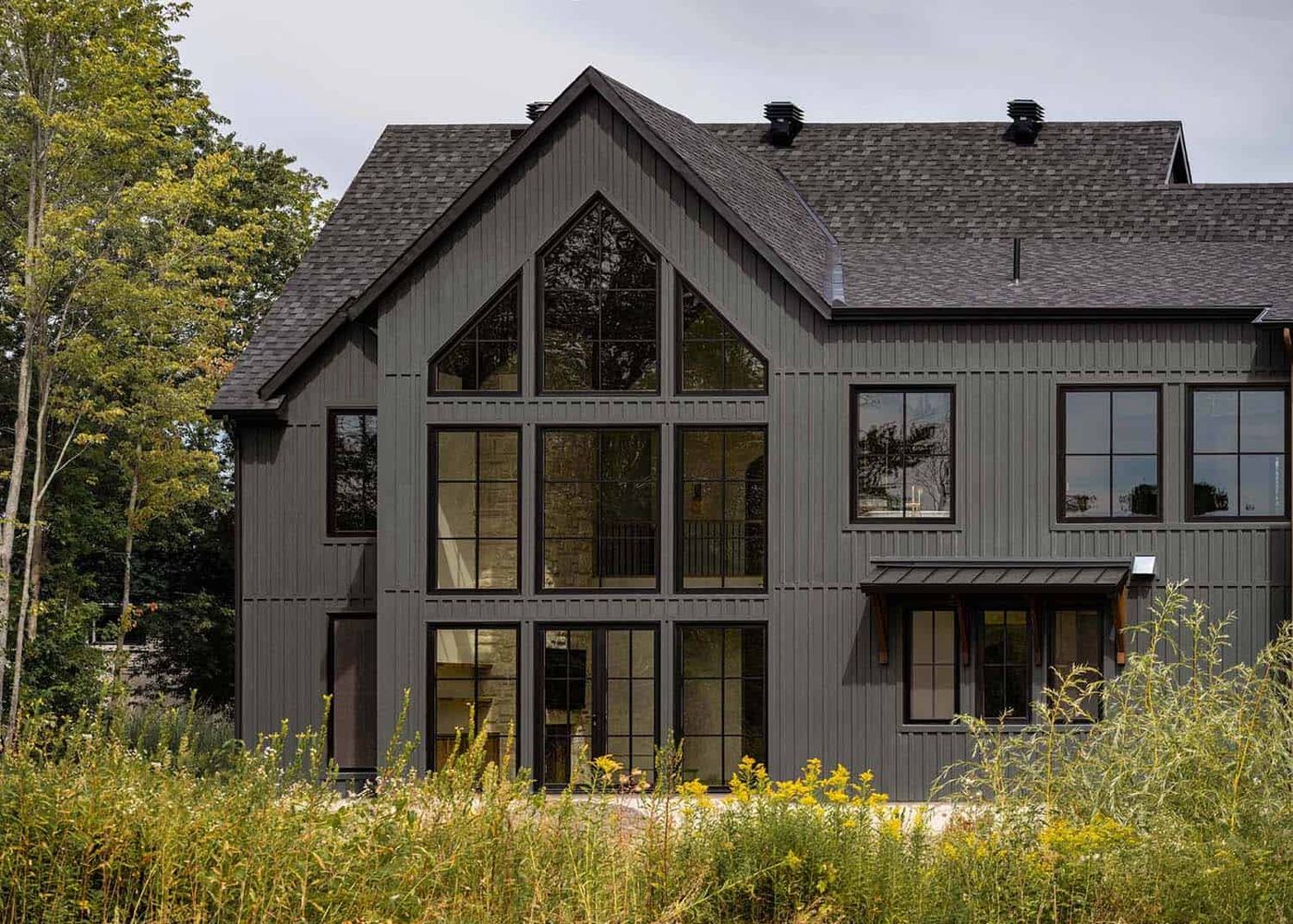
The physical characteristics of your home directly influence your premium. Newer homes generally attract lower premiums because they are less likely to have issues with aging plumbing, electrical systems, or roofing. The construction type, building materials, heating system, and the presence of protective devices like centrally monitored alarm systems or water leak detection systems can also affect your rate. Your claims history is a personal factor heavily weighed by insurers. Maintaining a claim-free record can lead to discounts, while a history of filings may increase your premium. Furthermore, in some provinces, insurers may use credit information with your consent as part of the pricing process, though you can choose not to provide this information.
Your coverage choices are the final, and most controllable, set of factors determining your premium. Selecting a higher deductible, which is the amount you pay out-of-pocket on a claim before insurance kicks in, will lower your premium. Conversely, opting for lower deductibles increases your premium. The amount of coverage you purchase, including increased limits for valuables or adding optional endorsements for risks like earthquakes or sewer backup, will also increase your cost. Bundling your home and auto insurance policies with the same provider is a common way to secure a discount, often saving up to 15 percent. Other potential discounts may be available for being mortgage-free, being a retiree, or through group plans offered by professional or alumni associations.
The Cost of Home Insurance and Why It Is Rising
The average annual cost of home insurance in Canada is approximately $1,291, but this figure masks wide variations. Your actual premium depends on your specific circumstances, including province, urban versus rural setting, home value, and coverage selections. Market-wide forces are applying upward pressure on premiums across the country. A primary driver is inflation, which increases the cost of construction materials and labour, thereby raising the replacement cost of homes and the expense of settling claims. A nationwide labour shortage in the trades industry exacerbates this, as repairs take longer and become more costly, which insurers then pass on to policyholders through higher premiums.
Severe weather events linked to climate change are having a profound impact on the insurance landscape. The frequency and severity of wildfires, floods, and major storms have led to a high volume of costly claims. In 2025 alone, severe weather caused insured losses exceeding $2.4 billion in Canada. These catastrophic payouts are spread across the insurance pool, contributing to premium increases for policyholders. Some regions face steeper increases due to their higher exposure to specific perils. For example, areas prone to flooding or wildfires may see premiums rise more sharply than less exposed areas.
Average home insurance premiums vary significantly by province and are subject to ongoing change. Market forces such as inflation and rising rebuilding costs contribute to these changes. For example, as of the second quarter of 2026, Alberta's premiums increased by 11.9 percent year over year while Ontario's rose by 4.2 percent. Severe weather events causing high volumes of claims also put upward pressure on premiums across the country. The national average cost is approximately $1,291 per year, but individual premiums depend on many location and property factors.
| Province | Premium Trend (as of Q2 2026) |
|---|---|
| Alberta | +11.9% year-over-year |
| Ontario | +4.2% year-over-year |
| National Average | +5.8% year-over-year |
This data, sourced from industry indices, shows that premium changes are not uniform. Homeowners should anticipate that their premiums will likely increase at renewal time and should review their coverage annually to ensure it remains adequate and cost-effective. Shopping around and comparing quotes from different providers is one of the most effective ways for homeowners to manage these rising costs and potentially find more competitive rates. Comparing quotes online is an easy way to help you save hundreds of dollars each year, and you can even compare quotes by province or territory.
How to Get and Manage a Home Insurance Policy
Obtaining home insurance in Canada involves several clear steps, starting with gathering the necessary information. You will need details about your home, including its age, square footage, construction type, heating system, and any recent renovations. You should also prepare an inventory of valuable belongings you wish to insure. With this information, you can begin shopping for quotes. Quotes can be requested online directly from insurance company websites, over the phone with an insurer or broker, or through an independent insurance brokerage. It is critical to provide accurate and honest information during this process, as misrepresentation can lead to policy cancellation or denied claims.
Once you receive quotes, you must compare them carefully. Look beyond the premium price to examine the coverage details, deductibles, exclusions, and any optional endorsements included. After selecting a provider and policy, you will formally apply. The insurer may ask additional questions before issuing the final policy documents. You will then set up payment for your premium, which can often be paid monthly or annually. After your policy is active, you should store your documents securely and inform your mortgage lender if required. You can typically manage your policy online through a customer portal or mobile app, where you can view documents, make payments, and report claims.
Managing your policy effectively is an ongoing responsibility. You should review your coverage at least annually and especially after any major life changes, such as home renovations, purchasing expensive items, or changes in household members. To keep premiums manageable, inquire about available discounts for which you may qualify, such as for bundling policies, installing alarms, or having a claim-free record. If you need to file a claim, contact your insurer as soon as possible after a covered event occurs to start the process. You have the right to cancel your insurance policy at any time, but be aware that cancellation fees may apply depending on the timing and the insurer's terms. A cancelled policy for misrepresentation can severely impact your ability to secure affordable insurance in the future.

Common Optional Coverages and Endorsements
Standard home insurance policies have gaps that can be filled by purchasing optional endorsements for an additional premium. These add-ons tailor your coverage to address specific risks that are excluded or limited in a base policy. One of the most sought-after endorsements is sewer backup coverage, which protects against damage caused when sewers back up into your home. Similarly, overland water coverage is crucial for protection against water entering the home from rainfall or melting snow that accumulates on the ground and floods basements. These coverages are increasingly important as water damage becomes a leading cause of insurance claims in Canada.
Other valuable endorsements include earthquake coverage, which is vital for homeowners in seismically active regions like British Columbia. Identity theft coverage can provide support and reimbursement for expenses related to restoring your identity if it is stolen. For homeowners with high-value assets or unique risks, endorsements can also increase coverage limits for specific categories of belongings, such as jewellery, fine art, bicycles, or wine collections. Some insurers offer enhanced liability protection through a personal liability umbrella, which provides additional coverage above the standard limit of your policy, often starting at one or two million dollars.
When considering endorsements, it is important to assess your personal risk exposure. Review the standard limits in your policy for valuable items. You may find that coverage for categories like jewellery or bicycles is lower than the replacement cost of your possessions. Speak with your insurance broker or agent about the optional coverages available from your provider, their cost, and the specific terms. Adding endorsements increases your premium but can prevent significant out-of-pocket expenses in the event of a loss that would otherwise not be covered. This customization ensures your policy aligns with your individual needs and the unique risks associated with your property and lifestyle.
Evaluating Insurance Providers in Canada
Canada has a competitive home insurance market with numerous providers, including large national companies, regional insurers, and direct online insurers. Independent organizations like J.D. Power rank insurers based on customer satisfaction surveys, which evaluate factors such as interaction, policy offerings, price, billing process, and claims handling. These rankings can provide a useful starting point for consumers researching companies. Some of the insurers frequently recognized in these surveys include Intact Financial Corporation, Aviva Canada, Desjardins General Insurance Group, RSA Canada Group, and Wawanesa Insurance.
Choosing a provider involves more than just comparing premium quotes. Consider the insurer's reputation for customer service and claims handling, as you will rely on them during stressful situations. Assess the convenience factors they offer, such as 24/7 claims reporting, online account management, and mobile app functionality. Some homeowners prefer working with a local insurance agent or broker who can provide personalized advice and act as an intermediary with the insurance company. Others may opt for a fully digital experience with companies that sell directly online, which can sometimes offer lower premiums due to reduced overhead costs.
Ultimately, the best home insurance company for one homeowner may not be the best for another, as needs and priorities differ. It is advisable to obtain quotes from multiple providers to compare not only price but also the scope of coverage, deductible options, and available discounts. Be sure to disclose the same information to each insurer to ensure you are comparing equivalent quotes. An independent insurance broker can be a valuable resource in this process, as they work with multiple insurance companies and can shop the market on your behalf to find a policy that matches your specific requirements and budget.
Frequently asked questions
Is home insurance mandatory in Canada?
Home insurance is not legally required in Canada. However, most mortgage lenders require it as a condition for approving a home loan. Even homeowners without a mortgage are strongly advised to have insurance to protect their property and finances from major covered losses. This coverage helps pay for damage from events like fire, theft, and liability claims.
What is the average cost of home insurance in Canada?
The average annual cost of home insurance in Canada is around $1,291. This cost varies widely based on your province, the type and age of your home, your chosen coverage limits, and your deductible. Premiums are rising nationally due to factors like inflation, increased rebuilding costs, labour shortages, and severe weather events. In 2025, severe weather caused over $2.4 billion in insured damages, which impacts premiums.
Does home insurance cover water damage?
Standard home insurance typically covers sudden and accidental water damage from events like a burst pipe. Coverage for other water damage, such as sewer backup or overland flooding, usually requires an optional endorsement added to the policy. Gradual water damage from leaks or seepage is generally not covered. It is important to review your policy details or speak with an advisor to understand your specific water damage coverage.
How can I lower my home insurance premium?
There are several ways to potentially lower your home insurance premium. Increasing your deductible reduces your premium. Bundling your home and auto insurance with the same provider can save up to 15 percent. Installing protective devices like centrally monitored alarm systems or water leak detection systems may qualify you for discounts. Maintaining a claim-free record and reviewing your policy annually to ensure you are not over-insured can also help control costs.
What does liability coverage in home insurance include?
Liability coverage in a home insurance policy protects you if you are found legally responsible for bodily injury to others or damage to their property. This includes incidents like a visitor slipping and falling on your icy walkway. It covers associated legal defence costs and any settlements or judgments up to the limit of your policy, which commonly starts at one million dollars. Higher limits, such as two million dollars, are often available.
What is replacement cost coverage?
Replacement cost coverage means your insurer will pay the amount needed to repair or rebuild your home with similar materials, without deducting for depreciation. This coverage is based on the cost to rebuild your home, not its market value. It differs from actual cash value coverage, which accounts for depreciation. Reviewing your policy regularly ensures you have adequate replacement cost coverage for your home and belongings.
Sources and further reading
- Home Insurance Quotes in Canada, Save Up to 15% rbcinsurance.com
- Home Insurance Canada: Fire, Water, Theft & Liability intact.ca
- Compare Home Insurance Quotes Online & Start Saving ratehub.ca
- Canada's Best Home Insurance Companies myinsurancebroker.com
- Get a Home Insurance Quote Today allstate.ca
This article explains how things work and is not financial, tax or legal advice. Rules, limits and rates change, so check the current figures with the Canada Revenue Agency, your province or your financial institution before you act.