Identifying the best credit card in Canada depends on your individual spending habits and financial goals, as there is no single top card for everyone. Credit cards offer diverse benefits such as cash back, travel rewards, low interest rates, and no annual fees, making the strongest option vary by category. The most effective way to compare cards is to evaluate annual fees, interest rates, rewards structures, welcome offers, and eligibility requirements. Understanding these factors helps Canadians select a financial tool that aligns with their personal spending patterns and needs.
How to Compare Canadian Credit Cards Effectively
The process of comparing credit cards in Canada involves examining several concrete features to find a suitable match for your finances. Key factors to assess include the annual fee, which can range from zero to several hundred dollars, and the annual interest rate on purchases, which typically falls between 19.99% and 22% for most cash back and rewards cards. You should also scrutinize the rewards program, whether it offers cash back, travel points like Aeroplan or Scene+, or other loyalty benefits. Welcome offers, which can provide significant initial value through bonus points or fee rebates, are another critical component of the comparison. Finally, reviewing additional benefits such as travel insurance, purchase protection, and foreign transaction fees will give you a complete picture of the card's value.
Using an online credit card comparison tool allows you to view these features side by side for numerous cards from different issuers. These tools typically let you filter cards by type, such as cash back, travel, low interest, or student cards, streamlining the research process. It is important to note that simply comparing cards online does not affect your credit score. The inquiry that can temporarily impact your score occurs only when you formally apply for a new credit card. Therefore, you can research extensively without any financial penalty before deciding to submit an application.

Understanding Cash Back Credit Cards
Cash back credit cards provide a straightforward reward by returning a percentage of your spending directly to you. The cash back is typically earned on eligible purchases and can be redeemed through various methods, including as a statement credit against your balance, a deposit into a linked chequing or investment account, or occasionally via a physical cheque. There are no points to convert or expiry dates to track with most cash back programs, and many cards have no minimum redemption thresholds. This simplicity makes cash back cards a popular choice for Canadians seeking tangible returns on their everyday spending.
Cash back cards generally fall into two primary categories, each with distinct earning structures. Flat-rate cards pay the same percentage, such as 1% or 2%, on every purchase you make, offering predictability and ease of use. Category-based cards offer accelerated earn rates on specific types of spending, like groceries, gas, dining, or recurring bill payments, while providing a lower base rate on all other purchases. For example, a card might offer 4% back on groceries but only 1% on general merchandise. The right type for an individual depends heavily on whether their spending is concentrated in specific categories or broadly distributed.
When evaluating a cash back card, it is essential to perform calculations that account for the annual fee. A card with a high earn rate and a $139 annual fee only becomes financially beneficial if your annual spending generates enough cash back to cover that fee and still exceed what you would earn with a no-fee alternative. Many category-based cards also impose annual spending caps on the accelerated earn rates, after which spending in that category reverts to the lower base rate. Furthermore, consider redemption flexibility, as some cards only allow annual redemptions while others permit redemptions at any time for any amount.
Travel Rewards and No Foreign Transaction Fee Cards
For Canadians who travel internationally, selecting a credit card with travel rewards and no foreign transaction fees can lead to significant savings and enhanced benefits. Cards designed for travel often earn points in programs like Aeroplan or Scene+, which can be redeemed for flights, hotels, and other travel expenses. A critical feature for international use is the absence of a foreign exchange fee, which is typically 2.5% or more on most standard Canadian credit cards. Cards that waive this fee, such as the Scotiabank Gold American Express Card, provide direct savings on every purchase made in a foreign currency. Premium travel cards frequently bundle comprehensive travel insurance benefits, which can include medical, trip cancellation, and baggage delay coverage.
Some also offer lifestyle perks like complimentary airport lounge access. For instance, one card provides six complimentary airport lounge passes. The value of a travel card is often tied to the cardholder's frequency of travel and spending in bonus categories. Accelerated earn rates on travel purchases, dining, and entertainment are common, with some cards offering up to five points per dollar spent in these categories. It is important to verify acceptance when traveling, as American Express is not accepted by as many merchants globally as Visa or Mastercard.
- American Express Platinum Card: A premium charge card with travel benefits and no pre-set spending limit.
- American Express Gold Rewards Card: A flexible travel-rewards card with a lower annual fee than the Platinum.
- BMO Blue Rewards World Elite Mastercard: Offers travel benefits through Blue Rewards and Mastercard Travel Pass.
- Scotiabank Gold American Express Card: Earns up to 6 Scene+ points per dollar on eligible grocery, dining, and entertainment purchases in Canada and has no foreign transaction fees.
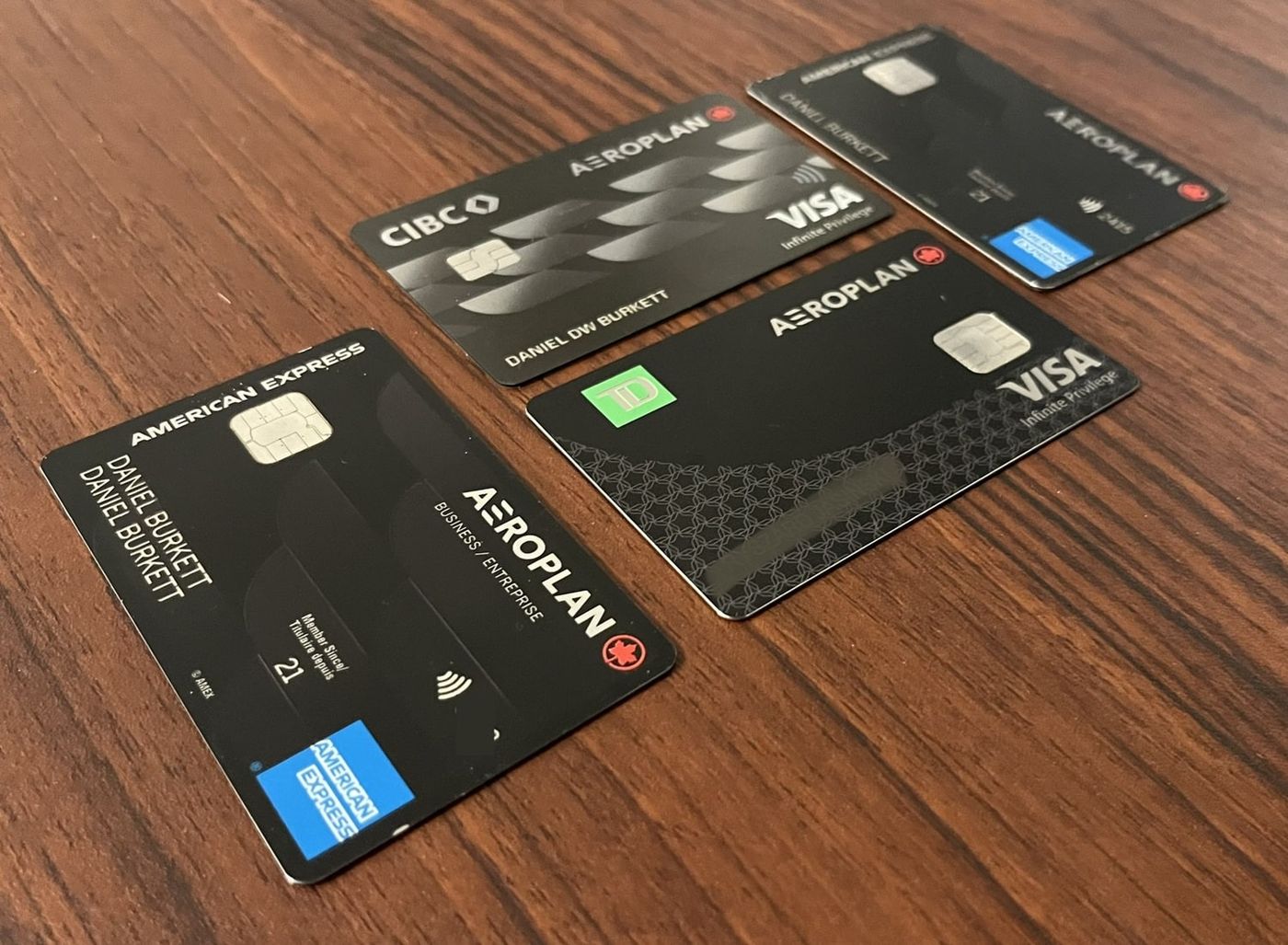
Visa and Mastercard credit cards are the most widely accepted credit cards in Canada. American Express is also widely used but is not accepted by as many merchants. Some retailers may only accept certain card networks. For example, Costco Canada accepts Mastercard but not Visa for in-store credit card purchases. If your primary card is an American Express, it can be useful to carry a Visa or Mastercard as a backup.
Key Features and Eligibility for Card Approval
Credit card issuers in Canada assess several factors when reviewing an application, with credit score and income being primary considerations. Each application triggers a hard inquiry on your credit report, which may cause a temporary, minor dip in your credit score. Eligibility requirements, such as a minimum personal income, are often higher for premium cards like World Elite Mastercard or Visa Infinite products. For individuals who are new to Canada within the past three years, some financial institutions may require an in-branch application rather than an online one. This process can involve providing additional documentation to establish your financial history in the country.
Beyond basic eligibility, the features and fine print of a credit card agreement are crucial. Interest rates on purchases for rewards cards commonly range from 19.99% to 21.99%, with some risk-based pricing potentially leading to higher rates. Welcome offers, which can include bonus points and first-year annual fee rebates, often have specific conditions, such as a minimum spending requirement within the first few months. For example, one offer provides up to $950 in first-year value including bonus Scene+ points, while another offers up to 50,000 bonus Aeroplan points. Always review the terms to understand how to qualify for these promotions and be aware that some offers require you to not have held a similar card from the same issuer in the preceding 12 months.
Common Credit Card Comparison Mistakes to Avoid
A frequent error when choosing a credit card is focusing solely on the rewards rate or welcome bonus without considering the annual fee. A card with a high earn rate may seem attractive, but if the annual fee is substantial, you must spend enough to offset that cost for the card to be worthwhile. It is necessary to calculate your expected annual cash back or points earnings and subtract the fee to see the net benefit. Similarly, ignoring the interest rate is a mistake for those who occasionally carry a balance, as interest charges at rates around 20% can quickly negate any rewards earned.
Another common oversight is not checking for spending caps on bonus categories. Many category-based cash back or points cards limit the amount of spending that qualifies for the accelerated rate each year. Once you exceed that cap, your earnings drop to the base rate, which could make a flat-rate card more profitable. Additionally, many Canadians neglect to consider foreign transaction fees if they shop on U.S. websites or travel abroad. A 2.5% fee on all foreign currency purchases can cost more than the cash back earned, making a no-foreign-transaction-fee card a better choice for international spenders.
Finally, applying for multiple credit cards in a short period can harm your credit score due to several hard inquiries and a reduction in the average age of your credit accounts. It is more prudent to research thoroughly using comparison tools, which do not affect your credit, and then apply selectively for the card that best fits your financial profile. Managing multiple accounts also requires discipline to track payment due dates and rewards programs to avoid fees and maximize benefits. The number of credit cards you should have ultimately depends on your ability to manage them responsibly and whether the combined benefits outweigh any added complexity.

Examples of Award-Winning Credit Cards in Canada
Several credit cards in Canada have received awards from major comparison websites, highlighting their strengths in specific categories. These awards can serve as a useful reference point when researching cards, as they indicate recognition for particular benefits or value propositions. For example, the Scotiabank Gold American Express Card was the winner of the 2025 Rewards Canada Top Travel Points Credit Card for cards with annual fees. It also won the 2025 award for Best Credit Card for Groceries from milesopedia and the Best Foreign Exchange Credit Card from creditcardGenius in 2025.
Other cards have been recognized for their cash back offerings or lack of foreign fees. One card was named the winner of the 2023 MoneySense Best Cash Back Card. Another card received the 2025 Rewards Canada Top No Foreign Transaction Fees Credit Card award. The Scotiabank Scene+ Visa Card was the winner of the 2024 Rewards Canada Top No Annual Fee Travel Rewards Credit Card. These awards are typically given based on evaluations of fees, earn rates, insurance packages, and overall consumer value.
| Card Feature / Award | Example Award (Year) |
|---|---|
| Best Travel Points Card (with annual fee) | Rewards Canada Top Travel Points Credit Card (2025) |
| Best Cash Back Card | MoneySense Best Cash Back Card (2023) |
| Best No Foreign Transaction Fee Card | Rewards Canada Top No Foreign Transaction Fees Credit Card (2025) |
| Best Credit Card for Groceries | milesopedia Best Credit Card for Groceries (2025) |
| Best No Annual Fee Travel Card | Rewards Canada Top No Annual Fee Travel Rewards Credit Card (2024) |
While awards highlight standout products, they should not be the sole deciding factor. A card that wins an award for travel may not be the best choice for someone who primarily seeks cash back on groceries. The awards simply indicate that a card performs exceptionally well within a defined category according to the criteria of that particular comparison service. Your final decision should still be based on a personal comparison of fees, rates, and rewards against your own spending patterns.
Frequently asked questions
How do I choose the best credit card for me in Canada?
Start by analyzing your own spending habits from recent statements to see where most of your money goes. Determine what you want from a card, such as cash back, travel rewards, or a low interest rate. Then compare cards based on annual fees, interest rates, rewards earn rates, welcome offers, and additional benefits like insurance. Using an online comparison tool can help you view these factors side by side for many cards at once.
Are cash back credit cards worth it if I carry a balance?
Typically, no. If you carry a balance from month to month, the interest charges you pay will usually outweigh any cash back you earn. Most cash back and rewards cards in Canada have purchase interest rates between 19.99% and 22%. The cost of interest is generally much higher than the return from cash back, making a low-interest credit card a more suitable financial tool for those who carry balances.
Which credit card networks are most widely accepted in Canada?
Visa and Mastercard are the most widely accepted credit card networks in Canada and can be used at most merchants that take credit cards. American Express is also widely used but is accepted by fewer merchants. Some retailers have specific network agreements. For instance, Costco Canada accepts Mastercard but not Visa for in-store purchases. It can be useful to carry a Visa or Mastercard as a backup if your primary card is an American Express.
How many credit cards should I have?
The ideal number of credit cards depends on your spending habits, financial needs, and ability to manage multiple accounts responsibly. For many people, one or two credit cards may be sufficient. Others may benefit from having additional cards to maximize rewards in different spending categories or to access specific perks. Before applying for a new card, consider how it complements your existing cards and whether you can manage the payments and track the rewards effectively.
Does comparing credit cards affect my credit score?
Comparing credit cards does not affect your credit score. You can research and compare different cards, rates, fees and rewards without impacting your credit. This is because simply looking at card features does not involve a credit check. However, when you formally apply for a credit card, the issuer will typically perform a hard inquiry on your credit report. This credit check may temporarily affect your credit score. Therefore, it is safe to use comparison tools and conduct research freely before deciding to submit an application.
What is the difference between a flat-rate and a category-based cash back card?
A flat rate cash back card pays the same percentage on every purchase, which makes it simple to use but caps the potential rewards. A category based cash back card pays higher rates on specific spending categories, such as groceries, gas, recurring bills, or restaurants, and a lower base rate on all other purchases. The right choice depends on your spending patterns and how much effort you want to put into optimizing rewards. If your spending is concentrated in one or two categories, a category based card might earn more. If your spending is varied, a flat rate card is often simpler and more rewarding overall.
Sources and further reading
- Compare the best credit cards in Canada ratehub.ca
- Some of the best cash back credit cards in Canada 2026 wealthsimple.com
- Award-winning credit cards in Canada scotiabank.com
- Best TD Credit Cards in Canada | TD Canada Trust td.com
- Canada's top 5 credit cards for international travelers wise.com
This article explains how things work and is not financial, tax or legal advice. Rules, limits and rates change, so check the current figures with the Canada Revenue Agency, your province or your financial institution before you act.