The average credit score in Canada was 760 as of November 2024, according to data from the Fair Isaac Corporation (FICO). This figure places the average Canadian score within the 'excellent' range on the common 300 to 900 scale. Credit scores are a critical component of personal finance in Canada, influencing access to loans, credit cards, and even rental applications. Understanding how your score compares to the national average and the factors that influence it is essential for managing your financial health.
Understanding Credit Score Ranges and Averages
In Canada, credit scores are three-digit numbers that lenders use to assess a borrower's risk. The scale runs from a low of 300 to a perfect score of 900. While there is no single universal average due to different scoring models and data sources, prominent figures provide a clear benchmark. The Fair Isaac Corporation reported the average FICO Score was 760 in November 2024, which was two points lower than its reported average in 2023 and down from a peak of 762 in 2022 to 2023. Other sources, such as a 2022 survey from Borrowell, reported an average score of 672 among its members, and a 2026 study from the same company put the average at 679. These differences highlight that the score a consumer sees may not be identical to the one a specific lender uses, as credit bureaus and scoring models vary.
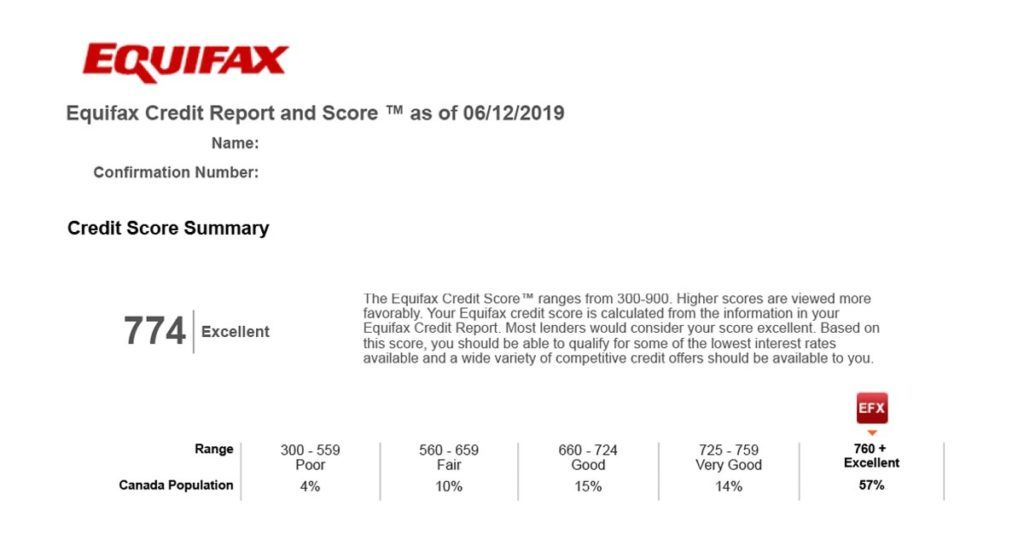
Most lenders in Canada consider a score of 660 or above to be 'good.' Scores from 660 to 724 are generally classified as good, scores from 725 to 759 are considered very good, and scores of 760 and up are deemed excellent. According to FICO's distribution data from April 2024, approximately 85% of Canadians have a credit score of 650 or higher. Only about 4.5% of scores fall into the lowest range of 300 to 549. A score below 660 may still qualify for some credit products, but often with less favourable terms and higher interest rates. FICO attributes the recent dip in the national average to the high cost of living, a wave of mortgage renewals at higher rates, and rising delinquencies across consumer credit.
How Credit Scores Are Calculated in Canada
Your credit score is not a single, static number but is calculated using models that weigh several factors from your credit report. The two main credit bureaus in Canada, Equifax and TransUnion, each use their own proprietary models, and not all lenders report information to both agencies. Furthermore, 90% of top Canadian lenders and credit unions use FICO Scores for lending decisions, which are not typically available directly to consumers through free services. This is why scores can differ depending on where you check them. The calculation is based on several key components, though the exact weighting can vary between models.
Payment history is the most significant factor, encompassing your record of on-time payments for credit cards, loans, and other debts. Credit utilization, which is the amount of credit you are using compared to your total available limits, is another major component. The length of your credit history, the types of credit you use (credit mix), and the number of recent applications for new credit (hard inquiries) also influence your score. It is important to note that most negative information, such as missed payments, is automatically removed from your credit report after six to seven years. Having little or no credit history can also hold you back, as lenders have less information to assess your reliability.
The Impact of Credit Scores on Financial Products
Your credit score directly shapes your access to financial products and the terms you receive. A higher score can lead to lower interest rates on loans and credit cards, higher credit limits, and better approval odds. For scores in the 'good' range (660-724), approval odds are higher and rates are more competitive. Those with 'excellent' scores (760+) are likely to qualify for the best interest rates and loan terms available. Conversely, a score below 660 may mean approval is tough, and if approved, you can expect higher interest rates.
Your credit score is not just for loans or credit cards. Landlords may check it when you apply to rent a place to assess financial responsibility. A good credit score acts like a financial VIP pass, saving you money on interest and opening doors to opportunities. It is one tool lenders use alongside other factors like your income, existing debts, and employment status before making a final approval decision. Therefore, maintaining a score above the 'good' threshold of 660 is a practical goal for most Canadians seeking financial flexibility.
Average Scores by Age and Demographics
Credit scores in Canada show a clear correlation with age, as older Canadians typically have higher average scores. Data indicates that younger adults often have lower scores due to shorter credit histories and less experience managing debt. According to a study, average scores by generation were reported as 659 for Gen Z (ages 18-28), 673 for Millennials (29-44), 676 for Gen X (45-60), 718 for Baby Boomers (61-79), and 769 for the Silent Generation (80+). This progression reflects the cumulative effect of building a longer, positive credit history over time.
Older adults benefit from having established credit accounts for many years, which demonstrates a reliable track record to lenders. They are also more likely to have a diverse mix of credit types, such as mortgages, credit cards, and car loans, which can positively impact their score. In contrast, younger Canadians may be just starting to build their credit profiles, which can result in a lower average score even with responsible financial behaviour. Your income is not a direct factor in your credit score calculation, but the stability and length of your credit history are.
Provincial and City Variations in Credit Scores
Average credit scores are not uniform across Canada and show variation by province and major city. While credit bureaus do not publish official provincial averages, data from studies of major cities provides an approximate picture. Based on a 2026 study, Quebec and Ontario cities tend to report higher average scores, while cities in the Prairie provinces generally sit lower. For example, the average score in British Columbia was reported as 694 in a 2022 survey. The following table shows average credit scores for selected major Canadian cities based on 2026 data.
| City | Average Credit Score |
|---|---|
| Quebec City | 723 |
| Montreal | 716 |
| Markham | 714 |
| Edmonton | 646 |
Average credit scores vary across Canada's provinces and cities. Data collected by Borrowell in 2022 provides examples of these regional averages. Among the cities measured, Quebec City had the highest average credit score at 723. Edmonton had the lowest average score among those cities at 646.
How to Check Your Credit Score and Report
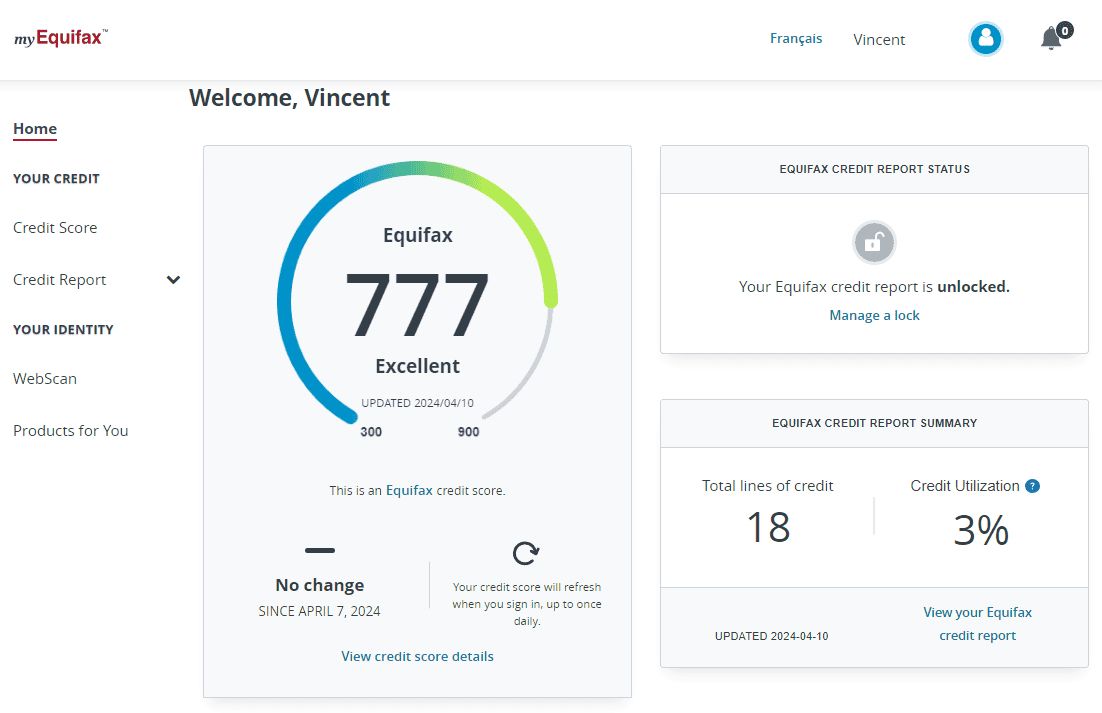
Canadians have several options for accessing their credit information. Under the Fair Credit Reporting Act, you are entitled to request a free copy of your credit report from both Equifax and TransUnion at least once per year. This report details your credit accounts and history but does not include your actual three-digit credit score. You can obtain these reports online, by mail, by phone, or in person. To see your numeric credit score, different services are available. Equifax provides free access to its credit score when you sign up for an online account. TransUnion offers free scores only to residents of Quebec. Both bureaus, along with third-party companies like Borrowell and ClearScore, offer paid subscription services that provide more frequent score updates, credit monitoring, and identity theft protection. Some financial institutions, such as RBC, also provide free credit scores as a perk to their customers. It is advisable to check your credit report annually for accuracy and to monitor your score more frequently if you are actively working to improve it or have concerns about fraud. Companies like Borrowell may update your score information weekly, while Equifax's paid services tout daily updates.
Key Factors and Common Mistakes
Understanding the five main factors used in credit scoring models helps you manage your score effectively. These factors are payment history, credit utilization, length of credit history, credit mix, and new credit inquiries. Payment history is the most important, as it shows lenders your track record of repaying debt. Credit utilization refers to the amount of credit you're using compared to your available limit, with a lower ratio being better. A long credit history demonstrates experience, while a mix of credit types (like revolving credit from cards and installment credit from loans) shows you can handle different forms of debt.
Several financial behaviours can negatively impact your credit score, sometimes significantly. The most damaging mistake is missing payments on loans or credit cards, as payment history is the most heavily weighted factor in most scoring models. Consistently paying bills late or defaulting on debt will lower your score. Another common error is maintaining a high credit utilization ratio, which means using too much of your available credit limit.
Applying for multiple new credit products in a short period generates several hard inquiries on your report, which can temporarily lower your score. Lenders may interpret frequent applications as a sign of financial distress. Closing your oldest credit card account can also be detrimental, as it shortens the average length of your credit history. Finally, having a limited credit mix or no credit history at all can make it difficult to achieve a high score, as lenders have less data to assess your reliability. Avoiding these pitfalls is key to building and maintaining a strong credit profile.
Types of Credit and Credit Checks
Understanding the different types of credit and credit checks is important for managing your score. There are two main kinds of credit: revolving credit and installment credit. Installment credit is a loan with a set amount repaid on a regular schedule, such as a mortgage or student loan. Revolving credit, like credit cards and lines of credit, has a limit you can borrow up to, pay off, and borrow again. Having high levels of revolving credit is viewed differently by lenders than having equal levels of installment credit, with installment credit often considered more secure. There are also two kinds of credit checks: hard checks and soft checks. Soft checks occur when you or a third party review your credit for non-lending purposes, like using a credit monitoring app. These do not affect your score. Hard checks happen when you apply for new credit, such as a loan, credit card, or mortgage. Each hard inquiry can have a small, temporary negative impact on your score. Therefore, it is wise to space out applications for new credit to minimize the effect of multiple hard inquiries in a short time frame.
Frequently asked questions
What is considered a good credit score in Canada?
Most lenders in Canada consider a credit score of 660 or above to be good. Scores between 660 and 724 are classified as good, scores from 725 to 759 are very good, and scores of 760 and above are excellent. These ranges are based on data from Equifax, though individual lenders may have slightly different criteria. A score above 660 generally improves your chances of loan approval and access to more competitive interest rates.
Why do I see different average credit scores reported online?
Different average scores are reported because they come from different sources using different scoring models and data sets. For example, FICO reported an average of 760 in late 2024, while Borrowell reported an average of 672 from a 2022 survey of its members and 679 in a 2026 study. Credit bureaus Equifax and TransUnion use their own models, and not all lenders report to both. Furthermore, the FICO Score used by many lenders is not the same as the score provided directly to consumers by free monitoring services.
How can I improve my credit score?
Improving your credit score involves focusing on the key factors used in calculation. The most important step is to make all debt payments on time, as payment history has the greatest impact. Avoid applying for new credit frequently to limit hard inquiries. Maintain older credit accounts to preserve your credit history length, and consider having a mix of credit types, such as a credit card and an installment loan, if manageable.
How often should I check my credit score?
It is wise to check your full credit report from both Equifax and TransUnion at least once per year, which you are entitled to do for free by law. This helps ensure the information is accurate. For the numeric score, you may choose to check it more frequently, especially if you are planning a major credit application like a mortgage, are actively working to rebuild your credit, or are monitoring for potential identity theft. Some free services provide monthly or weekly updates.
Does my income affect my credit score?
No, your income is not a direct factor in calculating your credit score. Credit bureaus do not include salary information in their scoring models. Your score is based solely on information in your credit report, such as payment history, amounts owed, length of credit history, new credit, and types of credit used. However, lenders will consider your income separately when you apply for credit to determine your ability to repay a new loan.
What is the difference between a credit report and a credit score?
A credit report is a detailed record of your credit history, listing your accounts, payment history, credit limits, and any negative information like collections. A credit score is a three-digit number derived from the information in that report using a mathematical formula. You can get your credit report for free annually, but accessing your numeric score often requires a paid service or is offered as a perk by some financial institutions. The score summarizes the report's information into a single risk indicator for lenders.
Sources and further reading
- What's a good credit score in Canada (and how to get one)? scotiabank.com
- Average Credit Score in Canada by Age and Location nerdwallet.com
- Understanding your credit score trucooperativebank.ca
- Average Credit Scores In Canada By Province And City 2026 loanscanada.ca
- What is a good credit score in Canada? Ranges explained wealthsimple.com
This article explains how things work and is not financial, tax or legal advice. Rules, limits and rates change, so check the current figures with the Canada Revenue Agency, your province or your financial institution before you act.