The Alberta marginal tax rate is the percentage of tax applied to your next dollar of income, and it varies based on your total taxable income and the type of income you earn. For 2026, Alberta's provincial marginal tax rates range from 8% to 15%, which combine with federal rates to create a total marginal tax rate between 25% and 48%. Understanding these rates is essential for Albertans to accurately estimate their tax liability, plan for deductions, and forecast their after-tax income. This system uses progressive tax brackets, meaning your income is taxed at increasing rates as it moves through different thresholds.
How Alberta's Provincial Tax Brackets Work
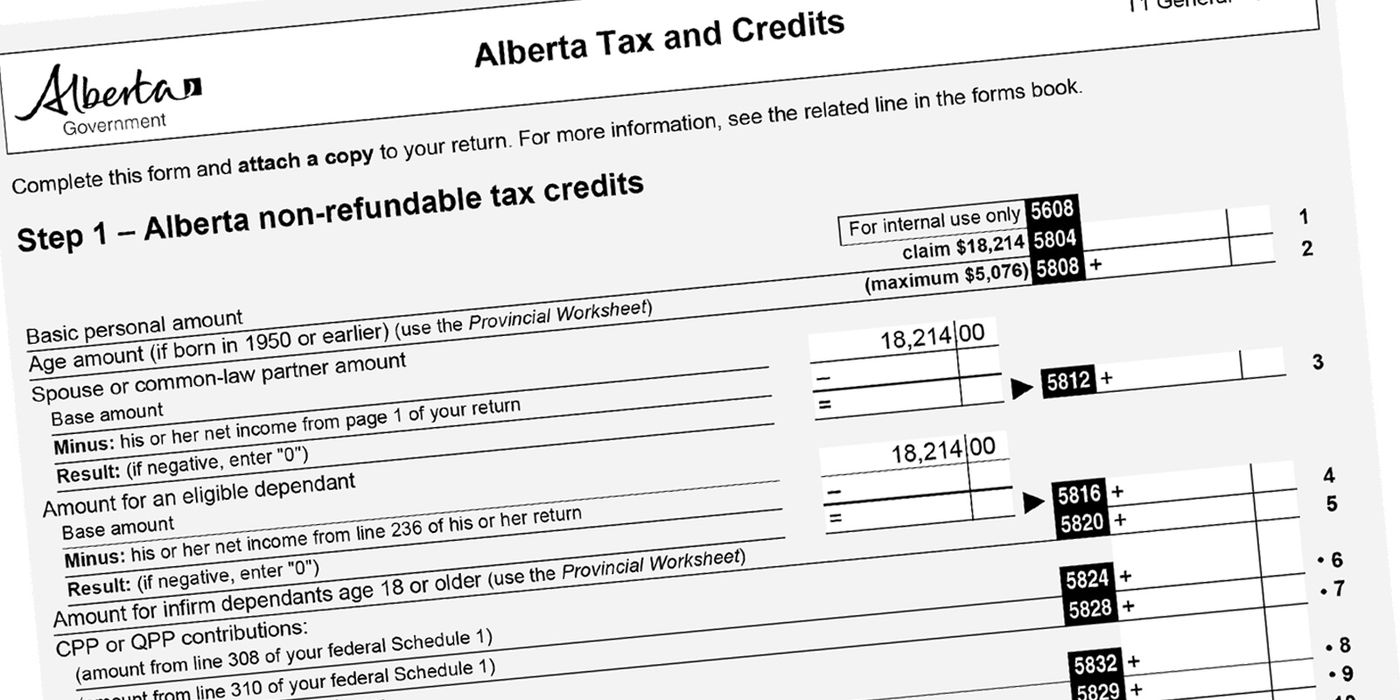
Alberta employs a progressive provincial income tax system with five brackets for the 2026 taxation year. The first $61,200 of taxable income is taxed at a rate of 8 percent. Income above $61,200 up to $154,259 is taxed at 10 percent. Any taxable income exceeding $370,220 is subject to Alberta's top provincial rate of 15 percent. These brackets are indexed annually to account for inflation, with the 2026 increase set at 2 percent as per Bill 32, the Financial Statutes Amendment Act. The indexation ensures that tax brackets and credit amounts keep pace with the cost of living, preventing bracket creep where inflation pushes taxpayers into higher brackets without an actual increase in real income.
Combined Federal and Alberta Marginal Tax Rates
Your total marginal tax rate is the sum of the federal rate and the Alberta provincial rate applied to your taxable income. When these federal rates are layered on top of the Alberta rates, the combined marginal tax rate for regular income such as employment earnings or interest can reach up to 48 percent for the highest earners. It is important to calculate tax using the combined rates because you do not pay provincial tax on one portion of income and federal tax on another separately. Instead, each dollar of your taxable income is subject to both federal and provincial tax simultaneously. The combined effect determines how much of an additional dollar you earn will be paid in total tax. The specific combined rates vary significantly depending on the type of income. For dividend income, the calculation involves a gross-up and tax credit mechanism, leading to different top rates. These rates reflect the net tax after applying the federal dividend tax credit and are not applied to the grossed-up amount reported on your tax return.
Key Tax Credits and the Basic Personal Amount
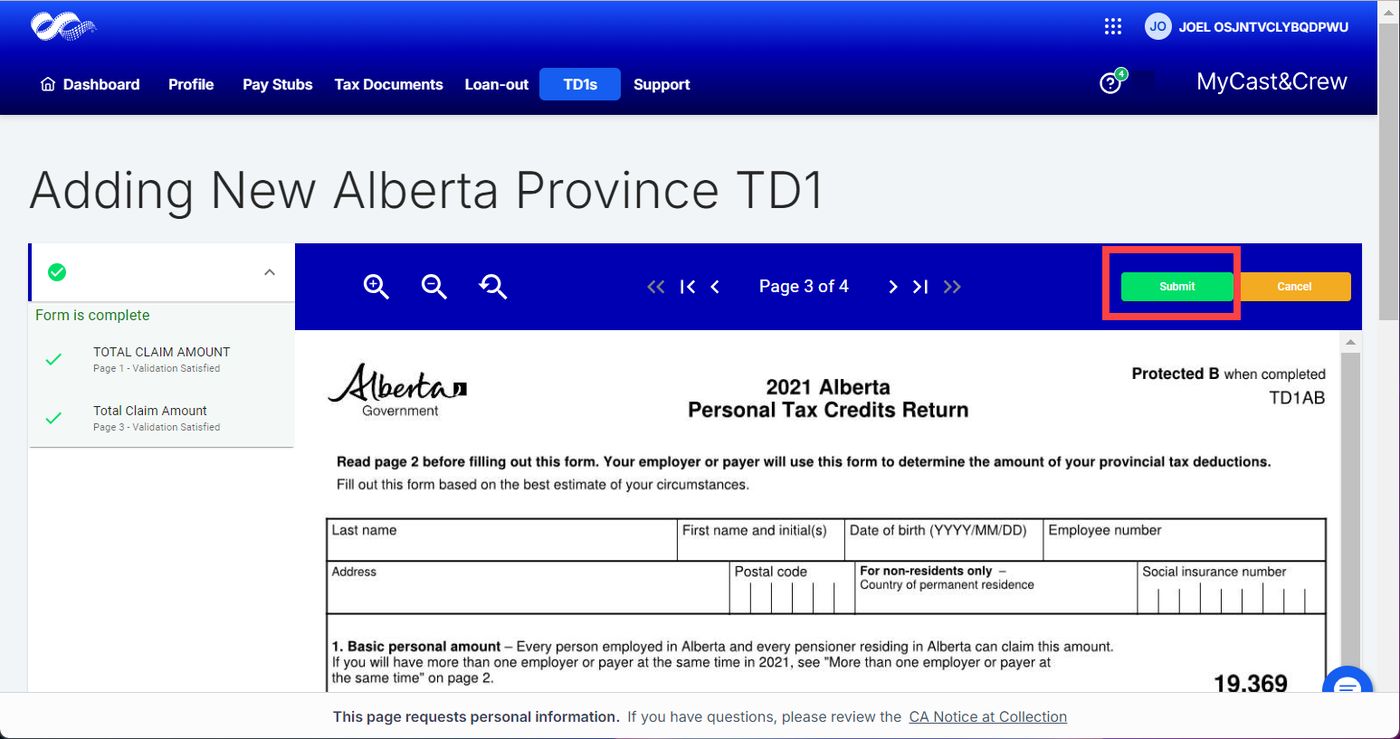
All Alberta taxpayers benefit from a provincial basic personal amount, which is a non-refundable tax credit that reduces the amount of provincial tax you owe. For 2025, Alberta's basic personal amount is $22,323, which is one of the highest provincial amounts in Canada. This amount is also indexed for inflation. The credit is calculated by applying the lowest provincial tax rate, which is 8 percent, to the basic personal amount. It is crucial to understand that the federal and provincial basic personal amounts operate independently. The federal basic amount for 2026 is $16,129, which reduces federal tax using the lowest federal rate of 14 percent. These credits do not combine into a single figure but work separately to lower your federal and provincial tax payable to zero if your income is below these thresholds. Other common non-refundable tax credits that reduce your Alberta tax include those for Canada Pension Plan contributions, Employment Insurance premiums, and the Canada employment amount. These credits are also calculated by applying the lowest provincial tax rate to the eligible expenditure or amount. Personal tax credits, along with deductions for items like Registered Retirement Savings Plan contributions or childcare expenses, are subtracted from your total income to arrive at your taxable income. The provincial tax is then calculated on this taxable income using the progressive bracket rates, and the total value of your provincial non-refundable credits is subtracted from the provincial tax owed.
Calculating Your Taxable and After-Tax Income
Determining your Alberta tax liability starts with calculating your taxable income, which is your total annual income from all sources minus specific deductions. Total income includes employment salary, self-employment earnings, investment income like interest and dividends, capital gains, and other taxable benefits. From this total, you deduct allowable items such as RRSP contributions, union or professional dues, childcare expenses, and moving expenses to arrive at your net income. Further deductions, like capital losses or certain carrying charges, are applied to calculate your taxable income. This is the amount upon which both federal and provincial tax rates are applied. A common mistake is to use gross salary without considering pre-tax deductions for benefits or post-tax contributions, which can lead to an inaccurate tax estimate. To estimate your after-tax income, or take-home pay, you must calculate both federal and provincial tax. First, apply the federal tax brackets to your taxable income to find the federal tax before credits. Then, subtract your federal non-refundable credits, including the federal basic personal amount credit. Next, repeat this process for Alberta tax using the provincial brackets and subtracting your provincial credits. Finally, subtract the combined federal and provincial tax, plus mandatory payroll deductions for CPP and EI, from your total income. The result is your approximate after-tax income. This calculation does not include potential refundable credits or certain deductions, so using an official income tax calculator or consulting your tax documents is recommended for precision.
- Step 1: Sum all income sources (employment, investments, etc.).
- Step 2: Subtract all allowable deductions (RRSP, childcare) to find taxable income.
- Step 3: Calculate federal tax using federal brackets and subtract federal credits.
- Step 4: Calculate Alberta tax using provincial brackets and subtract provincial credits.
- Step 5: Add federal and provincial tax amounts.
- Step 6: Subtract total tax and payroll deductions (CPP/EI) from total income.
Self-employed individuals must be particularly diligent as they are responsible for calculating and remitting both portions of CPP contributions and income tax installments throughout the year. Investment income such as interest must be reported even if the amount is less than $50 and no T5 slip was issued. Capital gains require reporting the taxable portion, which is 50 percent of the total gain realized in the year. Other payments like Canada Emergency Student Benefit or awards are also considered taxable income and must be declared on your annual return.
2026 Tax Rates for Different Types of Income
The marginal tax rate you pay depends heavily on the nature of the income. The rates for regular income like salary, business income, and interest are applied directly to the taxable amount. Capital gains receive preferential treatment, as only 50 percent of the gain is included in taxable income. Dividend income involves a more complex calculation. Canadian corporations pay dividends out of after-tax profits, so to prevent double taxation, individuals receive a dividend tax credit. The process requires grossing up the actual dividend received by a set percentage before adding it to income, then applying the tax credit to offset the tax calculated. For 2026, the gross-up rate for eligible dividends is 38 percent, and for non-eligible dividends it is 15 percent. An eligible dividend is typically one paid by a public corporation or a Canadian-controlled private corporation out of income taxed at the general corporate rate. A non-eligible dividend is usually paid by a small Canadian-controlled private corporation from income taxed at the small business rate. After gross-up and tax calculation, the effective top marginal tax rates on the actual cash dividend received are lower than on regular income. The table below shows the top combined federal and Alberta marginal tax rates for 2026 for different income types, applicable to taxpayers in the highest income bracket.
| Income Type | 2026 Top Marginal Tax Rate |
|---|---|
| Interest and Regular Income | 48.00% |
| Capital Gains | 24.00% |
These top rates apply once taxable income exceeds the highest bracket thresholds. The rate for eligible dividends is significantly lower due to the larger dividend tax credit designed to integrate the corporate and personal tax systems. Understanding these distinctions is vital for investment planning and income forecasting, as the after-tax return on different investment vehicles can vary considerably. The rates shown are percentages of the actual dividends received, not the grossed-up taxable dividend amount reported on your return.
Important Considerations and Common Mistakes
Several important rules and potential pitfalls surround Alberta's income tax system. The federal Alternative Minimum Tax is a parallel tax calculation that ensures individuals with high deductions still pay a minimum amount of tax. It involves recalculating taxable income by adding back certain tax preference items and applying a flat rate. If this AMT amount is higher than your regular tax, you must pay the AMT, though you may claim a credit for it in future years. Another consideration is the tax on split income, often called the kiddie tax. This rule taxes certain passive income received by a minor from a related business at the highest marginal rate, which can be up to 55 percent. Similar rules apply to prevent income sprinkling to adult family members through private corporations, taxing such split income at the top marginal rate. Personal tax credits, other than the dividend, disability, and foreign tax credits, cannot be claimed to reduce this tax on split income. A common mistake is confusing marginal and average tax rates. Your marginal rate is the tax on your next dollar of income and is used for planning purposes, such as evaluating the tax impact of a bonus or an RRSP contribution. Your average tax rate is your total tax divided by your total income, which is always lower than your top marginal rate. Another error is forgetting to report all income, such as small amounts of interest under $50 or capital gains. Alberta residents are subject to provincial tax on their worldwide income, and relief for foreign taxes is provided through foreign tax credits, not by excluding the income. Finally, relying solely on payroll withholdings without doing a periodic estimate can lead to an unexpected tax bill or a smaller refund, especially for those with multiple income sources or significant investment earnings.
- Confusing marginal tax rate with average tax rate.
- Failing to report all investment income, including interest under $50.
- Not accounting for the different tax treatment of dividends and capital gains.
- Overlooking the impact of the Alternative Minimum Tax.
- Assuming payroll withholdings are always accurate for your final tax situation.
- Neglecting to claim all eligible provincial non-refundable tax credits.
Annual Changes and Indexation for 2026
Tax brackets, credit amounts, and certain benefit thresholds are adjusted each year through a process called indexation. This adjustment is based on changes in the Consumer Price Index to prevent inflation from increasing the real tax burden. For the 2026 tax year, both the federal and Alberta governments have confirmed an indexation factor of 1.02, representing a 2 percent increase. This factor increases the dollar values of the provincial tax brackets and the Alberta basic personal amount. Specifically, Alberta's Bill 32 sets the annual indexation increase at the lesser of 2 percent or the change in the Alberta Consumer Price Index. This bill received Royal Assent on December 5, 2024, and applies to the 2025 and subsequent tax years. On the federal side, the lowest marginal tax rate is also scheduled to decrease. The rate was reduced from 15 percent to 14.5 percent for the 2025 tax year and will decrease further to 14 percent for 2026. This reduction applies to the first federal tax bracket and lowers the tax burden on lower and middle-income earners across Canada, including in Alberta. These annual changes mean that the specific income thresholds for tax brackets and the value of credits are not static. Taxpayers and financial planners must use the confirmed rates and brackets for the correct tax year when making estimates or filing returns, as using outdated information will lead to incorrect calculations. The federal tax brackets and personal tax credit amounts are also increased for 2026 by the same indexation factor of 1.02.
Frequently asked questions
What is the basic personal amount for Alberta in 2025 and 2026?
For the 2025 tax year, Alberta's basic personal amount is $22,323. This amount is indexed to inflation, and for 2026 it will increase by the confirmed indexation factor of 1.02 (2%). This non-refundable tax credit means you do not pay any Alberta provincial income tax on your first $22,323 of taxable income in 2025. It works alongside the federal basic personal amount, which is $16,129 for 2026. Each credit reduces its respective provincial or federal tax payable independently.
How do I calculate my marginal tax rate in Alberta?
To find your marginal tax rate, you must first determine your taxable income by subtracting all deductions from your total income. Then, identify which federal and Alberta provincial tax brackets your taxable income falls into. Your marginal rate is the combined percentage from both the federal and provincial rates that would apply to your next dollar of income. Online tax calculators can automate this process using your specific income figures.
Why are dividends taxed at different rates than salary income?
Dividends are taxed differently because they are paid from a corporation's after-tax profits. To prevent double taxation, the tax system uses a gross-up and credit mechanism. The dividend you receive is increased (grossed-up) by a set percentage, added to your income, and tax is calculated. Then, a dividend tax credit is applied to offset the tax, reflecting the tax already paid at the corporate level. Eligible dividends, from income taxed at higher corporate rates, have a 38% gross-up and a larger credit, resulting in a lower personal tax rate. Non-eligible dividends, often from small business income, have a 15% gross-up and a smaller credit.
What is the top marginal tax rate in Alberta for 2026?
The top combined federal and Alberta marginal tax rate for regular income like interest or salary is 48.00% for the 2026 tax year. This rate applies once your taxable income exceeds the highest provincial bracket threshold. For capital gains, the top rate is 24.00% because only 50% of the gain is taxable. These rates represent the highest percentage of tax you would pay on an additional dollar of each type of income.
How does indexation affect Alberta tax brackets?
Indexation adjusts Alberta's tax brackets and credit amounts annually based on inflation to maintain their real value. For 2026, the indexation factor is 1.02, meaning all bracket thresholds and the basic personal amount increase by 2%. This prevents bracket creep, where inflation pushes your income into a higher tax bracket even though your purchasing power hasn't increased. The specific rules for Alberta's indexation are set by Bill 32, which caps the annual increase at the lesser of 2% or the change in the Alberta Consumer Price Index.
What is the difference between marginal tax rate and average tax rate?
Your marginal tax rate is the amount of tax applied to your next dollar of income, which is crucial for financial decisions like evaluating an RRSP contribution. Your average tax rate is your total tax paid divided by your total income, representing the overall percentage of your income paid in tax. The average rate is always lower than or equal to the marginal rate in a progressive tax system. In Alberta, combined federal and provincial marginal tax rates for 2026 range between 25% and 48% depending on the type of income and the bracket. Understanding both rates helps with accurate budgeting and tax planning throughout the year.
Sources and further reading
- Alberta 2025 & 2026 Tax Rates & Tax Brackets taxtips.ca
- 2026 income tax calculator for Alberta wealthsimple.com
- 2025 Alberta Income Tax Calculator, TurboTax® Canada turbotax.intuit.ca
- Canada, Individual, Taxes on personal income taxsummaries.pwc.com
- Individual Tax Rates, Your Alberta CPA youralbertacpa.com
This article explains how things work and is not financial, tax or legal advice. Rules, limits and rates change, so check the current figures with the Canada Revenue Agency, your province or your financial institution before you act.