The exchange rate between the US dollar (USD) and the Indian rupee (INR) is a critical financial metric for Canadians sending money to India, investing, or traveling. This rate determines how many rupees one US dollar can buy and fluctuates based on global economic forces. Canadians converting money encounter different rates and fees depending on whether they use banks, credit cards, or specialized transfer services. Understanding how the rate is set, its historical trends, and the costs involved helps in making informed financial decisions.
Understanding the US Dollar and Indian Rupee
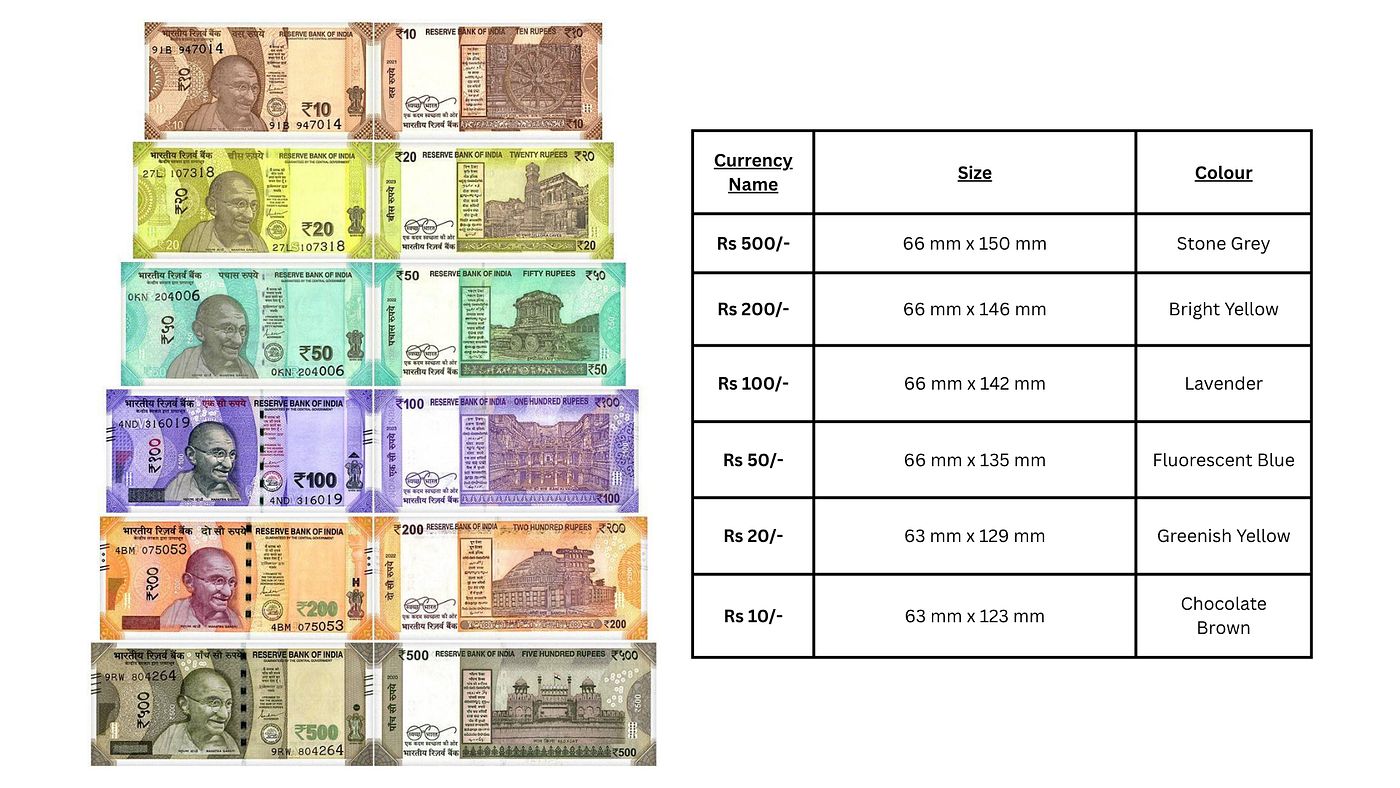
The US dollar is the world's primary reserve currency and the official legal tender of the United States. Its currency code is USD and it is symbolized by $. The Indian rupee is the official currency of India, with the currency code INR and the symbol ₹. The exchange rate between these two currencies expresses how many Indian rupees are needed to purchase one US dollar. This rate is critical for international trade, finance, and remittances between the two nations. For Canadians, the USD/INR rate often comes into play when sending US dollars to India or when dealing with investments or expenses denominated in US dollars. Many Canadians also monitor the CAD/INR rate, but transactions involving US dollars are common due to its global role.
How the USD to INR Exchange Rate is Determined
The exchange rate between the US dollar and the Indian rupee is primarily set by the foreign exchange market, a global decentralized marketplace for currency trading. The most commonly referenced rate is the mid-market rate, which is the midpoint between the buy and sell prices on these global markets. This rate is determined by the continuous interaction of supply and demand from banks, corporations, governments, and investors. The Reserve Bank of India also plays a significant role by occasionally intervening in the forex market to manage excessive volatility in the rupee's value. Factors such as interest rate differentials between the US Federal Reserve and the Reserve Bank of India directly influence capital flows and the exchange rate. Trade balances, inflation rates, and overall economic growth in both countries are other fundamental drivers. Political stability and global risk sentiment also cause the rate to move as investors seek safe-haven assets like the US dollar. The performance of the Canadian dollar against the rupee can sometimes correlate with USD/INR movements, though they are distinct pairs.
Historical Context and Notable Rate Movements
The USD/INR exchange rate has experienced significant shifts over the decades, reflecting India's evolving economic landscape. This shift led to a substantial devaluation of the rupee against the dollar. These historical movements underscore the rupee's sensitivity to both domestic economic management and international monetary policy. The Canadian dollar to rupee rate has its own history, with a 90-day high of 69.4855 and a low of 66.7507 noted in recent data, illustrating typical volatility.
Methods for Canadians to Convert USD to INR
Canadians have several options when they need to convert US dollars to Indian rupees, each with distinct cost structures. Banks offer currency exchange services, but their rates typically include a significant markup over the mid-market rate, and they may charge additional transaction fees. Specialized international money transfer services like Wise, Remitly, and Western Union have become popular alternatives. These services frequently advertise lower fees and more competitive exchange rates compared to traditional banks. Many of these providers operate online and through mobile apps, allowing for transfers directly from a Canadian bank account to a recipient's bank account or for cash pickup in India. It is crucial for users to review the total cost, which includes both the transfer fee and the exchange rate margin applied, before confirming any transaction. Providers often highlight features like real-time tracking, 24/7 customer support, and security measures to attract users.
Common steps for a digital transfer involve entering the amount to send and choosing the currencies. You then see the latest exchange rates for the transaction. Next, you choose a payment method, such as a bank account or card. Finally, you review the exchange rate and any transfer fees before confirming the transfer.
- Entering the amount of US dollars you wish to send in the currency converter.
- Choosing a payment method such as a bank account, debit card, or credit card.
- Reviewing the final exchange rate, all fees, and the total Indian rupees the recipient will get.
- Providing recipient details in India for bank deposit or cash pickup.
- Tracking the transfer using a unique reference number provided after sending.
These steps are designed for quick completion. Some services promise delivery within minutes for certain payout methods like cash pickup. The process is similar whether starting with US dollars or Canadian dollars. The main difference will be the specific exchange rate pair used for the conversion.
Fees and Charges from Financial Institutions
The total cost of converting USD to INR involves more than just the exchange rate. Fees and margins significantly impact the final amount received. Banks typically apply an exchange rate margin, which can be 2-5% above the mid-market rate, and may also levy a flat wire transfer fee. Credit card companies usually charge a foreign transaction fee on every purchase made abroad, which is a percentage of the transaction amount. International money transfer services often promote lower or even no fees on transfers, especially for larger amounts or first-time users, but they still incorporate a margin into their exchange rate. Some providers offer promotional rates for specific corridors, like CAD to INR, which can provide better value. It is common for services to show the exchange rate, transfer fee, and total recipient amount upfront before the user confirms the transfer. Canadians should always compare the final amount in INR that the recipient will get after all costs, rather than just comparing the advertised exchange rate or fee in isolation. For example, a provider may advertise a promotional rate of 68.76 INR for 1 CAD on a first transfer, which differs from the mid-market rate.
Typical costs include transfer fees which vary by amount and payment method. Providers also apply an exchange rate margin, so the rate you receive differs from the mid-market rate. Some services offer promotional rates for first transfers. It is important to review the total cost, including both the fee and the applied exchange rate, before sending.
- Banks: A significant exchange rate margin plus a wire transfer fee.
- Transfer Services (e.g., Wise): The mid-market rate with a transparent upfront transfer fee.
- Transfer Services (e.g., Western Union): An exchange rate margin and a variable transfer fee based on amount and payout method.
- Special Offers: Promotional exchange rates for new customers or on first transfers.
- Hidden Costs: Cash advance fees and interest if using a credit card to fund a transfer.
Understanding these costs is key to selecting an economical transfer method. The advertised mid-market rate is for informational purposes only. You will not receive that exact rate when sending money through a consumer service. Services apply their own margin to the exchange rate, which affects the final amount received.
Tracking Exchange Rates and Timing Transfers
Exchange rates are highly dynamic and can change frequently throughout the day as currency values shift with global financial markets. Canadians can track the USD/INR rate using online tools, currency converter apps, and services provided by banks and transfer companies. Many platforms offer interactive charts that show historical data, allowing users to see how the rate has moved over days, months, or years. Setting up a rate alert is a common feature where you receive a notification when the exchange rate reaches a specific target you have set. This can help you time your transfer to get more Indian rupees for your US dollars. It is important to remember that the live rate you see on a financial data website is the mid-market rate, which is a reference rate. The actual rate offered to you for a personal transfer will be different, as it includes the provider's margin. Monitoring the rate over time can provide insight into its volatility and help you recognize favourable trends.
Recent data shows the CAD to INR rate moved between 66.7147 and 67.3407 over the last seven days. Over the last 30 days, it moved between 66.7147 and 68.6085. Over the last 90 days, the range was between 66.7147 and 69.5127. This illustrates that exchange rates can experience a range of several rupees even over short periods.
| Time Period | High | Low | Average | Volatility |
|---|---|---|---|---|
| Last 7 Days | 67.3407 | 66.7147 | 67.0798 | 0.28% |
| Last 30 Days | 68.6085 | 66.7507 | 67.6367 | 0.33% |
| Last 90 Days | 69.5127 | 66.7147 | 68.2564 | 0.31% |
This range translates to a meaningful difference when sending larger amounts of money. Similar patterns of fluctuation apply to other currency pairs like USD/INR. The change for CAD to INR over the last 90 days was negative 2.20. This indicates a depreciation of the Canadian dollar against the Indian rupee during that period.
Security and Regulatory Considerations
When sending money internationally, the security of the transaction and the regulatory standing of the provider are vital concerns. Reputable money transfer services use encryption and fraud prevention systems to help protect transactions. They are also typically licensed and regulated by financial authorities in Canada, such as FINTRAC, and in the countries where they operate. Before initiating a transfer, it is wise to verify that the service is legitimate and has a track record of reliable operations. Users should safeguard their personal information and the unique tracking number for each transfer. It is recommended to send money only to people you know and trust, and to double-check all recipient details to avoid errors. Being aware of common scams related to money transfers is also a necessary precaution. Providers often offer guarantees or customer support channels to resolve any issues that arise during the transfer process. Following these practices helps ensure that your funds reach the intended recipient safely and efficiently.
Comparing Providers and Final Costs
The final step before sending money is to compare the total cost across different providers. This involves more than just looking at the advertised exchange rate or a single fee. You must calculate how many Indian rupees will actually be delivered to the recipient after all charges are applied. Many online services have tools that provide a real-time estimate showing the exchange rate, the transfer fee, and the final amount in INR. Some providers highlight that they offer bank-beating rates and no hidden fees, which can result in savings, especially on larger transfers. For instance, a comparison might show that sending a specific amount with one service yields hundreds or thousands more rupees than with a traditional bank. The payment method you choose in Canada, such as a bank debit versus a credit card, can also affect the final cost due to potential cash advance fees. Taking the time to compare ensures you are getting the best possible value for your US dollar conversion to Indian rupees. Services like Western Union make money from currency exchange through their applied margin, which is why their rate differs from the mid-market rate you see on Google or other converters.
Frequently asked questions
What is the difference between the mid-market rate and the rate I get?
The mid-market rate is the benchmark rate you see on financial data platforms, representing the midpoint between global buy and sell orders. The rate you actually receive from a bank or transfer service will include a margin or markup added by the provider, which is how they make money on the currency conversion. This means the final rate you get will always be less favourable than the pure mid-market rate. Always check the final rate offered to you, including all fees, before completing a transaction.
Why do exchange rates between USD and INR change so frequently?
Exchange rates change constantly due to the 24 hour nature of the global foreign exchange market. Currencies are traded based on real time supply and demand. Key factors include changes in interest rates set by central banks. Differing inflation rates and shifts in trade balances between countries also cause fluctuations.
Is it cheaper to use a bank or a money transfer service to send USD to INR?
Specialized international money transfer services are often cheaper than traditional banks for converting and sending money. Banks typically add a larger exchange rate margin and may charge separate wire transfer fees. Transfer services frequently have lower overhead and pass on some savings via more competitive rates and lower fees, especially for online transactions. However, the best option can vary based on the transfer amount, speed, and current promotions, so it is essential to compare the total cost from a few different providers.
Are there fees for using my Canadian credit card in India?
Yes, using a Canadian credit card for purchases or cash advances in India usually incurs additional costs. Most card issuers charge a foreign transaction fee, which is typically a percentage of the purchase amount. Additionally, credit card networks apply their own exchange rate for the conversion, which may include a margin. For cash withdrawals, fees and immediate interest charges often apply. Using a debit card or a travel card designed for foreign spending can sometimes reduce these costs.
How can I track the USD to INR exchange rate?
You can track the USD to INR exchange rate using online currency converters, financial news websites, and mobile apps from banks or transfer services. Many of these platforms offer live rate charts, historical data, and the ability to set up rate alerts. Setting an alert notifies you when the rate reaches a specific target you set, which can help you time your transfer for a more favourable rate. Remember that the live rate you see online is usually the mid-market rate, not the rate you will be offered.
What should I look for when comparing money transfer options?
When comparing options to send USD to INR, look at the total cost, which combines the exchange rate margin and any transfer fees to see how many rupees the recipient will actually get. Consider the transfer speed and the payout methods available to your recipient in India. Check the provider's security measures, customer support availability, and user reviews. Finally, review any minimum or maximum transfer limits and ensure the service is regulated and reputable to protect your funds.
Sources and further reading
- CAD to INR | Convert Canadian Dollar to Indian Rupee westernunion.com
- 1 CAD to INR, Convert Canadian Dollars to Indian Rupees xe.com
- Canadian dollars to Indian rupees Exchange Rate. Convert ... wise.com
- CAD to INR, Convert Canadian Dollar to Indian Rupee remitbee.com
This article explains how things work and is not financial, tax or legal advice. Rules, limits and rates change, so check the current figures with the Canada Revenue Agency, your province or your financial institution before you act.