Converting Argentine pesos to US dollars is a common financial transaction for Canadians involved in travel, business, or remittances to Argentina. The exchange rate between the Argentine peso (ARS) and the US dollar (USD) is highly volatile, influenced by Argentina's economic policies and inflation. Canadians converting money should understand that the rate they receive from banks or transfer services will differ from the mid-market rate due to fees and margins. Knowing how the rate is set and the costs involved can help in planning cost-effective currency conversions.
Understanding the Argentine Peso and US Dollar
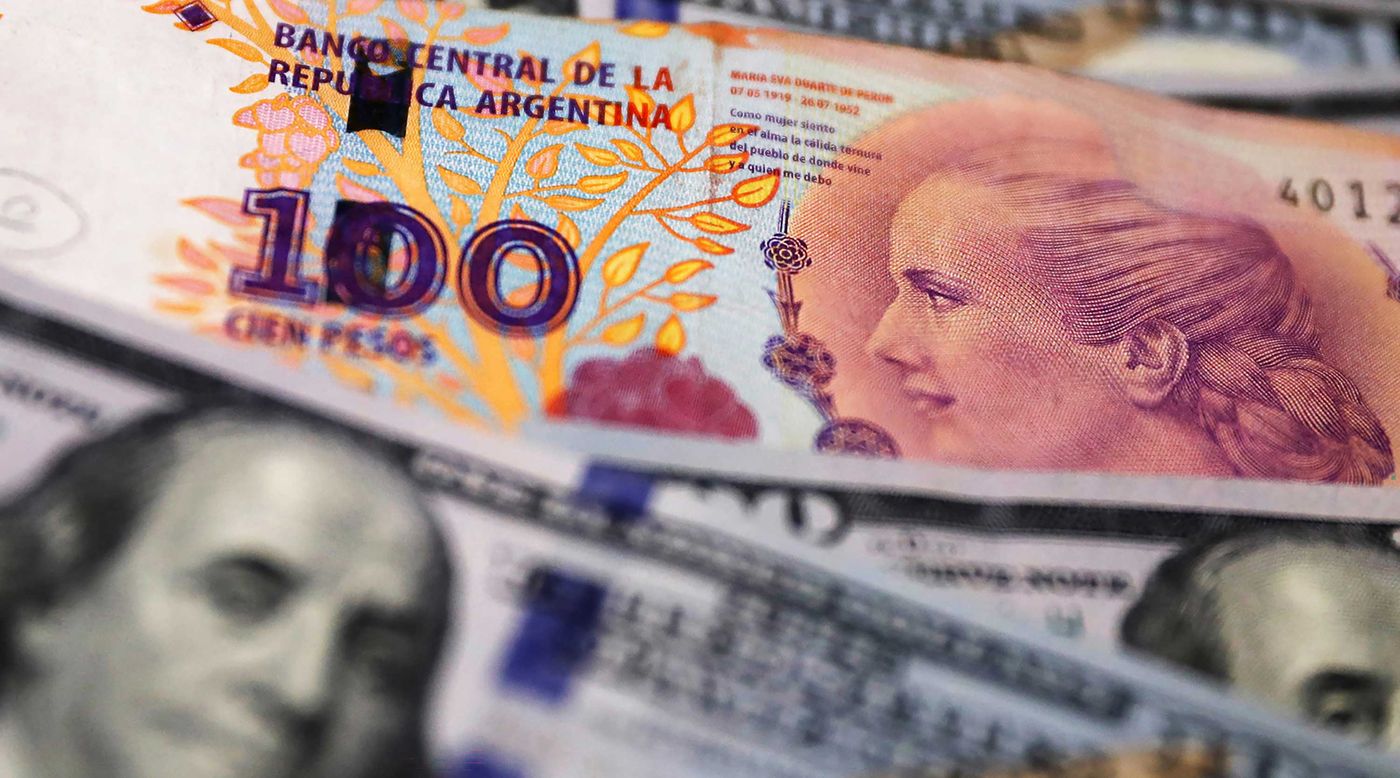
The Argentine peso is the official currency of Argentina, with the currency code ARS and the symbol $. The US dollar is the official currency of the United States, with the code USD and symbol US$. The ARS to USD exchange rate is the most popular pairing for the Argentine peso globally. For Canadians, transactions often involve converting Canadian dollars to US dollars first, or directly to Argentine pesos, when sending money to Argentina. The value of the Argentine peso has historically been subject to significant depreciation against major currencies like the US dollar due to persistent economic challenges within Argentina. The Canadian dollar, with code CAD, is the official currency of Canada and its most popular exchange rate pairing is also with the US dollar. This creates a triangular relationship for conversions between CAD, USD, and ARS.
How the ARS to USD Exchange Rate is Determined
The foundational exchange rate is the mid-market rate, which is the midpoint between the global buy and sell prices for the currency pair. This rate is set by the continuous trading in the foreign exchange market based on supply and demand. However, this is a wholesale reference rate that individuals cannot access directly. The rate Canadians actually receive from a bank, credit card, or money transfer service is the retail rate, which includes a margin or markup added to the mid-market rate. This margin is how these institutions make money on currency conversion, alongside any stated transaction fees. The mid-market rate is dynamic and can change frequently throughout the day as currency values shift with global financial markets. Services like Xe and Wise use the real mid-market rate for their informational converters but explicitly note that customers will not receive this exact rate when sending money.
Factors That Move the Argentine Peso Exchange Rate
The Argentine peso to US dollar rate is exceptionally sensitive to domestic economic conditions. Chronic high inflation in Argentina erodes the peso's purchasing power, leading to downward pressure on its value. Government monetary policy, including central bank interest rate decisions and interventions in the currency market, directly impacts the exchange rate. Investor confidence and capital flows are also critical. Political instability or debt concerns can trigger rapid devaluation. Global commodity prices, particularly for Argentina's major exports like soybeans, can influence the country's trade balance and currency strength. These factors combine to create the high volatility characteristic of the ARS/USD pair. Market rates are influenced by several key factors including economic data releases, geopolitical events, and relative interest rates between countries. The rate shown on general search engines like Google is often this mid-market rate, which differs from the rate applied by money transfer providers.
Historical Context and Notable Exchange Rate Events
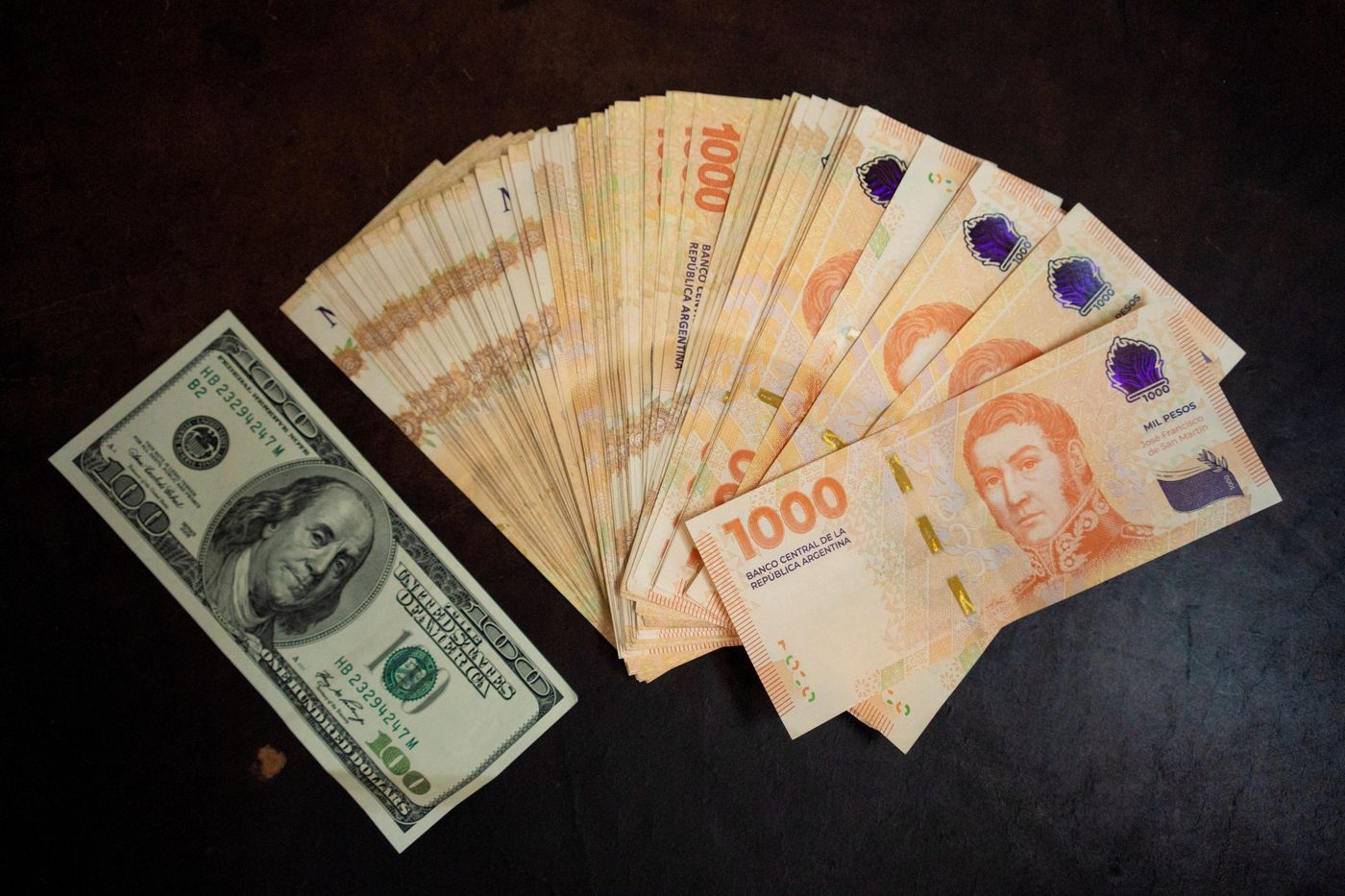
The Argentine peso has a long history of devaluation against the US dollar, marked by several currency crises and policy changes. A series of currency controls and multiple official exchange rates have been implemented at different times to manage capital flight and reserve levels. The following list outlines key mechanisms and events that have shaped the peso's modern history. The extreme volatility is evident even in short-term data. For example, over a 90-day period, the ARS to CAD rate moved between 0.00091 and 0.00095 with an average of 0.00093. This demonstrates how small absolute changes represent significant percentage moves for a low-value currency. The performance of ARS to CAD over 30 days has shown a high of 0.0009 and a low of 0.0009 with an average of 0.0009 and a change of -0.44. Over 90 days, the change was -2.47.
- Periodic reinstatement of strict capital controls and multiple exchange rates.
- Sustained periods of very high inflation leading to continual erosion of value.
- Use of the US dollar as a common store of value within Argentina's domestic economy.
- Recent daily volatility for ARS to CAD has been measured at 0.20% over seven days and 0.34% over ninety days.
How Canadians Convert Currency and Associated Costs
Canadians have several options for converting money between the Canadian dollar, US dollar, and Argentine peso. Traditional banks offer currency exchange services, both for cash and for international wire transfers. Using a Canadian credit or debit card for purchases or ATM withdrawals in Argentina will also trigger a conversion, typically at the card network's rate plus a foreign transaction fee. Online money transfer specialists like Western Union and Wise provide digital platforms for sending funds directly to Argentina, often offering competitive rates compared to banks. Each method applies different fees and exchange rate margins, affecting the total cost. Western Union allows sending money to Argentina online, via their app, or in person at an agent location for cash pickup. Services like Xe enable transfers to over 190 countries in 130 currencies, including Argentina. Canadians can also use interactive charts to view historical exchange rate data for up to five years to understand trends before converting.
Detailed Fee Structures from Banks, Cards, and Transfer Services
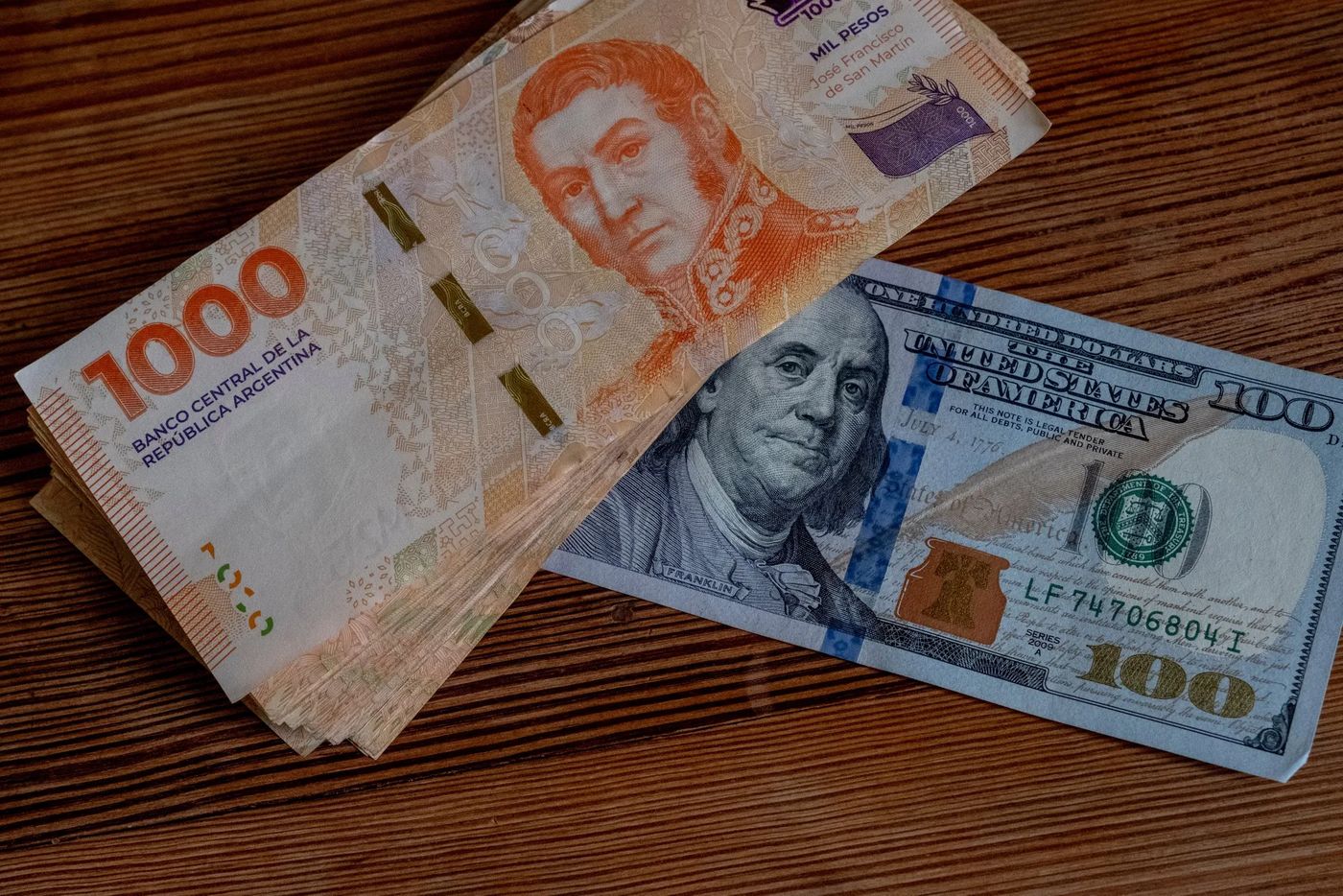
The total cost of conversion is rarely just the advertised exchange rate. Banks typically add a margin of 2% to 5% to the mid-market rate for retail transactions. If you use a credit card for a cash advance in a foreign currency, a card-issuer cash advance fee and associated interest charges may apply. Money transfer services may charge a flat fee, a percentage-based fee, or build their profit into the exchange rate margin. For example, Western Union states that its exchange rates and fees are estimates that vary by payment method, payout method, and transfer amount. It is standard practice for providers to show the total cost, including fees and the final exchange rate, before a customer confirms a transaction. Western Union makes money from currency exchange by applying a margin. Providers like Wise advertise being free from hidden fees and using the mid-market rate, but they may charge a transparent service fee for the transfer.
Comparing Conversion Methods for Sending Money to Argentina
The best method for converting and sending money depends on the amount, speed, and total cost. Banks are convenient for account holders but often have higher margins. Credit cards are simple for travel spending but incur fees. Online transfer specialists can offer more favourable rates and lower fees, especially for larger amounts. The table below summarizes typical characteristics of each provider type, though exact rates and fees vary by institution and market conditions. Western Union fees can vary depending on the amount you send, your payment method, destination country, payout option, and the exchange rate at the time of transfer. Comparison savings between providers are calculated based on specific examples, such as a single transfer of 20,000 GBP to USD, and may not include all costs for different amounts or currencies.
| Provider Type | Typical Fee Structure | Rate Offered | Key Features |
|---|---|---|---|
| Major Canadian Bank | Wire transfer fee + exchange rate margin | Retail rate with markup | Convenient for existing customers, often slower. |
| Online Transfer Service (e.g., Wise, Xe) | Variable transparent fee or built-in margin | Often closer to mid-market rate | Upfront pricing, tracking, multiple currency options. |
| Money Transfer Agent (e.g., Western Union) | Fee varies by amount & method. Margin on rate | Provider's retail rate | Cash pickup option, wide agent network, online/app service. |
Practical Steps and Security for Currency Conversion
Always check the total cost by comparing the final amount in the target currency after all fees, not just the headline exchange rate. For larger transfers, getting quotes from multiple providers can lead to significant savings. Be aware that if using a credit card for a cash advance in a foreign currency, additional cash advance fees and immediate interest charges will apply. When sending money, services like Western Union provide a Money Transfer Control Number (MTCN) to track the transaction. Due to the Argentine peso's volatility, the time of day you convert can impact the rate received, though the difference may be small relative to the provider's margin. You can set up rate alerts on platforms like Xe to receive a notification when a desired ARS to CAD or USD rate is reached. Western Union uses encryption and fraud prevention efforts to help protect international money transfers. For added safety, send money only to people you know and trust, check receiver details carefully, keep your MTCN private, and stay alert for scam warning signs.
Using Currency Converters and Understanding Quotes
Online currency converters are useful tools for getting an estimated mid-market rate. For instance, a converter may show that 1 ARS equals 0.00092201 CAD or 0.0006568 USD based on the mid-market rate. However, these are for informational purposes only. To get a real quote for a transfer, you must use a provider's send money page where you enter the amount and details to see the live exchange rate they will apply, all fees, and the estimated delivery time. Western Union's currency converter allows you to enter an amount and choose currencies to see an estimated conversion based on their available exchange rate. From there, you can continue with a money transfer. Xe's live quoter provides real-time exchange rates, estimated delivery times, and all fees shown upfront before starting a transfer. This process ensures you understand the full cost, which includes the provider's margin on the rate and any transfer fee, before you commit.
Frequently asked questions
What is the difference between the mid-market rate and the rate I get?
The mid-market rate is the real-time benchmark rate from the global currency market, representing the midpoint between buy and sell prices. The rate you receive from a bank or transfer service is the retail rate, which includes a margin added by the provider. This margin, along with any transaction fees, is how the service makes money, so the rate you get is always less favourable than the mid-market rate. Providers like Wise advertise using the mid-market rate but may charge a separate service fee.
Why is the Argentine peso so volatile against the US dollar?
The Argentine peso's value is heavily influenced by domestic factors like very high inflation, government monetary policy, and investor confidence. Economic instability, capital controls, and debt concerns have historically led to rapid devaluations. This makes the ARS/USD pair one of the more volatile major currency exchanges. Short-term volatility for ARS to CAD has been measured at 0.20% over seven days and 0.34% over ninety days, indicating frequent fluctuations.
How do Canadian banks charge for converting to Argentine pesos?
Canadian banks typically charge in two ways: a flat fee for an international wire transfer and an exchange rate margin. The margin is a percentage added to the mid-market rate, often ranging from 2% to 5%. The total cost is the sum of the fee and the loss from the unfavourable exchange rate. They provide the official currency conversion service for the Canadian dollar.
Are online money transfer services cheaper than banks for sending money to Argentina?
Often, yes. Online transfer specialists like Wise and Western Union frequently offer exchange rates closer to the mid-market rate and may have lower transparent fees compared to traditional bank wire transfers. It is advisable to compare the final recipient amount from different services before sending. Western Union's fees vary by amount, payment method, and payout option.
What should I check before confirming a currency conversion or transfer?
Before confirming, review the total cost. This includes any flat transfer fees, the exchange rate being applied, and the final amount the recipient will get in Argentine pesos or US dollars. Reputable providers show all these details upfront. Also, check the delivery time and tracking options for transfers. Ensure you have the correct recipient details and understand the payout method, such as cash pickup or bank deposit.
Does my credit card charge extra for purchases in Argentina, and what about cash advances?
If you are using a credit card, a card-issuer cash advance fee and associated interest charges may apply. This is a standard financial consideration when using credit for transactions or withdrawals abroad. To avoid these fees or for reduced fees, it is recommended to use a debit card instead. Alternatively, you should check other available payment methods before proceeding. It is important to review all potential costs associated with your card issuer's policies for international use. Understanding these charges upfront helps in managing expenses and selecting the most economical payment option for your needs in Argentina.
Sources and further reading
- Argentine pesos to Canadian dollars today wise.com
- 1 ARS to CAD, Argentine Pesos to Canadian Dollars ... xe.com
- CAD to ARS | Convert Canadian Dollar to Argentine Peso westernunion.com
- Calculate Argentine Peso to Canadian Dollar exchange rate alanchand.com
- Convert Argentine Pesos to Canadian Dollars | ARS to CAD currency.me.uk
This article explains how things work and is not financial, tax or legal advice. Rules, limits and rates change, so check the current figures with the Canada Revenue Agency, your province or your financial institution before you act.