Converting dinars to Canadian dollars involves multiple currencies, as several nations use the dinar. The exchange rate between any dinar and the Canadian dollar is set by global foreign exchange markets. Canadians convert money through banks, credit cards, and specialized transfer services, each with different fees and exchange rate markups. Understanding how these rates move and the costs involved can help manage international transactions effectively.
Understanding the Different Dinar Currencies
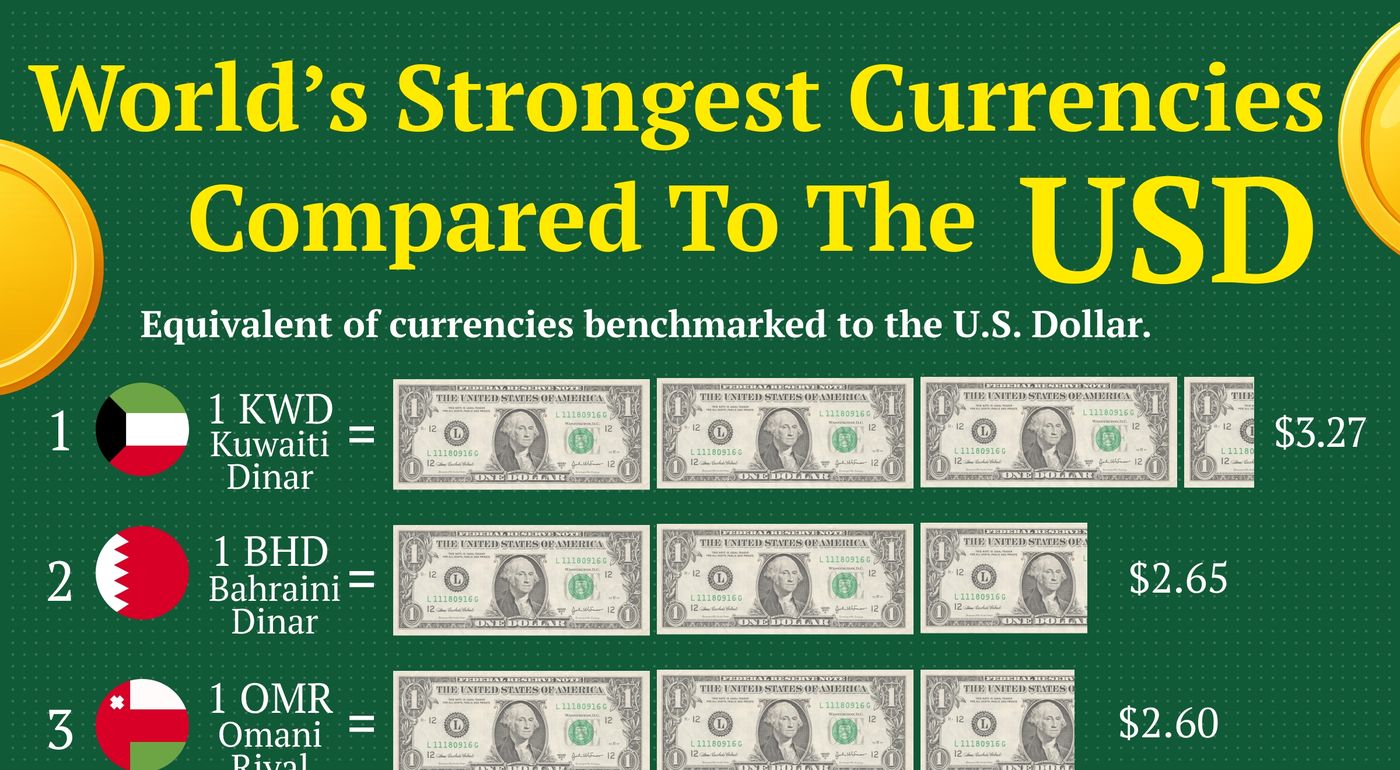
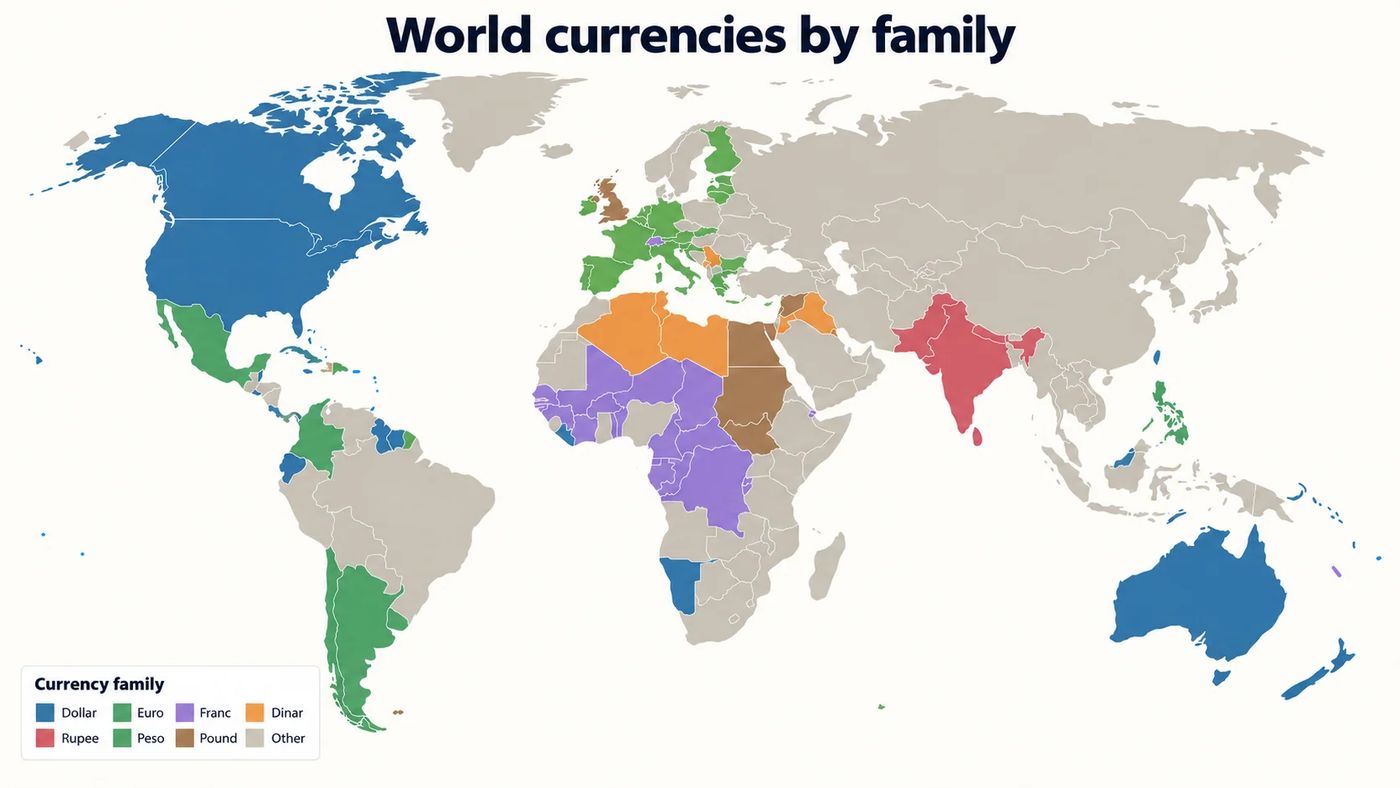
When Canadians search to convert dinar to Canadian dollar, they may be referring to one of several distinct national currencies. The dinar is the official currency of multiple countries, each with its own economic conditions and exchange rate against the Canadian dollar. The Kuwaiti dinar (KWD) is often cited as one of the world's strongest currencies, with a high value relative to the Canadian dollar. The Jordanian dinar (JOD) is another stable currency used in the Middle East. In the Balkans, the Serbian dinar (RSD) is the national currency, while in North Africa, both the Algerian dinar (DZD) and Tunisian dinar (TND) are used. The Iraqi dinar (IQD) is also a separate currency. It is crucial to identify the specific dinar in question, as their values against the Canadian dollar vary dramatically. For instance, one Kuwaiti dinar is worth many Canadian dollars, while thousands of Iraqi dinars may equal one Canadian dollar. Each currency has a unique three-letter code used in foreign exchange markets and by conversion services. Canadians dealing with family, business, or travel in these regions need to be precise about which dinar they are converting.
How Exchange Rates Are Set and What Moves Them
The exchange rate between any dinar and the Canadian dollar is determined by the global foreign exchange market. This decentralized market operates 24 hours a day, with banks, institutions, and traders constantly buying and selling currencies. The mid-market rate is the midpoint between the global buy and sell prices at any given moment. This is the rate you see on financial data feeds and is used as a benchmark. Service providers like banks and money transfer companies then apply a markup or margin to this mid-market rate to determine the rate they offer to consumers. The actual rate a Canadian receives will always be less favourable than the pure mid-market rate due to these fees. Exchange rates fluctuate due to a complex mix of factors. Central bank interest rate decisions in Canada or the dinar-issuing country have a major impact. Economic data releases, such as inflation reports, employment figures, and gross domestic product growth, cause immediate market movements. Political stability, geopolitical events, and global commodity prices, especially oil for many dinar economies, are also significant drivers. The relative demand for each currency in international trade and investment flows constantly adjusts the price.
Historical Context and Notable Rate Movements
Historical exchange rate data provides insight into the volatility and trends between dinar currencies and the Canadian dollar. Online currency converters and transfer services often provide charts showing performance over the last 30, 90 days, or several years. For example, the Serbian dinar to Canadian dollar rate (RSD/CAD) in a recent 30-day period saw a high of 0.0137 and a low of 0.0135, with an average of 0.0136. Over 90 days, the RSD/CAD range was between 0.0135 and 0.0138. The Kuwaiti dinar to Canadian dollar rate (KWD/CAD) has shown different volatility patterns. In a 90-day period, the KWD/CAD rate moved between 4.4608 and 4.6155, with an average of 4.5308. Over a 30-day span, its range was between 4.5372 and 4.6155. The Tunisian dinar to Canadian dollar (TND/CAD) also experiences fluctuations, with a 30-day high of 0.4799 and a low of 0.4695 in a recent period. These ranges illustrate that even seemingly stable currency pairs can experience measurable changes over short timeframes. Longer-term trends are influenced by diverging national economic policies, trade relationships, and shifts in global investor sentiment.

Methods Canadians Use to Convert Currency
Canadians have several options when they need to convert dinars to Canadian dollars or send money internationally. Traditional Canadian banks offer currency exchange services, both for cash and for wire transfers. Major banks allow customers to order foreign currency online or at a branch, but the exchange rates offered typically include a significant markup above the mid-market rate. Credit cards and debit cards are commonly used for spending abroad or online. Prepaid travel cards loaded with foreign currency are another option, though they can have loading and inactivity fees. The rise of specialized online money transfer services has provided competitive alternatives. Companies like Wise, Xe, and RemitBee focus on international transfers and currency conversion. These services often advertise that they use the real mid-market rate and charge a lower, transparent fee compared to banks. For converting digital assets like The Digital Dinar, a separate class of service exists. This is typically done through a cryptocurrency exchange or a peer-to-peer trading platform, where the asset's price in Canadian dollars is determined by supply and demand on that specific platform.
Fees and Charges for Conversion Services
Understanding the full cost of converting dinars to Canadian dollars requires looking beyond the advertised exchange rate. The total cost is a combination of the exchange rate margin and any fixed or variable fees. Banks and traditional providers are known for having higher margins on their exchange rates, which is a hidden cost that can be several percentage points. They may also charge a flat fee for executing an international wire transfer, which can be substantial for smaller amounts. Credit card companies usually charge a foreign transaction fee, which is a percentage of the purchase amount converted. Online transfer services structure their pricing differently. Many, like Wise, promote offering the mid-market rate and then charging a clear, upfront fee for the transfer. Others may combine a smaller margin with a fee. Some services offer promotions, such as free transfers on amounts over a certain threshold, like 500 Jordanian dinars. It is vital for Canadians to compare the total amount of Canadian dollars that will be received after all costs, not just the headline rate. Providers often have online calculators or live quoters that show the final recipient amount and all fees before the transaction is confirmed.
Key Features of Modern Transfer Services
Modern online currency transfer services compete by offering features designed for convenience and cost savings. A primary feature is real-time exchange rate tracking and conversion. Users can check live mid-market rates for pairs like JOD to CAD or KWD to CAD directly on provider websites or mobile apps. Many services offer rate alert tools, where a user can set a target exchange rate and receive a notification by email or app when the market hits that level. This allows Canadians to time their transfers to get a more favourable rate. Transparency is another major selling point. Reputable services show a full breakdown of costs, including their fee and the exchange rate that will be applied, before the user commits to the transfer. Speed of delivery is also critical, with many providers completing transfers to bank accounts within minutes to a few business days, depending on the currencies and countries involved. Security measures, such as two-factor authentication and regulatory compliance with bodies like the Financial Transactions and Reports Analysis Centre of Canada, are standard. Customer support is often available 24/7 to assist with any issues. These services also typically support a wide network, allowing transfers to over 190 countries in more than 130 currencies.
Practical Steps for Converting Dinars to Canadian Dollars
When preparing to convert dinars, following a clear process can ensure a better outcome. The first step is to identify the exact type of dinar you are holding or need to pay. Next, research the current mid-market rate for that currency pair to establish a baseline. Then, compare offers from different conversion channels. Use online comparison tools or the live quoters on service provider websites to see exactly how many Canadian dollars you would receive for your amount after all fees. Consider the transfer speed and security of each option. If you are not in a hurry, setting a rate alert can help you capture a more advantageous rate. Before finalizing any transaction, double-check all recipient details, such as bank account numbers, to avoid errors that can delay or lose the funds. Keep records of the transaction confirmation and any receipts. For larger amounts, it may be prudent to conduct a small test transfer first. By being informed and comparing the total cost from different providers, Canadians can ensure they get a fair deal when converting dinar currencies to Canadian dollars.
Common steps involved in using an online transfer service include entering the amount of dinar you wish to send or convert in the service's currency converter. You then choose a payment method such as a bank transfer, Interac e-Transfer, or debit card to fund the transfer. Next, you review the full quote showing the exchange rate and all fees upfront before you start your transfer. After that, you provide the recipient's details in Canada. Finally, you can track every transfer in real time through the service's platform until the funds are deposited.
Frequently asked questions
What is the mid-market exchange rate?
The mid-market rate is the midpoint between the global buy and sell prices for a currency pair, like KWD/CAD or JOD/CAD, in the foreign exchange market. It is a benchmark rate that fluctuates constantly. Banks and transfer services do not offer this exact rate to consumers. Instead, they add a margin or markup to it, which is how they make money on currency conversion. Checking the mid-market rate gives you a baseline to compare the real cost of different service providers.
How can I get the best exchange rate for dinar to CAD?
To get the best effective rate, you need to compare the total Canadian dollars you will receive after all fees from different providers. Online specialized transfer services often have lower margins than traditional banks. Use their online calculators to get live quotes for your specific amount. Consider setting a rate alert if you can wait, as exchange rates move daily. Avoid converting currency at airport kiosks or hotels, as they typically have the highest fees and worst rates.
Are there fees for sending money from Jordan to Canada?
Yes, there are always fees involved in an international money transfer. The cost structure varies by provider. Some companies charge a percentage-based fee, a fixed fee, or a combination of both. Others make their profit from the exchange rate margin. Some services advertise promotions like free transfers on amounts over 500 Jordanian dinars. It is essential to look at the complete pricing breakdown before sending, as a provider with a low fee might use a poorer exchange rate.
How long does a dinar to CAD transfer take?
Transfer times depend on the service provider, the currencies involved, and the payment method. Some online services advertise that transfers can complete within minutes to hours for major currency routes. Traditional bank wire transfers can take between one and five business days. The time can also be affected by intermediary bank processing and differences in business days between countries. Most reputable providers give an estimated delivery time when you get a quote.
Can I set an alert for a specific dinar to CAD rate?
Yes, many currency converter websites and money transfer apps offer a free rate alert service. You can select the currency pair, such as KWD to CAD or RSD to CAD, and set your desired target rate. The service will then notify you via email or a mobile app notification when the live mid-market rate reaches your specified level. This tool is useful if you are planning a future transfer and want to act when the exchange rate is favourable.
Is it safe to convert currency with online services?
Reputable online currency transfer services use strong security measures, including encryption and two-factor authentication, to protect your money and data. They are also regulated by financial authorities in the countries they operate in, which requires them to adhere to strict compliance standards. Before using a service, you can check if it is registered as a money services business with the Financial Transactions and Reports Analysis Centre of Canada. Reading independent customer reviews can also provide insight into a company's reliability.
Sources and further reading
- Serbian dinars to Canadian dollars today wise.com
- 1 KWD to CAD, Convert Kuwaiti Dinars to Canadian Dollars xe.com
- Jordanian Dinar (JOD) to Canadian Dollar (CAD) remitbee.com
- Convert Algerian Dinar to Canadian Dollars | DZD to CAD currency.me.uk
- DINAR to CAD Converter 3commas.io
This article explains how things work and is not financial, tax or legal advice. Rules, limits and rates change, so check the current figures with the Canada Revenue Agency, your province or your financial institution before you act.