Converting US dollars (USD) to Swiss francs (CHF) is a common financial transaction for Canadians involved in international trade, travel, or investment. The USD/CHF currency pair is among the world's most traded, reflecting its importance in global markets. The exchange rate between these two major currencies is determined by complex market forces and can fluctuate significantly. Understanding how the rate is set, its historical movements, and the costs involved in conversion helps Canadians make informed decisions when sending money to Switzerland or managing foreign currency.
The US Dollar and Swiss Franc Currencies
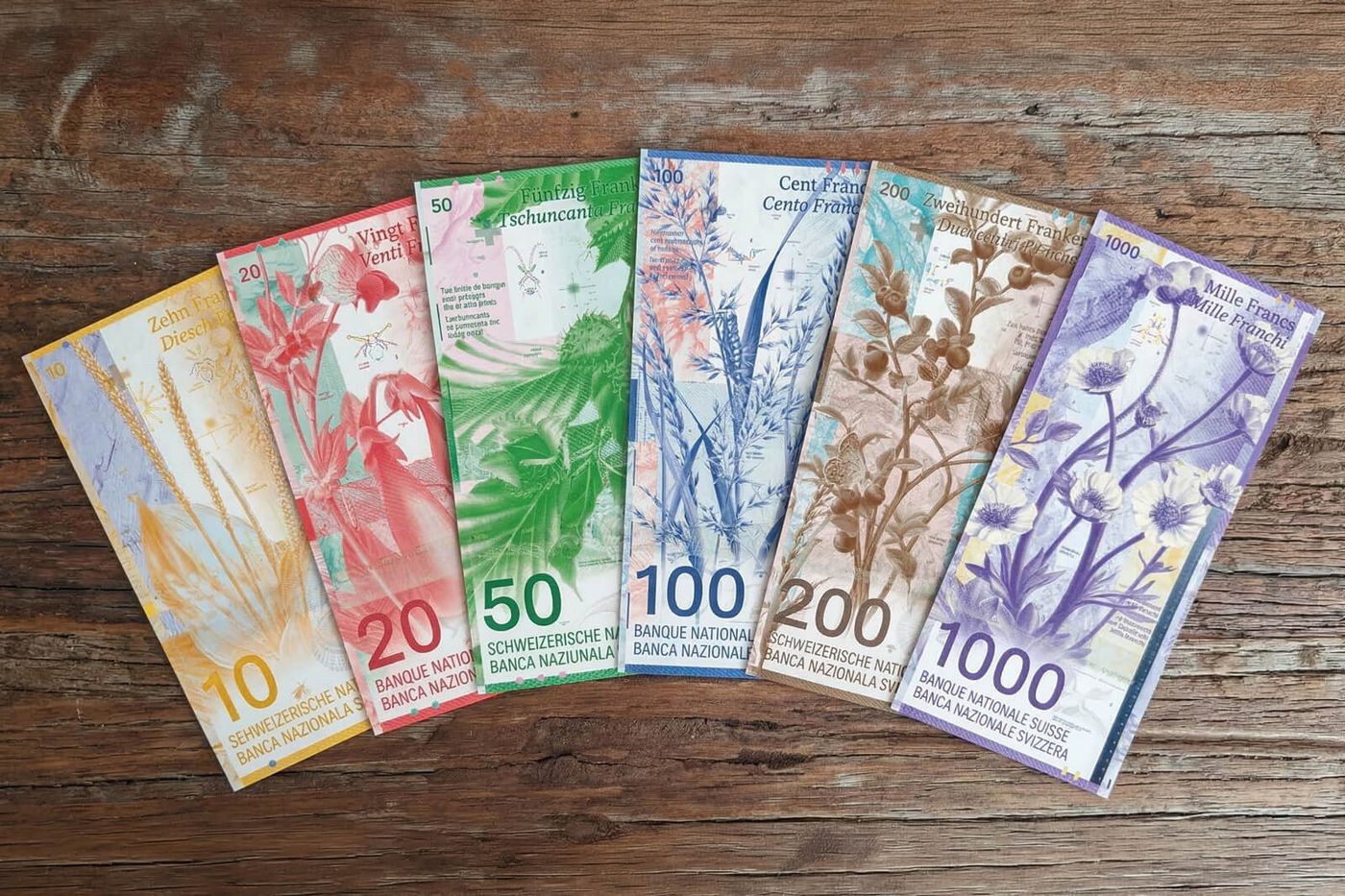
The United States dollar is the world's primary reserve currency and the most traded currency globally. The Swiss franc is the official currency of Switzerland and is known for its historical stability and safe-haven status during periods of global financial uncertainty. The currency code for the US dollar is USD, while the Swiss franc uses the code CHF. In the foreign exchange market, the pairing of these two currencies is denoted as USD/CHF. This pair represents how many Swiss francs are needed to purchase one US dollar. The Swiss franc is the world's seventh most-traded currency, while the Canadian dollar ranks eighth, indicating the high liquidity and activity surrounding these major currencies.
How the USD to CHF Exchange Rate Is Determined
The exchange rate between the US dollar and the Swiss franc is set by the global foreign exchange market. The price at which these transactions occur forms the live market rate. The most accurate reference point is the mid-market rate, which is the midpoint between the global buy and sell prices. It is important to note that individuals and businesses do not typically receive this exact rate when converting money through a bank or transfer service. Providers apply a margin or spread above this rate, which is how they generate revenue from currency conversion. The rate you see quoted online for a personal transfer will include this margin along with any stated service fees.
Several key economic and geopolitical factors drive movements in the USD/CHF rate. Central bank monetary policy, particularly interest rate decisions by the US Federal Reserve and the Swiss National Bank, is a primary driver. Higher interest rates in a country can attract foreign capital, increasing demand for its currency. Comparative economic data, such as inflation reports, employment figures, and gross domestic product growth, also cause fluctuations. The Swiss franc's role as a safe-haven asset means its value often appreciates during times of global political instability or market turmoil, as investors seek security. Trade flows, investor sentiment, and broader global risk appetite further contribute to the pair's daily volatility.
Historical Context and Notable Rate Movements
The USD/CHF exchange rate has experienced significant shifts over decades, influenced by major economic events. Historically, the Swiss franc was pegged to gold and later experienced periods of being undervalued or overvalued against the US dollar. In more recent forex market history, the pair has seen substantial swings driven by divergent monetary policies between the United States and Switzerland. For instance, during periods of aggressive US Federal Reserve tightening, the US dollar has often strengthened considerably against the franc. Conversely, during European debt crises or global financial panics, the Swiss franc has frequently surged in value as capital flows into perceived safety. Monitoring long-term charts can reveal these patterns, which are critical for understanding the currency's behaviour.
Analysing shorter-term volatility provides insight into recent market conditions. Exchange rate data shows that over a 90-day period, the CHF to CAD rate moved between 1.6947 and 1.7388, with an average of 1.7148 and a volatility measure of 0.26 percent. Over a 30-day span, the range was between 1.7009 and 1.7212. These figures illustrate the constant, though sometimes small, fluctuations that occur in the currency markets. For the related CAD/CHF pair, the 90-day performance showed a high of 0.5901 and a low of 0.5751. Such ranges are important for Canadians to consider when timing a currency conversion, as waiting for a more favourable rate within these typical bands can impact the final amount received.
Methods for Converting USD to CHF in Canada
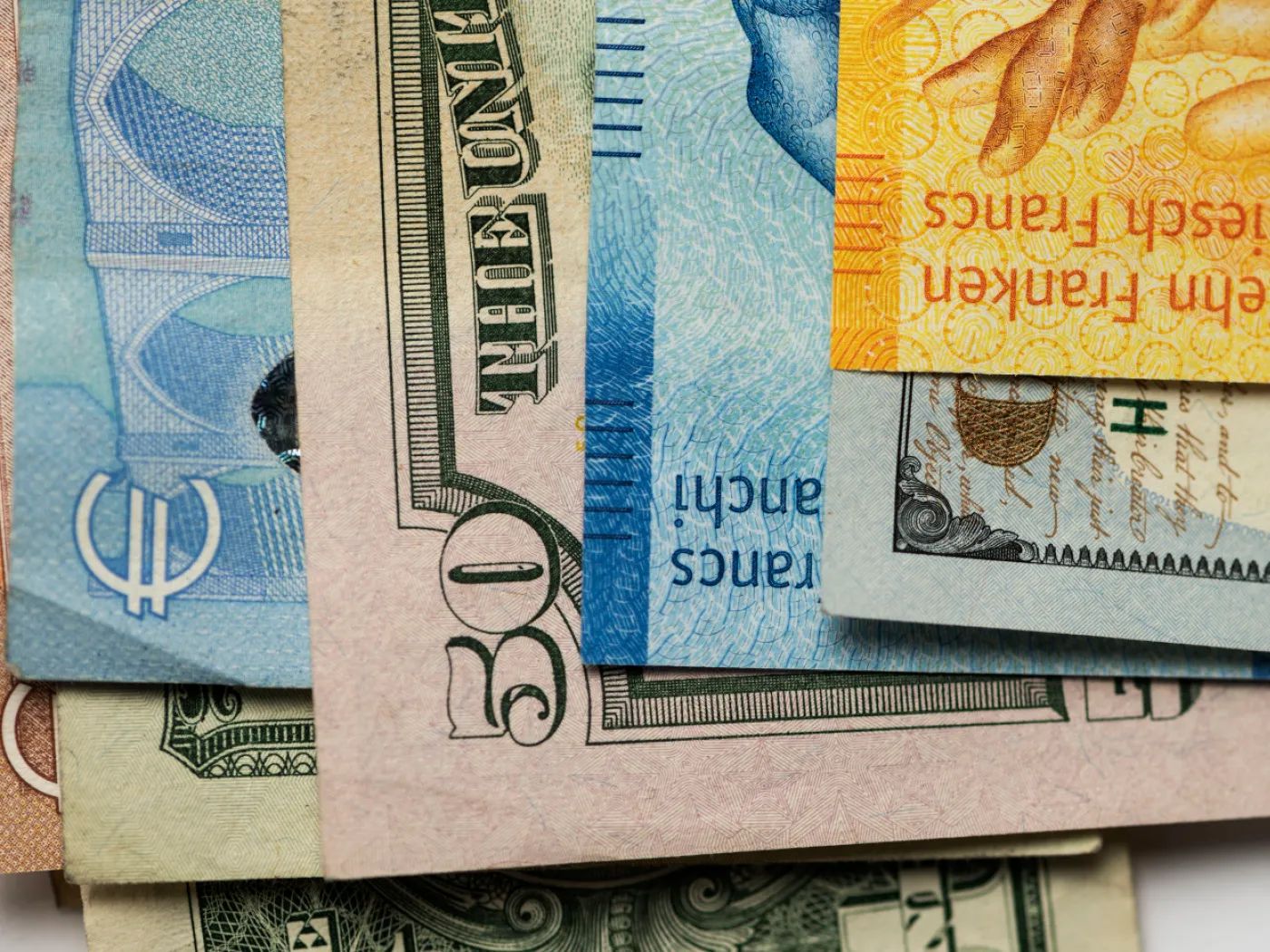
Canadians have several options when they need to convert US dollars to Swiss francs. Traditional banks offer currency exchange services, both for cash at branches and for electronic transfers. Specialist foreign exchange companies and online money transfer providers present alternatives that often advertise more competitive rates. Many services also operate through mobile applications, allowing users to initiate transfers and monitor exchange rates from their phones. The conversion process is generally straightforward across all platforms. A user selects the US dollar as the currency they are sending from and the Swiss franc as the currency they are sending to. They then enter the amount they wish to convert, and the service provides a quote showing the exchange rate to be applied and any fees. After reviewing the total cost, the user can proceed to fund the transfer and provide the recipient's details in Switzerland.
Key steps in a typical currency conversion process are selecting USD as the 'from' currency and CHF as the 'to' currency on the provider's platform and entering the specific amount of US dollars you wish to convert. You must then review the quoted exchange rate, which will be the mid-market rate plus the provider's margin, and examine all applicable transfer fees, which may be flat or percentage-based. The next steps are to provide the recipient's banking information in Switzerland for an electronic transfer and choose a payment method for your USD, such as a bank debit, wire, or card. Finally, you confirm the transaction and receive a tracking number or MTCN to monitor the transfer. Many providers offer tools to help customers make informed decisions. Live currency charts that track mid-market rates over the last 12 months or more allow users to see historical trends. Rate alert functions can notify a user via email or app when the USD/CHF rate reaches a desired target level. These features are particularly useful for planning larger transfers, such as for property purchases or tuition payments, where timing can lead to significant savings.
Fees, Margins, and Comparing Provider Costs
The total cost of converting USD to CHF is rarely just the advertised exchange rate. It typically consists of two main components: an exchange rate margin and a separate transfer fee. The margin is the difference between the mid-market rate and the rate actually offered to the customer. This spread is often where banks and some transfer services make a significant portion of their revenue. As noted, some specialist providers claim to offer margins that are up to 4 percent better than traditional banks, which can translate to substantial savings on large transfers. The second component is a stated transaction or wire fee, which can be a flat charge or a percentage of the transfer amount. These fees vary by provider, payment method, transfer speed, and destination.
To understand the full cost, Canadians must compare the total amount of Swiss francs that will be delivered after all charges. A provider with a slightly better exchange rate but a high fixed fee may be more expensive for a small transfer than a provider with a slightly wider margin but no fee. Transparency is a critical differentiator among services. Reputable companies show all fees and the applicable exchange rate upfront before the customer confirms the transaction. They also clearly distinguish between the mid-market reference rate and their own offered rate. In contrast, some institutions may embed larger, less obvious margins within their quoted rate. Customers should always review the final delivery amount in CHF and compare it across multiple providers.
| Cost Component | Typical Characteristic | Impact on Total |
|---|---|---|
| Exchange Rate Margin/Spread | Added to the mid-market rate. Can be 2-4% at banks. | Directly reduces the amount of CHF received. |
| Fixed Transfer Fee | A flat fee for processing the transaction. | More impactful on smaller transfer amounts. |
| Percentage-Based Fee | A charge based on a percentage of the send amount. | Scales directly with the size of the transfer. |
| Payment Method Surcharge | Fees for using a credit card or other specific funding. | Adds an extra, sometimes hidden, layer of cost. |
Use Cases for USD to CHF Transfers
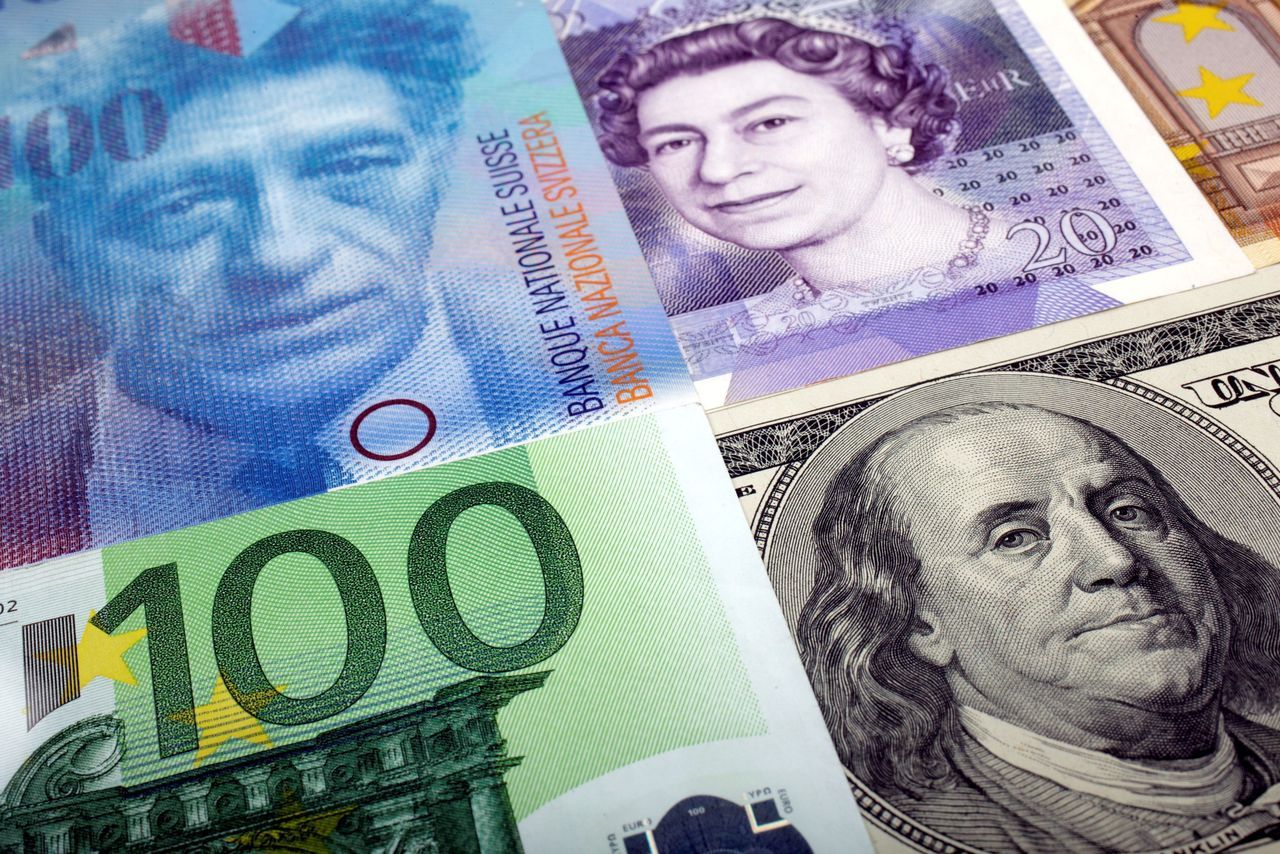
Personal and business needs drive the majority of conversions from US dollars to Swiss francs. A common personal use case is sending money to family or friends living in Switzerland. Another is funding travel expenses, such as hotel bookings or tours, though travellers often convert cash or use credit cards abroad. Major life events also necessitate large transfers. Canadians paying tuition fees for study at a Swiss university must convert substantial sums, where securing a good exchange rate is crucial. Similarly, individuals purchasing real estate in Switzerland will execute very large currency conversions, where even a small difference in the rate can amount to thousands of francs. Retirees or snowbirds with financial interests in Switzerland may make regular transfers to cover living costs, making consistent, low-cost conversion important.
On the business side, companies engaged in international trade use USD/CHF conversions to pay Swiss suppliers for goods and services. The efficiency and cost of these transactions directly affect profit margins. Businesses with operations in Switzerland need to pay employees and contractors, requiring reliable and frequent foreign exchange services. Furthermore, companies that receive payments in Swiss francs from Swiss clients must convert those funds back to US or Canadian dollars. In all these scenarios, businesses benefit from services that offer transparent, live mid-market rates, low margins, and the ability to set rate alerts to manage currency risk. The ability to compare offered rates directly against bank rates allows both individuals and businesses to ensure they are getting fair value.
Security and Practical Considerations
When sending money internationally, security is a paramount concern. Reputable currency exchange and transfer providers employ robust encryption technologies to protect users' personal and financial data during online transactions. Fraud prevention systems are also standard to detect and prevent unauthorized activity. For added safety, customers should only send money to people they know and trust and should double-check all recipient details, such as bank account numbers and beneficiary names, before confirming a transfer. It is also advisable to keep the transfer tracking number, often called an MTCN, private and secure, as it is required to monitor the transaction's progress or for the recipient to collect funds if sent for cash pickup.
From a practical standpoint, understanding the difference between the rate seen on a financial data website and the rate offered by a transfer provider is important. The rate displayed on a general search or currency converter is almost always the mid-market reference rate. A transfer service's rate will differ because it includes their operational margin. Delivery times can vary from same-day to several business days, depending on the service type, currencies involved, and banking cut-off times. Most providers offer multiple payout options in Switzerland, including direct bank deposit, which is common for larger amounts, and cash pickup at agent locations for recipients without a bank account. Reviewing all these details, the total cost in fees and rate margin, the security measures, the delivery speed, and the payout method, ensures a smooth and cost-effective transfer experience.
Frequently asked questions
What is the mid-market rate for USD to CHF?
The mid-market rate is the real-time midpoint between the global buy and sell prices for the USD/CHF currency pair. It is the most accurate reflection of the currency's value at any given moment and is used as a benchmark in financial markets. It is important to know that when you convert money through a bank or transfer service, you will not receive this exact rate. Providers apply a margin or spread to the mid-market rate, which constitutes part of their fee for the service. Always check the final rate you are being offered, which includes this margin, before confirming a transaction.
How can I get the best USD to CHF exchange rate?
To secure a favourable rate, you should compare quotes from multiple providers, including traditional banks, online foreign exchange specialists, and money transfer services. Specialist providers often advertise margins that are up to 4 percent better than typical bank rates. Use live rate comparison tools and charts to monitor the market over time. Setting a rate alert can notify you when the market reaches your target level, allowing you to act quickly. Always look at the total amount of Swiss francs that will be delivered after all fees and margins, not just the advertised exchange rate, as this is the true measure of value.
What fees are involved in converting USD to CHF?
The total cost usually includes two types of fees. First, an exchange rate margin or spread is added to the mid-market rate. This is often the largest cost and can vary significantly between providers. Second, there may be a separate transfer fee, which can be a flat charge or a percentage of the amount sent. Some providers also have fees associated with specific payment methods, such as credit card cash advance fees. A transparent provider will show you the exchange rate to be applied, all fees, and the final delivery amount in CHF upfront before you commit to the transfer, allowing for an accurate cost comparison.
How long does a money transfer to Switzerland take?
Transfer times can vary based on the service provider, the payment method used to fund the transfer, and banking processing times. Some electronic transfers can be completed within the same business day, while others may take two to five business days. Transfers initiated near weekends or holidays may experience delays. The payout method chosen in Switzerland also affects timing. A direct bank deposit may clear faster than a cash pickup arrangement. When you initiate a transfer, the provider should give you an estimated delivery time, and most offer tracking so you can monitor the progress in real time.
Is it safe to send money to Switzerland online?
Sending money online is generally safe when using a reputable and regulated provider. Established companies use strong encryption to protect your personal and financial information during the transaction. They also have fraud prevention systems in place. For your own security, you should only send money to people you know and trust. Always verify the recipient's details carefully before sending, keep your transfer tracking number (MTCN) confidential, and be aware of common scam tactics. Using a provider's official website or app, rather than clicking on links in unsolicited emails, further enhances security.
Why is the rate I get different from the rate on Google?
The exchange rate you see on Google or other general information sites is typically the mid-market reference rate, which is a live market data feed. When you convert currency through a bank or transfer service, the rate offered includes a margin added to that mid-market rate. This margin is how the service provider makes money on the transaction. The size of this margin can vary greatly between different banks and specialist transfer companies. Therefore, the final rate you are quoted for a personal transfer will always differ from the pure mid-market rate, and it is essential to review this final rate along with any other fees to understand the total cost.
Sources and further reading
- Canadian dollars to Swiss francs Exchange Rate. Convert ... wise.com
- 1 CHF to CAD, Convert Swiss Francs to Canadian Dollars xe.com
- CAD to CHF | Convert Canadian Dollar to Swiss Franc westernunion.com
- 1 USD to CHF, Convert US Dollar to Swiss Franc dukascopy.com
- Compare USD to CHF Rates | Best Exchange ... mtfxgroup.com
This article explains how things work and is not financial, tax or legal advice. Rules, limits and rates change, so check the current figures with the Canada Revenue Agency, your province or your financial institution before you act.