Converting Thai baht to US dollars is a common financial transaction for Canadian travellers, investors, and businesses with international dealings. The exchange rate between these two major currencies fluctuates based on global economic forces, central bank policies, and market sentiment. Canadians converting money need to understand how the rate is set and the typical costs charged by banks, credit cards, and transfer services. This knowledge helps in planning transactions to manage conversion expenses effectively.
Understanding the Thai Baht and US Dollar
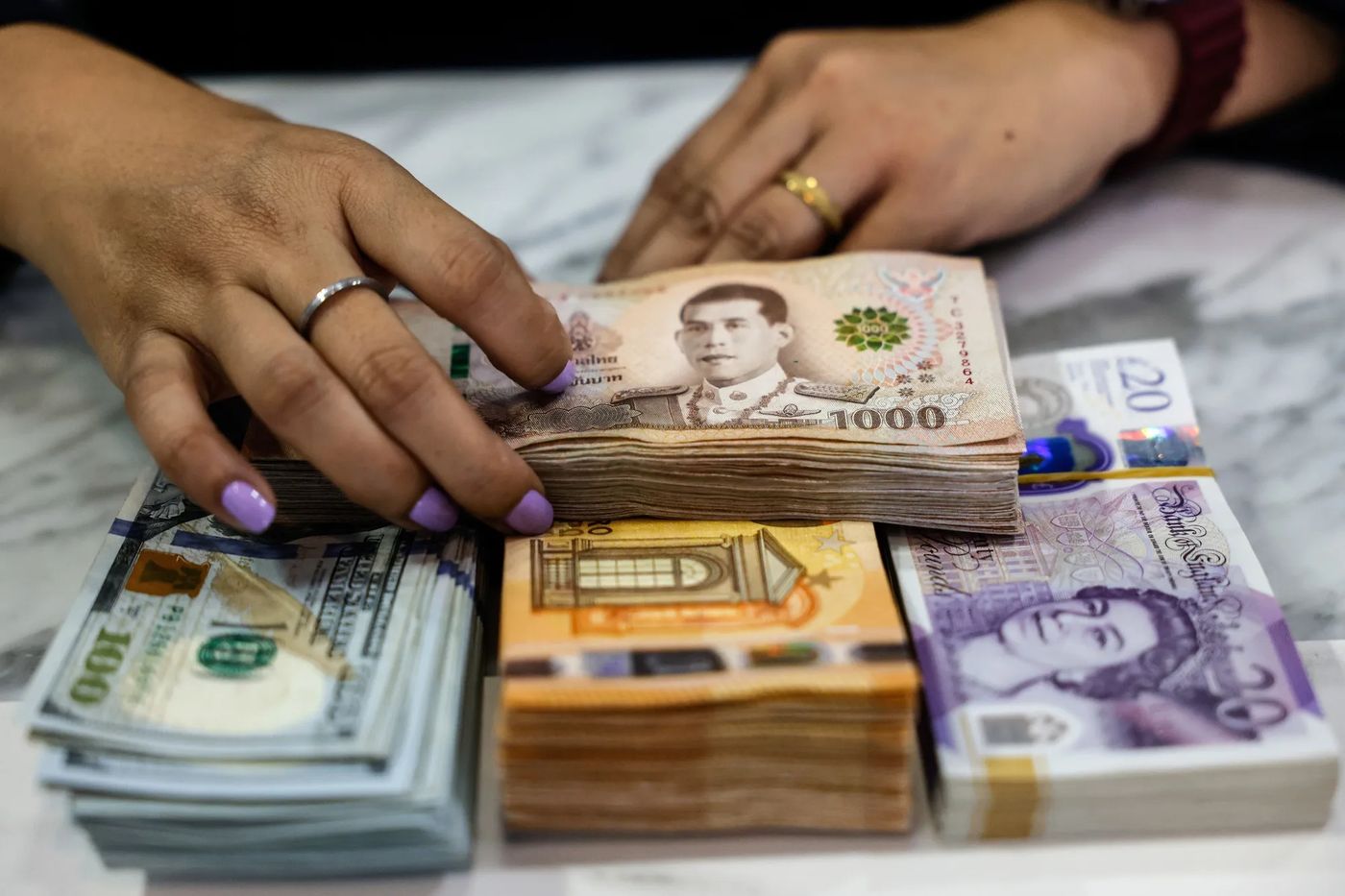
The Thai baht is the official currency of Thailand, issued and managed by the Bank of Thailand. Its currency code is THB and it is commonly symbolized by ฿. The US dollar is the official currency of the United States, issued by the Federal Reserve System, with the code USD and symbol $. Both currencies are among the most traded in the world, with the USD to THB rate being a key benchmark for trade and investment between the United States and Southeast Asia. For Canadians, transactions between these two currencies often involve a two-step process, first converting Canadian dollars to one of them, which adds a layer of cost consideration. The stability and policies of the respective central banks are fundamental to each currency's value on the global stage.
How the THB to USD Exchange Rate is Determined
The exchange rate between the Thai baht and the US dollar is primarily set by the foreign exchange market, where currencies are traded 24 hours a day. The foundational rate is the mid-market rate, which is the midpoint between the global buy and sell prices for the currency pair. This is the true benchmark rate used by banks and institutions for large trades, often for amounts in the millions of dollars. Financial institutions provide retail rates to consumers, which include a spread or margin added to the mid-market rate. This spread accounts for the bank's service, profit, and the market risk of holding smaller client amounts before they can be aggregated and traded in the wholesale market. The rate quoted by services like Google is typically the mid-market rate, but the actual rate a Canadian receives will differ due to these added margins. Factors that cause the underlying rate to move include differences in interest rates set by the Federal Reserve and the Bank of Thailand, the relative strength of each economy, trade balances, and broader global investor sentiment.
Key Factors Influencing Exchange Rate Movements
Several economic and geopolitical factors cause the value of the Thai baht against the US dollar to rise and fall. Central bank monetary policy is a primary driver, as interest rate decisions in the United States and Thailand directly affect capital flows and currency attractiveness. The relative economic growth and inflation rates of the two countries also play a significant role, with stronger growth often strengthening a currency. Thailand's current account balance, which includes trade in goods and services, influences demand for baht to pay for Thai exports. Global risk sentiment is another major factor, as the US dollar is often seen as a safe-haven currency during times of international uncertainty, which can lead to selling of currencies like the baht. Political stability within Thailand and US foreign policy can also trigger short-term volatility in the exchange rate. These factors combine to create a dynamic pricing environment that changes by the minute on trading desks around the world.
Historical Context and Notable Rate Levels
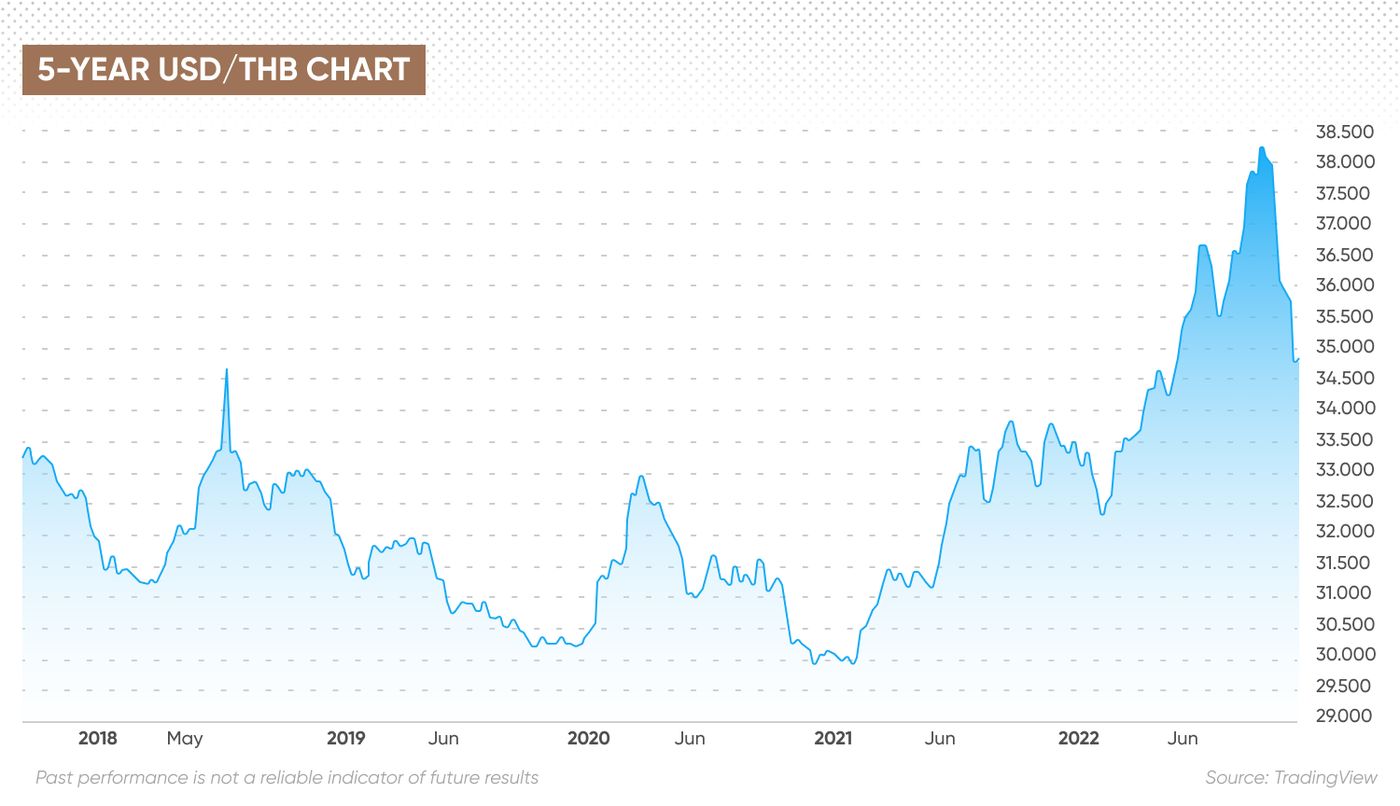
The historical relationship between the Thai baht and the US dollar has seen periods of both stability and sharp volatility. Prior to the crisis, the baht was pegged to a basket of currencies dominated by the US dollar. The inability to maintain this peg led to a dramatic devaluation, with the baht losing more than half its value against the dollar in a short period. This event forced the Bank of Thailand to abandon the fixed exchange rate regime and adopt a managed float, which remains in place today. Since then, the baht has experienced cycles of strength and weakness, influenced by global financial crises, tourism flows, and changes in Thailand's export performance.
Methods for Canadians to Convert Currency
Canadians have several options for converting Thai baht to US dollars or vice versa, each with different cost structures and conveniences. Traditional banks offer currency exchange services at their branches, online, or through affiliated banks like RBC for cross-border services. Credit and debit cards are widely used for transactions abroad, with conversions happening at the point of sale or ATM withdrawal. Specialized money transfer services, such as Western Union or OFX, focus on sending larger amounts internationally. Digital multi-currency accounts, like Wise, allow users to hold and convert currencies at the mid-market rate. The choice of method often depends on the amount being converted, the need for speed, and the user's tolerance for fees. For larger planned transfers, using a service that quotes the mid-market rate with a transparent fee can be more cost effective than standard bank rates. For casual spending while travelling, a credit card with no foreign transaction fee might be the simplest tool.
Fees and Charges from Financial Institutions
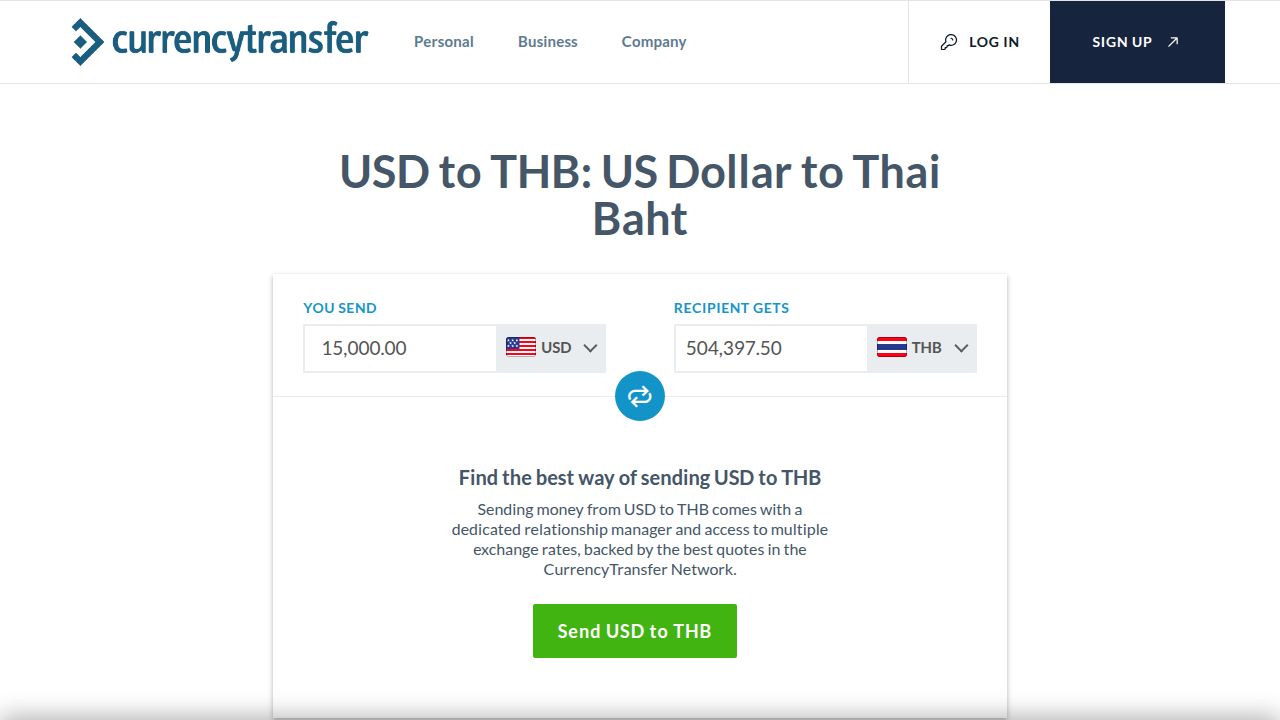
Understanding the full cost of currency conversion requires looking beyond the advertised exchange rate to the embedded fees and margins. Banks typically add a spread of two to five percent to the mid-market rate, which is their primary source of revenue from the exchange. Money transfer services like Western Union charge a separate transfer fee that varies by amount, destination, and payment method, and they may also apply a margin to the rate. Some providers offer rewards programs, where points can be redeemed for discounts on these fees. For instance, 500 Western Union Rewards points can translate to up to a two Canadian dollar discount on a transfer fee. Digital providers often promote bank-beating rates by using the mid-market rate and charging a lower, transparent percentage fee. It is crucial for Canadians to review the total cost, including both the rate margin and any fixed fees, before confirming any transaction.
Comparison of Service Limits and Features
Different currency conversion services impose various limits and offer distinct features that can affect a Canadian's choice. Banks often have higher limits for online transactions compared to in-branch requests. For example, RBC allows clients to exchange up to 25,000 Canadian dollars or US dollars at a time between linked RBC Royal Bank and RBC Bank accounts via online banking. For amounts above that limit, clients must call phone support to arrange a single transfer of up to 100,000 dollars. Many digital wallets and transfer services have their own tiers, often with higher fees or different rates for amounts above certain thresholds. The table below outlines key features and limits for common service types, and these limits are important for planning large transfers, such as for property purchases, business payments, or major investments.
| Provider Type | Key Feature or Limit | Notable Detail |
|---|---|---|
| Major Bank (RBC) | Cross-border transfer limit | $25,000 CAD/USD per online transaction |
| Major Bank (RBC) | Phone-assisted transfer limit | Up to $100,000 CAD/USD per transaction |
| Transfer Service (Western Union) | Rewards program discount | 500 points = up to $2 CAD off transfer fees |
| Bank ATM Access (RBC U.S.) | No-fee ATM network | Access to 50,000+ Allpoint and PNC ATMs |
| Debit Card Cash Advance (U.S.) | Maximum withdrawal limit | Up to $5,000 USD, varies by institution |
Online cross-border transfers between linked RBC Royal Bank and RBC Bank accounts are instant. Other international wire transfers can take one to three business days to complete. Some digital currency platforms offer a feature to set rate alerts. This allows users to receive a notification and wait for a favourable exchange rate before executing a conversion.
Practical Tips for Converting Money
Canadians can take several practical steps to manage currency conversion more effectively and reduce costs. First, always compare the total cost from multiple providers, as the rate and fee combination can vary significantly. Using a debit card for cash back at point of sale in the United States can be a convenient way to obtain US dollars without a separate ATM fee. When holding a U.S. bank account, such as with RBC Bank, you can keep funds in U.S. dollars and convert them only when rates are favourable, a strategy known as timing the market. For recurring transfers, investigate services that offer preferred exchange rates for premium account holders. Always check if your credit card charges a foreign transaction fee, and consider obtaining one that does not if you travel or shop internationally frequently. Be aware of security practices, such as keeping your money transfer control number private and only sending funds to people you know and trust. Finally, for large one-time conversions, contacting the provider directly by phone may provide access to better rates or facilitate transactions above standard online limits.
Frequently asked questions
What is the mid-market exchange rate?
The mid-market rate is the midpoint between the global buy and sell prices for a currency pair on the wholesale foreign exchange market. It is the true benchmark rate used by banks for large transactions, often for amounts in the millions. This is the rate you typically see on financial data websites or Google, but it is not the rate consumers receive. Retail customers are offered a rate that includes a spread added to the mid-market rate to cover the service provider's costs and profit.
How can I convert Thai baht to US dollars from Canada?
You can convert currency through several channels. Banks like RBC offer conversion services online, by phone, or in branch, especially if you have linked cross-border accounts. Money transfer services such as Western Union or OFX allow you to initiate conversions online or via an app, often for sending money overseas. Using a credit or debit card for a purchase or ATM withdrawal in the United States will also trigger an automatic conversion. Digital multi-currency accounts provide a platform to hold and convert funds at live rates.
What fees should I expect when converting currency?
Expect two main types of costs: an exchange rate margin and a transaction fee. Banks and transfer services add a margin, or spread, to the mid-market rate, which can be several percentage points. Transfer services may also have a separate fixed or variable fee for sending money. Some providers offer rewards, like Western Union's points that can discount these fees. Always review the full cost breakdown before confirming a transaction.
Are there limits on how much I can convert at once?
Yes, providers set limits for security and operational reasons. For example, RBC limits online cross-border transfers between Canadian and U.S. accounts to 25,000 Canadian dollars or US dollars per transaction. For larger amounts, you can call their support line to arrange a transfer of up to 100,000 dollars. Other services have their own thresholds, which may depend on your account verification level, the payment method used, and regulatory requirements.
How do I get the best exchange rate?
To get a favourable rate, compare total costs from banks, credit cards, and specialized transfer services. Services that use the mid-market rate and charge a low, transparent fee often provide better value than traditional bank rates. Consider timing your conversion if you have flexibility, as rates fluctuate daily. Setting up a rate alert with a provider can notify you when your target rate is reached. For larger amounts, negotiating with your bank or using a dedicated foreign exchange broker may yield a better rate.
Can I open a U.S. bank account from Canada to hold USD?
Yes, some banks facilitate this. For instance, RBC allows Canadian residents to open an RBC Bank U.S. account without needing a U.S. address or Social Security Number. You must be 18 years or older and reside in Canada or the United States. This allows you to hold U.S. dollars separately and convert funds between your Canadian and U.S. accounts instantly online when you decide the exchange rate is right, often with no transfer fee.
Sources and further reading
- Thai bahts to Canadian dollars Exchange Rate. Convert ... wise.com
- CAD to THB | Convert Canadian Dollar to Thai Baht westernunion.com
- 1 THB to CAD, Convert Thai Baht to Canadian Dollars xe.com
- USD ⇔ CAD Currency Converter, RBC Bank rbcbank.com
- Convert Baht to Canadian Dollars | THB to CAD currency.me.uk
This article explains how things work and is not financial, tax or legal advice. Rules, limits and rates change, so check the current figures with the Canada Revenue Agency, your province or your financial institution before you act.