Converting Canadian dollars (CAD) to Indian rupees (INR) is a common transaction for Canadians sending money to family, conducting business, or traveling in India. The exchange rate between these two currencies fluctuates constantly based on global financial markets, economic policies, and trade flows. Understanding how the rate is set, its historical context, and the costs involved in conversion helps Canadians make informed financial decisions. This guide covers the essentials of both currencies and the practical aspects of converting money from Canada to India.
The Canadian Dollar and Indian Rupee
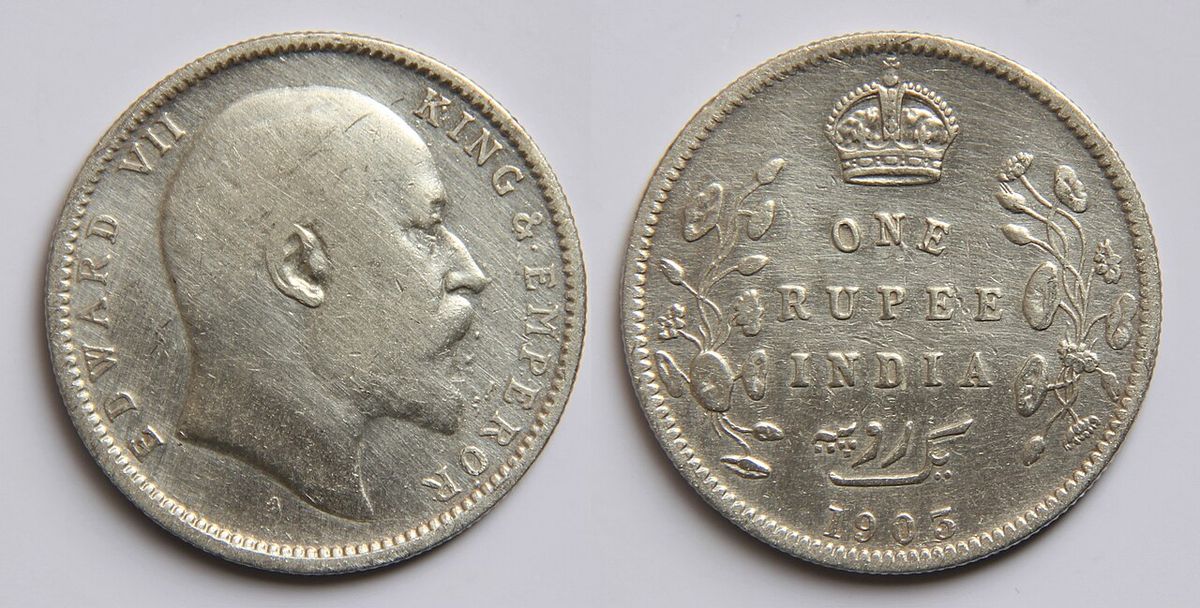
The Canadian dollar, coded CAD, is the official currency of Canada and is managed by the Bank of Canada. Its symbol is the dollar sign ($), often written as C$ to distinguish it from other dollar-denominated currencies. The Indian rupee, coded INR, is the official currency of India and is controlled by the Reserve Bank of India under powers from the Reserve Bank of India Act, 1934. The rupee's symbol, ₹, was officially adopted in 2010, derived from a combination of the Devanagari consonant 'र' and the Latin letter 'R' without its vertical bar. The rupee is subdivided into 100 paise, though as of 2026, the one-rupee coin is the lowest denomination in regular use, with paise coins having been officially demonetized in 2011. The rupee holds the distinction of being one of the world's earliest coinages, with origins tracing back to ancient India around the 6th century BCE. Its name comes from the Sanskrit word 'rūpya', meaning a stamped piece of metal, and the silver coin weighing 178 grains minted by Sher Shah Suri between 1540 and 1545 is considered its immediate precursor.
How the CAD to INR Exchange Rate is Determined
The exchange rate between the Canadian dollar and the Indian rupee is a floating rate, meaning its value is determined by the foreign exchange market based on supply and demand. The rate you see quoted online, such as the mid-market rate, represents the midpoint between the global buy and sell prices for the currency pair. This rate is highly dynamic and changes frequently throughout the trading day as currency values shift with global financial markets. Several key factors influence the movement of the CAD/INR rate. These include the relative economic strength and interest rate policies of Canada and India, inflation rates, geopolitical events, and the flow of trade and investment between the two countries. For instance, changes in commodity prices like oil and lumber, which are significant Canadian exports, can affect the Canadian dollar's value. Similarly, economic growth reports, central bank announcements from the Bank of Canada or the Reserve Bank of India, and global risk sentiment all cause the rate to fluctuate. The rate you receive from a bank or money transfer service will include a margin or fee added to this mid-market rate, which constitutes part of the cost of conversion. Market rates are also influenced by the overall performance of each currency. The Indian rupee is the world's eleventh-most-traded currency as of April 2025, reflecting its significant role in global finance.
Historical Context and Evolution of the Indian Rupee
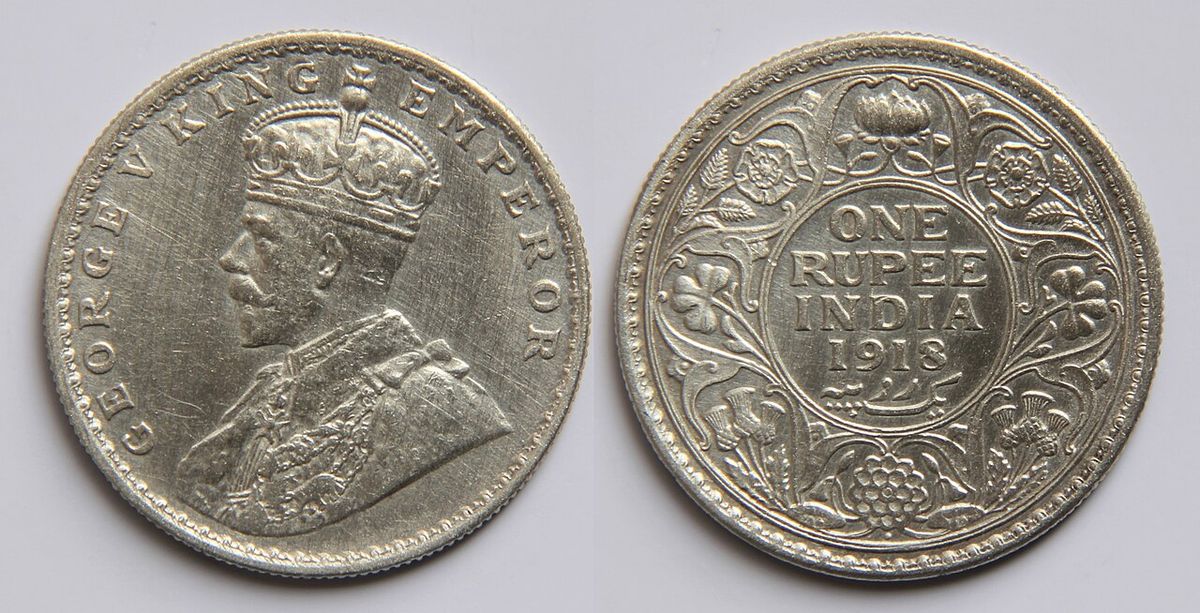
The Indian rupee has a long and complex monetary history shaped by empire, colonialism, and economic theory. Its immediate precursor was the silver rūpiya coin weighing 178 grains, first minted by Sher Shah Suri between 1540 and 1545 and continued through the Mughal Empire and the British Raj. During the 19th century, the rupee remained on a silver standard while the world's strongest economies moved to gold. The discovery of large silver deposits led to the panic of 1873 and a severe devaluation known as 'the fall of the rupee', which contributed to a global Long Depression lasting until 1897. This event prompted a fundamental re-examination of India's currency system. The British-run Government of India appointed the Fowler Committee in 1898, which after a year of deliberation recommended adopting a gold standard. Their recommendations, enacted into law in September 1899, made the British sovereign legal tender and opened mints to gold coinage. However, practical attempts to circulate gold coins failed. The system that persisted was described as a 'limping' gold standard, where currency was convertible into gold for foreign payments but not necessarily circulated domestically. The early 20th century saw further strain during World War I, when the British government raised the gold value of the silver rupee to prevent internal crisis and maintain war supply lines.
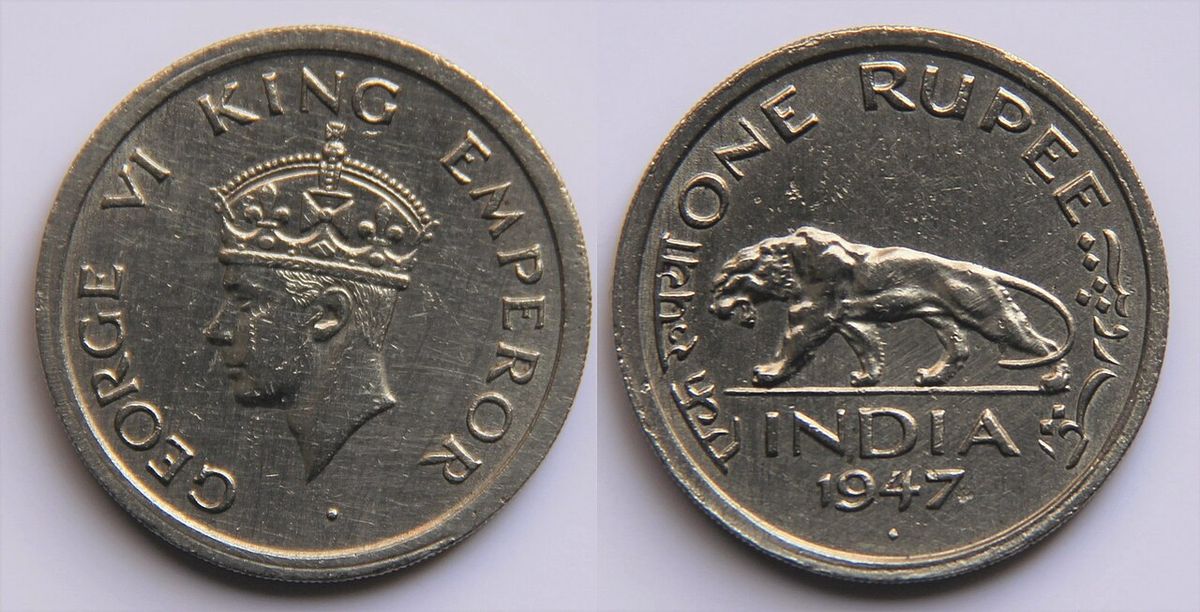
Following independence in 1947, the Indian rupee replaced the currencies of the various princely states, such as the Hyderabadi rupee and the Kutch kori, with some not fully demonetized until 1959. A major reform occurred in 1957 when the rupee was decimalised and divided into 100 naye paise, with the 'naye' prefix dropped in 1964. Coinage evolved significantly post-independence, with initial issues in 1950 including annas and pice, followed by decimal coins starting with 1, 2, 5, 10, 25, and 50 naye paise and 1 rupee. Over the decades, coin compositions changed from cupro-nickel and nickel to stainless steel, and denominations like the 10 and 25 paise were discontinued in 1998 and 2002 respectively. The Coinage Act governs minting, which occurs at four India Government Mint locations, and new coin series with the updated rupee sign entered circulation starting 8 July 2011.
Notable Exchange Rate Trends and Volatility
The CAD to INR exchange rate experiences constant movement driven by market forces, with analysis of recent periods showing typical patterns of volatility. The change over a recent 90-day period was 2.20 percent when measured from INR to CAD. Shorter time frames also show fluctuation. These movements underscore the importance of checking live rates before conducting a transfer, as the timing can significantly impact how many rupees are received for a given amount of Canadian dollars. Historical trends are influenced by broader economic events, such as changes in commodity prices that affect Canada's export-driven economy or shifts in India's growth trajectory and foreign investment flows. The performance of the pair is also tracked inversely. The 30-day high for INR to CAD was 0.0150 and the low was 0.0147, with an average of 0.0148.
Methods and Costs for Converting CAD to INR
Canadians have several options for converting dollars to rupees, each with different cost structures. The primary cost components are the exchange rate margin and any fixed transfer fees. Banks and traditional money transfer services typically apply a markup to the mid-market rate, which can be several percentage points, and may also charge a flat fee for the transaction. Online specialist money transfer providers often advertise using the real mid-market rate with lower margins and transparent fees. These services highlight features like no hidden markups, low fees, and sometimes free transfers on amounts over a certain threshold, such as 500 CAD. Payment methods also affect cost. Using a credit card for a transfer may incur cash advance fees and associated interest charges from the card issuer, whereas debit cards or direct bank transfers usually avoid these extra costs. It is standard practice for providers to show the total cost upfront, including the exchange rate to be applied, the transfer fee, and the final amount in INR that the recipient will receive, before the customer confirms the transaction. Providers move money from Canada to over 200 countries and territories, with India being a major corridor, and offer payout options like bank deposit, cash pickup at agent locations, or mobile wallet credit.
| Cost Factor | Typical Impact |
|---|---|
| Exchange Rate Margin | Provider adds a percentage markup to the mid-market rate. |
| Fixed Transfer Fee | A flat fee charged by the provider for the service, which can vary by amount and destination. |
| Payment Method | Credit cards may trigger cash advance fees. Bank transfers often do not. |
| Transfer Amount | Fees may be lower or waived for transfers above a certain value, like 500 CAD. |
| Payout Method | Cash pickup, bank deposit, or mobile wallet delivery can influence total cost and speed. |
| Promotional Rates | Some services offer a promotional rate on a first transfer, such as 68.76 INR to 1 CAD. |
Security is a key consideration, and reputable providers use encryption and fraud prevention measures. Customers can usually track transfers in real time using a unique reference number like a Money Transfer Control Number (MTCN). It is advisable to review all details, including the receiver's information, carefully and to only send money to trusted recipients to avoid scams. Providers operate under regulations including Canada's financial services laws and India's Foreign Exchange Management Act (FEMA) of 1999, which governs cross-border transactions.
Using Currency Converters and Transfer Services
Online currency converters and money transfer platforms are the primary tools Canadians use to check rates and send money to India. These tools allow users to enter an amount in CAD and see an estimated conversion to INR based on live or recent mid-market rates. It is important to remember that the rate shown in a basic converter is often for informational purposes only and may not include the margin that will be applied to an actual transfer. To get an accurate quote, one must initiate a transfer on a provider's platform, which will then show the specific rate, all fees, and the final payout amount. Many services offer additional features to help users make decisions and potentially save money on their international transactions. These platforms emphasize transparency, showing all costs upfront before confirmation, and often provide 24/7 customer support.
- Historical Charts: Interactive charts showing rate trends over the past days, months, or up to five years, using real-time mid-market data.
- Rate Alerts: The ability to set a target exchange rate and receive a notification via email or app when the market reaches it.
- Live Tracking: The option to monitor a transfer's progress after it is sent using a tracking number like an MTCN.
- Multiple Payout Options: Choices for the recipient in India, including bank deposit, cash pickup at an agent location, or mobile wallet credit.
- Mobile Apps: Dedicated applications for managing transfers, checking rates, and setting alerts on the go.
- Rewards Programs: Some providers offer points for transfers that can be redeemed for discounts on future fees, such as 500 points for up to a 2 CAD discount.
- Comparison Tools: Some sites provide comparisons showing potential savings versus bank rates for specific transfer amounts.
The process for converting Canadian dollars to Indian rupees typically involves entering the CAD amount into a currency converter tool. Customers then choose a payment method, such as a bank account or debit card. The tool displays the exact amount the recipient will receive in INR, with all applicable charges shown transparently. Service providers emphasize that their exchange rates use the real mid-market rate and are free from hidden fees. This approach allows customers to send money to India with confidence, utilizing secure transfer methods and competitive rates.
Regulatory and Legal Framework
The conversion and transfer of funds between Canada and India operate within a structured legal and regulatory environment. In India, the foundation for currency issuance and management is the Reserve Bank of India Act, 1934, which vests control in the Reserve Bank of India. The Coinage Act, first introduced in 1835 during British East India Company rule and later amended, governs the minting of coins. The current legal framework includes the amended Coinage Act of 2011 and the Foreign Exchange Management Act (FEMA) of 1999, which regulates all foreign exchange transactions in India. Cross-border money transfers from Canada must comply with both Canadian financial services regulations and Indian law under FEMA. Historically, the legal framework evolved from the Paper Currency Act of 1861 and the Uniform Coinage Act of 1906 under British rule. Following independence, the government has amended acts to address modern developments, including the Information Technology Act, 2000, and proposed legislation like the Crypto-currency and Regulation of Official Digital Currency Bill, 2021, reflecting the ongoing digitization of currency. For Canadians, this means reputable transfer services are licensed entities that adhere to anti-money laundering and counter-terrorism financing regulations in both jurisdictions, providing a layer of security for consumers.
Additional Historical Economic Factors
Beyond the formal adoption of standards, specific economic events and policies have profoundly impacted the rupee's relationship with global currencies like the Canadian dollar. During the Great Depression era, from 1931 to 1941, large quantities of gold were exported from India to the United Kingdom, totalling about 43 million ounces valued at approximately 375 crore rupees. This occurred as Britain, having abandoned the gold standard, purchased gold from its colonies by increasing its price and paying with paper currency. Similarly, the US Silver Purchase Act of 1934 led to the purchase of about 44,000 tons of silver with paper certificates. These actions drained precious metal reserves and influenced the underlying value of the rupee. Furthermore, the method of settling trade balances evolved in the late 19th century. Around 1875, Britain began paying for Indian exports with India Council paper bills instead of shipping silver, which stopped a major channel for silver outflow and became a potent factor in reducing silver's value relative to gold. These historical manipulations of bullion markets by major economies created long-lasting effects on the rupee's stability and its exchange rate with commodity-based currencies like the Canadian dollar, effects that resonate in the market-driven volatility seen today.
Frequently asked questions
What is the current CAD to INR exchange rate?
The CAD to INR exchange rate fluctuates constantly throughout the day based on global currency markets. You can check live mid-market rates using online currency converters, but note that the actual rate you receive from a bank or transfer service will include a margin. For the most accurate quote for a specific transfer amount, use the live quoter tool on a money transfer provider's website, which shows the applicable rate and fees upfront. The mid-market rate is the midpoint between buy and sell prices on global markets and is the most accurate reflection of the currency's value at any given moment.
How can I convert Canadian dollars to Indian rupees?
You can convert CAD to INR through banks, credit unions, online money transfer specialists, or in-person at currency exchange kiosks. The process typically involves using an online currency converter to check rates, then initiating a transfer through the provider's website or app. You will need to specify the amount, choose a payment method like a bank account or debit card, and select how the recipient in India will receive the funds, such as via bank deposit or cash pickup. Many services allow you to complete the entire process online, and you can often track the transfer in real time after it is sent.
Why does the rate I get differ from the rate on Google?
Google often displays the mid-market rate, which is a benchmark rate between the global buy and sell prices. Money transfer providers apply a margin to this rate as part of their service cost, and may also charge a fixed fee. Therefore, the final rate you receive for a personal transaction will be different. The total cost is a combination of this exchange rate margin and any transfer fees, which should be disclosed clearly before you confirm the transaction. Providers' rates can also vary based on the transfer amount, payment method, payout option, and the timing of the transaction.
What are the typical fees for sending money to India?
Fees vary significantly by provider, transfer amount, payment method, and payout option. Banks often charge higher exchange rate margins and fixed fees. Online transfer services may offer lower margins and fees, with some promoting free transfers on amounts above a certain threshold, such as 500 CAD. Always review the full cost breakdown provided by the service, which includes both the transfer fee and the exchange rate being applied, to understand exactly what your recipient will receive in INR. Some providers also run promotions, such as a special rate on your first transfer, which can affect the total cost.
Is it safe to send money online to India?
Reputable money transfer services use security measures like encryption and fraud monitoring to protect transactions. They are also licensed and regulated financial entities under laws such as Canada's financial regulations and India's Foreign Exchange Management Act. To enhance safety, only send money to people you know and trust, double-check all recipient details, keep your transfer tracking number private, and be aware of common scam tactics. Providers also offer tracking so you can follow your transfer's progress until it is collected by your recipient, adding a layer of security and transparency.
Can I set an alert for a specific CAD to INR rate?
Yes, many currency converter websites and money transfer apps offer a rate alert feature. You can set your desired target exchange rate, and the service will notify you via email or app notification when the live market rate reaches that level. This allows you to time your transfer to take advantage of favourable movements in the currency market without having to monitor rates constantly. This tool is particularly useful given the daily volatility in the forex market, where rates can move within a range of over one rupee per Canadian dollar over short periods.
Sources and further reading
- Indian rupee (Wikipedia) en.wikipedia.org
- CAD to INR | Convert Canadian Dollar to Indian Rupee westernunion.com
- 1 CAD to INR, Convert Canadian Dollars to Indian Rupees xe.com
- Indian rupees to Canadian dollars Exchange Rate. Convert ... wise.com
- CAD to INR, Convert Canadian Dollar to Indian Rupee remitbee.com
This article explains how things work and is not financial, tax or legal advice. Rules, limits and rates change, so check the current figures with the Canada Revenue Agency, your province or your financial institution before you act.