Return on Investment (ROI) is a fundamental financial ratio that measures the profit generated from an investment relative to its cost. For Canadians, understanding ROI is crucial for comparing the potential profitability of different opportunities, from stocks and bonds to real estate and business projects. A higher ROI typically indicates a more efficient use of invested capital, helping investors and business owners make informed decisions. This calculation can be applied to any investment type, making it a versatile tool for personal finance and corporate investment analysis.
The Core ROI Formula and Its Components
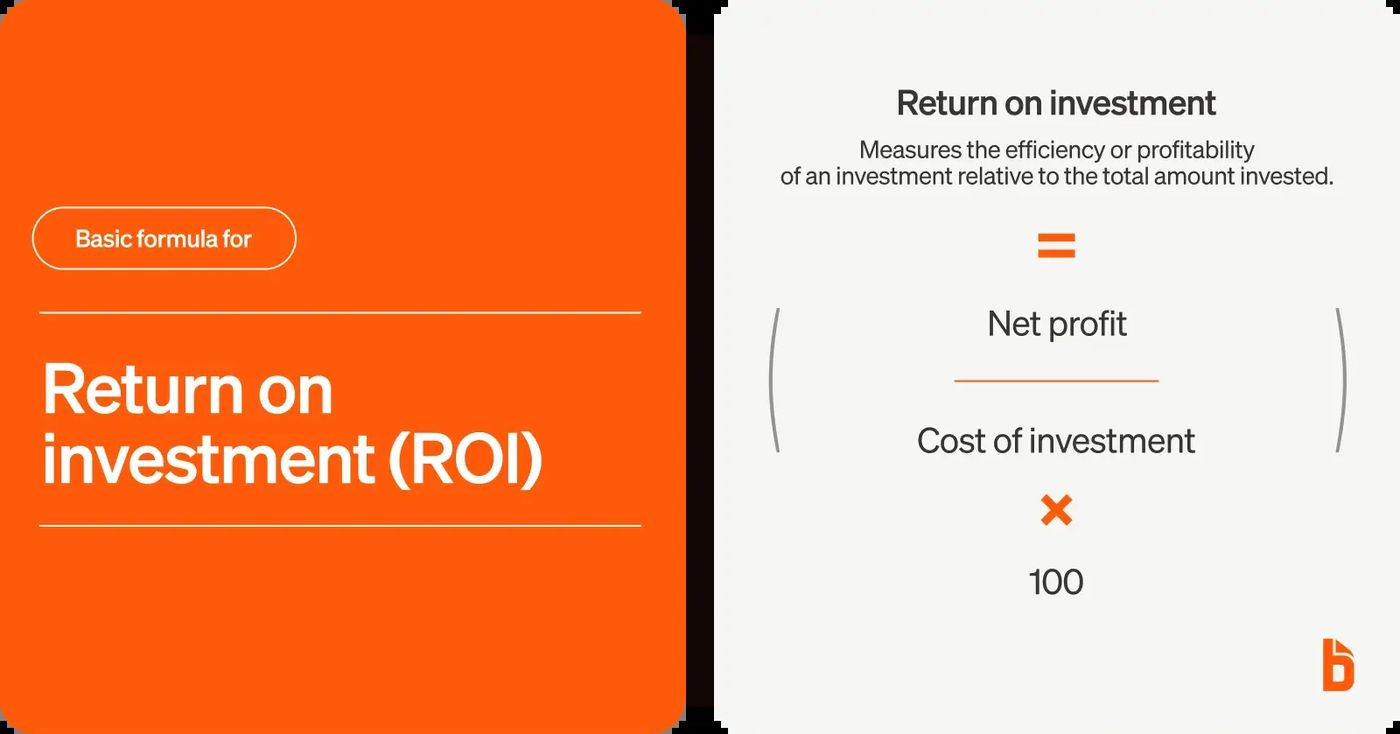
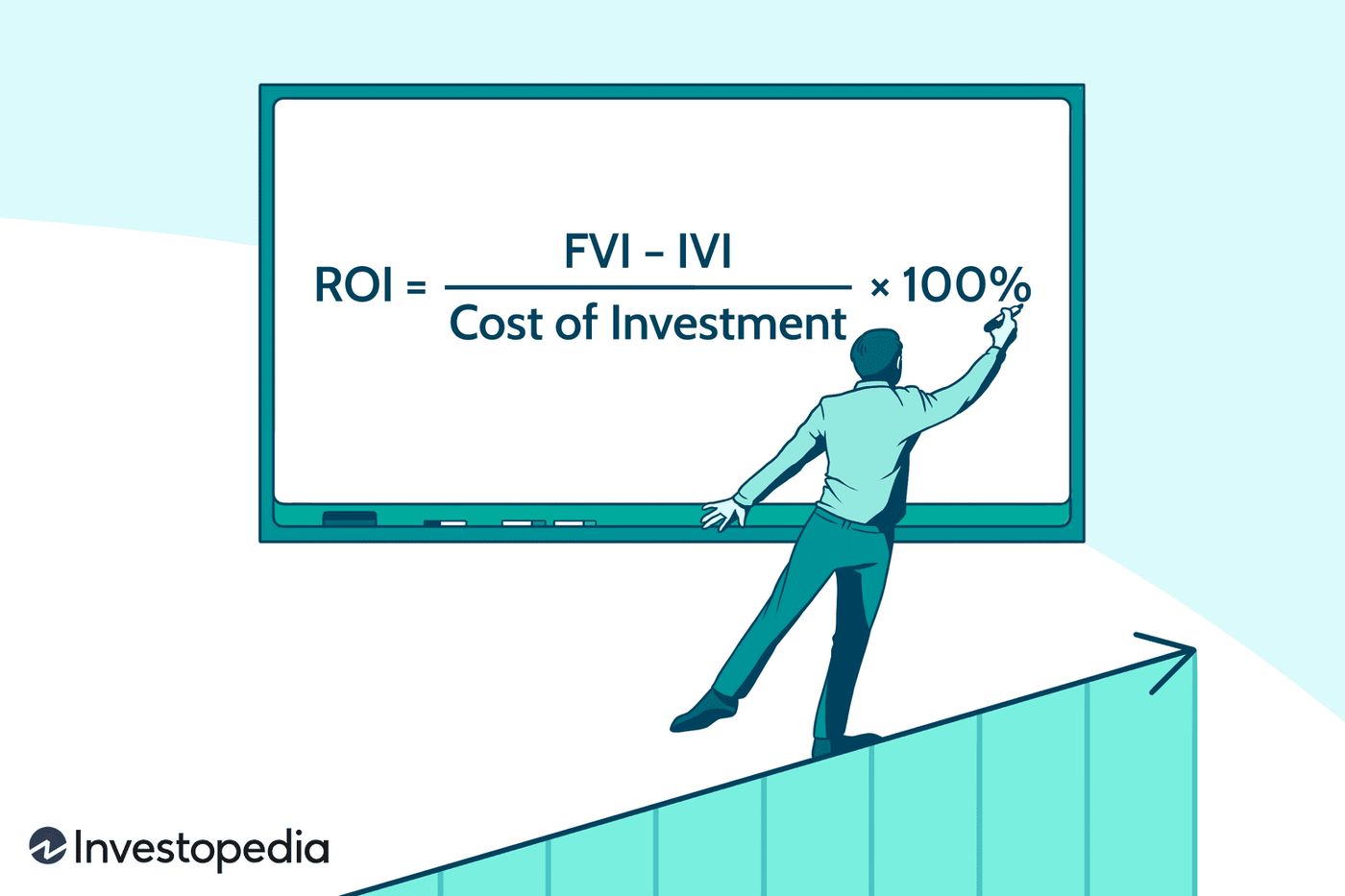
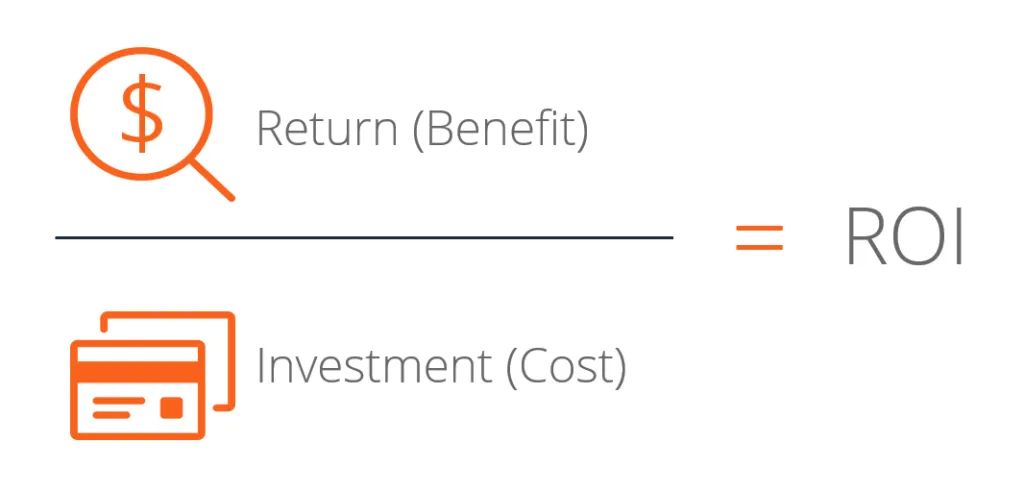
The basic Return on Investment formula is net income divided by total assets, multiplied by 100 to express the result as a percentage. Net income refers to the gain generated from the investment, which could be a capital gain from selling an asset or income like rent or dividends. Total assets represent the initial capital invested to acquire the asset or fund the project. This formula is a general financial ratio that can be adapted for any investment type, including business acquisitions, stock purchases, or real estate. A result higher than industry standards often signals an efficient use of assets, though conclusions should consider factors like sales seasonality and whether assets are leased or owned.
The nominator and denominator must always be adapted to the specific investment situation for a correct calculation. For a simple capital gain, such as selling a home, net income is the selling price minus the purchase price. For an income-generating asset like a rental property, net income is the annual rental revenue. The total assets remain the initial purchase price or investment cost in both scenarios. Before entering numbers into any calculator, it is essential to understand the nature of the investment to properly define these two components. This adaptability makes ROI a powerful comparative tool across vastly different investment classes.
How to Compare Different Investment Returns
To accurately compare the profitability of two or more investments, their ROI percentages must correspond to the same time period. An ROI calculated over six months cannot be directly compared to one calculated over one year. The ideal practice is to annualize rates of return to a standard one-year period for a clear comparison. For instance, an investment that generates a 6% return over six months would have an annualized rate of 12% if that performance continued. This standardization allows an investor to see that a 12% annual return from shares is more profitable than a 5% annual return from an income property.
When managing a company and deciding between projects, comparing ROIs is a key step. A manufacturing company choosing between two new products, each requiring new machinery, would calculate the one-year ROI for each. If Product A requires a $1,000,000 machine and generates $100,000 in net income, its ROI is 10%. If Product B requires a $2,000,000 machine and generates $300,000, its ROI is 15%. Therefore, Product B yields a higher return on the capital invested, though management must also consider the larger initial outlay required. This comparative analysis is central to capital budgeting and strategic investment decisions.
Common Canadian Investment Types and Their Characteristics
Canadian investors have access to a wide range of investment vehicles, each with distinct risk and return profiles. Understanding these types helps in applying the ROI formula correctly and setting realistic return expectations. Fixed-income investments like bonds and certificates of deposit (CDs) offer predictable returns, while equities like stocks offer growth potential with higher volatility. Real estate can provide both capital appreciation and rental income. The following list outlines key investment types mentioned in Canadian financial resources.
- Certificates of Deposit (CDs): Low-risk, fixed-interest investments available at most banks, often with higher rates for longer terms.
- Savings and Money Market Accounts: Low-risk accounts that pay relatively low rates of interest.
- Bonds: Debt investments where risk correlates with return. Higher-risk corporate bonds pay more interest than safer government bonds.
- Stocks (Equities): Shares representing ownership in a company, providing potential dividends and capital gains.
- Mutual Funds: Pooled investments managed by a finance professional, often charging a fee called a load.
- Exchange-Traded Funds (ETFs): Funds traded on stock exchanges that track an index, sector, or other assets.
- Real Estate: Physical property purchased for capital appreciation or to generate rental income.
- Tax-Free Savings Account (TFSA): A registered account where investment income grows tax-free.
- Registered Retirement Savings Plan (RRSP): A registered retirement account that can be started with $25.
Risk is a fundamental factor across all investments, with premiums generally paid for taking greater risks. Bonds from companies rated as high-risk by agencies like Moody's or Standard & Poor's earn higher interest but carry a greater chance of loss. Conversely, bonds from low-risk companies are safer but offer lower returns. A conservative bond strategy involves holding them to maturity to collect interest payments and the face value, ignoring short-term price fluctuations caused by interest rate changes. Special bonds like U.S. Treasury Inflation-Protected Securities (TIPS) are designed to protect against inflation by adjusting with the Consumer Price Index, offering a government-guaranteed, though relatively low, return.
Using Investment Calculators to Project Growth
Online investment calculators are powerful tools for projecting how savings can grow over time using concepts like compound interest. These calculators typically require several inputs to model different financial scenarios. The initial contribution is the lump sum used to start investing, with a maximum input often set at $1,000,000. Ongoing contributions are regular investments, with minimums around $25 and maximums that vary by frequency: up to $2000 weekly, $4000 biweekly, or $8000 monthly. The investment term is the number of years you plan to invest, often selectable between 1 and 50 years, where a longer term increases the potential effect of compound interest.
The expected annual rate of return is a critical input that drives the projection. Financial institutions may provide suggested rates based on different investment strategies, such as a low rate of 3.4%, a medium rate of 5.8%, or a high rate of 8.1%. Users can also input a custom rate between 0% and 20%. It is important to note that the expected rate of return is based on a full year of investment. Withdrawing money mid-year would only realize a portion of the potential gains. The calculator then projects the total value, differentiating between growth from simple interest (earned only on contributions) and compound interest (earned on contributions plus all previous interest earnings). The results are for reference only and may not reflect actual investment outcomes.
Factoring Inflation into Investment Returns
Inflation erodes the purchasing power of money over time, making it a vital consideration for long-term investment planning. A comprehensive investment calculation accounts for both the nominal return and the real return after inflation. Calculators often allow you to enter an annual inflation rate alongside your expected investment return. The calculation then shows the value of the initial investment after the effects of inflation on the principal amount, excluding any interest. It also shows the total interest earned both before and after inflation is accounted for, culminating in the total real value of the investment.
This process reveals the true growth of your purchasing power. For example, if an investment earns 6% in a year but inflation is 2%, the real return is approximately 4%. Some investments, like U.S. Treasury Inflation-Protected Securities (TIPS), are specifically structured to handle inflation risk by guaranteeing a return that keeps pace with the Consumer Price Index. For other investments, using an inflation-adjusted calculator helps set realistic goals, such as determining how much you need to invest today to achieve a specific future purchasing power target. This ensures your investment strategy is aligned with maintaining or growing your real wealth over time.
Registered Accounts and Tax Considerations in Canada
Canadian investors have access to registered accounts that offer significant tax advantages, which can substantially affect the net return on investment. The Tax-Free Savings Account (TFSA) allows money to grow faster because you do not pay taxes on the interest or investment income earned within the account. This means the calculated ROI within a TFSA is not diminished by tax withdrawals, preserving more of the compound growth. The Registered Retirement Savings Plan (RRSP) is another key tool for retirement planning, offering tax-deferred growth and the ability to start with a minimal amount like $25.
Using these accounts within an investment strategy can improve effective returns. When projecting growth with an online calculator, the results typically show pre-tax returns. The actual after-tax value of an investment in a non-registered account will be lower, depending on your marginal tax rate and the type of income (capital gains, dividends, or interest). Therefore, when comparing the potential ROI of different investment vehicles, the tax treatment is a crucial factor. Maximizing contributions to registered accounts like TFSAs and RRSPs is a common strategy to enhance long-term investment growth by minimizing the government's share of your returns.
A Worked Example of an ROI Calculation
Consider an investor who purchases an income property for $1,000,000. In one year, the property generates $50,000 in net rental income after all expenses. To calculate the return on this investment, net income from operations (the $50,000 rental income) is divided by the total assets (the $1,000,000 initial investment). Multiplying by 100 gives a 5% rate of return on investment for the one-year period.
Now, compare this to an alternative investment where the same $1,000,000 is used to buy 10,000 shares at $100 each. After six months, the shares are sold for $106 each, with no dividends paid. The total assets remain the $1,000,000 initial investment. To compare it with the annual property ROI, this six-month rate is annualized by multiplying by two, resulting in a 12% annual rate of return. This comparison clearly shows the share investment was more profitable over an equivalent one-year period, yielding a 12% return versus the property's 5% return.
Frequently asked questions
What is the basic formula for calculating return on investment?
The basic ROI formula is net income divided by total assets, multiplied by 100 to get a percentage. Net income is the gain from the investment, such as profit from a sale or annual rental income. Total assets represent the initial amount of money invested. This formula is versatile and can be adapted for any investment type, from stocks and real estate to business projects.
How do I compare the ROI of two different investments?
To compare ROIs accurately, you must ensure they are calculated over the same time period. The standard practice is to annualize the rates to a one-year period. For example, a 6% return earned over six months translates to a 12% annualized return. This allows for a direct comparison, such as seeing that a 12% return from shares is more profitable than a 5% return from an income property over one year.
What is a good rate of return on an investment?
A good rate of return depends on the investment type, risk level, and market conditions. Some Canadian financial calculators suggest benchmark rates like 3.4% for a low-risk strategy, 5.8% for a medium-risk strategy, and 8.1% for a high-risk strategy. A higher ROI than industry standards often indicates efficient use of capital, but it must be weighed against the associated risk and the initial investment amount required. To compare different rates of return, you must ensure they correspond to the same investment period.
How does compound interest affect my investment growth?
Compound interest accelerates investment growth by earning interest on your initial contributions plus all previously accumulated interest. Online calculators show the difference between simple interest, which grows only on contributions, and compound interest. The longer your investment term and the more frequent the compounding, the greater the effect. This is why starting early and making regular contributions are key strategies for maximizing long-term growth.
Why should I consider inflation when calculating ROI?
Inflation reduces the purchasing power of money over time, so a nominal investment return may not represent real growth. Calculating the real return after inflation shows the true increase in your wealth's purchasing power. Some calculators let you input an inflation rate to see the investment's value in today's dollars. Investments like inflation-protected securities are specifically designed to combat this erosion.
How do Canadian registered accounts like TFSAs impact ROI?
Registered accounts like Tax-Free Savings Accounts (TFSAs) and Registered Retirement Savings Plans (RRSPs) offer tax advantages that improve your effective return. In a TFSA, investment income grows completely tax-free, meaning the calculated ROI is not reduced by taxes. This allows for faster compound growth compared to a taxable account. An RRSP defers taxes, which can also enhance long-term growth, especially if you are in a lower tax bracket during retirement.
Sources and further reading
- Investment Calculator bankofcanada.ca
- Investment Calculator calculator.net
- Investment Growth Calculator cibc.com
- Compound Interest Calculator | Saving & Investing td.com
- Return on Investment (ROI) Calculator bdc.ca
This article explains how things work and is not financial, tax or legal advice. Rules, limits and rates change, so check the current figures with the Canada Revenue Agency, your province or your financial institution before you act.