An investment growth calculator is a tool that projects how your money can increase over time through the power of compounding. It helps you visualize the future value of a lump sum investment, regular contributions, or both. For Canadians, understanding this growth is crucial for planning major financial goals like retirement, education, or a home purchase within the framework of registered accounts like TFSAs and RRSPs. These calculators allow you to model different scenarios by adjusting variables such as your initial contribution, expected rate of return, and investment timeline.
How an Investment Growth Calculator Works
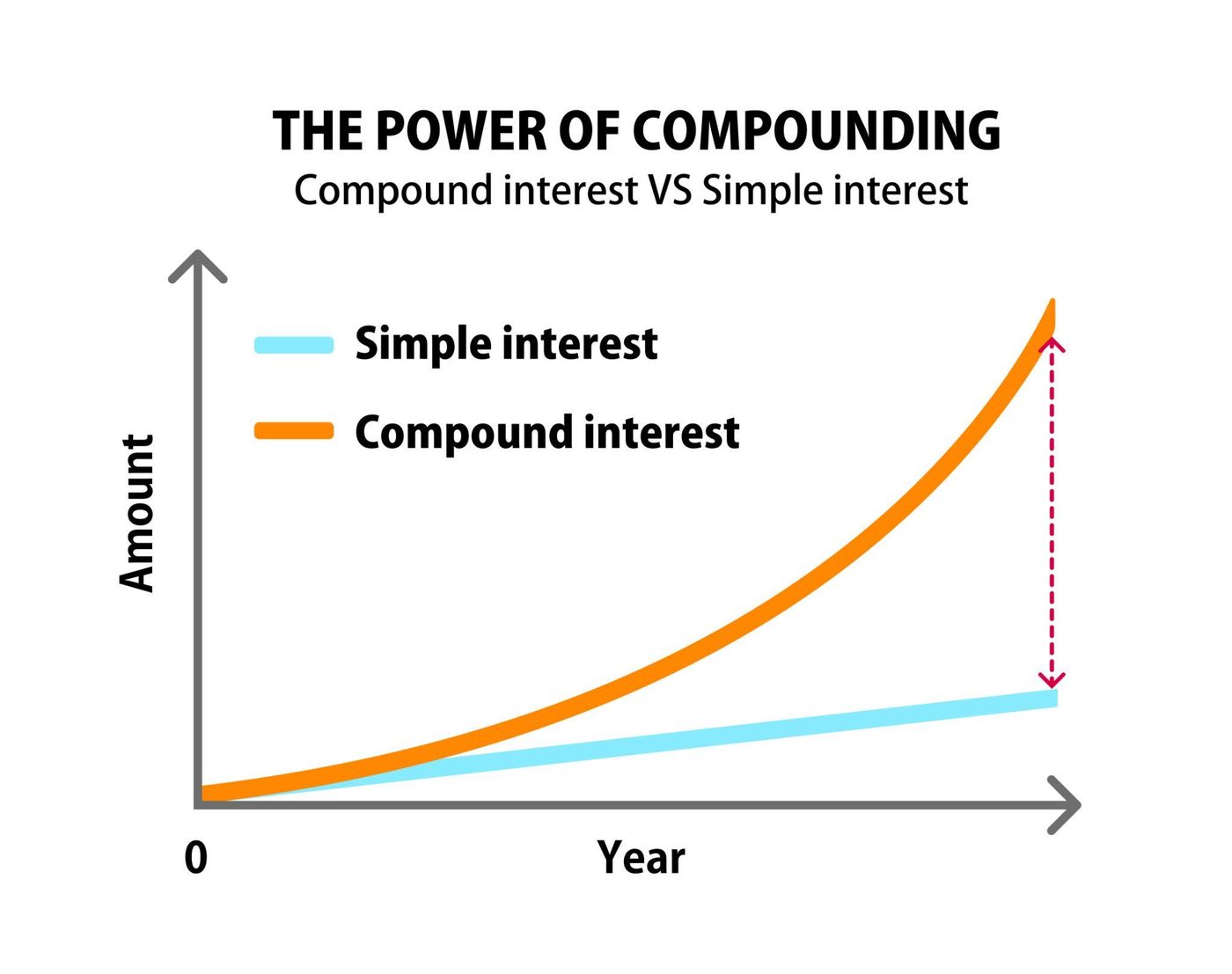
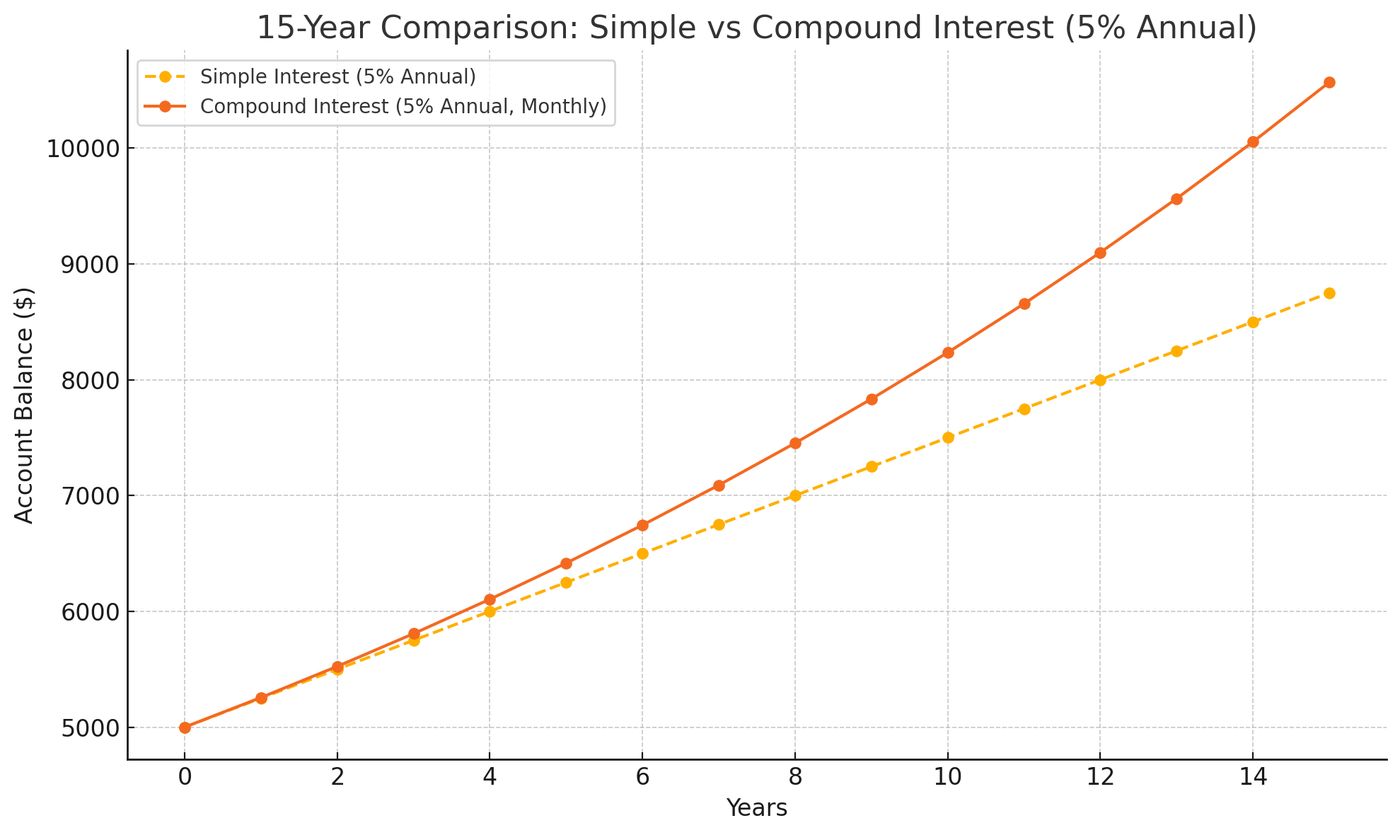
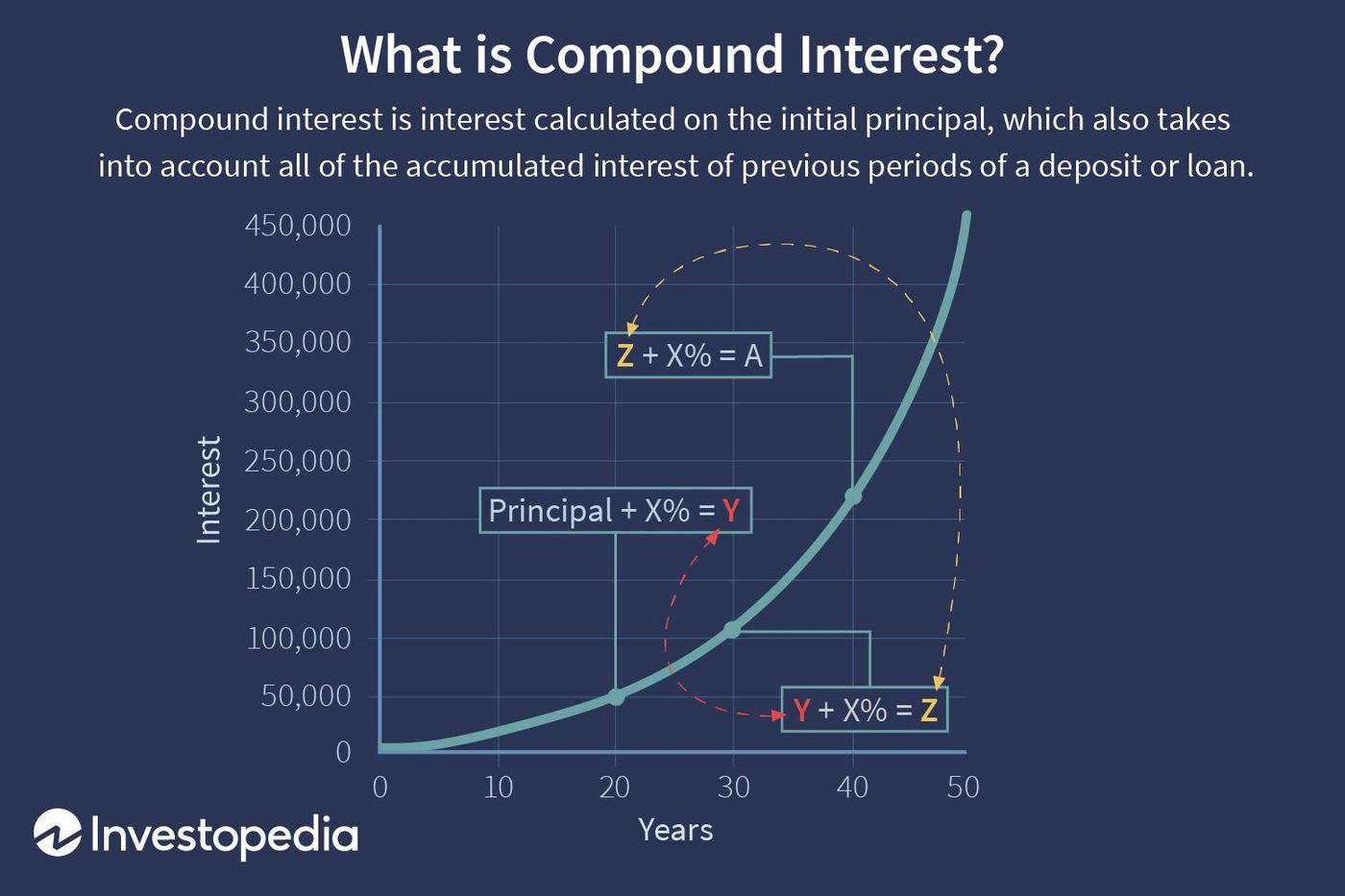
The calculator uses a mathematical formula to project how an initial sum of money grows when it earns interest, and that interest subsequently earns more interest. This process is called compound interest. The core variables you input are the initial investment amount, any ongoing regular contributions you plan to make, the expected annual rate of return on your investments, and the total length of your investment term in years. The calculator processes these figures to produce a projection of your total investment value at a future date. It can also illustrate the difference between simple interest, where you only earn returns on your principal, and compound interest, where you earn returns on both your principal and accumulated earnings. Many calculators also include an option to account for the erosive effect of inflation, showing you the projected real purchasing power of your future savings.
Beyond just showing a final total, these tools often break down the results to show how much of the final value came from your own contributions versus the investment growth generated. This breakdown highlights the significant role that time and compounding play in building wealth. The calculator can be used to solve for different variables depending on your goal, such as the required initial investment to reach a target sum or the necessary rate of return. It is important to remember that the results are projections based on the assumptions you enter and do not guarantee future investment performance. Market volatility, fees, and changes in contribution patterns can all affect actual outcomes.
Key Inputs and Their Impact on Results
Each input in an investment growth calculator directly influences the projected outcome. The initial contribution is the lump sum of money you invest at the start. A larger initial amount provides a bigger base for compounding to act upon, leading to significantly higher growth over a long period. The ongoing contribution is the amount you add to the investment at regular intervals, such as weekly, biweekly, or monthly. Consistent contributions, even in smaller amounts, can dramatically increase the final value because you are continuously adding fuel for the compounding engine. The frequency of these contributions also matters, as more frequent contributions allow the new money to start earning returns sooner.
The investment term is the total number of years you plan to keep the money invested. This is arguably the most powerful variable due to the exponential nature of compounding. A longer time horizon allows more cycles of earning interest on interest, which can cause wealth to grow at an accelerating rate in the later years. The expected annual rate of return is the percentage gain you anticipate from your investments each year. This rate is an assumption based on historical performance and the type of assets you hold, such as low-risk bonds or higher-risk equities. A higher assumed rate will produce a much larger projected final value, but it also implies accepting greater risk and potential volatility. It is crucial to use realistic return expectations, as overly optimistic inputs can create misleading projections.
- Initial Contribution: The lump sum you invest at the outset.
- Ongoing Contribution: Regular deposits (e.g., weekly, monthly) you make.
- Investment Term: The total number of years you plan to invest.
- Expected Rate of Return: The assumed annual percentage gain on investments.
- Contribution Frequency: How often you add money (weekly, biweekly, monthly).
Common Types of Investments for Modelling
Investment growth calculators can model a wide variety of financial products, though they all simplify the calculation to the core variables of principal, contributions, rate, and time. One common low-risk investment is a certificate of deposit or a high-interest savings account, which pays a fixed interest rate for a specified term. These are straightforward to model because the rate of return is known and guaranteed up to insured limits. Bonds are another fixed-income investment where you loan money to a government or corporation in exchange for periodic interest payments and the return of the principal at maturity. Bond prices can fluctuate with interest rates, but a conservative buy-and-hold strategy focuses on the yield to maturity.
Equities, or stocks, represent ownership shares in a company. While they do not offer a fixed rate of return, they are a primary driver of long-term growth for many portfolios. Investors often model stock investments using a long-term historical average return. Many Canadians invest in stocks through pooled funds like mutual funds or exchange-traded funds. These funds are managed by professionals and provide diversification across many companies or assets. Real estate is another popular investment class that can generate returns through rental income and property value appreciation. Each of these investment types carries different levels of risk, return potential, and liquidity, which should be reflected in the expected rate of return used in any calculation.
- Certificates of Deposit (CDs)/Savings Accounts: Low-risk, fixed-interest investments.
- Bonds: Loans to governments or corporations paying periodic interest.
- Stocks (Equities): Shares representing ownership in a public company.
- Mutual Funds: Professionally managed pools of stocks and/or bonds.
- Exchange-Traded Funds (ETFs): Funds that track an index or sector, traded on exchanges.
- Real Estate: Property investments generating income and appreciation.
Using the Calculator with Canadian Registered Accounts
Canadian investors have access to powerful registered accounts that provide tax advantages, which can significantly enhance the growth shown in a calculator's projections. The Tax-Free Savings Account allows your contributions to grow tax-free, meaning you do not pay tax on any investment income or capital gains earned within the account. This makes the calculator's projected final value the actual amount you can withdraw. The Registered Retirement Savings Plan is designed for retirement savings, offering a tax deduction on contributions and tax-deferred growth. While withdrawals are taxed as income, the upfront deduction and long period of tax-free compounding can greatly increase the net result.
When using a growth calculator for these accounts, you input your expected rate of return and contribution schedule just as you would for a non-registered account. The key difference is that the results are not diminished by annual taxes on dividends or interest, allowing the full power of compounding to work. Many financial institutions provide these calculators specifically to illustrate the benefits of investing within a TFSA or RRSP. It is important to be aware of the annual contribution limits for these accounts set by the Canada Revenue Agency, as exceeding them results in penalties. Modelling regular contributions within these limits is an effective way to plan a disciplined, long-term savings strategy.
Understanding Risk and Realistic Return Expectations
The expected rate of return is a critical and sensitive input in any growth projection. This rate should align with the risk profile and asset mix of your chosen investments. Low-risk investments like guaranteed investment certificates or government bonds historically offer lower returns, such as the example low rate of 3.4 percent. A medium-risk balanced portfolio mixing bonds and stocks might aim for a return around 5.8 percent. A high-growth portfolio heavily weighted toward equities might use a higher assumption, like 8.1 percent, but this comes with the acceptance of greater short-term volatility and potential for loss.
It is vital to understand that higher projected returns are not guaranteed and are based on historical market averages. Actual returns can vary significantly from year to year, and past performance does not indicate future results. Investment fees, such as management fees on mutual funds, also reduce your net return and should be considered when choosing an expected rate. A realistic, conservative estimate often provides a more reliable planning figure than an optimistic one. Consulting with a financial advisor can help you determine an appropriate expected return based on your specific investment holdings, time horizon, and risk tolerance.
- Low Risk/Return: Example rate of 3.4%, suitable for conservative investments like GICs.
- Medium Risk/Return: Example rate of 5.8%, typical for a balanced portfolio.
- High Risk/Return: Example rate of 8.1%, associated with growth-oriented equity portfolios.
- Key Consideration: Historical averages do not guarantee future performance.
- Key Consideration: Investment fees reduce the net return you actually earn.
A Worked Example Using Common Parameters
They plan to invest for a term of 25 years, aiming for a medium expected annual rate of return of 5.8 percent, compounded annually. The calculator would process these figures to show the projected growth. However, with compound growth, the final portfolio value would be significantly higher. The power of compounding is shown in the difference between simple and compound interest calculations. With simple interest, the growth would only be applied to the original principal each year. With compound interest, the growth is applied to the entire balance, including previously earned interest. Over a long period like 25 years, compound interest generates exponentially more growth. For instance, the portion of the final value attributed to compound interest in this scenario would far exceed the portion from simple interest. This example underscores why starting early and contributing consistently are two of the most effective strategies for building long-term wealth, as they maximize the time your money has to compound.
Limitations and Important Considerations
While investment growth calculators are excellent planning tools, they have inherent limitations. The projections are deterministic, meaning they assume a smooth, consistent rate of return each year. In reality, financial markets are volatile, and returns can be negative in some years and exceptionally high in others. This sequence of returns risk is not captured by a simple compound interest model. Furthermore, the calculator does not account for investment fees, transaction costs, or taxes on non-registered accounts, all of which reduce your net returns. Inflation is another critical factor that erodes purchasing power over time. Some advanced calculators offer an inflation adjustment feature to show the real, inflation-adjusted value of your future savings.
The results are entirely dependent on the accuracy and reasonableness of the inputs you provide. Using an unrealistically high rate of return will produce an overly optimistic and potentially misleading result. It is also important to review and update your projections periodically as your financial situation, goals, and market conditions change. The calculator is a guide for setting a plan and understanding the mathematical principles of growth, not a promise of future wealth. It should be used as part of a broader financial planning process that includes risk assessment, asset allocation, and professional advice when needed.
Frequently asked questions
What is compound interest?
Compound interest is the process where the interest you earn on an investment is reinvested to earn additional interest in subsequent periods. Instead of earning a return only on your original principal, you earn returns on both the principal and the accumulated interest. This creates exponential growth over time, especially with a long investment horizon. It is a fundamental concept for long-term investing and wealth building.
How much can I contribute regularly in an investment plan?
Regular contribution amounts can vary by financial institution and account type. As an example, one calculator sets a minimum regular contribution of $25. Maximums may also apply, such as a maximum weekly contribution of $2,000, a biweekly maximum of $4,000, and a monthly maximum of $8,000. These limits are set by the provider for the calculator tool and may differ from the contribution limits for registered accounts like TFSAs and RRSPs.
What is a realistic expected rate of return for my investments?
A realistic rate depends on your asset allocation and risk tolerance. Example rates from one source include a low rate of 3.4% for conservative investments, a medium rate of 5.8% for a balanced portfolio, and a high rate of 8.1% for a growth-oriented portfolio. These are hypothetical, full-year rates. Actual returns vary due to market conditions, and you should consider investment fees, which reduce net returns, when setting your expectations.
What is the difference between a TFSA and an RRSP in a growth calculator?
In the calculator itself, you input the same figures for both accounts: initial investment, contributions, rate of return, and term. The key difference is in the tax treatment. A TFSA offers tax-free growth, so the calculator's final value is what you keep. An RRSP offers tax-deferred growth and a tax deduction on contributions, but withdrawals are taxed. The calculator shows the gross growth for both, but the net after-tax outcome will differ.
How long should my investment term be?
The investment term is the number of years you plan to stay invested. Calculators often allow terms from 1 to 50 years. A longer term maximizes the power of compound interest, as your money has more cycles to grow. For long-term goals like retirement, a term of 20, 30, or more years is common. The term should align with your financial goal and your ability to leave the money invested without needing to withdraw it early.
Can the calculator account for inflation?
Some investment growth calculators include an inflation adjustment feature. This allows you to input an assumed annual inflation rate. The calculator then shows the future value of your investment in today's purchasing power, which is often called the real rate of return. This is important because a dollar in the future will not buy as much as a dollar today. Without this adjustment, the nominal final value may overstate your actual financial progress.
Sources and further reading
- Investment Calculator bankofcanada.ca
- Investment Calculator calculator.net
- Compound Interest Calculator | Saving & Investing td.com
- Investment Growth Calculator cibc.com
- Compound Interest Calculator investor.gov
This article explains how things work and is not financial, tax or legal advice. Rules, limits and rates change, so check the current figures with the Canada Revenue Agency, your province or your financial institution before you act.