The Vanguard S&P 500 Index ETF, trading under the ticker VFV.TO, is a Canadian exchange-traded fund that provides investors with exposure to the 500 largest publicly traded companies in the United States. It seeks to track the performance of the S&P 500 Index, a primary benchmark for the U.S. stock market. For Canadian investors, this ETF offers a straightforward way to gain diversified U.S. equity exposure through a vehicle listed on the Toronto Stock Exchange. Its low management expense ratio makes it a cost-efficient option for long-term investment strategies focused on U.S. large-cap stocks.
Fund Objective and Investment Strategy
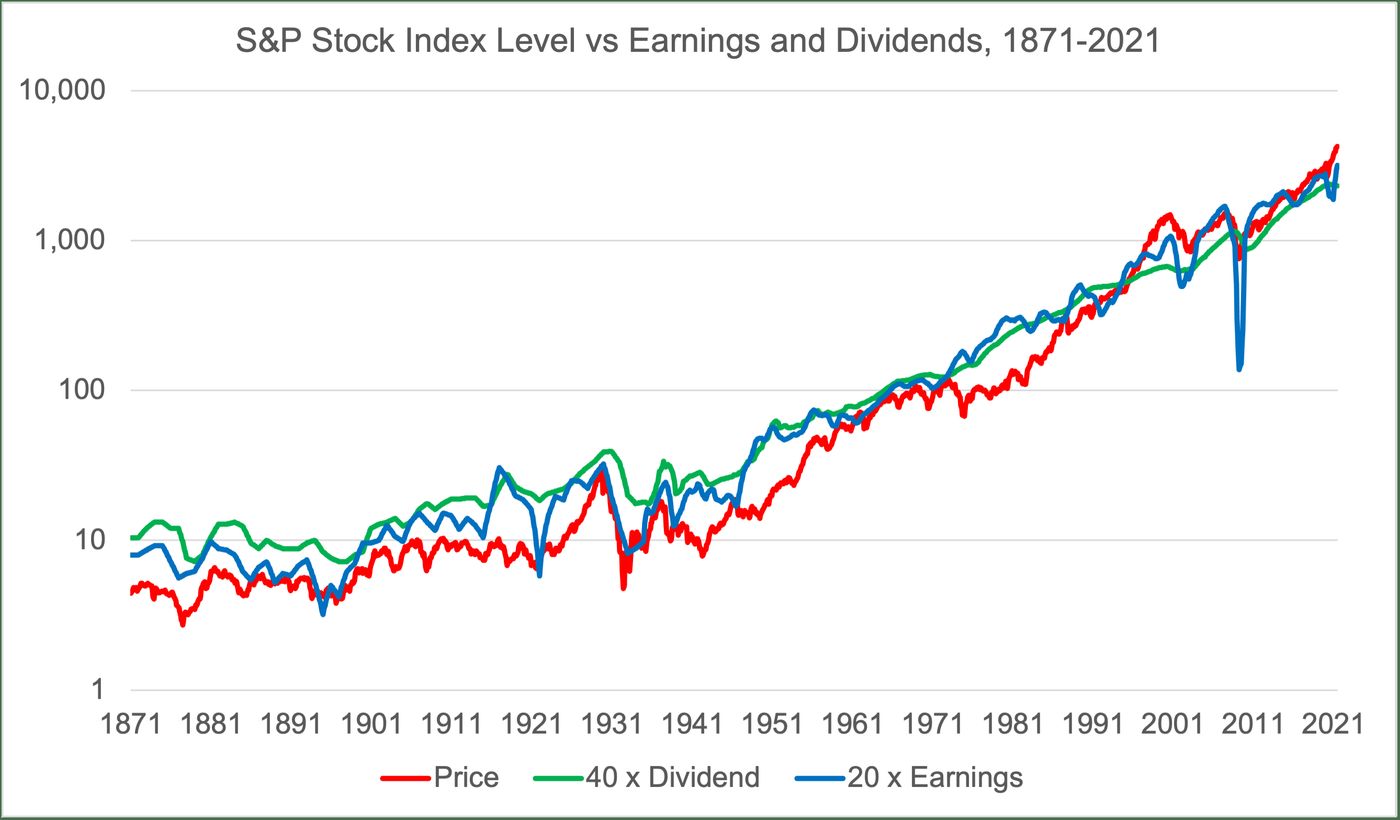
The Vanguard S&P 500 Index ETF has a clear and specific investment objective. The fund seeks to track, to the extent reasonably possible and before fees and expenses, the performance of a broad U.S. equity index that measures the investment return of large-capitalization U.S. stocks. Currently, this Vanguard ETF seeks to track the S&P 500 Index or any successor to that index. It invests directly or indirectly primarily in stocks of U.S. companies to achieve this goal. The fund manager employs an indexing investment approach designed to track the performance of the Standard & Poor's 500 Index, a widely recognized benchmark of U.S. stock market performance that is dominated by the stocks of large U.S. companies. The advisor attempts to replicate the target index by investing all, or substantially all, of its assets in the stocks that make up the index. It holds each stock in approximately the same proportion as its weighting in the index, making the fund non-diversified by its structure.
Key Features for Canadian Investors
This ETF is specifically structured for the Canadian market and trades on the Toronto Stock Exchange. The fund's units are priced in Canadian dollars, which simplifies trading and accounting for domestic investors. Investors must buy or sell Vanguard ETFs in the secondary market with the assistance of a brokerage firm. In doing so, investors may incur brokerage commissions and may pay more than the Net Asset Value when buying and receive less than NAV when selling, as ETFs trade at market price not NAV. The management expense ratio is a critical cost metric for investors. The MER for this fund is 0.08% as of the most recent fund year end, including any waivers and absorptions by the fund manager. Vanguard Investments Canada Inc. expects to continue absorbing or waiving certain fees indefinitely but may, in its discretion, discontinue this practice at any time.
The fund provides distributions to unitholders, and the nature of these payments has specific tax implications. The exact tax treatment of the distributions for a calendar year is calculated after the fund's tax year-end. Investors will receive an official tax statement from their broker detailing the type of income they have to report for tax purposes for the entire year and not for each distribution. Return of Capital represents a distribution amount that is paid back to investors. Each January, Vanguard Investments Canada Inc. will report the actual return of capital for the investment funds. The total payout will remain the same, but the percentage of the payout that equals return of capital and the amount that equals earnings may differ slightly.
Performance and Holdings Data
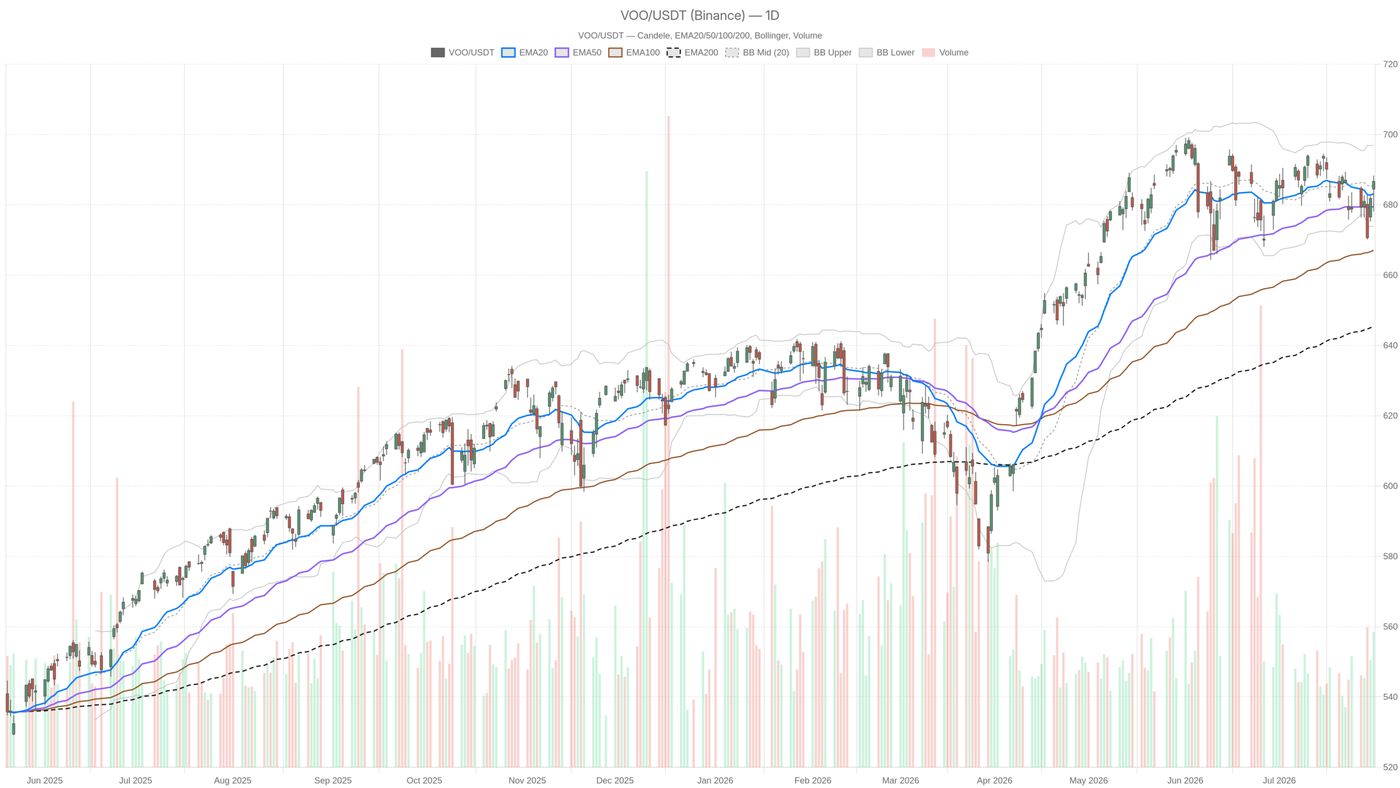
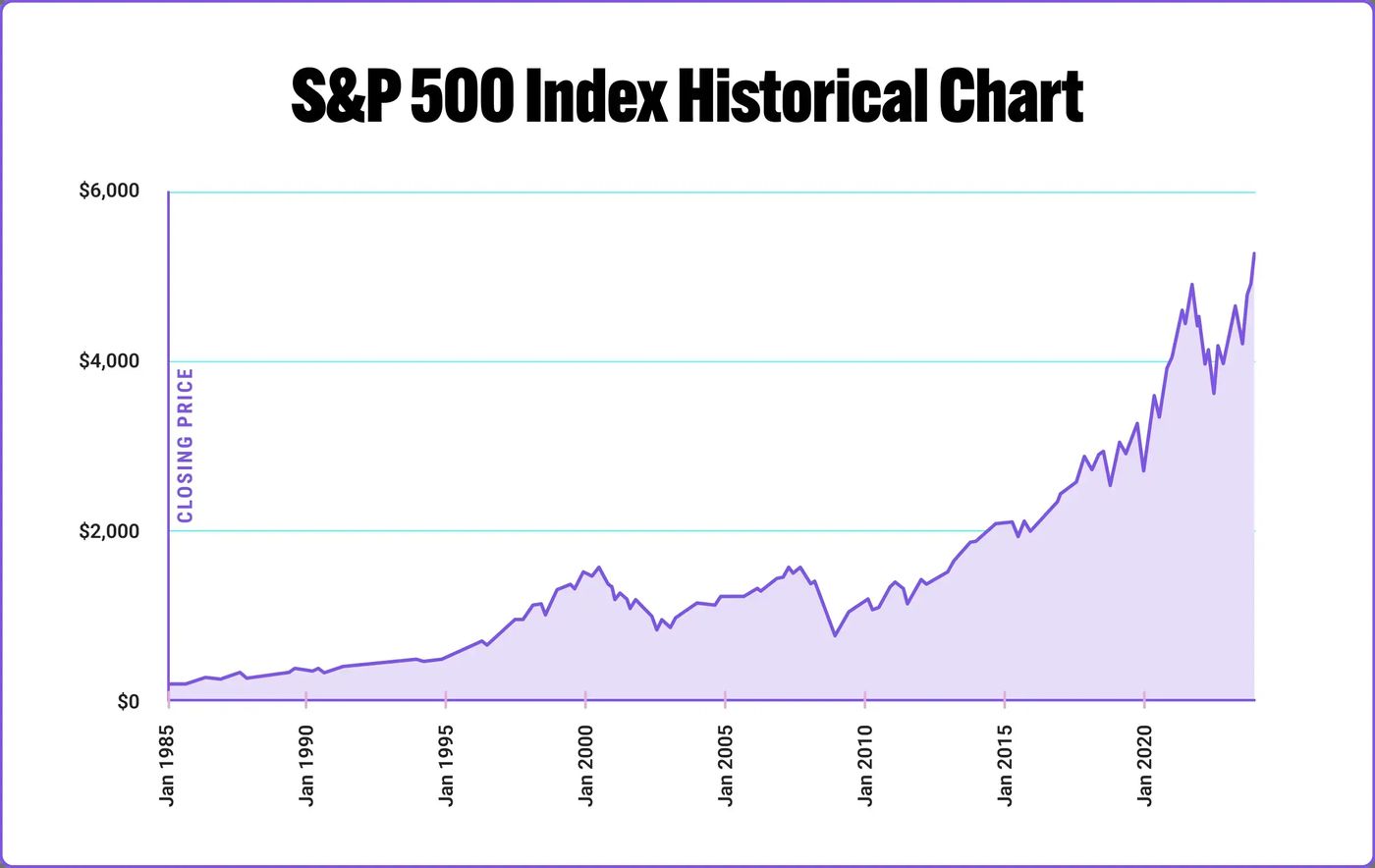
The fund's performance is closely tied to the movements of the S&P 500 Index. Recent performance data shows a one-year return of 17.28% and a three-year return of 24.01% as of October 2026. The year-to-date return was reported as 16.34%. The Net Asset Value per unit was $192.04 CAD, while the market trading price was $192.10 CAD, indicating a very small premium. The fund's 12-month distribution yield is 0.84%. The portfolio's holdings are based on the constituent stocks of the S&P 500 Index. The calculated values for an asset's percentage weight are based on a price provided by a third-party pricing vendor and do not reflect the impact of fair valuation, if applicable. The vendor price is not necessarily the price at which the fund values the portfolio holding for determining the fund's net asset value. Total allocation percentages shown in the holdings details may not equal 100% due to rounding or the omission of cash and futures contracts. Weighted equity exposures exclude any temporary cash investments and equity index futures.
Trading and Purchase Mechanics
Canadian investors can purchase units of the Vanguard S&P 500 Index ETF through two primary channels. The first method is through an online brokerage account, where investors can place buy and sell orders during market hours. The second method is through a financial advisor who can facilitate the transaction. The ETF trades on the Toronto Stock Exchange, and its price can be accessed in real-time through various financial data providers. Trading also occurs during overnight sessions on the Blue Ocean ATS, which is available from 8 PM to 4 AM Eastern Time, Sunday through Thursday, when regular markets are closed. This provides extended hours for trading activity. When buying or selling, investors should be aware of the difference between the market price and the NAV. The market price is determined by supply and demand on the exchange, while the NAV is the per-share value of the fund's underlying assets.
- Purchase Method 1: Through an online brokerage account.
- Purchase Method 2: With the assistance of a financial advisor.
- Trading Venue: Toronto Stock Exchange (TSX).
- Extended Hours Trading: Available on Blue Ocean ATS from 8 PM to 4 AM ET.
- Trading Basis: Units trade at market price, not Net Asset Value.
- Potential Costs: Investors may incur standard brokerage commissions.
It is important for investors to understand that they are buying a security that trades like a stock. The price can fluctuate throughout the trading day based on market activity. The fund's liquidity is generally high due to its popularity and the liquidity of its underlying holdings. Investors should consult with their brokerage for specific order types and trading instructions.
Risks and Considerations
Investing in this ETF carries several risks inherent to its structure and underlying assets. The fund is non-diversified, meaning it concentrates its holdings in the stocks that make up the S&P 500 Index. This exposes investors to market risk, sector risk, and company-specific risk within the U.S. large-cap equity universe. Currency risk is a significant consideration for Canadian investors, as the fund's underlying assets are denominated in U.S. dollars while the ETF units are traded in Canadian dollars. Fluctuations in the CAD/USD exchange rate can affect returns independently of the index's performance. The fund's performance is not guaranteed and will vary with market conditions. Past performance, such as the reported 24.01% three-year return, is not indicative of future results. The fund's low MER is subject to change if Vanguard decides to discontinue its fee waiver or absorption practice. Investors should also consider the tax implications of distributions, which are characterized into income types at year-end.
Comparison with Similar Canadian Products
Within the Canadian ETF marketplace, the Vanguard S&P 500 Index ETF (VFV.TO) is not the only product offering exposure to the S&P 500. A key competitor is the iShares Core S&P 500 Index ETF, which comes in both hedged and unhedged versions. The iShares Core S&P 500 Index ETF (CAD-Hedged), ticker XSP, seeks to replicate the performance of the S&P 500 Index but hedged to Canadian dollars. This currency-hedged structure aims to remove the impact of exchange rate fluctuations between the Canadian and U.S. dollars. In contrast, VFV.TO does not employ a currency hedge, so its returns in Canadian dollars will include the effect of currency movements. The choice between hedged and unhedged exposure is a major point of differentiation for investors. Other factors for comparison include the management expense ratio, tracking error, and the fund provider's reputation. The following table compares key metrics for VFV and a primary competitor as derived from available data.
| ETF | Ticker | Currency Exposure | MER |
|---|---|---|---|
| Vanguard S&P 500 Index ETF | VFV.TO | Unhedged (USD) | 0.08% |
| iShares Core S&P 500 Index ETF (CAD-Hedged) | XSP | Hedged to CAD | Data not specified |
Investors must evaluate their own views on currency risk, cost, and investment philosophy when choosing between these products. The unhedged nature of VFV means its returns in CAD will be a direct combination of U.S. stock returns and USD/CAD forex movements. This can amplify gains if the U.S. dollar strengthens against the Canadian dollar, but it can also detract from returns if the Canadian dollar appreciates. The fund's holdings are based on the S&P 500 Index, and its performance is tied to the fortunes of large U.S. corporations across various sectors.
Frequently asked questions
How do I buy VFV in Canada?
Canadian investors can purchase units of VFV.TO in two main ways. The first is through an online brokerage account, where you can place a trade for the ETF on the Toronto Stock Exchange just like a stock. The second method is through a financial advisor who can execute the trade on your behalf. You must buy or sell Vanguard ETFs in the secondary market with the assistance of a brokerage firm, and you may incur standard brokerage commissions.
Does VFV pay dividends?
Yes, the Vanguard S&P 500 Index ETF makes distributions to unitholders. The fund's 12-month distribution yield is 0.84%. The distributions consist of dividends and other income from the underlying U.S. stocks. The exact tax treatment of these distributions is determined after the fund's tax year-end, and investors receive an annual tax statement from their broker. Part of a distribution may be classified as Return of Capital, which is reported each January.
What is the difference between VFV and VOO?
VFV.TO is the Canadian version of the S&P 500 ETF, listed on the Toronto Stock Exchange and priced in Canadian dollars. VOO is the U.S.-domiciled Vanguard S&P 500 ETF, listed on U.S. exchanges and priced in U.S. dollars. VFV provides Canadian investors with direct access without needing to trade on a U.S. exchange or convert currency for the trade itself, though the underlying assets are still in USD. VFV has a slightly different fee structure tailored for the Canadian market.
Is VFV currency hedged?
No, the Vanguard S&P 500 Index ETF (VFV.TO) is not currency hedged. It provides unhedged exposure to the U.S. dollar. This means the returns for a Canadian investor will be affected by changes in the exchange rate between the Canadian dollar and the U.S. dollar. If the U.S. dollar strengthens against the Canadian dollar, it can boost returns in CAD terms, and vice versa. Investors seeking hedged exposure may consider other ETFs like iShares' XSP.
What is the Vanguard S&P 500 ETF (VFV.TO)?
The Vanguard S&P 500 Index ETF (VFV.TO) is a Canadian listed exchange traded fund managed by Vanguard Investments Canada Inc. Its primary objective is to track the performance of the S&P 500 Index, a benchmark of large capitalization U.S. stocks. The fund employs an indexing approach, investing directly or indirectly in the stocks that constitute the index and holding them in approximately the same proportions. It provides exposure to 500 of the largest publicly traded companies in the United States. This ETF trades on the secondary market at market price, not its net asset value, meaning investors buy and sell through a brokerage firm.
What is the management fee for VFV?
The management expense ratio for the Vanguard S&P 500 Index ETF (VFV.TO) is 0.08 percent. This MER figure includes any waivers or absorptions of fees by Vanguard Investments Canada Inc as of the most recent fund year end. The company expects to continue this practice of absorbing or waiving certain fees indefinitely but may discontinue it at its discretion. This low cost structure is a result of its passive management strategy designed to replicate the index. The total expense ratio is also listed as 0.08 percent for this fund.
Sources and further reading
- (VFV) Vanguard S&P 500 Index ETF vanguard.ca
- iShares Core S&P 500 Index ETF (CAD- Hedged) - XSP rbcgam.com
- Vanguard S&P 500 ETF (VOO) Stock Price, News, Quote & ... ca.finance.yahoo.com
This article explains how things work and is not financial, tax or legal advice. Rules, limits and rates change, so check the current figures with the Canada Revenue Agency, your province or your financial institution before you act.