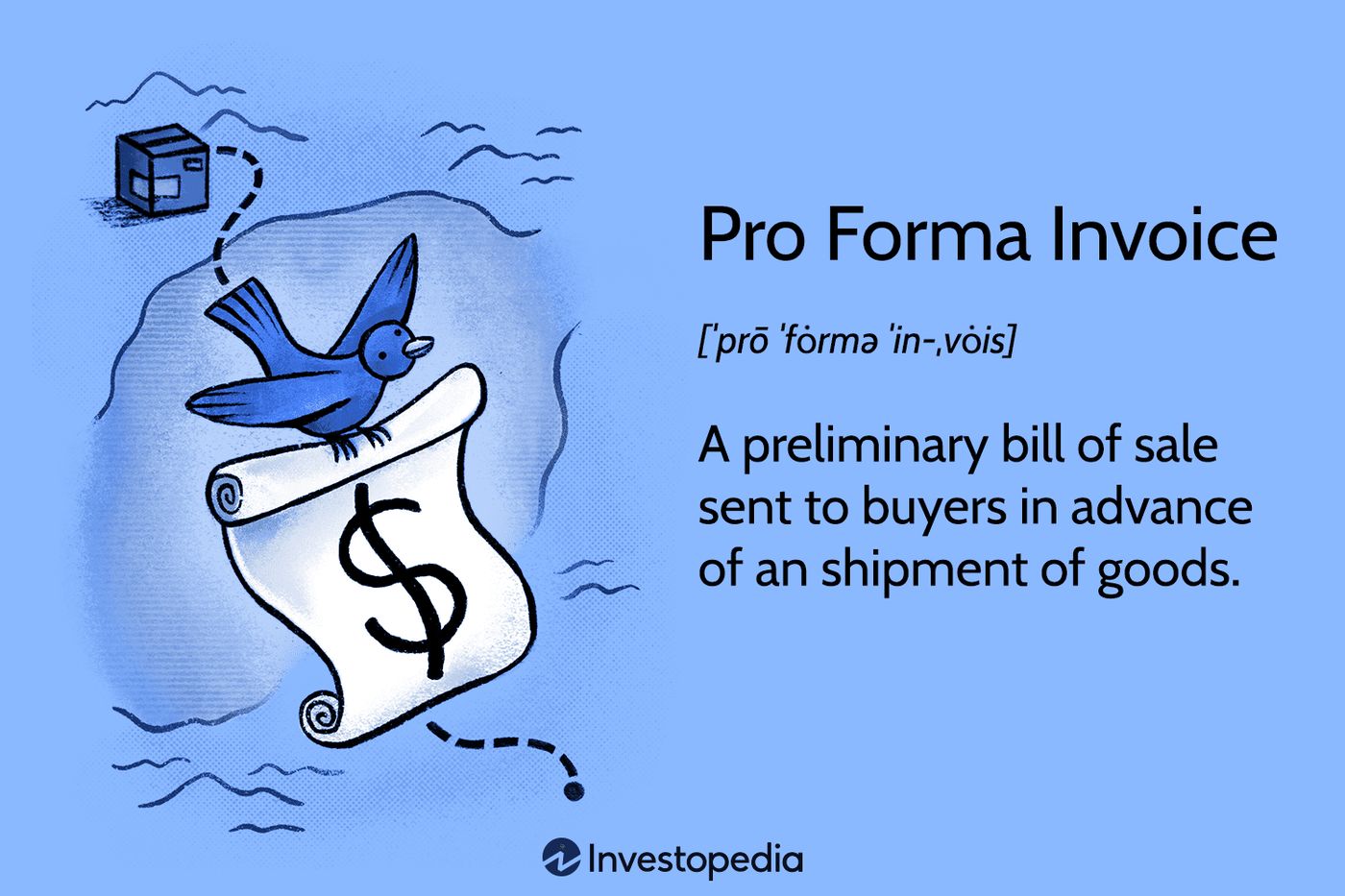
A pro forma invoice is a preliminary bill of sale issued by a seller before goods are shipped or services are provided. It outlines the estimated costs, quantities, and terms of a proposed transaction, serving as a detailed quotation for the buyer. In Canada, this document is particularly vital for international trade, helping to set expectations and facilitate customs processes. With Canadian exports valued at $712.8 billion in 2024, primarily driven by small and medium-sized enterprises, understanding and correctly using pro forma invoices is essential for smooth cross-border commerce.
Definition and Core Purpose
A pro forma invoice is a document generated as a matter of course in business, conforming to the norm of providing a courtesy estimate. The term pro forma is Latin for "as a matter of form," indicating its role as a formalized quotation. In trade, it states a commitment from the seller to sell goods at specified prices and terms before the sale is finalized. It is used to declare the value of the trade and ensure both parties agree on details to avoid later disagreements. Crucially, it is not a true invoice for accounting purposes, as it does not record accounts receivable or payable.
The core purpose is to provide clarity and set expectations before any resources are committed. For the seller, it secures buyer agreement on pricing and scope. For the buyer, it allows for review of costs, arrangement of financing, or preparation for customs clearance. In the context of Canadian international trade, where over 53,000 businesses exported goods in 2024, this preliminary document is a key tool in the negotiation and planning stages of a shipment.
Key Components and Creation
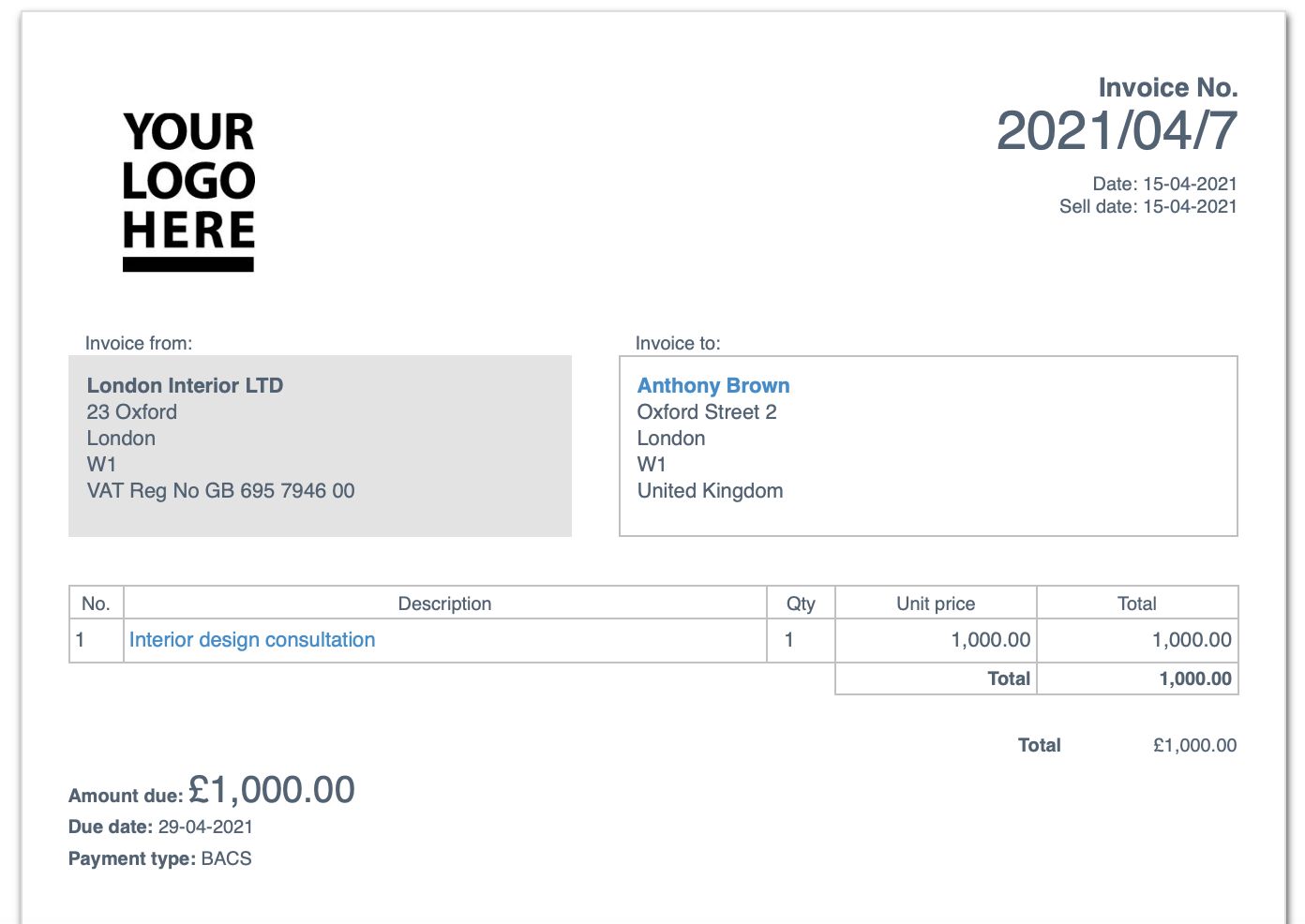
A comprehensive pro forma invoice must include specific details to be effective and avoid confusion. It should model the proposed sale as accurately as possible, providing a clear breakdown of all anticipated costs. The document must be clearly labeled as a pro forma invoice to distinguish it from a final commercial invoice. Essential fields include the full business names and addresses of both seller and buyer, along with contact information. For international shipments, the buyer's tax identification number and any relevant import licence details are also necessary.
The itemized list of goods or services is the heart of the document. Each line should include a description, quantity, unit price, and total price. A brief but specific description helps prevent customs delays. The invoice must then summarize all charges, including subtotals, shipping costs, insurance, handling fees, and any estimated taxes such as GST/HST. The currency of the transaction must be explicitly stated, as this is critical for international payments. Finally, the terms section should specify payment due date, accepted methods, expected delivery date, and relevant Incoterms to clarify shipping responsibilities.
Creating a pro forma invoice involves a logical sequence of steps to ensure accuracy and professionalism. Gather complete buyer and seller information, including international tax IDs if applicable. Compile a detailed, itemized list of all products or services with quantities and unit prices. Calculate all additional charges and taxes to provide a total estimated cost. Define clear payment and delivery terms, including Incoterms for international sales. Review all details for accuracy and send the document to the buyer for approval. Many Canadian businesses utilize pre-built digital templates to streamline this process and ensure no critical field is omitted. The goal is to produce a document that leaves no room for ambiguity, fostering trust and smoothing the path to a final sale.
Pro Forma vs. Commercial and Customs Invoices
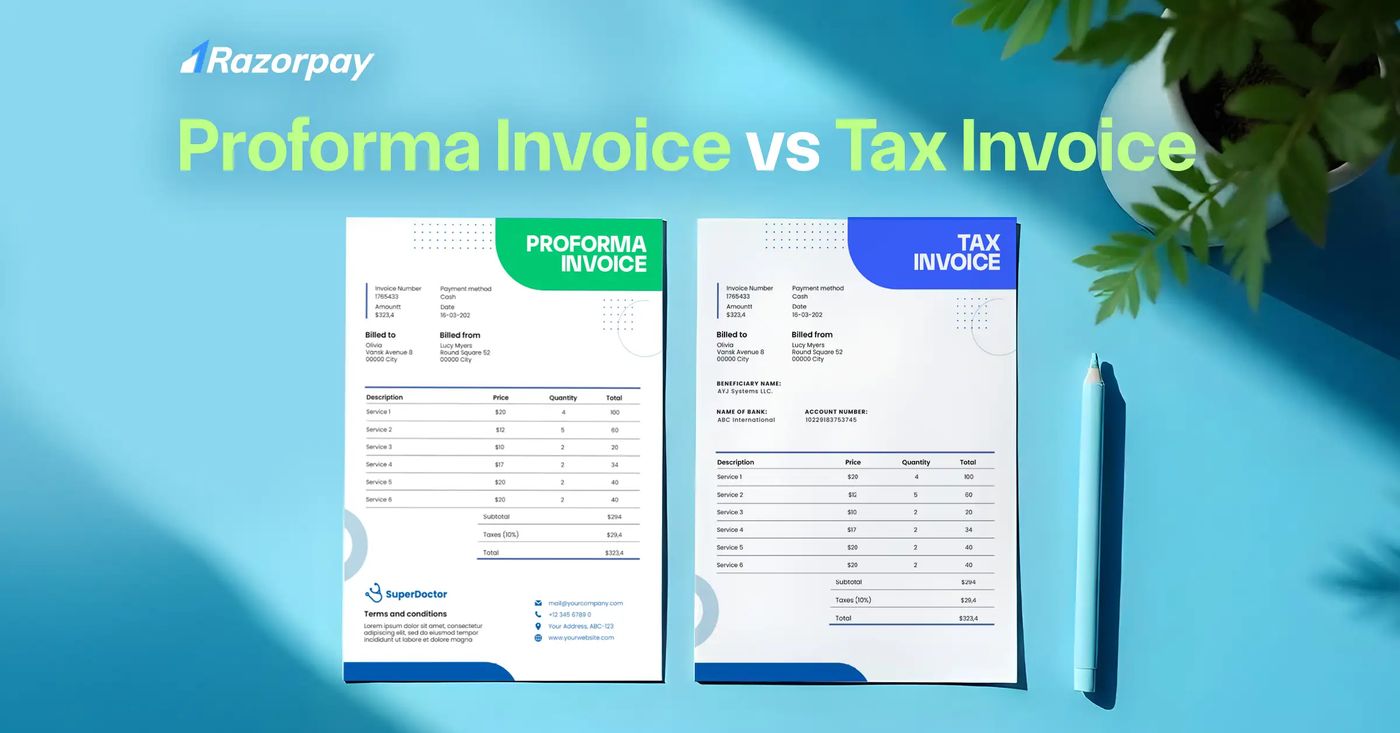
Understanding the distinctions between a pro forma invoice, a commercial invoice, and a customs invoice is fundamental for compliant trade, especially in Canada. A pro forma invoice is a preliminary estimate issued before goods are shipped, used for planning and agreement. In contrast, a commercial invoice is the official, legally-binding document issued after the sale is finalized and goods are ready to ship. The commercial invoice acts as a formal demand for payment and is the primary record for accounting and tax purposes. The Canada Border Services Agency (CBSA) relies on the commercial invoice for customs clearance, using it to identify shipments, verify their value, and calculate owed duties and taxes.
The CBSA strictly rejects pro forma invoices as the primary customs accounting document for commercial entries. If a commercial invoice is missing or incomplete, cargo can be held at the border until a valid one or a completed Canada Customs Invoice (Form CI1) is supplied. The data on a commercial invoice mirrors a pro forma invoice but must reflect the absolute final, actual details of the shipment. The requirements for these documents in Canada are prescribed by the government. For commercial imports, the CBSA's Memorandum D1-4-1 outlines that a commercial invoice is required for most shipments. However, for shipments with a value for duty of $2,500 or more, a Canada Customs Invoice (CCI) may be required instead of or in addition to the commercial invoice. The CCI is a specific form that includes all data needed by Canadian customs authorities.
The following table summarizes the key differences and uses of these critical trade documents. It clarifies the stage at which each is issued, its legal standing, and its specific role in the Canadian customs process. In Canada, this process is governed by the Canada Border Services Agency (CBSA) and its mandatory CBSA Assessment and Revenue Management (CARM) system. The commercial invoice is the official document required for customs clearance of commercial goods. A pro forma invoice is a preliminary document used before a sale is finalized and goods are shipped.
| Document | Stage Issued | Legal Status | Use in Canadian Customs |
|---|---|---|---|
| Pro Forma Invoice | Before sale/shipment | Non-binding estimate | Not accepted for clearance |
| Commercial Invoice | After sale, at shipment | Binding sales record | Primary document for assessment |
| Canada Customs Invoice (CI1) | With commercial entry | Official customs form | Required for shipments ≥$2,500 or when commercial invoice lacks data |
For non-sale shipments such as gifts, samples, or returns, a pro forma invoice can be used to declare value to customs, as there is no commercial sale. A pro forma invoice is used for shipments containing items that are not being bought or sold. However, a customs invoice or declaration is often recommended for such scenarios to meet border officials' requirements for an export declaration. Using a customs invoice or declaration is a practice common in New Zealand for air parcel post shipments.
Use in Canadian International Trade
Pro forma invoices play a significant role in Canada's substantial international trade activity. With small and medium-sized enterprises constituting 97% of all exporting firms, clear preliminary documentation is essential. These invoices help Canadian exporters communicate costs clearly to overseas buyers, which is critical as exports to non-US markets have grown by 13.6% in recent years. The document allows the foreign buyer to arrange letters of credit, secure import permits, or prepare for their own customs processes before the goods are even manufactured or shipped. This is especially important for complex transactions involving mergers, acquisitions, or new capital investments where projected financials are needed.
The Canadian regulatory environment for imports has been modernized with the CBSA Assessment and Revenue Management (CARM) system. CARM is the mandatory digital system for commercial importers to manage their customs accounts, pay duties, and post financial security. While a pro forma invoice supports planning, the actual import process under CARM requires the final commercial invoice or CI1 for the release of goods. Importers must be registered in the CARM Client Portal and use it for their transactions, establishing their own direct financial security to account for duties and taxes as required by the CBSA.
Canadian rules for using pro forma invoices in trade align with international practices but have specific enforcement. U.S. Customs and Border Protection, for example, may accept a pro forma invoice temporarily to assess duty and examine goods, but the importer must post a bond and produce a commercial invoice within 120 days. In Canada, the CBSA does not have this provisional allowance for commercial shipments. A proper commercial invoice or CI1 is required at the time of entry for goods to be released, preventing delays and storage charges. This strict requirement underscores the importance of having final documentation ready for any commercial shipment entering Canada.
Accounting and Legal Considerations
In accounting, pro forma figures are used to present financial information that excludes unusual or non-recurring transactions. This practice, which saw a boom in the late 1990s among dot-com companies, is separate from the use of pro forma invoices in trade. For invoices, the key accounting principle is that a pro forma invoice is not recorded in the books. It does not create an accounts receivable entry for the seller or an accounts payable for the buyer. Only the subsequent commercial invoice triggers these accounting entries and becomes part of official sales records, cost of goods calculations, and audit trails.
Legally, a pro forma invoice is generally considered a binding agreement on the outlined terms, but it is not a legally-binding document in the same way a commercial invoice is. The price and details can change before the final sale. The U.S. Securities and Exchange Commission has ruled that using pro forma results to obscure GAAP results can constitute fraud if used to mislead investors, highlighting the seriousness of misrepresenting financial status, though this pertains to pro forma financial statements, not trade invoices. In business contexts like securing a loan for a startup, banks may request pro forma financial statements in lieu of tax returns to verify projected cash flow.
In Canada, for tax purposes, a pro forma invoice is not a tax invoice for GST/HST. A supplier's GST/HST obligations begin when a final invoice is issued or when goods are delivered, whichever comes first. Therefore, the pro forma invoice serves only to document expected terms, not to claim input tax credits or remit taxes. This distinction is important for Canadian businesses to maintain compliant record-keeping and avoid tax filing errors. The document's role is purely preparatory, aiding in business planning and agreement without creating immediate fiscal liabilities.
Risks and Common Pitfalls
The primary risk associated with pro forma invoices in a Canadian context is the potential for customs delays and financial penalties. Submitting a pro forma invoice to the CBSA in place of a required commercial invoice or CI1 will result in the shipment being held. This can lead to storage fees, demurrage charges, and frustrated customers awaiting delayed goods. The CBSA's stance is clear, as outlined in Memorandum D17-1-4 on the Release of Commercial Goods: only a commercial invoice or CI1 is accepted for assessing duties and authorizing release. This enforcement is part of the CBSA's mandate to ensure accurate revenue collection and compliance with trade regulations.
Another significant risk is ambiguity or error in the pro forma document itself. Vague descriptions of goods, incorrect Harmonized System (HS) codes, or miscalculated totals can cause disagreements between buyer and seller later in the process. In international trade, the HS code is a critical element used by customs agencies worldwide to classify products, apply correct tariffs, and ensure compliance. An incorrect code on the pro forma invoice that carries over to the commercial invoice can result in incorrect duty assessments and potential fines. Furthermore, omitting key details like the consignee's information, the specific entity designated to receive the freight, can also cause logistical failures and clearance issues.
Businesses must also be wary of treating the pro forma invoice as a final accounting document. Since it is not recorded in the books, relying on it for financial reporting or cash flow projections without the follow-up commercial invoice can lead to inaccurate financial management. Furthermore, while the pro forma invoice sets expectations, its non-binding nature means the seller is not obligated to hold the quoted price if costs change before the final sale, which could disrupt the buyer's plans if not communicated properly. This underscores the importance of clear communication and using the pro forma invoice as a step in the process, not the conclusion of a transaction.
Historical Context and Other Uses of Pro Forma
The term "pro forma" has applications beyond trade invoices, rooted in historical formalities. In legal contexts, pro forma court rulings are issued to facilitate the legal process and move matters along. In government, particularly within the Westminster system used in Canada, pro forma bills are a long-standing tradition. The practice was first introduced in the House of Commons of England in 1558 and symbolizes the authority of parliament to discuss matters beyond those specified by the head of state. These bills are incomplete legislation that undergo only a first reading and are never considered further, serving a purely ceremonial purpose.
In the Parliament of Canada, pro forma bills are titled Bill C-1, An Act respecting the Administration of Oaths of Office, in the House of Commons, and Bill S-1, An Act relating to Railways in the Senate. These bills are introduced immediately before the speech from the throne and undergo only a first reading. They are never considered further, serving purely as a ceremonial assertion of parliamentary privilege. This usage underscores the term's broader meaning of performing an action as a matter of formality, distinct from its commercial application as a preliminary but functional business document.
In the United States Congress, pro forma sessions are held to fulfill the constitutional requirement that neither chamber can adjourn for more than three days without the other's consent. These sessions, where no formal business is conducted, have been used to prevent presidential recess appointments. A 2014 Supreme Court ruling in NLRB v. Noel Canning determined that the period between such pro forma sessions was not long enough for the president to invoke recess appointment powers. These diverse applications in law, government, and business all share the common thread of the pro forma concept satisfying a formal or procedural requirement without constituting substantive action or a final, binding commitment.
Frequently asked questions
Is a pro forma invoice legally binding in Canada?
A pro forma invoice is generally considered a binding agreement on the terms outlined, but it is not a legally-binding document in the same way a final commercial invoice is. It serves as a detailed quotation and a good-faith estimate. The price and specifics can change between the pro forma invoice and the final sale. It does not create a formal accounts payable or receivable and is not recorded in accounting systems as a transaction, which distinguishes it from a commercial invoice.
What is the difference between a pro forma invoice and a commercial invoice?
A pro forma invoice is a preliminary estimate issued before goods are shipped, used for planning and agreement. A commercial invoice is the official, final document issued after the sale is complete and goods are shipped. It is a legally binding record of the sale and a demand for payment. For customs purposes, only the commercial invoice is accepted by authorities like the CBSA to assess duties and taxes and release shipments, while a pro forma invoice is used only in the pre-shipment phase.
Do I charge GST/HST on a pro forma invoice?
No, a pro forma invoice is not a tax invoice for GST/HST purposes. It is only an estimate of costs. Your GST/HST obligations as a seller begin when you issue a final commercial invoice or when the goods are delivered, whichever happens first. The pro forma invoice may include an estimate of these taxes for the buyer's information, but it does not constitute a remittance or claim document for tax authorities and cannot be used to claim input tax credits.
Can I use a pro forma invoice for Canadian customs clearance?
No, you cannot use a pro forma invoice for Canadian customs clearance for commercial goods. The Canada Border Services Agency strictly rejects pro forma invoices as primary customs accounting documents. For commercial entries, the CBSA requires a valid commercial invoice or, for shipments valued at $2,500 or more, a Canada Customs Invoice (Form CI1). Submitting only a pro forma invoice will result in your shipment being held at the border under Release Prior to Payment rules until the correct documentation is supplied, which can cause significant delays and storage fees.
When should I send a pro forma invoice?
You should send a pro forma invoice after a buyer has accepted your quote but before the sale is finalized and before goods are manufactured, packaged, or shipped. This document acts as a binding quotation or confirmed purchase order, putting all agreed terms in writing. Sending it at this stage allows the buyer to review the detailed costs and terms, arrange payment or financing, and prepare for customs clearance. It also gives the seller confirmed approval to proceed with production or procurement for the specific order.
Sources and further reading
- Pro forma invoice (Wikipedia) en.wikipedia.org
- Proforma Invoice vs Commercial Invoice wise.com
- What is a pro forma invoice? A guide for Canadian ... xero.com
- Proforma Invoice vs Commercial Invoice venn.ca
- The differences between a pro forma invoice and ... - Cole Blog blog.coleintl.com
- What is a Pro Forma Invoice? When and How to Use It squareup.com
This article explains how things work and is not financial, tax or legal advice. Rules, limits and rates change, so check the current figures with the Canada Revenue Agency, your province or your financial institution before you act.