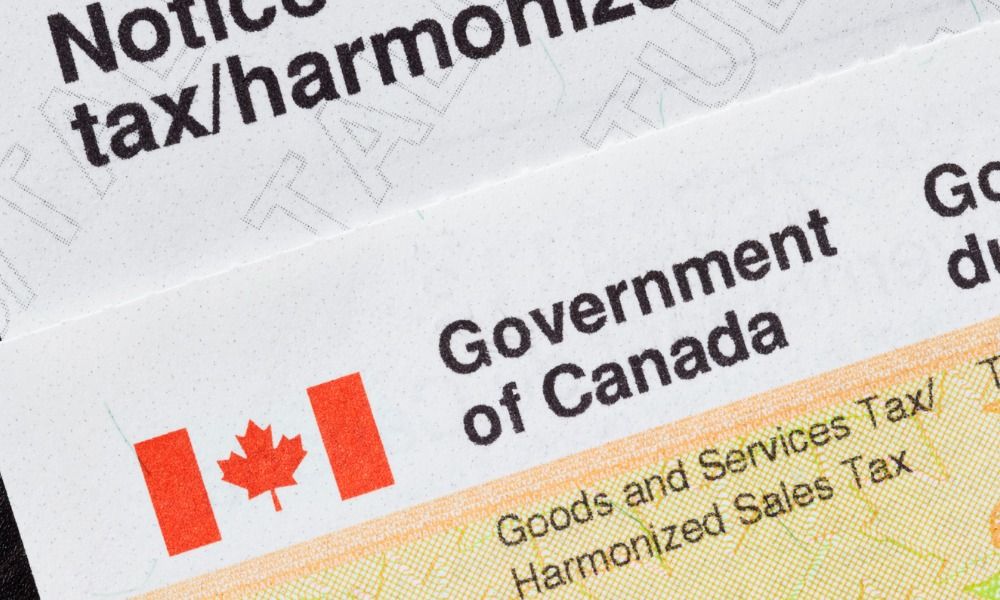
A Notice of Assessment (NOA) is the official summary document the Canada Revenue Agency (CRA) sends after processing an individual's income tax and benefit return. It details the results of the CRA's assessment, confirming the taxpayer's income, credits, and whether they owe money or are receiving a refund. The NOA serves as a critical financial record, containing information on Registered Retirement Savings Plan (RRSP) deduction limits and Tax-Free Savings Account (TFSA) contribution room. Canadians need this document for various financial activities, including applying for mortgages and loans, and it is essential for verifying income and tax status.
Purpose and Contents of the Notice of Assessment
The Notice of Assessment is the CRA's formal evaluation and response to a filed tax return. Its primary function is to confirm the accuracy of the taxpayer's submission and communicate the final, authoritative result. This document acts as an official receipt, verifying that the return has been received and processed. The NOA is not merely a confirmation of a refund or balance owed but a comprehensive record that taxpayers must retain for future reference. It provides the definitive figures that government agencies and financial institutions will accept as proof of income and tax status.
The NOA contains several key sections that detail the taxpayer's financial situation for the year. The account summary shows the final outcome of the assessment, indicating a refund, a zero balance, or an amount owing, including any outstanding balances from previous years. The tax assessment summary breaks down the key lines from the assessed return, such as total income and net income. A critical component is the Explanation of Changes section, which details any adjustments the CRA made to the originally filed return, such as disallowing a credit or recalculating income. This section is essential for understanding discrepancies between the taxpayer's calculations and the CRA's final assessment.
Beyond the immediate tax result, the NOA provides vital forward-looking information for financial planning. It states the taxpayer's RRSP deduction limit for the following year, which is the maximum amount that can be deducted on the next return. It also shows the available contribution room for a Tax-Free Savings Account. For those who have used government programs, the NOA includes statements for the Home Buyers' Plan and the Lifelong Learning Plan, showing the remaining balance and the minimum repayment required for the upcoming year. All this information is tied to the taxpayer's Social Insurance Number, which the CRA uses to identify the account.
How to Obtain and Access Your NOA
Taxpayers receive their Notice of Assessment automatically after the CRA finishes processing their return. The delivery method depends on the communication preferences set with the CRA. For those enrolled in Online Mail through CRA My Account, the NOA will be available digitally. Otherwise, a paper copy is mailed to the address on file from the tax return. The CRA encourages electronic delivery for faster and more secure access. It is important to note that refunds are typically issued concurrently with the NOA, though electronic refunds via direct deposit may arrive slightly before or after the assessment document itself.
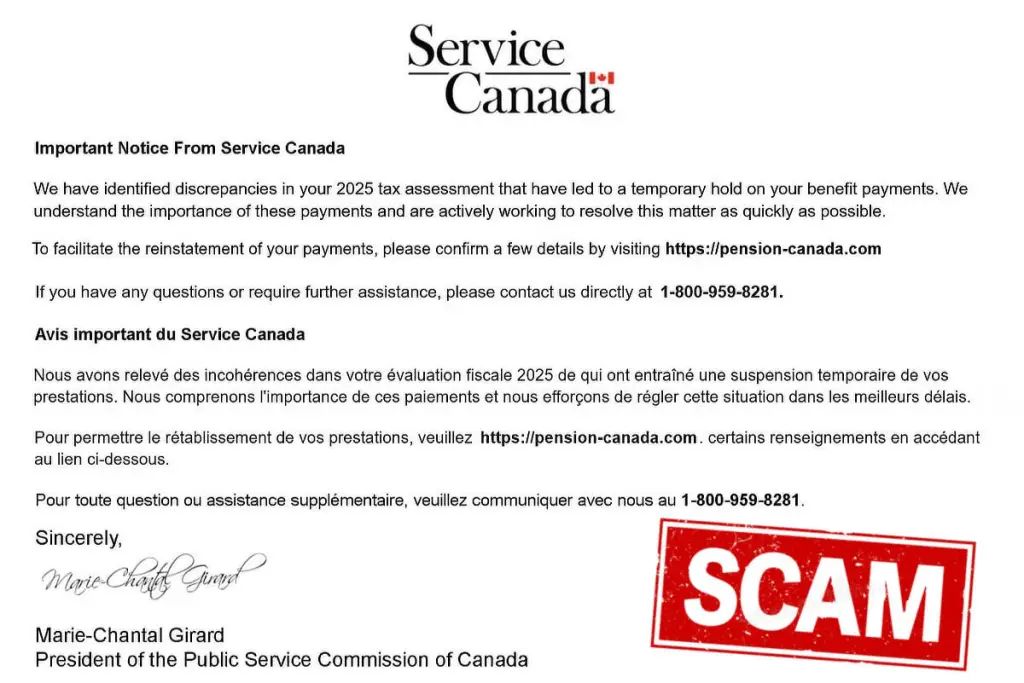
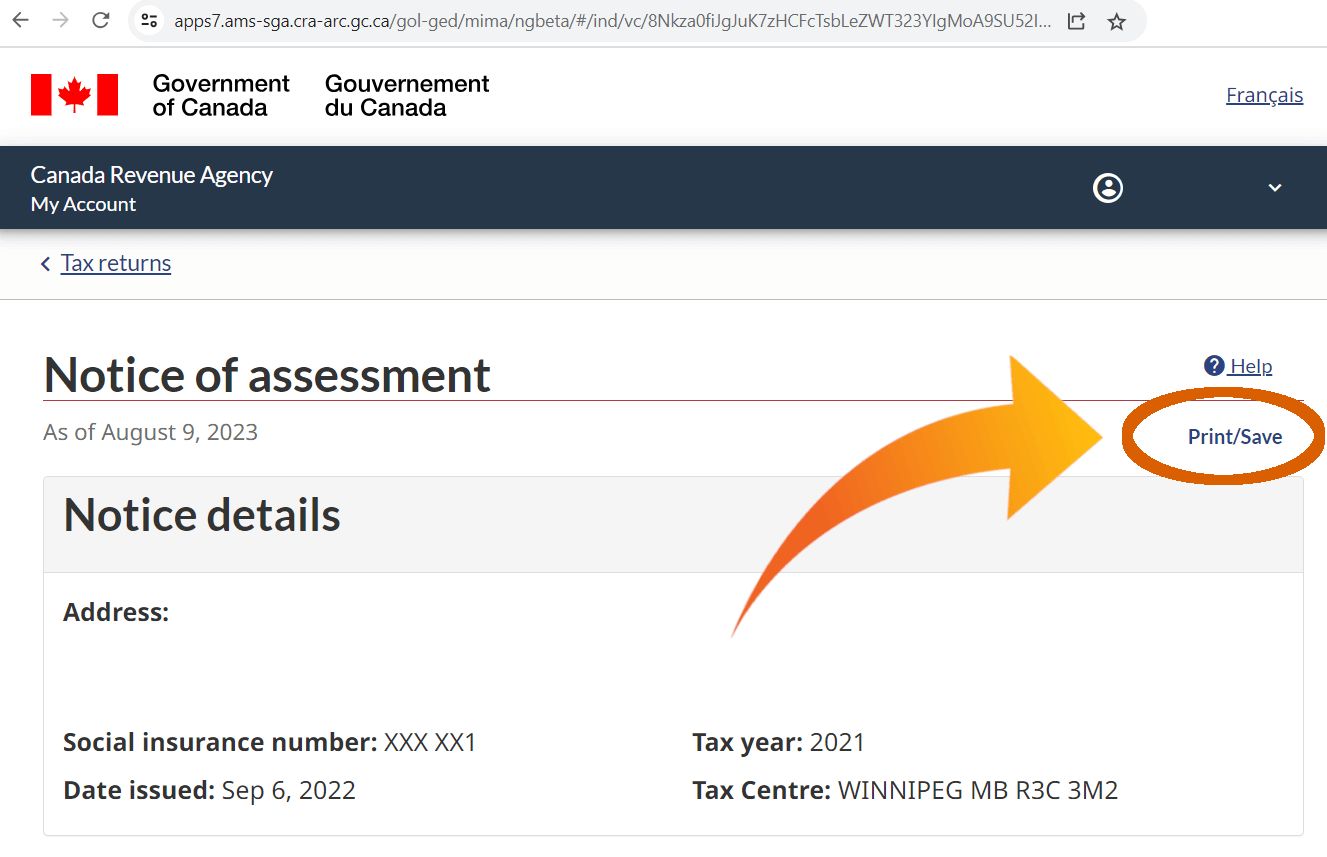
If the original NOA is misplaced, there are straightforward ways to obtain a replacement copy. The easiest and fastest method is through the CRA's online services. By logging into CRA My Account or using the MyCRA mobile app, individuals can view, download, and print NOAs from recent years instantly. This service provides immediate access without waiting for mail delivery. For those without online access, a duplicate can be requested by calling the CRA at 1-800-959-8281. The caller will need to answer security questions about a prior year's return before a paper copy can be reissued and mailed, a process that can take up to 10 business days.
The timeline for receiving the initial NOA varies significantly based on filing method. For returns filed electronically using NETFILE, the assessment is typically completed and the NOA available within two weeks. For paper returns sent by mail, the processing time is longer, generally between four and eight weeks. These timelines can extend if the return is filed near or after the April 30 deadline, during peak processing periods. For non-residents of Canada filing a personal return, processing can take up to 16 weeks. Taxpayers can check the status of their assessment at any time by logging into CRA My Account.
Using Your NOA for Financial and Government Applications
The Notice of Assessment is a foundational document for verifying income and tax status in Canada. Financial institutions universally accept the NOA as proof of income when individuals apply for credit products like mortgages, personal loans, or lines of credit. Lenders use the information, particularly the net income figure, to determine borrowing capacity and creditworthiness. Landlords may also request a copy of an NOA during rental applications to confirm a prospective tenant's financial stability. The document's status as an official government summary gives it greater weight than a pay stub or a personal tax return.
Government programs and benefits often require information from the NOA for eligibility verification or calculation. When applying for certain provincial or federal benefits, the income details on the NOA may be requested. The document is also necessary for authorizing a tax professional or representative to interact with the CRA on a taxpayer's behalf. For instance, providing specific details from a previous year's NOA can allow a tax expert to use an alternative authorization process to access CRA data. This facilitates the efficient filing of returns and the resolution of disputes without the taxpayer needing a CRA My Account.
For personal financial management, the NOA is indispensable for tracking carry-forward amounts and planning contributions. The stated RRSP deduction limit and TFSA contribution room must be adhered to in order to avoid penalties. The NOA also provides the statement of account for the Home Buyers' Plan and Lifelong Learning Plan, detailing repayment obligations. Taxpayers are advised to keep each year's NOA for at least six years, as the CRA can review returns within this period. Maintaining this record helps individuals quickly reference past financial data and respond to any CRA inquiries.
Disagreeing with or Correcting Your Assessment
If a taxpayer disagrees with the outcome detailed in their Notice of Assessment, they have formal recourse. The first step is to carefully review the Explanation of Changes section on the NOA, where the CRA outlines any adjustments made. This can clarify whether a discrepancy is due to a CRA correction or a possible error on the original return. If the taxpayer identifies a mistake they made, such as omitting a tax slip or credit, they can request an adjustment without filing a new return. This can be done online through the Change my return feature in CRA My Account for the previous 10 calendar years, or by using the ReFILE service through certified NETFILE software.
When a taxpayer believes the CRA's assessment is incorrect, they have the right to file a formal notice of objection. The deadline to file an objection is generally 90 days from the date printed on the NOA, or one year after the filing deadline for that tax year, whichever is later. The objection must be made in writing and should include the reasons for disputing the assessment along with any supporting documents. During the objection process, the CRA will review the case and may issue a Notice of Reassessment (NOR) if changes are warranted. A NOR is a separate document issued only when an original assessment is altered.
Common issues can arise from timing differences between payments and processing. If a balance was paid with the return but the NOA still shows an amount owing, it is often because the payment had not been allocated to the account when the assessment was generated. In such cases, the payment may appear as an unallocated credit, and interest charges on the NOA may not be owed. Taxpayers should allow time for processing and then verify their account balance online or by phone. Self-employed individuals and their spouses must note that while their filing deadline is June 15, any balance owing must still be paid by April 30 to avoid interest charges.
Key Differences Between Related Tax Documents
It is important to distinguish the Notice of Assessment from other tax documents. The T1 General is the actual income tax and benefit return that the taxpayer completes and submits. The NOA is the CRA's official response to that T1 return. A Notice of Reassessment (NOR) is distinct from an NOA. An NOA is issued after the initial processing of a return. A NOR is issued only if changes are made later, either because the taxpayer requested an adjustment or the CRA conducted a review and corrected the numbers. A taxpayer may receive multiple NORs for a single tax year if several adjustments occur over time.
The NOA also differs from tax slips like the T4 or T5. Those slips report specific types of income paid to the taxpayer, such as employment income or investment income. The NOA synthesizes all income from all slips, along with deductions and credits, into a single comprehensive summary as assessed by the CRA. While tax slips are inputs into the tax return, the NOA is the government's output and final word on that return for the year. For financial verification purposes, institutions almost always request the NOA over individual tax slips because it represents the CRA's authoritative conclusion.
Processing Timelines and Factors Affecting Delivery
The speed at which a Notice of Assessment is issued depends heavily on the filing method chosen by the taxpayer. The CRA has streamlined digital processing, making electronic filing the fastest route. Filing near the April 30 deadline can extend these times due to high volume. The refund issuance timeline is linked to the assessment. For electronic filers with direct deposit, refunds are often issued within 8 business days after the NOA is finalized. Paper filers or those receiving cheques may wait up to eight weeks for their refund. Several factors can delay both the assessment and the refund, including errors on the return, missing information, the return being selected for a review, or discrepancies with information the CRA has on file from other sources.
| Filing Method | Typical NOA Processing Time |
|---|---|
| NETFILE (Electronic) | Up to 2 weeks |
| EFILE (Through a preparer) | Similar to NETFILE |
| Paper Return by Mail | 4 to 8 weeks |
| Non-Resident Paper Return | Up to 16 weeks |
Essential Steps After Receiving Your NOA
Upon receiving your Notice of Assessment, you should take several important actions to ensure your financial and tax affairs are in order. First, review the document thoroughly and compare the figures, especially your net income, to the return you submitted. Verify that any expected refund or balance owing matches your calculations. Check the Explanation of Changes section carefully to understand any adjustments made by the CRA. Confirm that your RRSP deduction limit and TFSA contribution room align with your expectations based on your financial records.
Second, securely store your NOA. Since it contains your Social Insurance Number and sensitive financial data, it should be kept in a safe place, whether in a physical filing system or as a digital copy. The recommendation is to retain each NOA for a minimum of six years, as this is the standard period during which the CRA can choose to review a return. These documents are frequently needed for loan applications, and having them organized saves time and effort.
Finally, use the information proactively for future planning. The RRSP and TFSA limits provided are official and should guide your contribution decisions for the upcoming year to avoid over-contribution penalties. Note any repayment amounts for the Home Buyers' Plan or Lifelong Learning Plan and schedule those payments. If you discover an error or omission, use the online adjustment services promptly. If you disagree with the CRA's findings, mark the objection deadline on your calendar to preserve your right to appeal.
Frequently asked questions
How long does it take to get my NOA after filing?
Processing times depend on how you filed. If you filed electronically using NETFILE, your NOA is typically available within two weeks. If you mailed a paper return, it can take between four and eight weeks. These times can be longer if you file near the deadline or if you are a non-resident, in which case processing can take up to 16 weeks for a paper return.
What should I do if I disagree with my NOA?
First, review the Explanation of Changes section on the NOA to understand the CRA's adjustments. If you made an error, you can request an adjustment online via Change my return in My Account. If you believe the CRA is wrong, you have the right to file a formal notice of objection. You generally have 90 days from the date on the NOA, or one year after the filing deadline, whichever is later, to do so.
What is the difference between an NOA and a Notice of Reassessment (NOR)?
A Notice of Assessment is issued after the CRA's initial processing of your tax return. A Notice of Reassessment is issued only if changes are made to that assessment later on. This can happen if you file an adjustment request, if the CRA reviews your return and makes corrections, or if you file an objection that results in a change. You can receive multiple NORs for a single tax year.
What is a Notice of Assessment (NOA)?
A Notice of Assessment (NOA) is the official tax summary document the Canada Revenue Agency (CRA) sends after processing your personal income tax and benefit return. It acts as the CRA's final evaluation and receipt for your filed return, detailing the calculated results of your assessment. The NOA confirms your income, the credits you claimed, and states definitively whether you owe additional tax or are entitled to a refund. This document also contains critical financial information for future planning, such as your Registered Retirement Savings Plan (RRSP) deduction limit and your Tax Free Savings Account (TFSA) contribution room. You should keep your NOA for your records as it serves as official proof of your income and tax situation.
How can I get a copy of my lost Notice of Assessment?
If you have misplaced your Notice of Assessment, the fastest method to obtain a copy is by logging into your CRA My Account online or using the MyCRA mobile app, where you can instantly view, print, or download NOAs from the last several years. The CRA also offers an Online Mail service for digital delivery. If you do not have online access, you can request a paper copy by calling the CRA at 1 800 959 8281. When you call, you will need to answer specific security questions about a prior year's tax return before a duplicate NOA can be issued and mailed to you. This process ensures the protection of your confidential tax information.
Why do banks and lenders ask for my NOA?
Banks and lenders request your Notice of Assessment because it is an official government document that verifies your income and tax status. The net income figure reported on your NOA is a key metric used by financial institutions to assess your borrowing capacity and creditworthiness for loans, mortgages, and lines of credit. Unlike pay stubs or your personal copy of a tax return, the NOA is considered more reliable as it is the CRA's final, assessed summary of your financial information for the year. Providing your NOA helps lenders confirm your stated income and is often a required part of the application process for significant financial products.
Sources and further reading
- How to Get Your CRA Notice of Assessment (NOA)? turbotax.intuit.ca
- Notice of Assessment (NOA) Explained: What It Is & What's ... hrblock.ca
- What is a Notice of Assessment: Key Things to Know innovationcu.ca
- CRA Notice of Assessment: The basics explained (2025) fbc.ca
- How to Get My Notice of Assessment from CRA charityaccountingfirm.ca
This article explains how things work and is not financial, tax or legal advice. Rules, limits and rates change, so check the current figures with the Canada Revenue Agency, your province or your financial institution before you act.