A line of credit is a flexible credit facility extended by a financial institution that allows a borrower to draw funds as needed, up to a pre-approved limit. In Canada, major banks and lenders offer both secured and unsecured personal lines of credit, which are popular for managing cash flow, consolidating debt, and covering unexpected expenses. Unlike a traditional loan, a line of credit is revolving, meaning funds can be reused after repayment without needing to reapply. Understanding how lines of credit work, their costs, and their regulations is essential for Canadian consumers considering this form of borrowing.
Definition and Basic Mechanics
A line of credit is a credit facility extended by a bank or other financial institution to a government, business, or individual. It allows the borrower to draw funds as needed, up to a specified credit limit, and debt is incurred only when funds are drawn. The facility can take several forms, including an overdraft, demand loan, or revolving credit arrangement. Interest is charged only on the money actually withdrawn, not on the entire approved limit. Lines of credit may be secured by collateral, such as a home, or they may be unsecured, relying solely on the borrower's creditworthiness. The maximum amount a customer can draw is called the credit limit or, in the case of bank accounts, an overdraft limit.
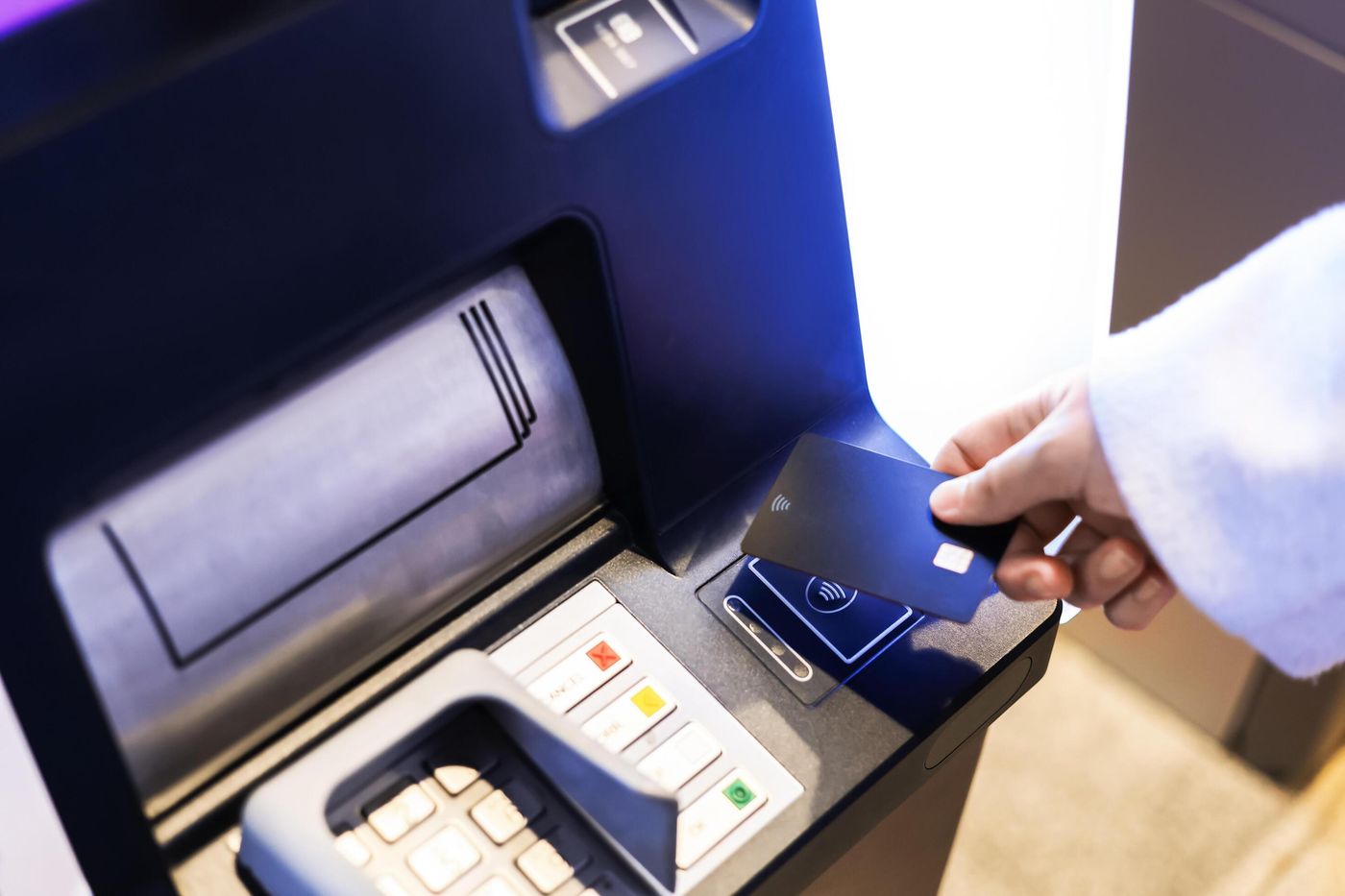
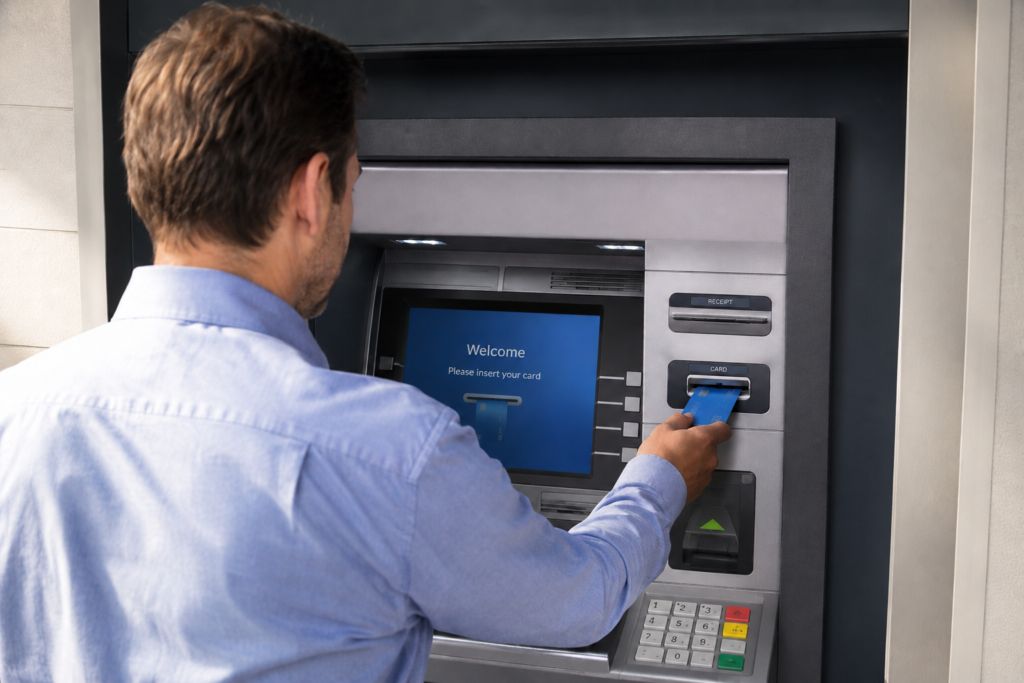
In Canada, accessing a line of credit involves applying to a lender and receiving approval for a specific limit. Once approved, the borrower has instant access to the full value of the line of credit. For example, if approved for a $10,000 line of credit and the borrower uses $1,000, they pay interest only on that $1,000 until it is repaid. The remaining $9,000 remains available for future use. Funds can typically be accessed through online banking, mobile apps, ATM withdrawals, cheques, or debit cards linked to the account. This flexibility makes it a useful tool for addressing fluctuating cash flow needs.
Federally regulated financial institutions in Canada can only provide a line of credit if they have the borrower's express consent. This legal requirement ensures borrowers are aware of the terms before entering the agreement. Unlike a traditional loan, which provides a lump sum repaid in fixed installments, a line of credit is a revolving source of funds. As the borrower repays the principal, those funds become available to borrow again without any need to reapply. This revolving nature is one of the product's defining features and a primary benefit cited by Canadian lenders.
The costs associated with a line of credit typically include interest on the drawn balance and may include fees for setting up the facility. Many Canadian personal lines of credit, such as the ScotiaLine Personal Line of Credit, advertise no annual fee. Interest rates are usually variable, meaning they rise and fall with changes in the lender's prime rate. For instance, RBC's Royal Credit Line interest rate varies with the RBC Prime Rate. There is normally no interest-free grace period on cash withdrawals, with interest accruing from the day money is withdrawn until it is fully repaid.
Types of Lines of Credit
Lines of credit are broadly categorized as secured or unsecured, and as revolving or closed-end. An unsecured line of credit does not require the borrower to pledge any collateral. In Canada, unsecured personal lines of credit commonly have credit limits starting from $5,000. Because the lender's risk is higher without collateral, these products require a good credit score and history, and they carry higher interest rates than secured options. Most personal lines of credit offered by Canadian banks are unsecured, providing easy access to credit without tying up assets.
A secured line of credit is backed by collateral, which the lender has the right to seize in case of non-payment. The lower risk to the lender typically results in a higher credit limit and a significantly lower interest rate. In Canada, the most common form of secured personal line of credit is the Home Equity Line of Credit (HELOC), which is secured by the equity in the borrower's home. Lenders may allow borrowing up to 65% of the home's value, less any outstanding mortgage. Another form is the Securities Backed Line of Credit (SBLOC), where the borrower pledges investment securities like stocks or bonds as collateral.
Lines of credit also differ in their structure. A revolving line of credit allows the borrower to repeatedly draw money up to the credit limit, repay it, and draw again, similar to a credit card. This is the standard model for personal lines of credit in Canada. A closed-end line of credit has a fixed term divided into a draw period, where funds can be accessed, and a repayment period, where no further draws are allowed and the balance must be repaid. Business lines of credit function similarly to personal ones, often being revolving and either secured by inventory or receivables, or unsecured.
Key types of lines of credit available in Canada include:
- Unsecured Personal Line of Credit: No collateral required. Limits often from $5,000 to $75,000.
- Home Equity Line of Credit (HELOC): Secured by home equity. Allows access to a portion of the home's value.
- Securities Backed Line of Credit (SBLOC): Secured by an investment portfolio. Also known as a Pledged Asset Line.
- Business Line of Credit: For commercial purposes. Can be revolving and secured by business assets.
- Overdraft Protection: A line of credit linked to a chequing account to cover shortfalls.
Costs, Interest, and Repayment
The primary cost of a line of credit is the interest charged on the outstanding balance. Interest is calculated daily and payable monthly, and there is typically no interest-free grace period on withdrawals. Rates are variable and tied to the lender's prime rate. Secured lines of credit typically have the lowest rates of standard credit products, while unsecured lines have higher rates. Borrowers only pay interest on the funds they actually use, not on the entire approved limit.
Fees may also apply. A financial institution may charge a fee for setting up the line of credit to cover processing, security checks, and legal costs. Some lenders charge an unused line fee, which is an annualized percentage fee on the portion of the credit limit not withdrawn. However, many Canadian personal lines of credit, including those from Scotiabank and Simplii Financial, advertise no annual fee. It is important for borrowers to review all potential fees outlined in the personal credit agreement provided by the lender.
Repayment terms are flexible. The minimum monthly payment is usually defined as the greater of a fixed amount or a percentage of the outstanding balance. A common structure in Canada is the greater of 2% of the balance or $50. For instance, if the outstanding balance is $1,000, the minimum payment would be $50. Borrowers can always choose to pay more than the minimum, up to the full balance, without penalty. Payments are typically due 25 calendar days after the statement is generated.
Many Canadian lenders offer optional creditor insurance for lines of credit. This insurance, underwritten by companies like The Canada Life Assurance Company, can help pay the outstanding balance in the event of the borrower's death or cover payments in case of disability or job loss. Scotia Line of Credit Protection insurance, for example, can pay a monthly benefit if the borrower becomes disabled or involuntarily loses their job. Adding this insurance involves an additional cost and requires a separate application or phone call to the lender.

Rules and Regulations in Canada
Lines of credit in Canada are subject to federal and provincial financial regulations. A key rule from the federal regulator is that federally regulated financial institutions can only provide a line of credit if they have the borrower's express consent. This means lenders must clearly explain the terms and obtain agreement before extending credit. Borrowers receive a personal credit agreement booklet that outlines all terms and conditions, which they should review carefully. This agreement covers interest rates, fees, repayment terms, and the consequences of default.
The provision of credit is also governed by laws concerning responsible lending and consumer protection. Lenders must assess a borrower's ability to repay before extending credit. For unsecured lines of credit, this assessment heavily relies on credit score and credit history. Applicants typically need a good credit score to qualify. For secured lines like a HELOC, the assessment includes an appraisal of the collateral's value and the borrower's equity. Lenders will apply a loan-to-value ratio, such as lending only up to 65% of a home's appraised value.
In cases of default, where a borrower fails to make payments, the lender's recourse depends on whether the line is secured or unsecured. For an unsecured line, the lender cannot seize specific assets but can pursue collection actions and report the delinquency to credit bureaus, severely damaging the borrower's credit score. For a secured line, the lender has the right to seize the pledged collateral. For example, with a HELOC, the lender could initiate foreclosure proceedings on the home. With an SBLOC, the lender can sell the pledged securities to recover the owed amount.
Borrowers should also be aware of the demand loan feature present in some lines of credit, particularly SBLOCs. This means the lender has the right to demand full repayment of the loan at any time. Furthermore, with secured lines backed by volatile collateral like stocks, a significant drop in value could trigger a margin call, requiring the borrower to provide additional collateral or repay part of the loan immediately. These conditions are detailed in the credit agreement and represent important risks for the borrower.
Comparison with Loans and Credit Cards
A line of credit differs significantly from a traditional personal loan. A loan provides a borrower with a lump sum of money upfront, which is then repaid in fixed installments over a predetermined period. Once the loan is paid off, the borrower no longer has access to those funds and must reapply for new financing. In contrast, a line of credit provides a revolving pool of funds up to a set limit. Borrowers can access funds as needed, repay them, and then access them again without reapplying. This makes a line of credit more suitable for ongoing or unpredictable expenses.
The cost structure also differs. With a loan, interest is charged on the entire principal amount from the start, and payments combine principal and interest. With a line of credit, interest is charged only on the amount actually drawn and for the time it is outstanding. This can lead to lower interest costs if the borrower does not need the full amount continuously. Furthermore, lines of credit often have more flexible repayment options, allowing payments as low as interest-only, whereas loan payments are fixed and include principal.
Compared to credit cards, lines of credit generally offer much lower interest rates. This makes a line of credit a cost-effective tool for consolidating and paying down high-interest credit card debt. However, credit cards often offer rewards programs and interest-free grace periods on purchases, which lines of credit do not. Lines of credit are better suited for carrying a balance over an extended period due to their lower rates.
Access methods also vary. A line of credit can be accessed via cheques, ATM withdrawals, online transfers, and sometimes a linked debit card, providing multiple ways to get cash. Credit cards are primarily used for point-of-sale purchases or cash advances, the latter of which usually incur high fees and immediate interest. For managing cash flow, covering large unexpected expenses, or financing home renovations, a line of credit is often a more versatile and economical choice than relying solely on credit cards or taking out a fixed-term loan.
Uses and Strategic Considerations
Canadians use lines of credit for a variety of financial purposes. A common use is debt consolidation, where higher-interest debt from credit cards or other loans is rolled into a single line of credit with a lower interest rate. This can reduce monthly interest costs and simplify payments. Lines of credit are also popular for managing cash flow, especially for individuals with irregular income or for periods with high financial demands like holidays or back-to-school seasons. They can serve as an emergency fund to cover unexpected expenses such as major car repairs or urgent home maintenance.
For homeowners, a Home Equity Line of Credit (HELOC) allows access to the built-up equity in their property. This can fund major projects like home renovations, which may increase the property's value. A HELOC typically offers the lowest available interest rate because it is secured by real estate. Some borrowers use a line of credit as overdraft protection for their chequing account, automatically covering transactions that would otherwise result in insufficient funds and costly overdraft fees. Businesses use lines of credit to finance working capital needs, such as purchasing inventory or covering payroll during slow seasons.
When considering a line of credit, borrowers should assess their financial discipline. The flexibility to make low, interest-only payments can be a double-edged sword. It can lead to carrying a balance indefinitely and paying more interest over time. Borrowers should have a plan for repaying the principal. It is also crucial to compare offers from different institutions, looking at interest rates, fees, and credit limits. Since rates are variable, borrowers must consider their ability to handle payments if interest rates rise. Using a line of credit for speculative investments or to fund a lifestyle beyond one's means carries significant risk.
Strategic uses for a line of credit in Canada include:
- Debt Consolidation: Combine high-interest debts into one lower-interest payment.
- Emergency Fund: Provide immediate access to cash for unforeseen costs.
- Home Improvement: Finance renovations using a HELOC.
- Cash Flow Management: Bridge gaps in income for self-employed individuals or seasonal workers.
- Education Funding: Cover tuition or living expenses, often as an alternative to student loans.
- Investment Opportunities: Using an SBLOC to access capital without selling investments (for non-purpose uses).
Application Process and Eligibility
Applying for a personal line of credit in Canada typically involves several steps. The borrower must first choose a lender, such as a bank, credit union, or other financial institution. Many lenders allow applications to be started online, over the phone, or in person at a branch. For example, RBC clients can apply through RBC Online Banking, while others can call 1-800-769-2511. Scotiabank provides a phone line at 1-888-882-8958 for applications and information. Simplii Financial requires applicants to be existing clients with a chequing or savings account, or to open one first.
Eligibility criteria are set by the lender and depend on the type of line of credit. For an unsecured personal line of credit, the primary factors are creditworthiness, income, and debt-to-income ratio. A borrower must have a high credit score and a good repayment history. Lenders will perform a credit check and request documentation to verify income and identity. Common required documents include government-issued photo ID, proof of address, and recent pay stubs or tax notices. For a secured line like a HELOC, the lender will also require a property appraisal to determine its current market value and the available equity.
The lender will use the provided information to determine the credit limit and interest rate. Unsecured credit limits often start at $5,000 and can go up to $75,000, based on the borrower's financial profile. For a HELOC, the limit is calculated as a percentage of the home's appraised value, such as 65%, minus any existing mortgage balance. Once approved, the borrower receives the terms in a personal credit agreement. After signing and returning this agreement, the line of credit is activated, and funds become accessible through the agreed-upon methods like an access card, cheques, or online banking.
It is important for applicants to understand that applying for a line of credit triggers a hard inquiry on their credit report, which may temporarily lower their credit score. They should also be prepared to discuss the purpose of the funds, though for unsecured lines this may not be a restrictive factor. Borrowers with existing relationships with a bank, such as holding other accounts or mortgages, may receive more favourable terms or a streamlined application process. Comparing pre-approved offers, which involve a soft credit check, can also be a way to gauge eligibility without impacting one's credit score.
Frequently asked questions
What is a line of credit and how does it work?
A line of credit is a revolving credit facility that gives you access to a pre-approved amount of money. You can withdraw funds as needed, up to your credit limit, and you only pay interest on the amount you use. As you repay the borrowed amount, those funds become available to borrow again without needing to reapply. In Canada, you can access funds through online banking, ATM withdrawals, cheques, or linked debit cards.
What is the difference between a secured and unsecured line of credit?
A secured line of credit is backed by collateral, such as your home or investment portfolio. This reduces the lender's risk, resulting in a higher credit limit and a lower interest rate. An unsecured line of credit does not require any collateral and is based solely on your creditworthiness. Consequently, unsecured lines have lower limits and higher interest rates and require a good credit score to qualify.
What are the typical costs and fees for a line of credit in Canada?
The main cost is variable interest charged on the outstanding balance, calculated daily. Many Canadian personal lines of credit have no annual fee. There may be a one-time setup fee to cover processing and legal costs. Some lenders charge an unused line fee on the unborrowed portion, but this is not universal. The minimum monthly payment is usually the greater of 2% of the balance or $50.
How does a line of credit differ from a personal loan?
A personal loan provides a lump sum repaid in fixed installments over a set term, and once paid off, the credit is closed. A line of credit is revolving, allowing you to borrow, repay, and borrow again up to your limit without reapplying. With a loan, you pay interest on the full amount from the start. With a line of credit, you pay interest only on the funds you actually use, and repayment amounts can be more flexible.
What can I use a line of credit for in Canada?
A line of credit can be used to consolidate higher interest rate credit card debt into a lower interest rate product. It can help manage cash flow for periods with more financial demands or irregular income. It can serve as an emergency fund to cover unexpected expenses like major home repairs. It is also a flexible tool for larger, planned expenses where the exact amount required may not be known upfront.
What is required to apply for a line of credit?
To apply, you typically need to provide proof of identity, address, and income. Lenders will check your credit score and history, especially for unsecured lines. For a secured line like a HELOC, a property appraisal is also required. You can apply online, by phone, or in person at a bank branch. Federally regulated lenders require your express consent before providing a line of credit.
Sources and further reading
- Line of credit (Wikipedia) en.wikipedia.org
- ScotiaLine® Personal Line of Credit scotiabank.com
- Personal Line of Credit, Royal Credit Line | RBC ... rbcroyalbank.com
- Borrowing Personal Line of Credit simplii.com
- Loan and Line of Credit Calculator cibc.com
- Line of Credit fusioncu.com
This article explains how things work and is not financial, tax or legal advice. Rules, limits and rates change, so check the current figures with the Canada Revenue Agency, your province or your financial institution before you act.