A Holiday Property Bond (HPB) is a specialized life assurance bond that provides investors with access to a portfolio of holiday properties. For a single capital investment, bondholders receive annual holiday entitlement points to book stays across a collection of over 1,500 properties in the United Kingdom and Europe. The product, established in 1983, blends an investment with a lifestyle benefit, retaining a capital value that can be returned upon exit. For Canadians considering overseas holiday options, it represents an alternative to traditional timeshares or vacation rentals, though it carries specific financial risks and rules distinct from conventional investments.
What is a Holiday Property Bond
A Holiday Property Bond is technically a life assurance bond structured to deliver holiday accommodation benefits. The bond is an investment product where the policyholder's capital is used to fund the underlying property portfolio. In return for their investment, bondholders receive an annual allocation of points which grant them exclusive access to book holidays within the HPB collection. The bond is designed to provide three core benefits: holiday accommodation, a potential capital return, and the ability to pass the bond to heirs. It is explicitly not a timeshare, as the bondholder does not purchase a specific week or fractional ownership in any single property. Instead, they hold a financial instrument that confers a right to use the entire network based on a points system. The business has been family-run for over 40 years and markets itself as providing holidays for life through its established portfolio.

How the Bond Works
Investors purchase bonds with a minimum outlay of £5,000, which translates into a corresponding number of bond points. These points are used each year to book holiday accommodation from the HPB portfolio. The number of points required for a booking varies based on the property size, location, and season, with high-season bookings in sought-after locations requiring more points. Bondholders with larger investments, such as £16,000 or more, typically have greater flexibility to book prime properties in advance. A key operational feature is the points-free booking option for last-minute reservations, which allows bondholders to take holidays without spending their annual point allocation. This model enables investors to preserve or even accumulate points while still accessing properties at a low cash cost for the stay itself. The bond retains a capital value, and if a bondholder decides to leave the scheme, they can request to cash in their bond, subject to the fund's rules and a potential two-year lock-in period.
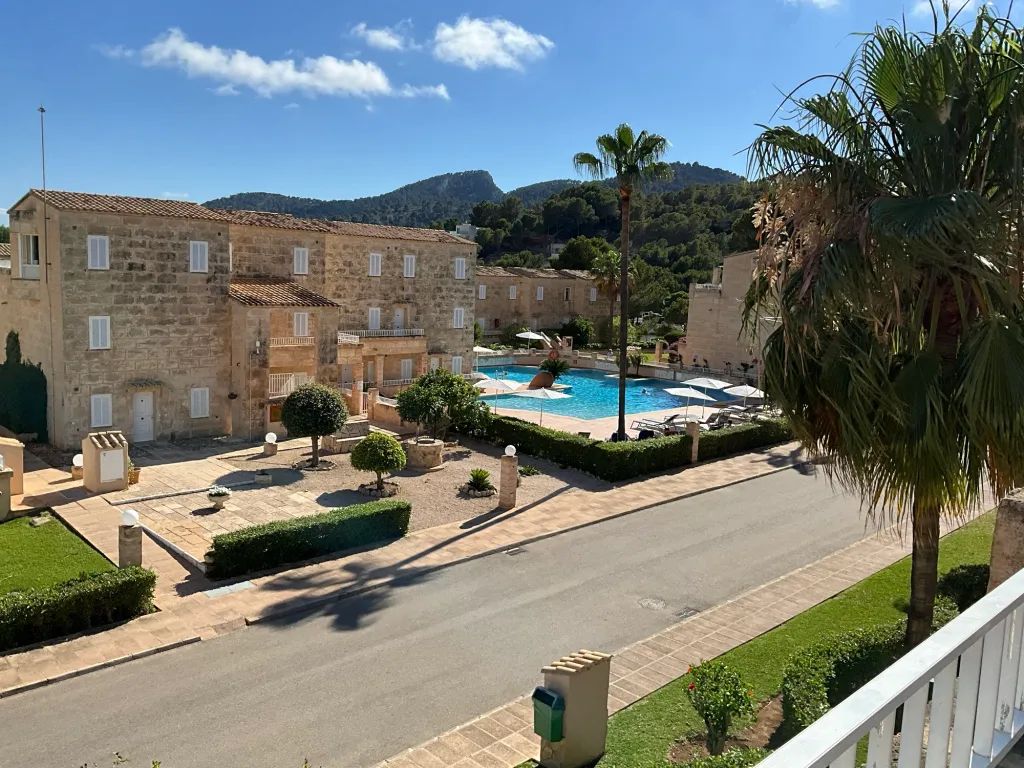
The booking process is managed through HPB's service, which has received high customer satisfaction ratings. Bondholders can book stays across the collection of properties, which range from studios and one-bedroom apartments to large private villas, many featuring amenities like swimming pools, saunas, gyms, and tennis courts. The properties are noted for high-quality furnishings and well-equipped kitchens. Importantly, the cash price paid by the bondholder for the actual holiday stay does not vary between low and high seasons, offering price consistency. The bond can be used by family and friends during the bondholder's lifetime and can be passed on to children or a partner as an inheritance, meaning the holiday entitlement does not automatically expire.
History and Development of HPB
The Holiday Property Bond was founded in 1983, making it a product with a four-decade history. It was established as an alternative to traditional timeshare models, which were gaining notoriety for restrictive contracts and high-pressure sales tactics during that era. Over its 40-year operation, HPB has carefully built up its property portfolio to include more than 1,500 holiday homes. The portfolio has expanded to encompass 33 locations across Europe, including properties in France, Austria, Turkey, Mallorca, and the United Kingdom. The properties are often situated in notable locations such as stately homes, castles, and restored villages. The company is registered in the United Kingdom as Holiday Property Bond Limited and files its accounts and annual returns with Companies House. Its long-term presence is a central part of its marketing, emphasizing stability and experience in providing holiday experiences to its member base.

Financial Structure and Costs
The Holiday Property Bond operates as an investment product and is therefore subject to management charges. The principal financial commitment is the initial capital investment, which starts at a minimum of £5,000. An investment of £7,000 is noted as the threshold for fully qualified membership. The bond's capital is at risk, meaning the value of the initial investment is not guaranteed and can fluctuate. A significant liquidity restriction is that bondholders may not be able to cash in their bond during the first two years of ownership, locking in the capital for that period. Investors are protected by a cooling-off period after purchase, during which they can cancel under a Money Back Promise. The product's financial appeal is often calculated by bondholders based on the effective cost of holidays obtained versus the capital tied up and any potential change in the bond's redemption value.
- Minimum Investment: £5,000.
- Investment for Full Membership: £7,000.
- Capital is at risk and subject to product charges.
- Two-year potential lock-in on cashing the bond.
- Cooling-off period with Money Back Promise available.
Considerations for Canadian Investors
For Canadian residents, investing in a Holiday Property Bond involves several unique considerations beyond those for UK-based investors. The investment is made in British pounds sterling, exposing the Canadian investor to foreign exchange risk both at the point of initial investment and upon any eventual redemption. The holiday properties are located exclusively in the UK and Europe, meaning Canadians must factor in the cost and logistics of international travel to utilize their holiday entitlement. The product is a life assurance bond governed by UK financial regulations, and Canadian investors should verify its status with Canadian regulatory bodies like provincial securities commissions to understand investor protection implications. Tax treatment is another critical area. The investment returns or any capital gain on the bond may have reporting requirements and tax liabilities in both the UK and Canada, necessitating professional advice. Canadians should also consider the practicalities of booking from a different time zone and the potential difficulty in securing last-minute, points-free bookings due to longer travel planning needs.
Key Rules and Operational Details
The Holiday Property Bond operates under a specific set of rules that govern membership, booking, and ownership. The core of the system is the points-based entitlement, which is renewed annually. Bondholders use these points to secure advance bookings, with point requirements scaling based on property desirability and season. An important rule is the availability of points-free bookings for last-minute reservations, which are typically offered at a fixed cash price ranging from approximately £275 to £500 per stay. This provides a method for flexible or retired bondholders to enjoy multiple holidays while conserving their point balance. The bond is transferable and can be bequeathed to heirs, ensuring the holiday benefit extends beyond the original purchaser's lifetime. HPB provides a booking service for its members, and new investors are offered a brochure and the opportunity for an informal chat with a local HPB representative. The company also offers private tours of its holiday locations for prospective bondholders.
Risks and Common Debates
Potential investors must weigh several risks and debates associated with Holiday Property Bonds. The primary risk is that the capital invested is at risk, and the bond's value is not guaranteed. Liquidity risk is pronounced, as cashing in the bond may not be possible during the first two years, and exit is subject to the fund's rules and prevailing property market conditions. A common point of debate is the comparison to timeshares, with HPB distancing itself from that model by emphasizing its bond structure and lack of fixed-week ownership. However, some consumer skepticism persists due to the high upfront cost and the complexity of the points system. The value proposition is debated. Proponents highlight the low per-person holiday costs achievable, especially with points-free bookings, while critics question the return on investment compared to placing the capital elsewhere. The requirement for a significant points balance to book prime properties in peak season can also be a point of contention for those with the minimum investment.
- Capital is at risk and value can go down.
- Potential two-year lock-in prevents early redemption.
- Often confused with, but distinct from, traditional timeshares.
- Debate centres on overall value versus alternative uses of capital.
- High-season access requires a substantial points investment.
Frequently asked questions
Is a Holiday Property Bond a timeshare?
No, a Holiday Property Bond is not a timeshare. It is a life assurance bond investment that provides annual holiday entitlement points. Unlike a timeshare where you buy a specific week in a specific property, the HPB gives you points to book across a large, flexible portfolio of over 1,500 properties. The bond also retains a capital value and can be passed on as an inheritance.
Can Canadians invest in a Holiday Property Bond?
Yes, Canadians can invest in a Holiday Property Bond, but they must consider several factors. The investment is in British pounds, introducing foreign exchange risk. The properties are all in the UK and Europe, requiring international travel. Canadians should also investigate the product's status with Canadian regulators and understand the potential tax implications in both countries before investing.
How much do the holidays actually cost with HPB?
The cost involves the initial capital investment plus a cash payment for each stay. The cash price for the accommodation itself is fixed and does not change with the season. Examples from user experiences show costs like £150 per person for a week in a studio in Turkey, or £184 per person for a one-bedroom apartment in Austria. Last-minute, points-free bookings can cost between £275 and £500 for the accommodation.
What is the minimum investment for a Holiday Property Bond?
The minimum investment required to become a Holiday Property Bondholder is £5,000. This initial outlay purchases a bond which provides an annual holiday entitlement and retains a capital value. For fully qualified membership, an investment of £7,000 in bonds is noted. The bond points acquired through this investment are used to book holidays from a portfolio of over 1,500 properties. It is important to remember that as an investment product, your capital is at risk and the bond is subject to charges.
Can I get my money out of a Holiday Property Bond?
Yes, you can request to cash in your Holiday Property Bond if you decide to leave the scheme. However, there are important restrictions to consider, specifically that you may not be able to cash in during the first two years of ownership. The bond is described as retaining a capital value, but this value is not guaranteed and your capital is at risk. Therefore, the amount you receive upon exit could be less than your original investment. This is a key risk factor associated with the product.
What happens to my Holiday Property Bond when I die?
Your Holiday Property Bond can be passed on to your heirs, such as your children or partner, as an inheritance. This is a highlighted feature of the product, meaning the bond does not simply expire upon your death. The holiday entitlement and the underlying capital value of the investment can be transferred to the next generation. This allows your family to continue enjoying access to the portfolio of holiday properties. The bonds are designed to be a flexible, long term asset for families.
Sources and further reading
- Holiday Property Bond, Transform your Family Holidays hpb.co.uk
- holiday property bond limited, Companies House, GOV.UK find-and-update.company-information.service.gov.uk
- Holiday Property Bond lawrencestravels.com
This article explains how things work and is not financial, tax or legal advice. Rules, limits and rates change, so check the current figures with the Canada Revenue Agency, your province or your financial institution before you act.