Cash flow is the net amount of cash and cash equivalents moving into and out of a business, project, or financial product over a specific period. In Canada, understanding cash flow is critical for both business solvency and personal financial planning, as it measures actual liquidity rather than just profitability. A company can be profitable on paper yet still fail due to a shortage of cash to meet immediate obligations. For individuals, managing cash flow involves budgeting income against expenses, including deductions for taxes, CPP, and EI, to achieve financial goals.
Definition and Core Components of Cash Flow
Cash flow, in its fundamental sense, refers to the real or virtual movement of money, specifically payments made into or out of an entity. It is determined by its timing, nominal amount, currency, and account. A cash flow expected in the future can be transformed into a present value through discounting, which accounts for the time value of money based on prevailing interest rates. For a business, cash flow is the critical net amount of cash and cash equivalents moving in and out over a period, calculated as total cash inflows minus total cash outflows. A positive result means the cash balance increased, while a negative result indicates a decrease. The total net cash flow for a project or company is the sum of three core components. Operating cash flow is the cash generated from core business operations, calculable by formulas like EBIT times one minus the tax rate plus depreciation. The change in net working capital reflects cash used or freed by changes in current assets and liabilities. Capital expenditures represent cash used to acquire or upgrade physical assets like property or equipment.
The Three Categories in Financial Analysis
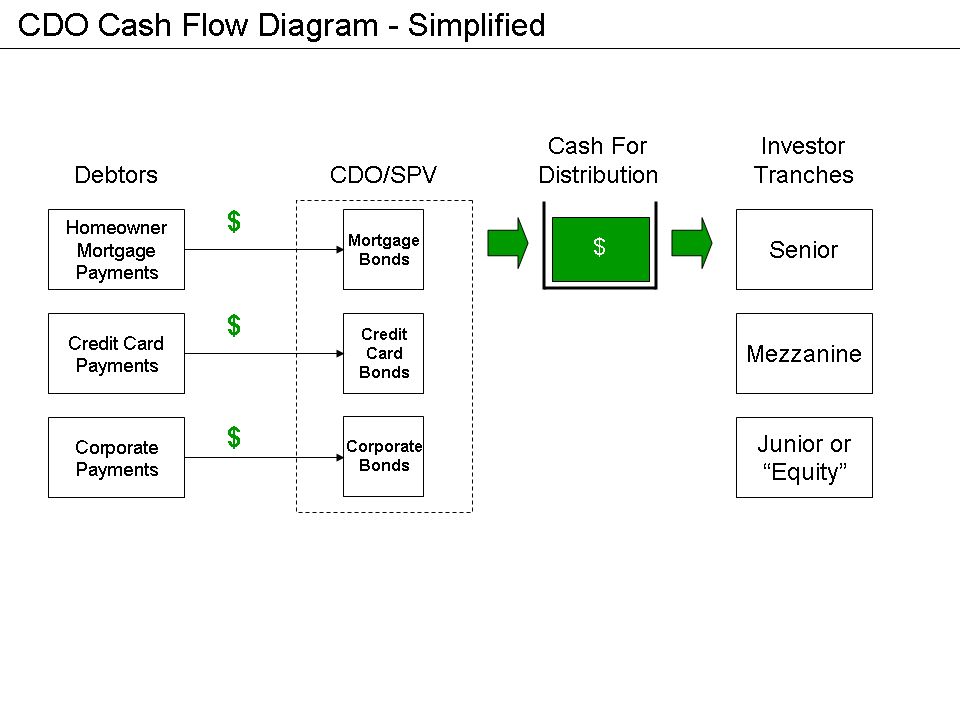
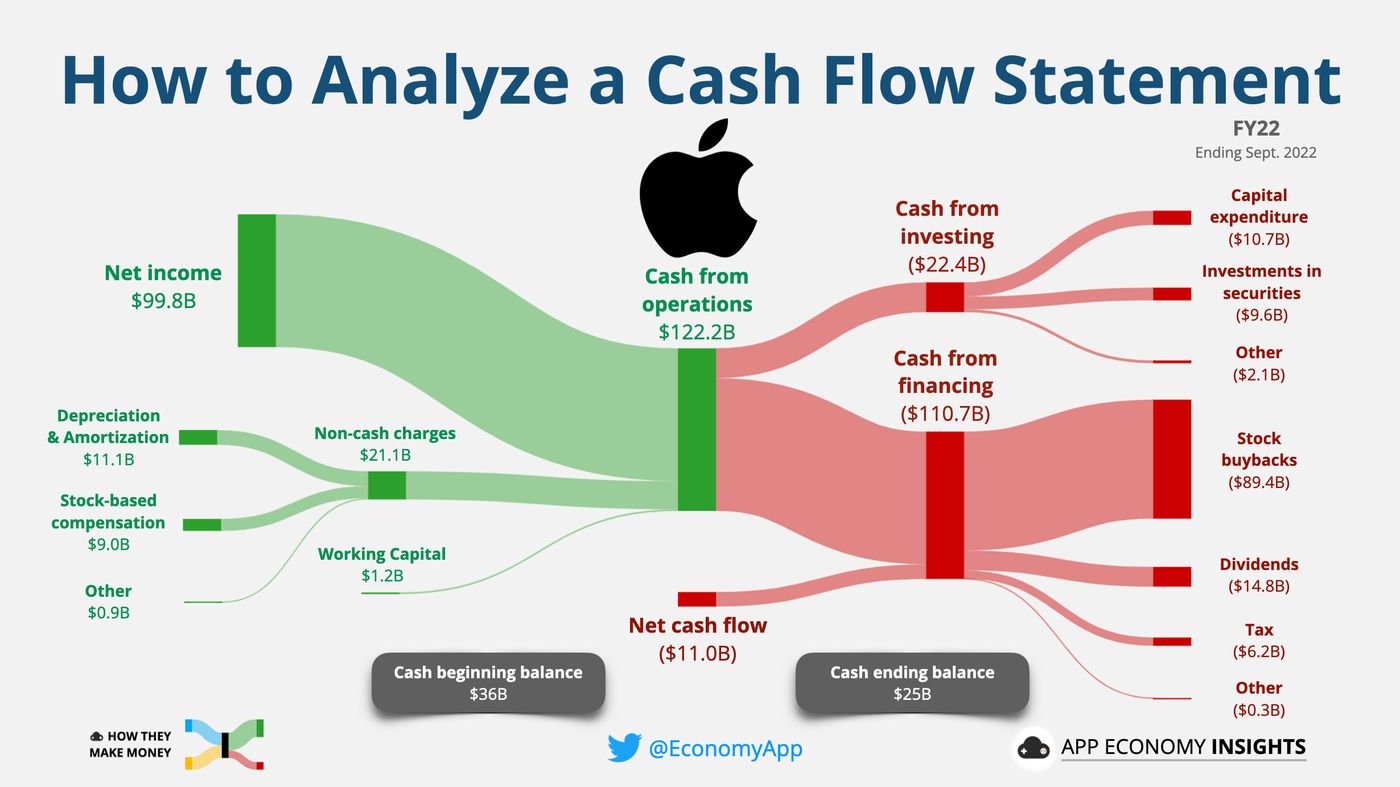
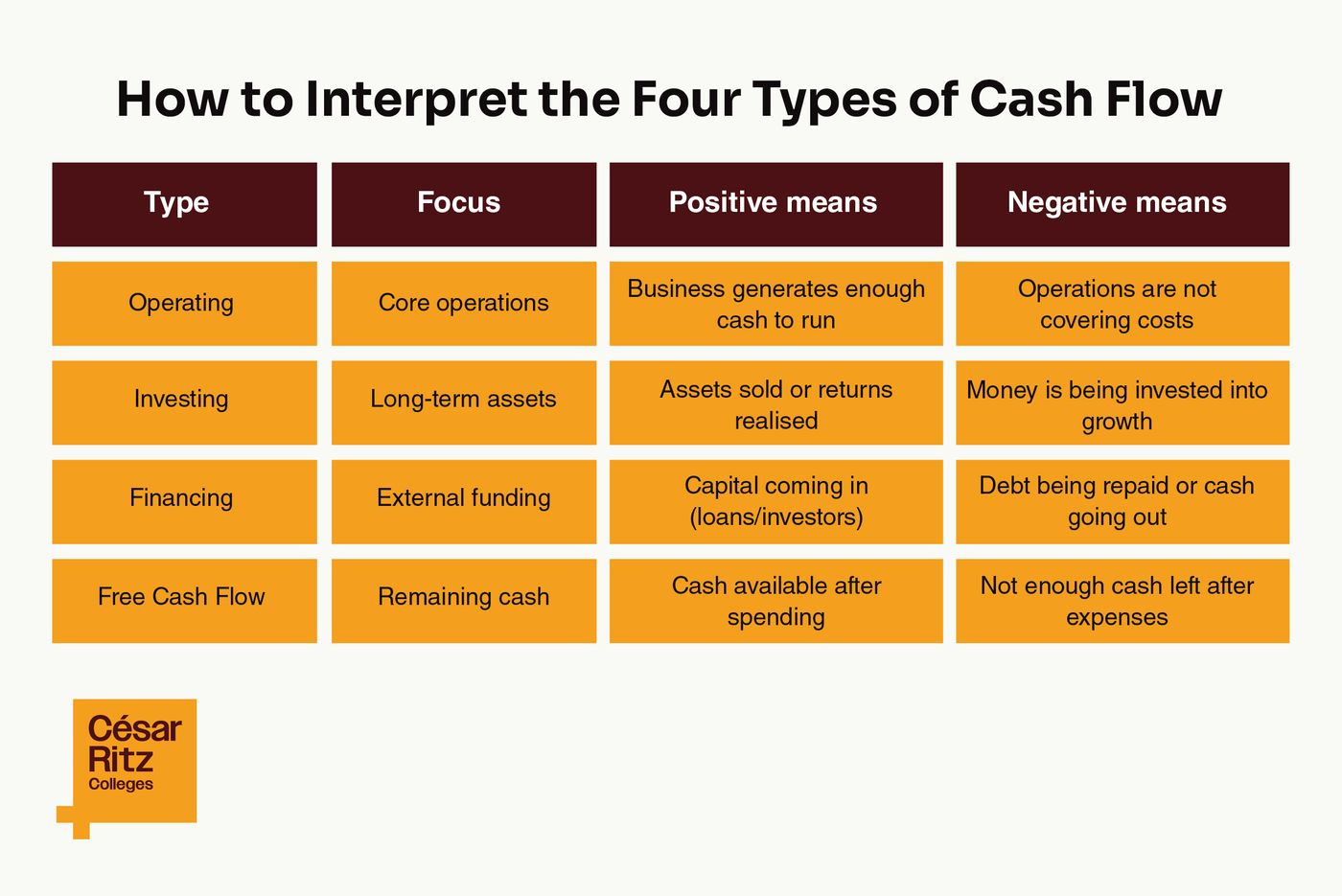
Cash flow analysis categorizes movements to assess a company's value, liquidity, and risks. These categories form the structure of the mandatory cash flow statement in Canada. Cash flow from operating activities measures cash generated by a company's regular business operations, indicating if it can cover expenses and debts. Cash flow from investing activities covers cash from purchasing or selling physical assets and investments in securities. Cash flow from financing activities includes net flows used to fund the company through transactions involving dividends, equity, and debt. The aggregate of these three sections provides the company's total cash flow. This breakdown helps determine a project's rate of return or value using models like net present value. It also evaluates the quality of income generated by accrual accounting, as net income composed of large non-cash items is considered low quality. Furthermore, it identifies problems with liquidity, as a profitable company can still fail from a cash shortage. Cash flow can be used to evaluate the risks within a financial product, such as matching cash requirements, evaluating default risk, and assessing re-investment requirements.
Cash Flow Statements and Canadian Reporting Rules
In Canada, a statement of cash flows is a required financial document that shows how much cash moved in and out of a business during a specific period. It breaks down cash movements into the three main categories of operating, investing, and financing activities. This statement provides a clear picture of cash management that differs from an income statement, which records revenues and expenses when they occur, not necessarily when cash changes hands. The Accounting Standards Board governs cash flow statement preparation in Canada, requiring all companies to prepare them as part of their mandatory financial statements. Companies can choose between the direct and indirect methods for presenting operating cash flows, but must apply their chosen format consistently from period to period. The indirect method, which adjusts net income for non-cash items and changes in working capital, is commonly used. Material items that could influence analysis must be separately reported, while smaller transactions are aggregated. This statement is a critical tool for investors and lenders to evaluate whether a company generates sufficient cash from its core operations and to assess short-term liquidity and long-term solvency risks. Financial reporting standards require this statement because it provides unique insights into cash management that other statements do not, allowing companies to identify potential cash shortages before they become critical problems.
- The statement is mandatory for Canadian businesses.
- It tracks actual cash movements, not accrued earnings.
- Operating activities can be presented via direct or indirect method.
- The governing body is the Accounting Standards Board (AcSB).
- Presentation format must be consistent across reporting periods.
- Material cash flow items require separate disclosure.
Cash Flow Management for Canadian Businesses
Effective cash flow management is essential for business stability and growth in Canada. It involves planning for the timing of cash inflows from customers, sales, or funding against outflows for payroll, suppliers, taxes, and investments. A cash flow budget is an estimate of all cash receipts and expenses expected during a specific future period, used for proactive planning rather than historical reporting. This planning helps businesses know when cash will be tight, identify the best loan terms, make marketing decisions free from cash constraints, and analyze sensitivities to interest rate rises or price drops. For Canadian farms, which face unique challenges, cash flow planning is particularly vital. Dairy and poultry operations typically have regular cash inflow, while pork producers face price fluctuations, and vineyards may incur years of costs before any income. The federal government supports a low-interest cash advance program for livestock and crops where the first $100,000 is interest-free. Businesses often use operating loans or lines of credit to bridge expected cash flow gaps, and some vendors may offer input loans or delayed payment options. Cash flow planning is also needed on farms that may not be making significant changes, as it helps decide whether to lease or buy major equipment and manage the impact of income delays, such as from backgrounding calves to sell at a heavier weight in the spring.
Practical Applications and Scenarios
Understanding cash flow is best illustrated through practical scenarios that Canadian businesses commonly face. In one scenario, a farm rents more cropland for a new growing season, which enhances projected profitability but requires cash for rental payments and input expenses before any crop is harvested, testing the adequacy of the current operating loan. In another, a cow-calf operation decides to background calves to sell at a heavier weight in spring, enhancing profitability but creating an income delay that must be managed. A cash flow budget helps analyze these decisions before they are finalized. For non-farm businesses, a booming company with high demand and great revenue on paper can still scramble to pay vendors or cover payroll if customer payments are delayed, demonstrating that timing is as critical as the amount. Well-managed cash flow ensures a business has the liquidity to meet financial obligations, capitalize on new opportunities like expanding into new markets or hiring staff, and maintain stability during unexpected costs or economic downturns. It also helps avoid high-interest debt that businesses might otherwise turn to when cash is tight. According to a Float study, 65% of SMBs deal with long processing times for financial transactions, and 59% experience lengthy loan approval processes, both issues that directly lead to cash flow problems.
Personal Cash Flow and Budgeting in Canada
For individuals and households, cash flow management involves tracking monthly income against expenses to ensure financial health. A monthly cash flow calculator can help develop a clear picture by identifying fixed, variable, and discretionary costs to show a surplus or shortfall. The primary source of personal cash inflow is typically employment income, calculated after deductions for federal and provincial taxes, Employment Insurance premiums, and any contributions to a company pension or the Canadian Pension Plan. Major categories of cash outflow include housing costs like mortgages, rent, property taxes, and maintenance. Other significant outflows are for utilities, transportation, groceries, insurance, debt payments, and discretionary spending on entertainment, dining, and gifts. A surplus allows for paying down debt faster, building an emergency fund, or borrowing for a goal using the excess cash flow to cover a loan payment. If expenses exceed income, creating a negative cash flow, the focus should be on ensuring income covers fixed expenses for basic needs, then reducing variable and discretionary spending. With extra cash flow, individuals could apply it to existing credit balances to pay down debts faster, build up an emergency fund, or use it to make a monthly loan payment for a new personal goal.
- Inflow: Employment income after taxes, EI, CPP, and pension deductions.
- Fixed Outflows: Mortgage/rent, property taxes, insurance, loan payments.
- Variable Outflows: Groceries, utilities, gas, uninsured medical expenses.
- Discretionary Outflows: Dining out, entertainment, gifts, fitness memberships.
- Surplus Use: Debt repayment, emergency fund, goal funding, or leisure.
- Deficit Action: Ensure income covers fixed costs, then cut variable/discretionary spending.
Key Risks and Common Challenges
Poor cash flow management poses significant risks to both businesses and individuals. A business can fail due to a shortage of cash even while profitable, and extended negative cash flow typically leads to insolvency and potential bankruptcy. One major challenge for businesses is the timing mismatch between inflows and outflows, often caused by reliance on invoices with long payment terms like net 30 or net 60 days. A Float study indicated that 65% of small and medium-sized businesses deal with long processing times for financial transactions, and 59% experience lengthy loan approval processes, both exacerbating cash flow issues. For farms, unexpected costs like equipment repairs or feed price increases can materialize at inopportune times. From a lender's perspective, banks calculate a company's cash flow as EBITDA minus all contractual debt payments of principal and interest to determine net cash flow available to service debts. This figure is crucial in deciding lending limits. Common pitfalls include overestimating future sales, failing to plan for tax payments, and not maintaining a cash reserve for emergencies, which can force costly reliance on high-interest credit. Opportunities with poor timing, such as land becoming available requiring a down payment or cheap feed for backgrounding, also test cash flow planning. Despite unknowns, cash flow planning is the only way to anticipate shortfalls and take appropriate action in advance.
Cash Flow Versus Profit and Other Financial Metrics
It is crucial to distinguish cash flow from profit, as they measure different aspects of financial performance. Profit, or net income, is an accrual accounting concept that records revenues when earned and expenses when incurred, regardless of cash movement. Cash flow records only actual cash transactions. A company can show strong profits but have low-quality income composed of large non-cash items, and it may be deriving operating cash by issuing shares or raising debt rather than from core operations. EBITDA is a key metric used to approximate operational cash inflow, calculated as net profit plus interest, taxes, depreciation, and amortization. From this, lenders deduct debt payments to assess net cash flow for servicing debt. Another related concept is working capital, the balance between short-term assets and liabilities, which provides business flexibility. Effective cash flow planning is also central to public finance for fiscal control, liquidity risk mitigation, and debt management. Understanding these differences helps evaluate the risks within a financial product, such as matching cash requirements and assessing default risk. Cash flow can be used as an alternative measure of a business's profits when accrual accounting concepts do not represent economic realities, for instance when a company barters its products rather than selling for cash.
Regulatory Framework and Support Programs in Canada
The Canadian regulatory environment provides specific frameworks and support programs related to cash flow management. The Accounting Standards Board sets the standards for financial reporting, including the mandatory cash flow statement. This ensures consistency and comparability for investors and lenders analyzing Canadian companies. For agricultural businesses, the federal government administers a low-interest cash advance program for livestock and crops, a notable support where the first $100,000 advanced is interest-free. This program helps bridge cash flow gaps inherent in seasonal production cycles. Furthermore, the Canada Small Business Financing Program publishes summaries of financial activities, including cash flow data related to revenues and expenses per fiscal year for loans and claims. These institutional supports underscore the importance placed on cash flow health within the Canadian economy. Businesses must also manage payroll deductions that affect cash flow, including mandatory contributions to the Canada Pension Plan and Employment Insurance, which are cash outflows for employers and deductions from employee cash inflows. Understanding these obligations is a key part of accurate cash flow forecasting and budgeting for both businesses and individuals.
Frequently asked questions
What is the difference between cash flow and profit?
Profit is an accounting measure of earnings calculated on an accrual basis, recording revenues when earned and expenses when incurred. Cash flow measures the actual movement of cash in and out of a business. A company can be profitable but still experience negative cash flow if, for example, it has made many sales on credit but has not yet collected the cash. Conversely, a business might have positive cash flow from a loan but not be profitable.
Why is cash flow important for a Canadian small business?
Cash flow is vital for Canadian small businesses because it determines their ability to pay bills, meet payroll, service debt, and invest in growth. Even a profitable business can fail if it runs out of cash. Lenders in Canada, such as banks, specifically analyze cash flow (often using EBITDA minus debt payments) to decide how much money they are willing to lend. Proper cash flow management also helps businesses weather unexpected expenses and economic downturns.
How can I improve my personal cash flow in Canada?
Improving personal cash flow starts with creating a detailed budget using a monthly cash flow calculator. Track all income after deductions for taxes, EI, and CPP, and categorize expenses as fixed, variable, and discretionary. The goal is to ensure your income exceeds your fixed expenses for basic needs. Any surplus can be used to pay down debt, build an emergency fund, or fund goals. If you have a shortfall, focus on reducing variable and discretionary spending, such as entertainment or dining out.
What are operating, investing, and financing cash flows?
These are the three categories on a cash flow statement. Operating cash flow comes from a company's core business activities, like cash received from customers and paid to suppliers. Investing cash flow relates to buying or selling long-term assets, such as equipment or securities. Financing cash flow involves transactions with owners and creditors, including issuing shares, borrowing money, paying dividends, or repaying debt. Together, they show all sources and uses of a company's cash.
Can a business have positive cash flow but be unprofitable?
Yes, a business can have positive cash flow while being unprofitable. This can occur if the business receives a large cash injection from a loan or an investment, sells off a significant asset, or delays paying its suppliers. The positive cash flow in this scenario is not generated from profitable operations and may not be sustainable in the long term. This highlights why both profitability and cash flow must be analyzed together to understand a company's financial health.
What is a cash flow statement and is it required in Canada?
A statement of cash flows is a required financial document that shows how much cash moved in and out of a Canadian business during a specific period. It is a mandatory report for businesses in Canada, providing a detailed record of actual cash transactions. The statement categorizes cash flows into three key areas: operating activities from core business, investing activities for long term assets, and financing activities with owners and creditors. This document is essential because it reveals a company's liquidity and ability to meet obligations, offering a view of financial health that differs from profit based income statements. It pulls data from the income statement and balance sheet to show all sources and uses of cash, resulting in a net figure for the period.
Sources and further reading
- Cash flow (Wikipedia) en.wikipedia.org
- What is Cash Flow bdc.ca
- Monthly Cash Flow Calculator rbcroyalbank.com
- Understanding and managing cash flow fcc-fac.ca
- Cash Flow Management for Canadian Businesses floatfinancial.com
- What is a Statement of Cash Flows in Canada? Full Guide charityaccountingfirm.ca
This article explains how things work and is not financial, tax or legal advice. Rules, limits and rates change, so check the current figures with the Canada Revenue Agency, your province or your financial institution before you act.