The Australian dollar (AUD) is the official currency of Australia and several Pacific Island nations. It is a major global currency, ranking as the seventh most-traded in foreign exchange markets as of 2025 and the sixth most-held reserve currency as of early 2024. For Canadians, the AUD is a significant currency pair, with exchange rates closely watched by travellers, investors, and businesses engaged in cross-Pacific trade. The value of the Australian dollar is heavily influenced by commodity prices and economic conditions in Asia, creating a dynamic relationship with the Canadian dollar that often moves independently of other major currencies.
What Is the Australian Dollar?
The Australian dollar is the legal tender of the Commonwealth of Australia, its external territories, and the independent Pacific states of Kiribati, Nauru, and Tuvalu. Its currency code is AUD, and it is often abbreviated as A$ or AU$ to distinguish it from other dollar-denominated currencies like the Canadian dollar. The dollar is subdivided into 100 cents, and the dollar sign ($) precedes the amount. Australia's federal parliament holds the constitutional power to legislate on currency and coinage, with the Royal Australian Mint in Canberra producing all circulating coins.
History and Decimalisation
Before Federation in 1901, Australia's six colonies used separate currencies based on the British pound system. The Australian pound was introduced in 1910 at par with the British pound sterling. A decimal currency was first recommended by a parliamentary committee in 1902 and again by a royal commission in 1937, but no action was taken for decades. The modern Australian dollar emerged from a Decimal Currency Committee appointed in 1959, which reported in favour of decimalisation in 1960. After public consultation on names like austral and royal, the government chose "dollar". The Australian dollar replaced the pound on 14 February 1966 at a conversion rate of two dollars to the pound, making one dollar equal to ten shillings. Initially, it was pegged to sterling at A$1 = 8 shillings sterling, but in 1967 Australia left the sterling area, choosing to peg to the US dollar at A$1 = US$1.12 instead of following a sterling devaluation.
The transition to a decimal currency was a major national project. A Decimal Currency Committee was appointed in February 1959 to examine decimalisation. In June 1963, the government announced the new currency would be called the "royal" but changed it to the "dollar" three months later due to public disapproval. The Australian dollar replaced the pound on 14 February 1966 with a conversion rate of two dollars to the pound.
- 1902: A House of Representatives committee first recommends a national decimal currency.
- 1937: A banking royal commission recommends decimalisation based on dividing the pound into 1000 parts.
- August 1960: The Decimal Currency Committee reports in favour of decimalisation.
- June 1963: The government initially names the new currency the "royal" but changes it to "dollar" months later due to public disapproval.
- 14 February 1966: The Australian dollar is introduced, replacing the pound.
- 1967: Australia effectively leaves the sterling area, pegging the dollar to the US dollar.
The Australian dollar was legal tender in Papua New Guinea until 31 December 1975. It was replaced there by the Papua New Guinean kina. The dollar was also legal tender in Solomon Islands until 1977. It was replaced there by the Solomon Islands dollar.
Coins and Banknotes
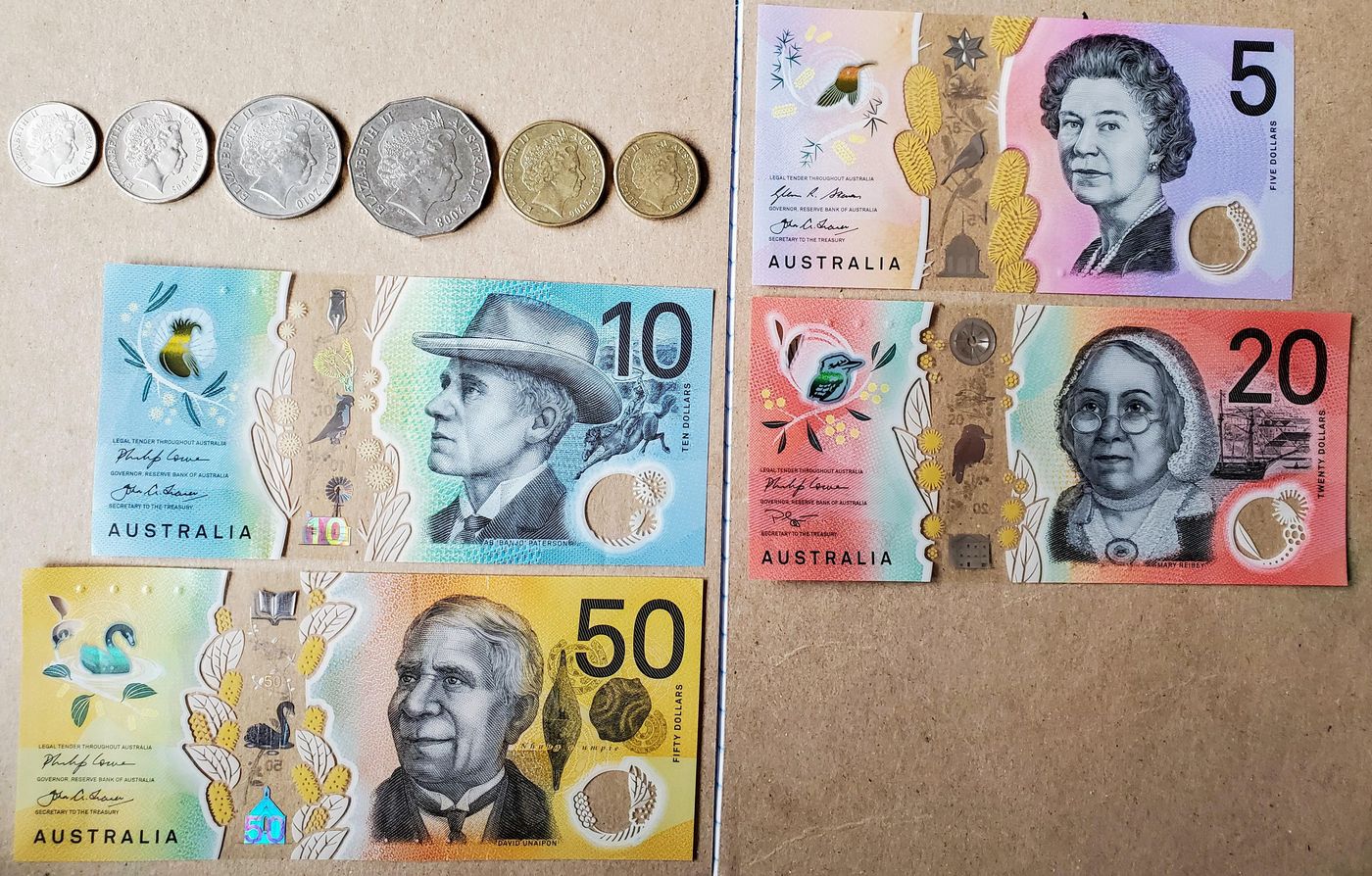
When introduced in 1966, Australian coins came in denominations of 1, 2, 5, 10, 20, and 50 cents. The original 50-cent coin was 80% silver, but this was discontinued in 1968 when the metal's value exceeded the coin's face value. Aluminium bronze one-dollar and two-dollar coins were introduced in 1984 and 1988, respectively, replacing the banknotes of those values. The one and two-cent coins were discontinued in 1991 and withdrawn in 1992, leading to cash transactions being rounded to the nearest five cents. The Royal Australian Mint in Canberra has produced over 14 billion circulating coins since 1965, with a daily capacity exceeding two million coins. The current 50-cent coin, with a mass of 15.55 grams and a diameter of 31.51 millimetres, is one of the largest circulating coins in the world. Australia also issues commemorative coins, including a triangular $5 coin in 2013 to mark the 25th anniversary of Parliament House.
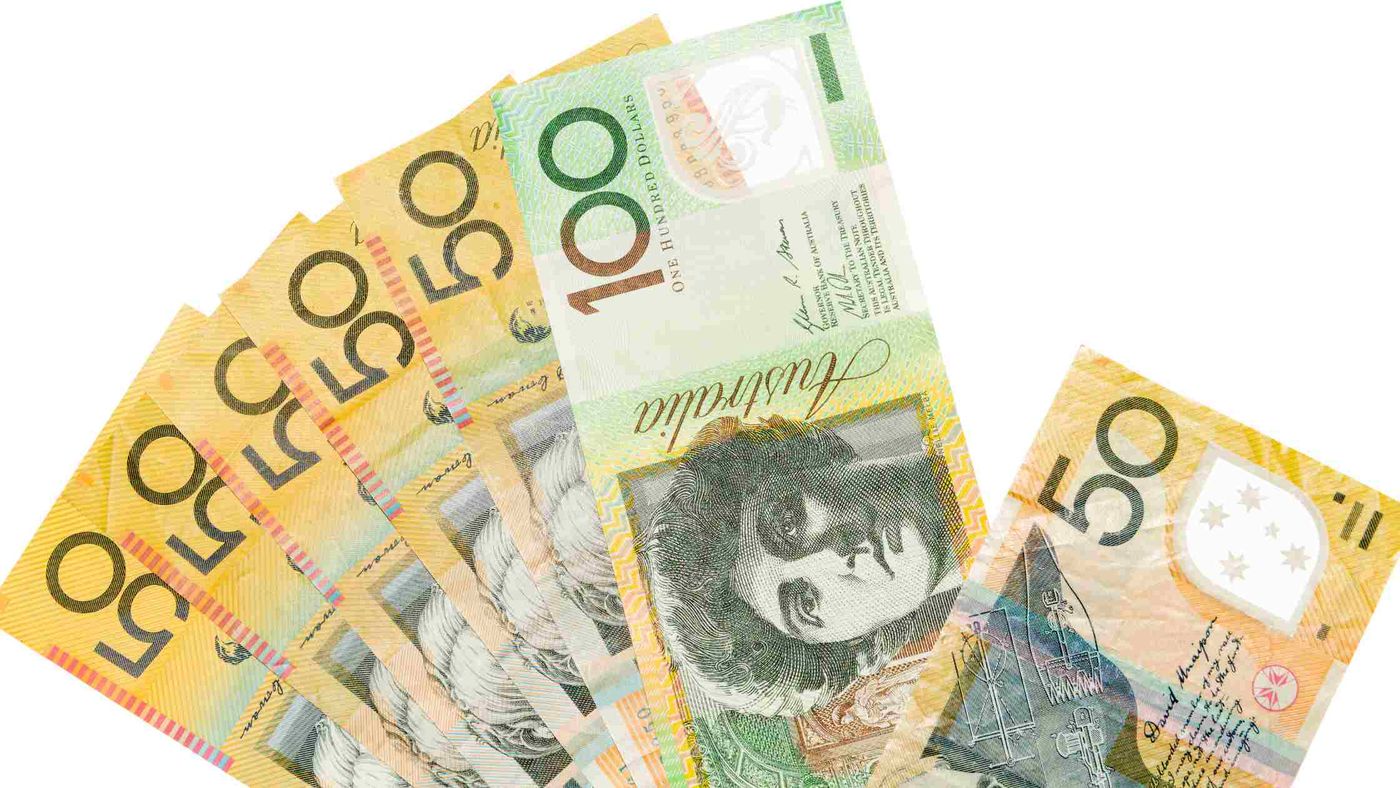
Australia's banknotes have evolved significantly. The first paper dollar notes were issued in 1966, with the $1 and $2 notes later replaced by coins. A major innovation came with the development of polymer banknote technology, a joint project between the Reserve Bank of Australia and the Commonwealth Scientific and Industrial Research Organisation. The world's first polymer banknote was a commemorative $10 note issued in 1988. A full polymer series was rolled out starting in 1992, featuring notable Australians on each denomination. The second polymer series, announced in 2012, retained the same portraits but added enhanced security features and tactile elements for the visually impaired. Following the death of Queen Elizabeth II, the government announced the $5 note would be redesigned to reflect Indigenous history and culture. All previous Australian banknotes remain legal tender.
Exchange Rate History and Value Drivers
The Australian dollar operated under a fixed exchange rate system until 1983. From 1910, the Australian pound was at par with the British pound. It was devalued by 25% against sterling in 1931. After decimalisation, the dollar was initially pegged to sterling and then to the US dollar. With the breakdown of the Bretton Woods system, Australia managed its currency against a trade-weighted index of currencies from 1974. The highest valuation against the US dollar under the peg was US$1.4875 in September 1973. The Australian Labor government floated the dollar on 9 December 1983, allowing its value to be set by market forces. Since floating, its value has seen significant fluctuations driven by global economic conditions and commodity prices.
The Australian dollar's value is primarily driven by commodity prices due to the country's export-dependent economy. Economists note that the currency often moves opposite to other major reserve currencies, strengthening during global economic booms when demand for Australian minerals and agricultural products is high, and weakening during recessions when commodity prices slump. Its popularity in foreign exchange markets is also attributed to Australia's relatively high interest rates, political and economic stability, and the perception that it offers diversification benefits in a global portfolio, particularly through its exposure to Asian economies. As of 2025, it accounted for 6.1% of the world's daily foreign exchange market share. The Central Bank of Russia announced in January 2011 that it would begin holding Australian dollar reserves, underscoring its status as a reserve currency.
The AUD/CAD Exchange Rate for Canadians
The exchange rate between the Australian dollar and the Canadian dollar is a key financial metric for cross-border transactions. The two currencies often trade near parity due to similar economic structures as commodity exporters, but their values can diverge based on regional economic factors. The mid-market exchange rate is the benchmark rate between buyers and sellers in the global currency market. As per recent data, one Canadian dollar is equivalent to approximately 1.01 Australian dollars based on a mid-market rate of $1.0133 CAD to 1 AUD. Conversely, one Australian dollar converts to about 0.99 Canadian dollars. These rates fluctuate constantly based on market dynamics.
For Canadians looking to convert currency, several service providers offer AUD to CAD exchanges. These include traditional banks, online money transfer specialists like Wise and WorldRemit, and services like Western Union. Key considerations when exchanging currency include the exchange rate margin applied on top of the mid-market rate, any transfer fees, and the speed of the transaction. Many providers advertise bank-beating rates and transparent fee structures. It is common for services to allow users to set rate alerts to be notified when the AUD/CAD pair reaches a desired level. Historical data shows the pair can be volatile over short periods, with a 30-day average around 0.9911 and a 90-day average around 0.9898 for AUD to CAD.
| Time Period | High (AUD/CAD) | Low (AUD/CAD) | Average | Change |
|---|---|---|---|---|
| Last 30 Days | 1.0004 | 0.9818 | 0.9911 | -1.16% |
| Last 90 Days | 1.0004 | 0.9768 | 0.9898 | 0.62% |
| Last 7 Days (CAD/AUD) | 1.0183 | 1.0066 | 1.0133 | 0.40% volatility |
Using and Converting Australian Dollars in Canada
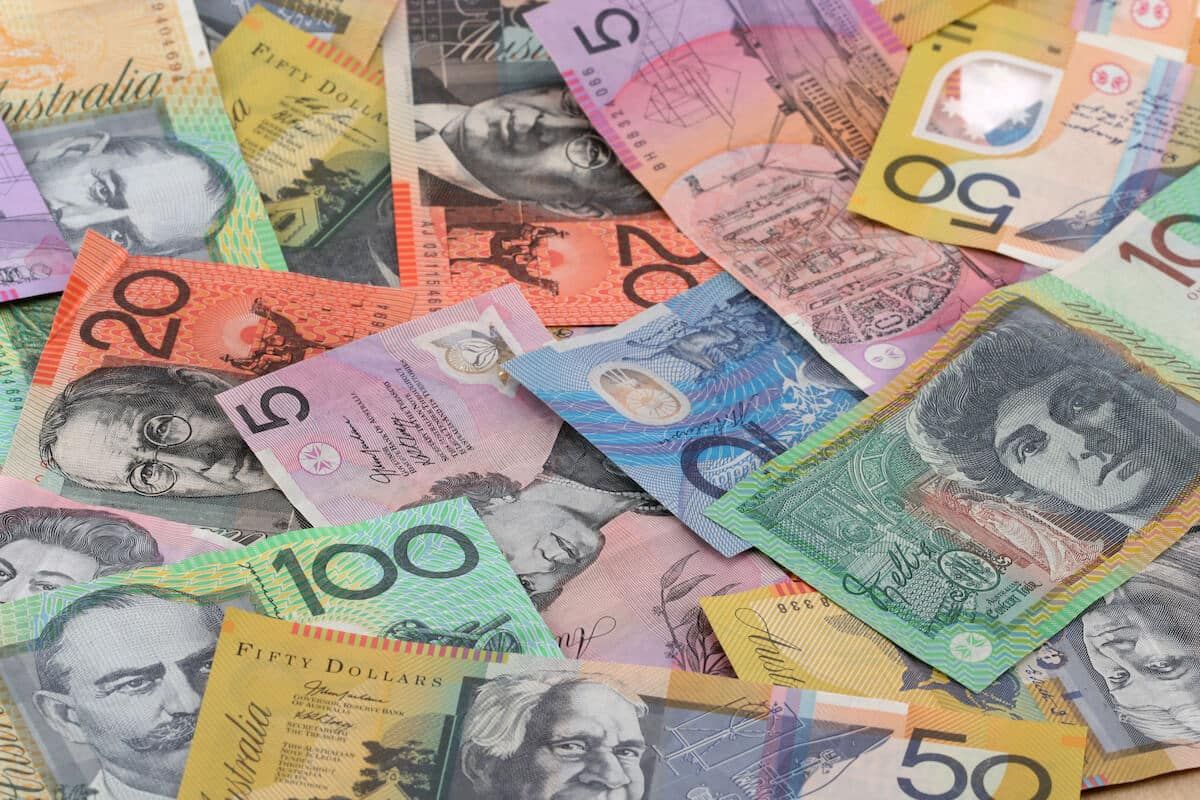
Canadian individuals and businesses interact with the Australian dollar for various purposes including travel, online shopping, international money transfers, and investment. To convert currency, one can use online currency converters provided by financial institutions and transfer services, which give real-time estimates based on live mid-market rates. The process typically involves entering the amount, selecting AUD as the source currency and CAD as the target, and receiving a quote that includes the applicable exchange rate and any fees. Many services emphasize transparency, showing the total cost upfront with no hidden fees. Payment methods for initiating a transfer can include bank account debits, Interac e-Transfer, or debit and credit cards, though card payments may incur cash advance fees.
When sending money from Canada to Australia, recipients can often receive funds via bank deposit or cash pickup at agent locations. Security measures like encryption and transaction tracking numbers are standard. It is important for users to understand that the exchange rate they receive from a service provider will typically include a margin above the mid-market rate, which is how these companies generate revenue. Therefore, the rate shown on a generic Google search or financial data site usually represents the pure mid-market rate and not the final rate a consumer will get. Comparing the total cost across different providers, which includes both the exchange rate margin and any fixed transfer fees, is crucial for getting the best value. Providers often promote benefits like low fees on transfers over a certain amount, fast transfer times, and 24/7 customer support.
Risks and Considerations for Canadians
Engaging with the Australian dollar involves several financial risks and considerations for Canadian holders. The primary risk is exchange rate volatility. The AUD/CAD pair can experience significant swings based on shifting commodity prices, changes in interest rate differentials between the two countries, and broader global economic sentiment. For example, the Australian dollar fell to as low as US$0.57 in March 2020 during market turmoil, which would have impacted its cross-rate with the Canadian dollar. This volatility means the value of Australian dollar holdings or the cost of future obligations in AUD can change rapidly, affecting travel budgets, import costs, and investment returns.
Another consideration is the cost of currency conversion. While the mid-market rate is a useful benchmark, the actual rate offered by banks, currency exchange kiosks, or credit card companies usually includes a markup, sometimes combined with a flat transaction fee. These costs can erode the value being transferred or exchanged, especially on smaller amounts. For larger transfers, even small differences in the exchange rate margin can lead to substantial cost differences. Furthermore, while Australian banknotes and coins are legal tender in Australia, they are not in Canada, meaning they must be exchanged for Canadian dollars to be used locally. Canadians should also be aware of the potential for fraud in international money transfers and are advised to use reputable, regulated services and to only send money to people they know and trust.
Frequently asked questions
What is the current Australian dollar to Canadian dollar exchange rate?
The current exchange rate fluctuates constantly. Based on available data, one Australian dollar (AUD) is approximately equivalent to 0.99 Canadian dollars (CAD), while one Canadian dollar is worth about 1.01 Australian dollars. The exact mid-market rate used for reference is around 1 AUD = 0.98616 CAD. The rate you receive from a service provider will differ as it includes a margin above this base rate and any applicable transaction fees.
Why is the Australian dollar considered a commodity currency?
The Australian dollar is considered a commodity currency because economists posit that commodity prices are the dominant driver of its value. For decades, Australia's balance of trade has depended primarily upon commodity exports such as minerals and agricultural products. This means the Australian dollar tends to rally during global economic booms as demand for raw materials increases, and it falls during recessions when commodity prices slump. This movement is often in the opposite direction to other major reserve currencies, which are seen as safer during market downturns.
When did Australia switch to a decimal currency?
Australia switched to a decimal currency on 14 February 1966, replacing the non decimal Australian pound. The conversion rate was set at two dollars to the pound, so one dollar equalled ten shillings. This followed a public consultation process where over 1,000 names were suggested. The initial choice of 'royal' was met with public disapproval, leading to the final name 'dollar'. The decision came after the Decimal Currency Committee, appointed in 1959, reported in favour of decimalisation in 1960.
How can I convert Australian dollars to Canadian dollars?
You can convert Australian dollars to Canadian dollars using various financial services. These include banks, online currency converters, and specialized international money transfer providers such as Western Union or WorldRemit. The process involves checking the latest AUD to CAD exchange rates, which are freely available, and then completing a transaction. Providers will quote a rate that includes their margin above the mid market rate, and you should compare total costs, including any fees, before proceeding with the transfer.
What are the security features of Australian banknotes?
Australian banknotes are renowned for advanced polymer security features. Australia was the first country to issue polymer banknotes, beginning with a commemorative $10 note in 1988. The first full polymer series, rolled out from 1992, incorporated features like transparent windows. The second polymer series, announced in 2012, upgraded these with additional future proof security features and introduced tactile elements like Braille dots to assist the visually impaired in identifying different denominations. All designs from the first polymer series were retained on the second.
Sources and further reading
- Australian dollar (Wikipedia) en.wikipedia.org
- Australian dollars to Canadian dollars Exchange Rate. ... wise.com
- 1 CAD to AUD, Convert Canadian Dollars to Australian ... xe.com
- CAD to AUD | Convert Canadian Dollar to Australian Dollar westernunion.com
- Convert AUD to CAD, Exchange Australian Dollar ... remitbee.com
This article explains how things work and is not financial, tax or legal advice. Rules, limits and rates change, so check the current figures with the Canada Revenue Agency, your province or your financial institution before you act.