The Vanguard S&P 500 Index ETF (VFV) is a Canadian-listed exchange-traded fund that provides exposure to the 500 largest publicly traded companies in the United States. It seeks to track the performance of the S&P 500 Index, a benchmark for the U.S. equity market. This ETF offers Canadian investors a straightforward way to gain diversified U.S. stock market exposure through their regular brokerage accounts. Its low-cost structure and broad market representation make it a core holding for many Canadian portfolios seeking long-term growth.
Fund Objective and Investment Strategy
The Vanguard S&P 500 Index ETF has a clear investment objective: to track, as closely as possible before fees and expenses, the performance of the S&P 500 Index. This index measures the investment return of large-capitalization U.S. stocks. The fund achieves this by investing directly or indirectly, primarily in the stocks of U.S. companies that constitute the index. The portfolio is constructed to mirror the index, meaning its holdings and their weightings are aligned with those of the S&P 500. The fund uses a replication strategy, holding the underlying securities of the index, which helps minimize tracking error. Vanguard employs a passive management approach, focusing on low-cost, efficient index tracking rather than active stock selection.
Understanding the Underlying S&P 500 Index
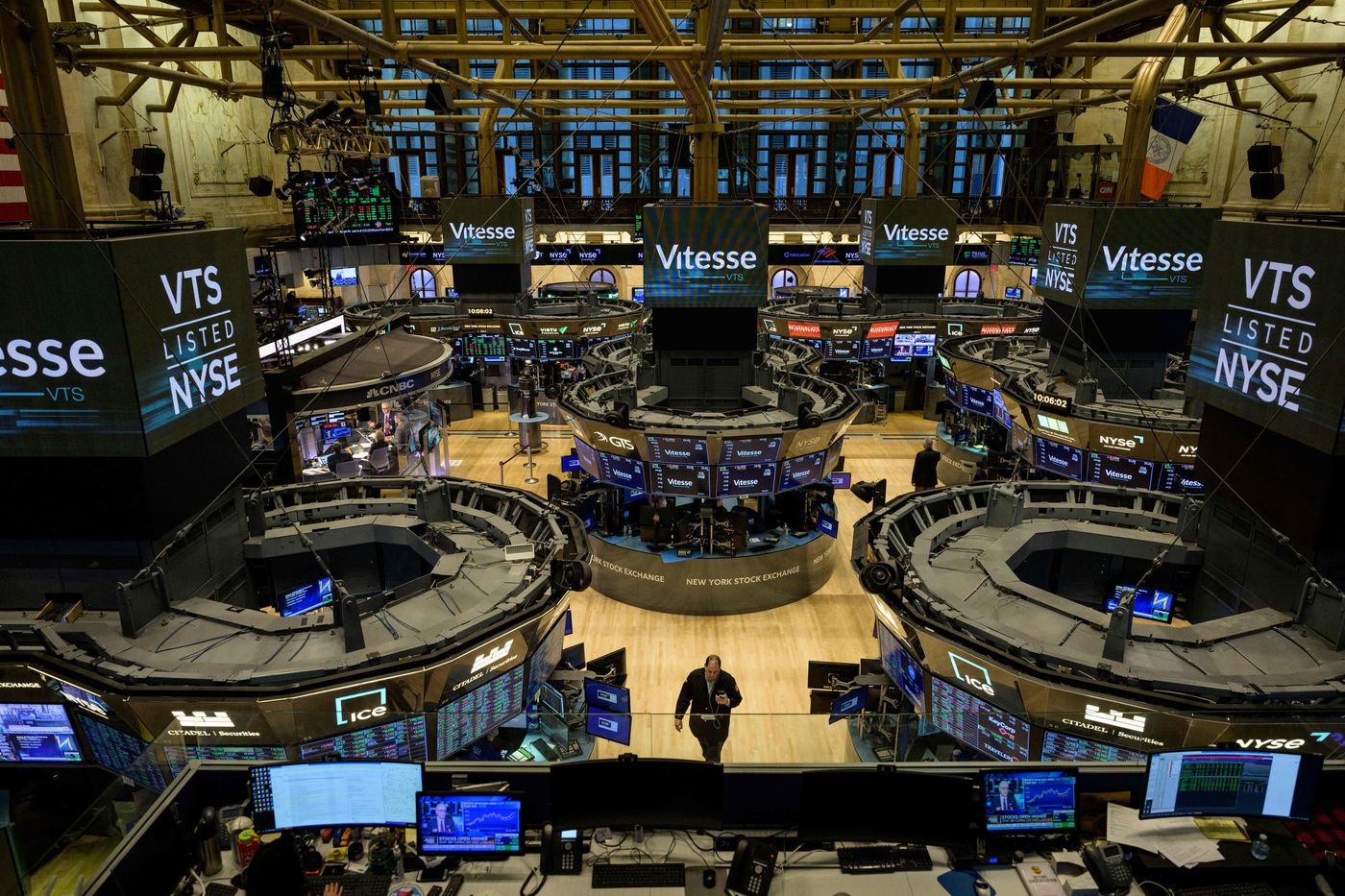
The S&P 500 Index is a market-capitalization-weighted index of 500 leading U.S. companies. It is widely regarded as the best single gauge of large-cap U.S. equity market performance. The index includes companies from all major sectors of the economy, providing broad diversification. Index constituents are selected by a committee based on criteria including market size, liquidity, and sector representation. The performance of the index reflects the collective results of America's largest corporations, spanning technology, healthcare, financials, consumer goods, and industrials. As a market-cap-weighted index, larger companies have a greater influence on its movements. The index is maintained by S&P Dow Jones Indices and is rebalanced periodically to reflect changes in the market.
Portfolio Composition and Key Holdings
The VFV ETF holds a portfolio designed to replicate the S&P 500. Its holdings are predominantly the common stocks of the index constituents. The fund's sector allocation mirrors that of the index, providing exposure to the entire U.S. large-cap landscape. The largest holdings are typically the mega-cap technology and consumer companies that dominate the U.S. market. The weighted equity exposures presented in fund materials exclude temporary cash investments and equity index futures, focusing on the core stock holdings. Some short-term fixed income securities are classified as cash and are excluded from the weighted bond exposures. The total allocation percentages shown in holdings details may not equal 100% due to rounding or the omission of cash and futures contracts.
Trading and Account Eligibility for Canadians
VFV trades on the Toronto Stock Exchange (TSX) under the ticker symbol VFV.TO. It is denominated in Canadian dollars, eliminating the need for investors to handle currency conversion when trading. Canadians can purchase units through any online brokerage or with the assistance of a financial advisor. It is important to note that Vanguard ETFs trade at the market price, not the net asset value (NAV). Investors buy and sell VFV in the secondary market through a brokerage firm, which may involve paying brokerage commissions. When buying, investors may pay more than the NAV, and when selling, they may receive less than the NAV. The fund is eligible for holding in all types of Canadian registered accounts, including Tax-Free Savings Accounts (TFSAs) and Registered Retirement Savings Plans (RRSPs), as well as non-registered investment accounts.
Distributions, Yield, and Tax Considerations
The VFV ETF makes quarterly distributions to unitholders. These distributions consist of dividends received from the underlying U.S. stocks and may include other types of income. The exact characterization of distributions into income types, such as eligible dividends, non-eligible dividends, capital gains, or return of capital, is determined at the fund's year-end. Each January, Vanguard Investments Canada Inc. reports the actual return of capital for the investment funds. The total payout amount remains consistent, but the proportion classified as return of capital versus earnings may differ slightly from estimates. Investors receive an official tax statement from their broker detailing the income to report for the entire year. Non-registered account holders must report these distributions for Canadian income tax purposes.
Fees and Cost Structure
The fund is known for its low-cost structure, which is a core aspect of Vanguard's investment philosophy. The Management Expense Ratio (MER) for VFV is 0.08% as of the most recent fund year-end. This MER includes any fee waivers or absorptions implemented by Vanguard. The company expects to continue absorbing or waiving certain fees indefinitely but retains the discretion to discontinue this practice at any time. The TER (Tracking Expense Ratio) is also 0.08%, while the FER (Fund Expense Ratio) is listed as 0.00%, indicating that other fund-level expenses are being absorbed. This cost efficiency helps the fund closely track its benchmark index over the long term.
Primary Risks for Investors
Investing in VFV carries several risks inherent to equity and index investing. The fund's performance is directly tied to the U.S. stock market, meaning it is subject to market risk, including the potential for significant volatility and loss of principal. Concentration risk exists as the fund is focused solely on U.S. large-cap stocks, lacking exposure to small-cap, international, or fixed-income assets. Currency risk is present for Canadian investors because the fund's underlying assets are U.S. dollar-denominated securities, though the ETF itself trades in Canadian dollars. Tracking error risk is the possibility that the fund's returns may not perfectly match those of the S&P 500 Index due to fees, expenses, and portfolio management. There is also liquidity risk associated with trading the ETF on the secondary market, where the market price may deviate from the NAV.
Comparison with Similar Canadian ETFs
Canadian investors have several options for gaining S&P 500 exposure. A key competitor is the iShares Core S&P 500 Index ETF (CAD-Hedged) under the ticker XSP. The primary difference is that XSP seeks to replicate the performance of the S&P 500 Hedged to Canadian Dollars Index, which aims to neutralize the impact of currency fluctuations between the Canadian and U.S. dollar. VFV does not employ currency hedging, so its returns in CAD will include the effects of forex movements. Another Vanguard product is the Vanguard S&P 500 Index ETF (CAD-hedged) (VSP.TO), which is the currency-hedged version of VFV. The choice between hedged and unhedged products depends on an investor's view on currency movements and their desire to isolate pure U.S. equity returns. When selecting an ETF, investors should also consider factors like fund size, liquidity, and the specific indexing methodology used by the provider. The table below summarizes key comparative figures for these related funds.
| ETF Ticker | Fund Name | Currency Hedging | MER |
|---|---|---|---|
| VFV.TO | Vanguard S&P 500 Index ETF | No | 0.08% |
| VSP.TO | Vanguard S&P 500 Index ETF (CAD-hedged) | Yes | 0.08% |
Frequently asked questions
What is VFV and what does it invest in?
VFV is the ticker for the Vanguard S&P 500 Index ETF traded on the TSX. It invests in a portfolio designed to track the S&P 500 Index, which consists of 500 of the largest U.S. publicly traded companies. The fund holds the stocks of these companies, providing diversified exposure to the U.S. large-cap equity market. Its goal is to replicate the index's performance before fees and expenses.
How is VFV different from VSP?
VFV and VSP are both Vanguard ETFs that track the S&P 500 Index. The key difference is currency hedging. VFV is unhedged, meaning its returns in Canadian dollars will be affected by changes in the CAD/USD exchange rate. VSP is the CAD-hedged version, which uses financial instruments to attempt to neutralize the impact of currency fluctuations, aiming to deliver the pure equity return of the index.
Can I hold VFV in my TFSA or RRSP?
Yes, VFV is fully eligible for holding in Canadian registered accounts, including Tax-Free Savings Accounts (TFSAs) and Registered Retirement Savings Plans (RRSPs). It can also be held in non-registered investment accounts. Investors must buy or sell Vanguard ETFs in the secondary market with the assistance of a brokerage firm. Purchases are made through a brokerage in the same way as buying any other stock or ETF on the Toronto Stock Exchange.
What are the fees for investing in VFV?
VFV has a low Management Expense Ratio (MER) of 0.08%. This annual fee covers the fund's management and operating costs. There are no front-end or back-end sales commissions when buying the ETF through a brokerage, but standard brokerage trading commissions apply to each buy or sell order. The fund's low cost is a major part of its appeal for long-term investors.
How often does VFV pay distributions?
VFV pays distributions to unitholders on a quarterly basis. These distributions come from dividends and other income earned by the underlying U.S. stocks in the portfolio. The exact tax treatment of the distributions for a calendar year is calculated after the fund's tax year-end. Investors will receive an official tax statement from their broker detailing the type of income they have to report for tax purposes for the entire year.
What are the main risks of investing in VFV?
The primary risks include U.S. stock market volatility, as the fund's value will rise and fall with the S&P 500. There is concentration risk since it holds only U.S. large-cap stocks. Currency risk is present for Canadian holders as the fund's assets are in USD. There is also tracking error risk, meaning the fund's return may not perfectly match the index due to fees and operational factors.
Sources and further reading
- (VFV) Vanguard S&P 500 Index ETF vanguard.ca
- iShares Core S&P 500 Index ETF (CAD- Hedged) - XSP rbcgam.com
This article explains how things work and is not financial, tax or legal advice. Rules, limits and rates change, so check the current figures with the Canada Revenue Agency, your province or your financial institution before you act.