TMX Group Limited is a leading Canadian financial services company that operates the country's premier stock exchanges, including the Toronto Stock Exchange (TSX) and the TSX Venture Exchange (TSXV). The company provides the essential infrastructure for capital formation, trading, and market data in Canada and internationally. For investors, owning TMX Group stock represents a way to gain exposure to the health and activity of the Canadian capital markets. The company's shares trade on the TSX under the symbol X, making it a core holding accessible within Canadian registered accounts.
What TMX Group Does
TMX Group Limited is a financial market infrastructure company that operates exchanges, markets, and clearinghouses. Its core function is to facilitate the trading of securities, providing a platform where companies can raise capital and investors can buy and sell financial instruments. The company's operations are divided into four distinct business segments that cover the full lifecycle of a trade. The Global Insights segment delivers market data, analytics, and indices to help clients make informed decisions. The Capital Formation segment operates the exchanges where companies list their shares to access public equity capital.
The Derivatives Trading & Clearing segment runs the Montreal Exchange for derivatives and the Canadian Derivatives Clearing Corporation. The Equities and Fixed Income Trading & Clearing segment handles the electronic trading on the TSX, TSXV, and Alpha Exchange, along with clearing and settlement through CDS Clearing. Beyond Canada, TMX Group also operates markets and provides services in the United States, the United Kingdom, and Germany, including the BOX equity options market in the US and wholesale energy market solutions in Europe. This diversified operational base makes TMX Group a central pillar of the North American and global financial ecosystem.
History and Corporate Evolution
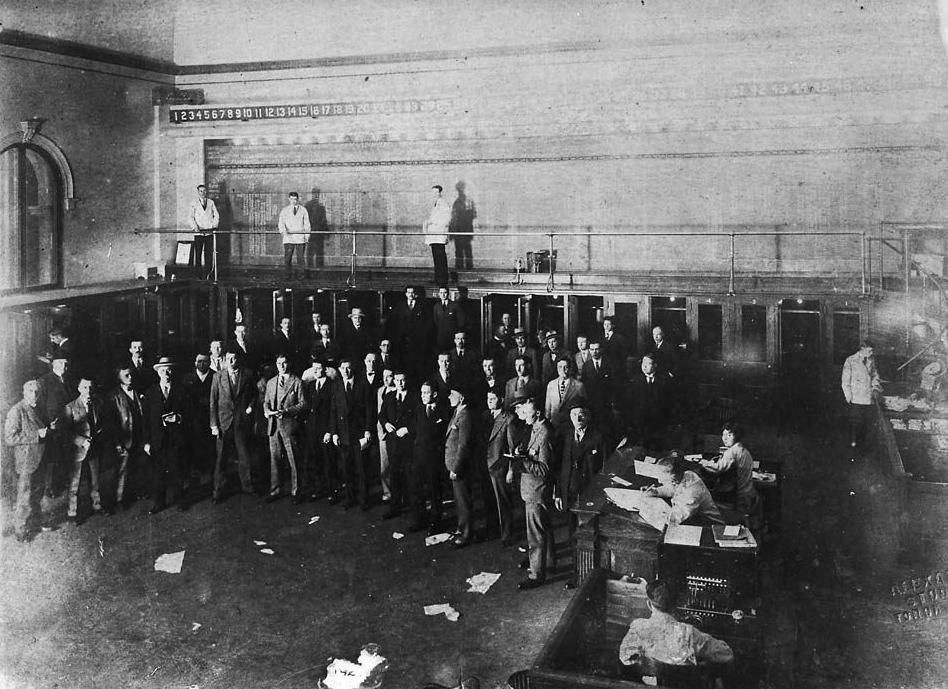
TMX Group's modern corporate structure was established in 2011 with the incorporation of Maple Group Acquisition Corporation. This entity was formed as part of a consortium to acquire and consolidate several key Canadian market infrastructure players. The major transaction was completed in 2012, when the company changed its name to TMX Group Limited. This consolidation brought together the Toronto Stock Exchange, TSX Venture Exchange, Montreal Exchange, and the Canadian Depository for Securities (CDS) under a single corporate umbrella.
The merger was a significant event in Canadian financial history, creating an integrated group capable of competing on a global scale. Prior to this, these exchanges operated more independently. The consolidation aimed to create efficiencies, strengthen the Canadian capital markets, and provide a more comprehensive suite of services to listed companies and investors. Since the 2012 merger, TMX Group has continued to expand its international footprint and technology offerings, evolving from a collection of domestic exchanges into a diversified global financial technology and infrastructure provider.
- The company was incorporated in 2011 as Maple Group Acquisition Corporation.
- It changed its name to TMX Group Limited in August 2012.
- The consolidation unified the Toronto Stock Exchange (TSX).
- The consolidation unified the TSX Venture Exchange (TSXV).
- The consolidation unified the Montreal Exchange.
- The consolidation unified the Canadian Depository for Securities (CDS).
Key Business Segments and Operations
TMX Group's business is organized into four main segments, each responsible for a critical part of the market lifecycle. The Global Insights segment is the information engine, providing real-time and historical data, analytics, and index calculation services. This includes the data feeds from the TSX and other operated markets, which are essential for traders, media, and financial institutions worldwide. The Capital Formation segment is where companies go public. It operates the Toronto Stock Exchange for senior equities and the TSX Venture Exchange for emerging companies, providing listing, corporate services, and investor relations tools through subsidiaries like TSX Trust and Newsfile.
The Derivatives Trading & Clearing segment centres on the Montreal Exchange, Canada's national derivatives exchange, and its clearinghouse. This segment facilitates the trading and secure settlement of options and futures contracts. The Equities and Fixed Income Trading & Clearing segment is the execution and post-trade backbone. It operates the electronic trading platforms for equities on the TSX, TSXV, and Alpha Exchange, and handles the clearing, settlement, and custody of securities transactions through CDS Clearing and CDCC. Together, these segments create a vertically integrated model that captures value across the entire trading chain.
- Global Insights: Provides equities and index data and analytics.
- Capital Formation: Operates the TSX and TSXV for company listings.
- Derivatives Trading & Clearing: Operates the Montreal Exchange and its clearinghouse.
- Equities and Fixed Income Trading & Clearing: Operates trading for TSX, TSXV, and Alpha Exchange.
- Also operates TSX Trust for corporate trust and transfer agency services.
- Also operates Newsfile for news dissemination and regulatory filings.
- Also operates BOX, a US equity options market.
- Also operates CDS Clearing for settlement of equities and fixed income.

Trading and Dividend Information for Investors
TMX Group Limited's common shares are listed on the Toronto Stock Exchange, which the company itself operates. The primary ticker symbol for trading is X. This listing provides Canadian investors with straightforward access to the stock through any brokerage that offers trading on the TSX. The shares are Canadian-dollar denominated and are eligible to be held in all types of Canadian registered accounts, including Tax-Free Savings Accounts (TFSAs) and Registered Retirement Savings Plans (RRSPs). This makes it a convenient holding for investors seeking domestic market exposure within a tax-advantaged wrapper.
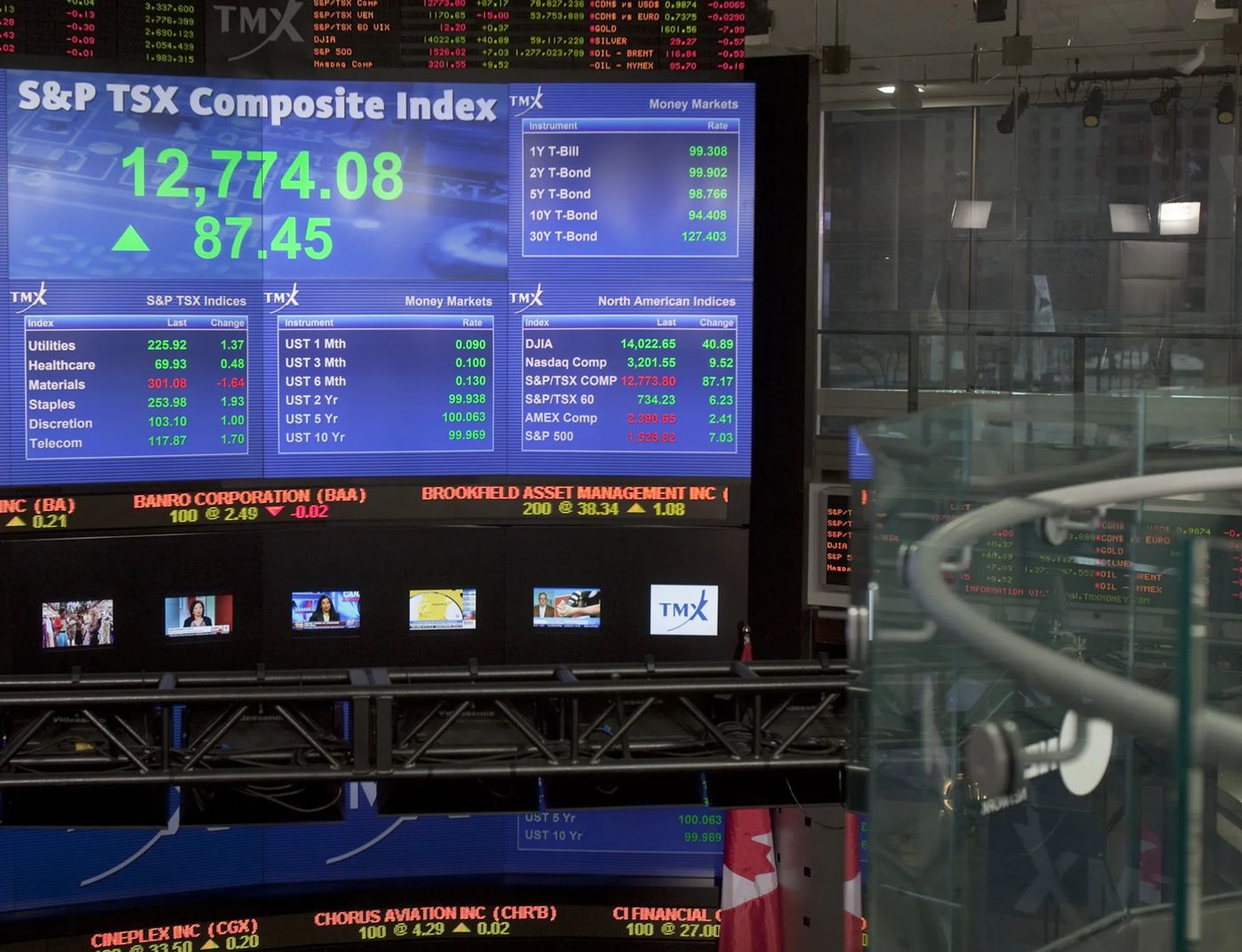
As a mature financial infrastructure company, TMX Group has a history of paying dividends to its shareholders. The dividend is typically paid on a quarterly basis, providing investors with a regular income stream. The specific dividend amount and yield can vary over time based on the company's financial performance and board decisions. Investors should consult the company's investor relations website for the most current dividend declaration details, payment dates, and historical distribution records. The company's financial results are also benchmarked against the S&P/TSX Composite index, providing a measure of its performance relative to the broader Canadian market.
Principal Risks and Considerations
Investing in TMX Group involves specific risks inherent to its business as a market operator. A primary risk is market cyclicality. The company's revenue is closely tied to trading volumes, new listings, and capital market activity. During periods of economic downturn or market volatility, reduced trading and fewer initial public offerings can directly impact financial performance. Regulatory risk is also significant, as the company operates in a highly regulated environment in multiple jurisdictions. Changes in securities laws, compliance requirements, or fee structures imposed by regulators could affect operations and profitability.
Technological risk is ever-present, as the company must maintain robust, secure, and high-speed trading systems. Any significant technological failure, cyber attack, or outage could damage confidence and lead to financial losses. Furthermore, TMX Group faces intense competition from other global and alternative trading systems, which can pressure trading fees and market share. The company's international operations also expose it to foreign exchange risk and the economic conditions of other countries. Investors should consider these factors, which can influence the stock's stability and growth prospects over the long term.
- Market cyclicality risk from fluctuating trading volumes and listings.
- Regulatory risk from operating in multiple jurisdictions.
- Technological and cybersecurity risk to trading platforms.
- Competition from other global exchanges and trading systems.
- Foreign exchange risk from international operations.
- Dependence on the economic conditions of Canada and other countries.
How the Business Generates Revenue
TMX Group generates revenue through a multi-faceted model tied to the services provided across its four business segments. A substantial portion comes from fees associated with trading activity. This includes transaction fees charged for each trade executed on its exchanges like the TSX, TSXV, and Montreal Exchange. The company also earns significant revenue from listing and annual sustaining fees paid by the thousands of companies that have their securities listed on its public markets. These fees provide a more stable, recurring income stream compared to the more variable trading fees.
Another critical revenue source is the sale of market data and analytics through the Global Insights segment. Financial institutions, media companies, and data vendors pay licensing fees to access real-time quotes, historical data, and proprietary indices. Clearing and settlement services provided by CDS and CDCC generate fees for each transaction processed. Additionally, the company earns revenue from technology services, corporate services like transfer agency through TSX Trust, and fees from its various other operations such as BOX in the United States. This diversified revenue base helps mitigate dependence on any single activity within the financial markets.
Frequently asked questions
What does TMX Group own and operate?
TMX Group owns and operates leading global exchanges and related market infrastructure. This includes the Toronto Stock Exchange for senior equities and the TSX Venture Exchange for venture companies. It also operates the Montreal Exchange for derivatives and the Alpha Exchange trading platform. Furthermore, the group owns clearinghouses such as CDS Clearing and has international operations including the BOX options market in the United States.
Does TMX Group pay a dividend?
Yes, TMX Group pays dividends to its shareholders. The dividends are distributed on a quarterly basis. The specific dividend amount and yield are determined by the company's board of directors. Investors should consult the company's investor relations materials for the most current dividend information and payment schedules.
What are the main risks of investing in TMX Group?
The main investment risks include sensitivity to financial market cycles, as trading volumes and new listings impact revenue. The company faces regulatory risks across the multiple countries where it operates. Technological and cybersecurity risks to its trading platforms are also significant. Furthermore, competition from other exchanges and trading systems presents an ongoing challenge.
When was TMX Group formed?
The current TMX Group Limited was incorporated in 2011 under the name Maple Group Acquisition Corporation. It changed its name to TMX Group Limited in August 2012 after a major consolidation of Canadian market infrastructure. This entity now operates the integrated group of exchanges and clearinghouses, including the TSX, TSXV, and Montreal Exchange. The company is headquartered in Toronto, Canada.
What is the ticker symbol for TMX Group stock?
TMX Group Limited trades on the Toronto Stock Exchange under the ticker symbol X. On many financial data platforms, the stock is also listed as X.TO to denote its listing on the Toronto exchange. Real time stock prices and quotes for the company are available through services like TMX Money. For example, recent trading data showed a price of 56.11 Canadian dollars at the close of a trading day. The company's stock is a core component of the Canadian financial market infrastructure.
Can I hold TMX Group stock in my TFSA or RRSP?
Yes, TMX Group shares are eligible for holding in Canadian registered accounts like a Tax Free Savings Account or a Registered Retirement Savings Plan. This is because the company's stock is listed on the Toronto Stock Exchange and trades in Canadian dollars. Investors can purchase shares through a standard Canadian brokerage account to place them within these plans. The stock's domestic listing and currency make it a straightforward holding for Canadian registered investment accounts seeking exposure to the financial services and exchange sector.
Sources and further reading
- TMX Group Limited (X.TO) Stock Price, News, Quote & ... ca.finance.yahoo.com
This article explains how things work and is not financial, tax or legal advice. Rules, limits and rates change, so check the current figures with the Canada Revenue Agency, your province or your financial institution before you act.