Tamarack Valley Energy Ltd. is a Canadian oil and gas company focused on exploration, development, and production. Its operations are concentrated in the Western Canadian Sedimentary Basin, specifically within Alberta's Clearwater and Charlie Lake resource plays. The company's shares trade on the Toronto Stock Exchange under the symbol TVE, providing Canadian investors with direct exposure to domestic energy production. Tamarack's strategy emphasizes generating free funds flow from its low-cost, long-life assets to deliver returns to shareholders.
Company Operations and Business Focus
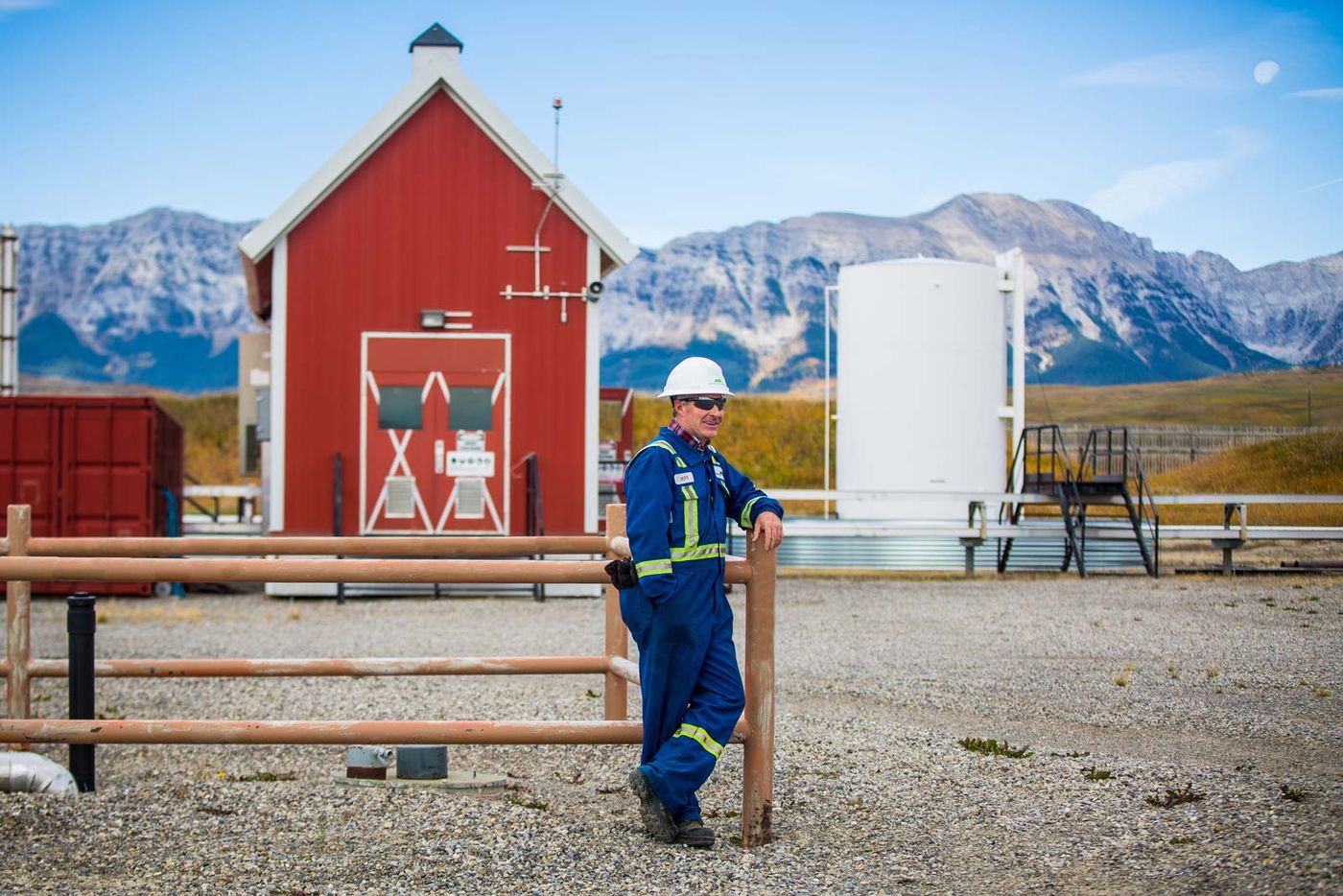
Tamarack Valley Energy is engaged in the full cycle of hydrocarbon production, from exploration to the sale of oil, natural gas, and natural gas liquids. The company operates exclusively within the Western Canadian Sedimentary Basin, a major hydrocarbon-producing region. Its core operational focus is on the Clearwater formation, where it describes itself as a pure-play exploration and production company. The Clearwater play is noted for its strong economics, which are supported by a low-cost operational structure and relatively low production decline rates. Tamarack also holds significant assets in the Charlie Lake play, both located within the province of Alberta. The company's stated corporate strategy prioritizes operational excellence, financial flexibility, and the generation of sustainable shareholder value through disciplined capital allocation.
Corporate History and Evolution
Tamarack Valley Energy was originally incorporated in 2002 under a different corporate identity. For its first several years, the company was known as Tango Energy Inc. This initial name reflected its foundational role in the energy sector. A significant moment in the company's development occurred in June 2010 when it underwent a rebranding and shareholders approved a change of the corporate name to Tamarack Valley Energy Ltd. This change coincided with a strategic shift and growth phase, solidifying its identity as an independent producer focused on specific resource plays in Western Canada. The company has maintained its headquarters in Calgary, Alberta, which is the central hub for Canada's oil and gas industry. The company's timeline includes several key corporate events and milestones that define its journey from a small entity to a listed producer.
- The company was incorporated in the year 2002.
- It initially operated under the name Tango Energy Inc.
- In June 2010, the company changed its name to Tamarack Valley Energy Ltd.
- Its headquarters have remained in Calgary, Canada throughout its history.
The company was formerly known as Tango Energy Inc. and changed its name to Tamarack Valley Energy Ltd. in June 2010. Tamarack is a pure-play Clearwater exploration and production company focused on developing repeatable, predictable, and economic long-life resource plays. Its core oil and natural gas properties are located in the Clearwater and Charlie Lake assets in Alberta, Canada. This evolution marked its commitment to building a distinct corporate brand in the Canadian energy market.
Stock Listings and Trading Information
Tamarack Valley Energy's primary listing is on the Toronto Stock Exchange (TSX), where it trades under the ticker symbol TVE. Trading occurs in Canadian dollars, which is the functional currency for the company's operations and financial reporting. For investors accessing the market through United States-based platforms, the company's shares are also available over-the-counter (OTC) in the U.S. under the symbol TNEYF. These OTC shares represent the same underlying ordinary shares as the TSX-listed TVE stock. The company's market capitalization was approximately 4.96 billion dollars based on its OTC listing price in 2026, reflecting its status as an intermediate producer in the Canadian energy sector.
Dividend and Financial Metrics
Tamarack Valley Energy has established a dividend policy as part of its commitment to returning capital to shareholders. Based on data from its U.S. OTC listing in 2026, the stock offered a dividend yield of 1.16 percent. This yield is a function of the annual dividend payout relative to the share price at that time. Investors should note that dividend payments are typically declared in Canadian dollars and are subject to board approval and the company's financial performance. Another notable financial metric reported for Tamarack Valley Energy is its price-to-earnings (P/E) ratio, which was 227.85 as of 2026. A P/E ratio of this magnitude can indicate market expectations for future earnings growth or reflect specific accounting and commodity price conditions prevalent in the energy sector at the time. The company's trailing total returns are benchmarked against indices like the S&P/TSX Composite.
How Canadian Investors Can Hold TVE Stock
Canadian investors have several straightforward options for including Tamarack Valley Energy in their investment portfolios. The most direct method is to purchase shares of TVE on the Toronto Stock Exchange through any Canadian brokerage account. Purchases and sales will be settled in Canadian dollars, eliminating foreign currency exchange considerations. These shares are eligible to be held in registered Canadian accounts, providing tax advantages. Specifically, investors can hold TVE stock within a Tax-Free Savings Account (TFSA), where any capital gains and dividend income accumulate tax-free. The shares are also eligible for inclusion in a Registered Retirement Savings Plan (RRSP), where investment growth is tax-deferred until withdrawal. While the U.S. OTC listing (TNEYF) is available, Canadian investors typically prefer the TSX listing for its liquidity and simplicity within the domestic financial system.
Investors can utilize specific registered accounts to hold Tamarack Valley Energy shares. These accounts, such as the Tax-Free Savings Account (TFSA) and Registered Retirement Savings Plan (RRSP), each have distinct tax treatments. These tax treatments are designed for different savings goals and investment time horizons. Holding the TSX-listed shares (TVE) in these accounts provides Canadian investors with specific tax advantages.
- Tax-Free Savings Account (TFSA): Capital gains and dividend income from TVE stock grow tax-free.
- Registered Retirement Savings Plan (RRSP): Investment growth is tax-deferred until funds are withdrawn in retirement.
- Non-registered account: Shares can be held in a standard brokerage account with applicable taxes on gains and income.
Choosing the right registered account type depends on an investor's individual financial goals and personal tax situation. The Tax-Free Savings Account (TFSA) and the Registered Retirement Savings Plan (RRSP) are two of the most common choices for holding long-term investments. Each account offers different benefits for savings growth, income, and withdrawal rules. Investors should consider their objectives when selecting an account for Tamarack Valley Energy stock.
Principal Risks and Considerations
Investing in Tamarack Valley Energy involves exposure to risks inherent in the oil and gas exploration and production sector. The company's revenue and profitability are directly tied to the commodity prices of crude oil and natural gas, which are volatile and influenced by global supply, demand, and geopolitical events. As a producer focused on specific geological plays, operational risks such as reservoir performance, drilling results, and access to infrastructure are ever-present. The company's concentration in the Clearwater and Charlie Lake assets means its fortunes are closely linked to the economics and regulatory environment of those specific regions in Alberta. Environmental regulations and the global transition towards lower-carbon energy sources present long-term strategic risks that could affect operational costs and demand for its products. While the company employs a hedging program to manage some price volatility, it cannot eliminate all market risks associated with its business.
The main categories of risk for the company and its investors span commodity markets, operations, geography, and regulation. The company's financial performance is highly correlated to volatile oil and natural gas prices. Operational risks are associated with the exploration, development, and production of its assets. These interconnected risks can significantly impact the company's financial results and stock price performance over time.
- Commodity Price Risk: Revenue is tied to volatile global oil and natural gas prices.
- Operational Risk: Includes reservoir performance, drilling success, and infrastructure access.
- Concentration Risk: Assets are focused on the Clearwater and Charlie Lake plays in Alberta.
- Regulatory and Environmental Risk: Changing policies and the energy transition impact costs and demand.
- Market Risk: Broader economic and financial market conditions affect stock performance.
Understanding these risks is essential for evaluating an investment in the energy sector. Investors must recognize the cyclical nature of companies like Tamarack Valley Energy. The company's performance is tied to commodity market cycles and long-term regulatory trends. A thorough evaluation considers how these factors affect financial results and shareholder returns.
Key Investment Themes and Peer Context
Tamarack Valley Energy's investment narrative is built around several key themes that define its position in the market. The company is a pure-play operator on the high-potential Clearwater formation, which is characterized by repeatable, predictable drilling results and strong returns on investment. Its strategy emphasizes capital discipline and the generation of free funds flow, which it aims to return to shareholders through dividends and potentially other means. The company's operational focus on low-cost assets is designed to provide resilience during periods of lower commodity prices. Within the Canadian energy sector, Tamarack is often compared to other intermediate producers with similar market capitalizations and operational footprints. Its performance is benchmarked against broader indices like the S&P/TSX Composite, which includes the largest companies listed in Canada and serves as a common reference point for Canadian equity investors.
Frequently asked questions
What does Tamarack Valley Energy do?
Tamarack Valley Energy is a Canadian energy company engaged in the exploration, development, production, and sale of oil, natural gas, and natural gas liquids. The company's operations are all located within the Western Canadian Sedimentary Basin. Its core oil and natural gas properties are the Clearwater and Charlie Lake assets in Alberta, Canada. The company aims to enhance free funds flow by developing repeatable, predictable, and economic long-life resource plays.
What is the stock symbol for Tamarack Valley Energy?
The primary listing for Tamarack Valley Energy is on the Toronto Stock Exchange under the ticker symbol TVE. For investors trading on U.S. platforms, the company's shares are also quoted over-the-counter under the symbol TNEYF. The stock is commonly referenced as TVE on the TSX and TNEYF in the U.S. over-the-counter market. Real-time price updates and historical performance data are available for both symbols.
Does Tamarack Valley Energy pay a dividend?
Yes, Tamarack Valley Energy pays a dividend to shareholders. As of recent data, the dividend yield for its U.S. OTC-listed shares (TNEYF) was reported as 1.16 percent. Dividends are typically declared in Canadian dollars. The payment of dividends is part of the company's strategy to deliver shareholder returns.
Can I hold TVE stock in my TFSA or RRSP?
Yes, shares of Tamarack Valley Energy listed on the TSX (TVE) are fully eligible to be held in both Tax-Free Savings Accounts (TFSA) and Registered Retirement Savings Plans (RRSP). Holding the stock in these registered accounts provides Canadian investors with tax advantages on investment growth and income. Choosing between these accounts depends on an investor's individual financial goals and tax situation. Both are common choices for long-term holdings of Canadian equities.
Where are Tamarack Valley Energy's oil and gas properties?
Tamarack Valley Energy's oil and gas properties are located in the Canadian province of Alberta. The company's two main asset areas are the Clearwater formation and the Charlie Lake play. These assets are situated within the Western Canadian Sedimentary Basin. All of the company's exploration, development, and production activities are concentrated in this region.
What are the main risks of investing in TVE stock?
The main risks include exposure to volatile oil and natural gas commodity markets. There are operational risks associated with drilling, production, and development activities. The company also faces geographical concentration risk, as all assets are in specific plays within Alberta. Additional risks stem from environmental regulations and the broader energy transition, all of which can significantly impact financial results and stock price performance in this cyclical sector.
Sources and further reading
- Tamarack Valley Energy Ltd. (TVE.TO) ca.finance.yahoo.com
- Tamarack Valley Energy | Delivering responsible energy tamarackvalley.ca
- Tamarack Valley Energy, L…: TNEYF Stock Price ... robinhood.com
This article explains how things work and is not financial, tax or legal advice. Rules, limits and rates change, so check the current figures with the Canada Revenue Agency, your province or your financial institution before you act.