Royal Caribbean Group is a major global cruise operator with a portfolio of brands including Royal Caribbean International, Celebrity Cruises, and Silversea Cruises. Its common stock trades on the New York Stock Exchange under the ticker symbol RCL. For Canadian investors, understanding this company's business, financial metrics, and how to access its shares is key to making informed decisions. This article details the company's operations, history, and the specific considerations for holding its US-listed stock in Canadian registered accounts.
Company Overview and Business Operations
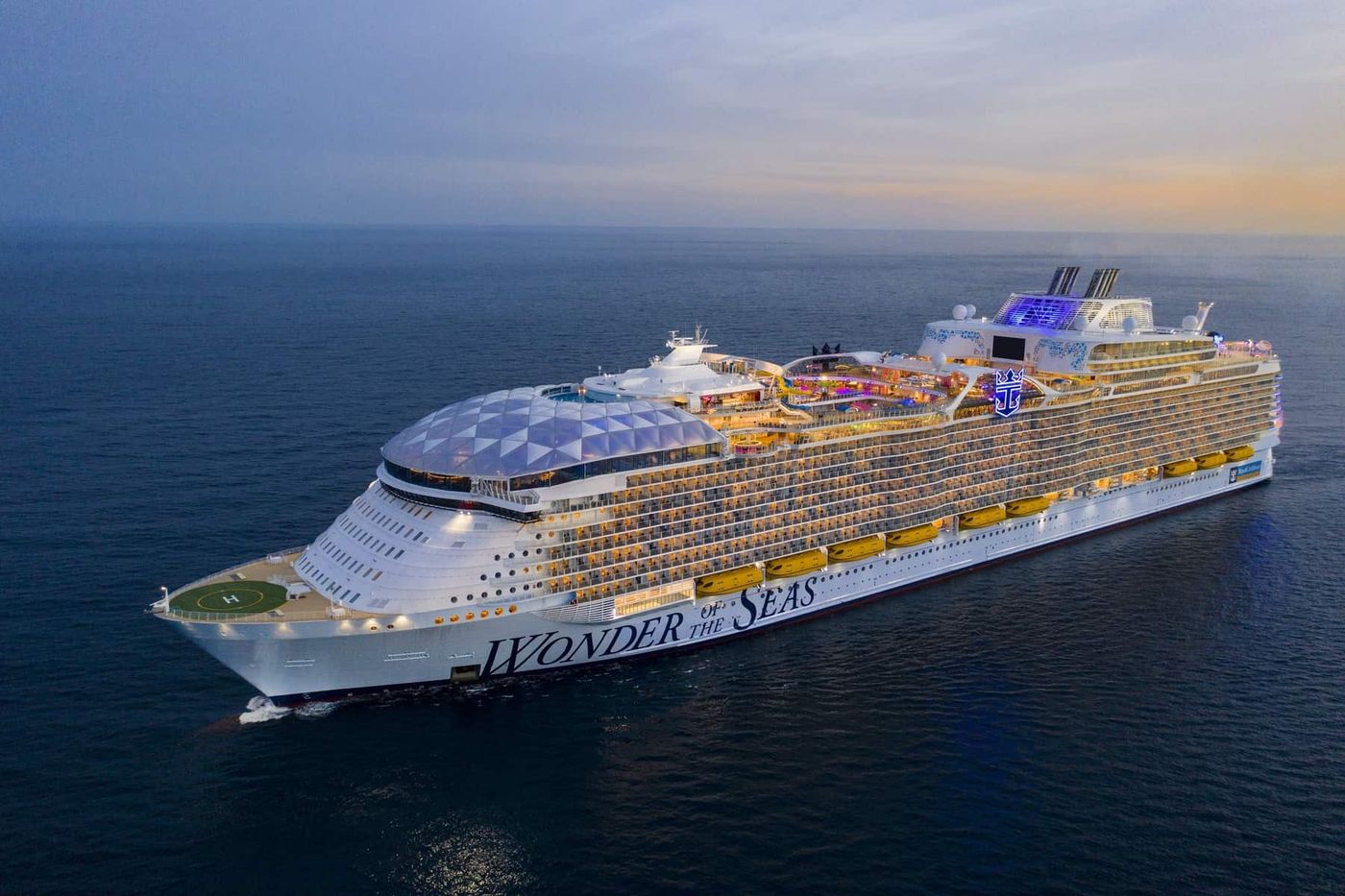
Royal Caribbean Group operates as a global cruise company, providing vacation experiences through its three primary brands. The Royal Caribbean International brand is known for its large, innovative ships featuring activities like rock climbing and surfing simulators, catering to a broad family and adventure market. Celebrity Cruises offers a more premium experience with a focus on modern luxury, gourmet dining, and destination-rich itineraries. Silversea Cruises represents the ultra-luxury and expedition segment, providing all-inclusive, intimate voyages on smaller ships to remote destinations. The company's operations span worldwide itineraries, including the Caribbean, Europe, Alaska, and Asia. As of the end of 2025, the corporate fleet consisted of 69 ships across these brands. The business model revolves around generating revenue from passenger ticket sales and onboard spending, which includes purchases for beverages, excursions, spa services, and specialty dining.
Corporate History and Key Milestones
Royal Caribbean Cruises Ltd. was founded in 1968, establishing its roots in the modern cruise industry. The company has grown significantly over decades through both organic fleet expansion and strategic acquisitions. Its history is marked by several key corporate actions and brand developments that have shaped its current multi-brand structure. The company's stock has also undergone changes that directly affect share ownership, such as the 2-for-1 split in 1998 which adjusted the share count for all existing investors.
- 1968: Royal Caribbean Cruises Ltd. is founded.
- August 2, 1998: A 2-for-1 stock split is executed, doubling the number of shares outstanding for existing holders.
- Recent Years: The company takes a controlling interest in Silversea Cruises, adding an ultra-luxury and expedition brand to its portfolio.
- December 31, 2025: The company reports operating a total fleet of 69 ships across all its brands.
Royal Caribbean Cruises Ltd. operates as a cruise company worldwide under brands like Royal Caribbean International, Celebrity Cruises, and Silversea Cruises. This multi-brand portfolio allows the company to target a wider range of customers and price points as a fundamental part of its growth strategy. The company executed a 2:1 stock split on August 2, 1998. This corporate action increased the number of shares to improve liquidity but did not change the underlying value of an investor's total holdings.
Stock Listing and Trading Details for Canadians
Royal Caribbean Group stock is listed exclusively on the New York Stock Exchange under the ticker symbol RCL. All trading and pricing is conducted in US dollars. The stock is not listed on the Toronto Stock Exchange, so Canadian investors cannot purchase it directly on a Canadian exchange. To buy RCL shares, Canadians must use a brokerage account that provides access to US markets. Many major Canadian online brokerages, such as Questrade and Wealthsimple, offer this access, allowing clients to hold US-listed securities. Investors can hold RCL stock in various Canadian registered accounts, including Tax-Free Savings Accounts and Registered Retirement Savings Plans. The stock's trading volume averages 1.69 million shares per day, providing ample liquidity for most investors.

Dividend History and Shareholder Returns
Royal Caribbean Group has a history of paying dividends to its shareholders, though the amount and yield can fluctuate with company performance. Over the twelve months prior to October 2026, the company paid approximately $5.00 per share in dividends. Analysts estimated a forward annual dividend yield of 2.13% based on recent payout levels. The company's dividend payout ratio, which is the proportion of net profits paid out as dividends, was around 34%. The most recent dividend payment noted was made on October 8, 2026, to shareholders of record before the ex-dividend date of September 17, 2026. Dividend payments are one component of total shareholder return, with the other being potential capital appreciation of the stock price. The company's financial metrics provide context for its valuation and profitability. The trailing price-to-earnings ratio was approximately 18 times earnings, which is relatively low compared to broader market indices like the NASDAQ 100 at the end of 2019.
Key Financial and Volatility Metrics
Understanding the financial health and risk profile of Royal Caribbean is important for potential investors. The company's market capitalization, a measure of its total market value, was $77.15 billion. The stock has demonstrated significant price volatility over time, which is quantified by its beta of 1.82. This higher volatility suggests the potential for larger price swings, both upward and downward, compared to the market average. The stock's 52-week trading range has been between $222.22 and $356.39, illustrating the substantial movement possible within a single year. The average daily trading volume was reported at 1.69 million shares, indicating a high level of liquidity for investors looking to buy or sell. The stock's price has seen strong gains over several years, leading investors to assess whether the underlying cash flow supports its valuation.
Primary Risks and Considerations for Investors
Investing in Royal Caribbean Group carries specific risks inherent to the cruise and travel industry. The business is highly sensitive to global economic conditions, as consumer discretionary spending on vacations often declines during economic downturns. Operational costs are significantly influenced by fuel prices, which are volatile and can directly impact profitability, as noted in analyst commentary regarding quarterly guidance. The industry faces stringent environmental and safety regulations across multiple jurisdictions, and changes in these regulations can lead to increased capital expenditures. Geopolitical events, health crises, and adverse weather can disrupt itineraries and consumer demand, leading to voyage cancellations and lower bookings. The company also carries substantial debt used to finance its fleet, making it sensitive to changes in interest rates. For Canadian investors, currency risk is an additional factor, as share price movements in US dollars will translate to Canadian dollars at fluctuating exchange rates.
- Economic Sensitivity: Reliance on consumer discretionary spending makes it vulnerable to recessions.
- Fuel Cost Volatility: Fuel is a major operational expense with unpredictable prices.
- Operational Disruptions: Itineraries can be cancelled or altered by health issues, weather, or geopolitical conflict.
- Regulatory Environment: Must comply with complex international safety and environmental rules.
- High Financial Leverage: Significant debt levels increase sensitivity to interest rate changes.
- Market Volatility: The stock's beta of 1.82 indicates it is more volatile than the broader market.
- Currency Risk (for Canadians): Investment returns are affected by USD/CAD exchange rate movements.
Analyst Coverage and Market Performance Context
Royal Caribbean stock is actively covered by financial analysts who provide estimates and projections on company performance. These analyses often focus on quarterly earnings, revenue guidance, and factors like fuel costs which impact profitability. For instance, one analyst firm expected the company to modestly beat its third-quarter guidance despite slightly higher than expected fuel costs, projecting an 11% increase in a key metric. The company has reported earnings that exceeded market expectations, such as posting $4.21 per share against expectations of $3.97. Analyst views contribute to the market's perception of the stock's value and future prospects. The stock's performance is also frequently discussed in relation to its industry peers, with cruise stocks often moving as a group based on sector-wide news about travel demand or economic outlook. The company has also outlined an expanded Europe program for 2028 to 2029, indicating long-term planning for growth in key markets.
Step-by-Step Guide for Canadian Investors
For Canadian residents interested in purchasing shares, the process involves specific steps because the stock is listed in the United States. Royal Caribbean Cruises stock is listed on the NYSE under the symbol RCL and is not listed on the TSX. To establish a position, you must open an account with a Canadian brokerage that provides access to the NYSE, such as Questrade or Wealthsimple. It is important to remember that any technical analysis or buy/sell signals provided by platforms are not a guarantee of success and do not constitute investment advice.
- Open a Brokerage Account: Choose a Canadian online brokerage that offers access to US stock exchanges like the NYSE. Examples include Questrade and Wealthsimple.
- Fund Your Account: Transfer Canadian dollars into your new brokerage account. You may need to convert these funds to US dollars to purchase the stock, depending on your broker's features.
- Place a Trade: Using the trading platform, search for the stock using its ticker symbol ". RCL". And specify the number of shares you wish to buy and the order type (e.g., market or limit order).
- Choose an Account Type: Decide whether to hold the shares in a non-registered account, a Tax-Free Savings Account (TFSA), or a Registered Retirement Savings Plan (RRSP), understanding the tax implications for dividends in each.
- Monitor Your Investment: Keep track of company news, earnings reports, and dividend payments through your brokerage portal and financial news sources.
It is important to review any foreign exchange fees, trading commissions, and account management fees charged by your chosen brokerage, as these will affect your net investment return. Comparison sites can help evaluate special offers, low fees, and a wide range of investment options among popular trading platforms in Canada. These platforms offer various services for trading US-listed stocks like Royal Caribbean. Careful evaluation of these costs and features is a key step for investors.
Frequently asked questions
What brands does Royal Caribbean Group own?
The company operates three main cruise brands. Royal Caribbean International is its largest mass-market brand. Celebrity Cruises operates in the premium segment, and Silversea Cruises is an ultra-luxury and expedition brand. As of late 2025, the combined fleet across these brands totaled 69 ships.
What is the RCL stock ticker and where does it trade?
Royal Caribbean Group trades under the ticker symbol RCL on the New York Stock Exchange (NYSE). All prices are listed in US dollars. The stock is not listed on the Toronto Stock Exchange (TSX), meaning it is not directly available on Canadian exchanges. Therefore, Canadian investors who wish to purchase shares must do so through a brokerage account that provides access to US markets, such as the NYSE.
Does Royal Caribbean pay a dividend?
Yes, Royal Caribbean Group has historically paid dividends to shareholders. Over the last twelve months prior to October 2026, the company paid approximately $5.00 per share in dividends. Analysts estimate a forward annual dividend yield of 2.13% based on the current stock value. The company's dividend payout ratio, which is the proportion of net profits paid out as dividends, has recently been around 34%. The most recent dividend was paid on October 8, 2026, to shareholders who owned the stock before the ex-dividend date of September 17, 2026.
What are the main risks of investing in Royal Caribbean stock?
Investing in Royal Caribbean stock carries several inherent risks. The company's performance is highly sensitive to economic cycles that affect discretionary travel spending. Operational costs are impacted by volatile fuel prices. The cruise industry is also vulnerable to disruptions from geopolitical events or public health crises. Furthermore, the company carries a significant amount of corporate debt. The stock itself has demonstrated higher volatility than the broader market, with a beta measurement of 1.82 compared to the market average of 1, indicating greater price swings and associated investment risk.
How can I buy RCL stock from Canada?
To purchase Royal Caribbean Group (RCL) stock from Canada, you must first open a trading account with a Canadian brokerage that offers access to the New York Stock Exchange. Many popular online brokerage platforms available to Canadian investors, such as Questrade and Wealthsimple, provide this service. These platforms allow you to trade US listed stocks like RCL directly. You will need to fund your account and place an order for RCL shares, remembering that all transactions will be conducted in US dollars.
Sources and further reading
- Royal Caribbean Group: RCL Stock Price Quote & News robinhood.com
- Guide to buying Royal Caribbean Cruises stock in Canada finder.com
This article explains how things work and is not financial, tax or legal advice. Rules, limits and rates change, so check the current figures with the Canada Revenue Agency, your province or your financial institution before you act.