Li Auto Inc is a prominent Chinese manufacturer of premium smart electric vehicles, trading on the Nasdaq under the ticker LI. The company, founded in 2015 and headquartered in Beijing, designs, develops, manufactures, and sells a range of family-oriented SUVs and multi-purpose vehicles. For Canadian investors, LI represents a direct investment in China's rapidly evolving electric vehicle sector, accessible through its American Depositary Receipts (ADRs). Understanding the company's business model, financial performance, and the specific mechanics of holding its US-listed shares is crucial for those considering exposure to this market.
Company Overview and Business Model
Li Auto Inc operates exclusively within the People's Republic of China's energy vehicle market. The company's core business is the design, development, manufacture, and sale of what it classifies as premium smart electric vehicles. Unlike some pure battery electric vehicle makers, Li Auto has historically focused on a proprietary range extension system, which combines a battery pack with an onboard gasoline-powered generator to address range anxiety, a significant concern in the Chinese market. Its product portfolio is centered around the family vehicle segment, comprising multi-purpose vehicles (MPVs) and sport utility vehicles (SUVs). The company manages the entire value chain from technology development and manufacturing to sales and after-sales services, utilizing both online and offline channels to reach consumers. In addition to vehicle sales, the company offers sales and after sales management, technology development, corporate management services, and manufacturing equipment support.
Corporate History and Evolution
Li Auto was founded by Xiang Li in April 2015 under the original name Leading Ideal Inc. The company underwent a name change to its current title, Li Auto Inc, in July 2020. This period from founding to rebranding encompassed its initial research, development, and the launch of its first vehicle. The company's growth has been tied to the Chinese government's strong push for new energy vehicles and the rising consumer demand for smart, connected, and family-friendly transportation options. Its strategy has involved launching vehicles in a sequential manner, starting with its first model and expanding into a fuller lineup of SUVs and an MPV, each integrating more advanced proprietary technology with each generation. The company's development timeline includes several key corporate and product milestones.
- April 2015: Company founded by Xiang Li as Leading Ideal Inc.
- July 2020: Company changed its name to Li Auto Inc.
- 2015 to 2020: Period of initial technology development and first vehicle launch.
- Post-2020: Expansion of product lineup to include the Li L and Li MEGA series vehicles.
Li Auto Inc was founded in 2015 and has evolved from a startup to a publicly traded automaker. This reflects the rapid pace of change in China's electric vehicle industry. The company's market capitalization is between 10 billion and 200 billion US dollars. This places it in the large capitalization category and indicates significant growth since its founding less than a decade ago.
Product Lineup and Technological Focus
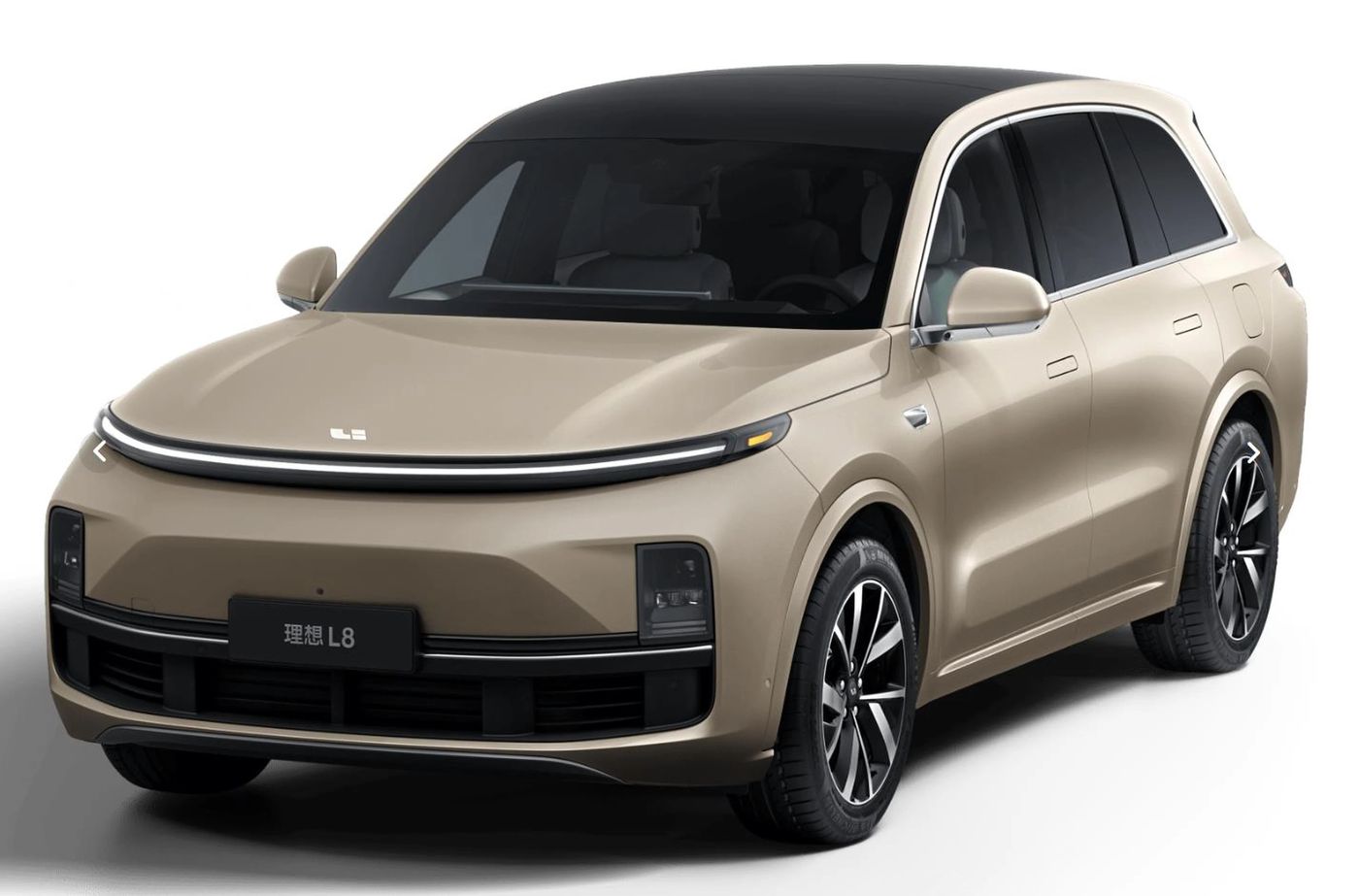
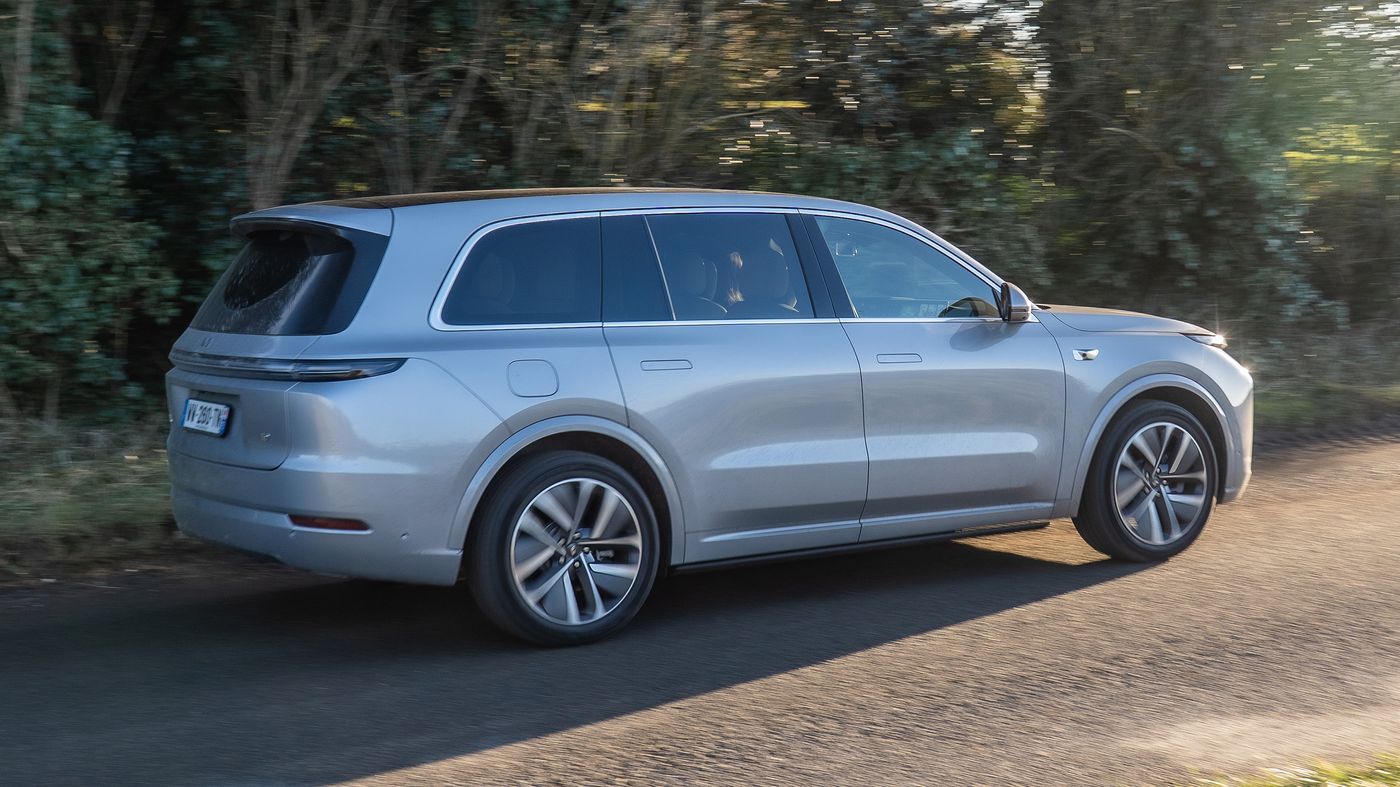
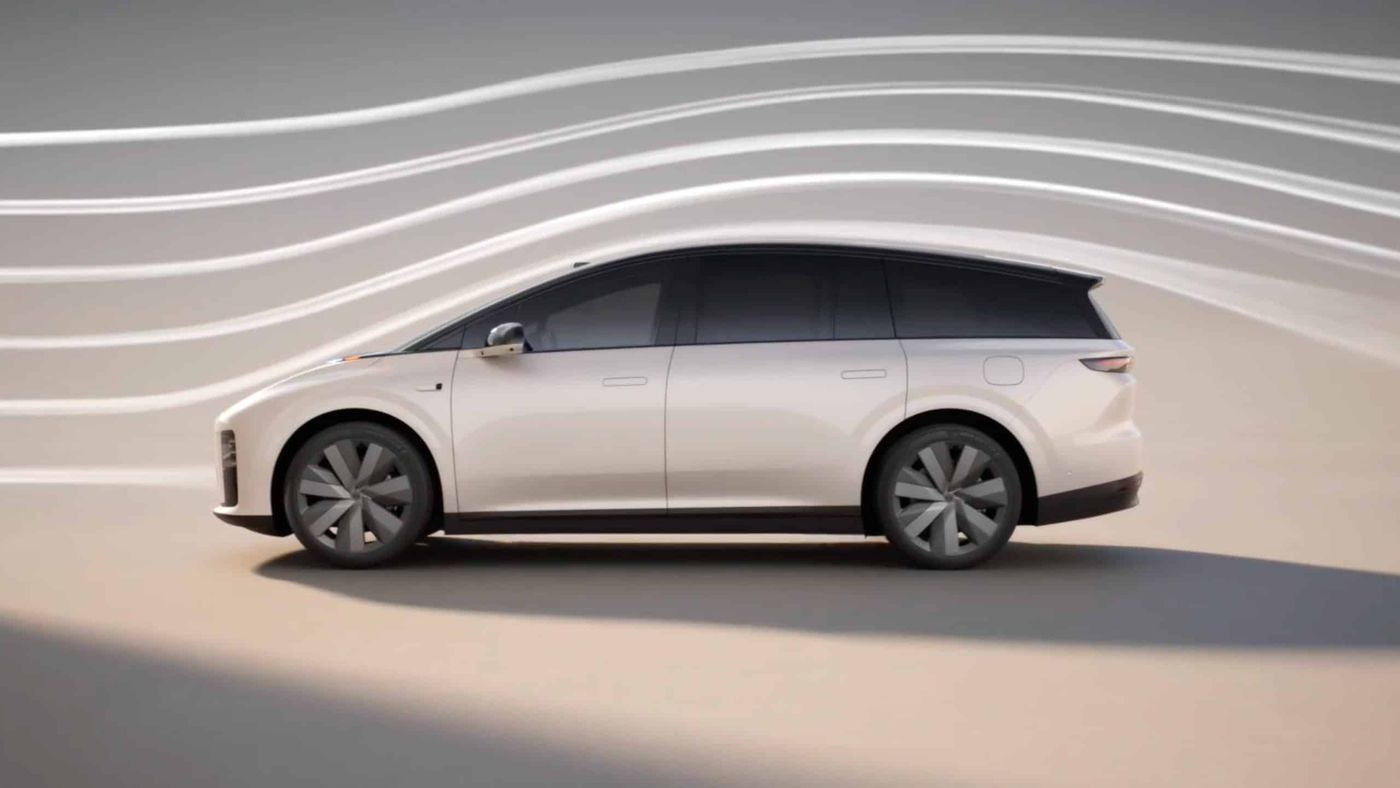
Li Auto's vehicle lineup is branded under the "Li" family and is specifically tailored for the premium family market. The flagship model is the Li MEGA, described as a high-tech flagship family MPV. The SUV range includes the Li L9, a six-seat flagship family SUV, the Li L8, a six-seat premium family SUV, and the Li L7, a five-seat flagship family SUV. A key differentiator for the company has been its in-house development of its proprietary range extension system, which aims to provide the benefits of electric driving with reduced range limitations. Beyond this, the company invests in next-generation electric vehicle technology and comprehensive smart vehicle solutions, including advanced driver-assistance systems and in-car entertainment and connectivity features. The company's main in-house development efforts are focused on several core technological areas.
- Proprietary range extension system for electric vehicles.
- Next-generation electric vehicle technology.
- Smart vehicle solutions, including connectivity and automation.
- Manufacturing equipment and processes.
Li Auto Inc engages in the design, development, manufacture, and sale of premium smart electric vehicles. The company pursues in-house development efforts on its proprietary range extension system and next-generation electric vehicle technology. This integrated approach allows Li Auto to control key aspects of its vehicle performance and user experience. The company offers its products through a combination of online and offline channels to maximize market reach across China.
Stock Listing and Trading Details for Canadians
Li Auto Inc is listed on the Nasdaq Global Select Market in the United States under the ticker symbol LI. The securities traded are American Depositary Receipts (ADRs), each representing a certain number of ordinary shares of the Chinese company. This structure allows North American investors to buy and sell the stock in US dollars through standard brokerage accounts without dealing directly with foreign exchanges. For Canadian investors, LI shares can be held in most registered and non-registered investment accounts, including the Tax-Free Savings Account (TFSA) and the Registered Retirement Savings Plan (RRSP), provided the brokerage offers access to US markets. It is important for investors to be aware of currency exchange considerations between the Canadian dollar and the US dollar when trading. The primary considerations for Canadian investors looking to purchase LI stock involve account types and currency.
- The stock trades on the Nasdaq exchange under the ticker LI.
- It is available as American Depositary Receipts (ADRs).
- Shares can be held in a TFSA (Tax-Free Savings Account).
- Shares can be held in an RRSP (Registered Retirement Savings Plan).
- Trading and settlement occur in US dollars.
- Access requires a brokerage account with US market trading capabilities.
Canadian investors can hold Li Auto Inc ADRs in registered plans like TFSAs and RRSPs if their brokerage provides access to US-listed securities. Investors should confirm with their financial institution regarding any specific fees for holding these securities. The stock's performance is often benchmarked against indices like the Hang Seng Index. This provides a regional context for its trailing total returns.
Financial Performance and Market Context
As a publicly traded company, Li Auto's financial results are subject to quarterly and annual reporting. Recent financial metrics have shown volatility, with total revenue reported as having decreased significantly on a year-over-year basis while showing a quarterly increase. Similarly, net income and earnings per share have also shown substantial year-over-year declines alongside quarterly improvements. The company falls into the large capitalization category based on its market valuation, which is between ten billion and two hundred billion US dollars. Its performance is often compared against broader market indices and within its competitive peer group, which consists of other companies in the Consumer Durables sector and the Motor Vehicles industry group. Investors typically monitor these figures alongside vehicle delivery numbers and margin data. The company's recent financial trends highlight the dynamic and competitive nature of its operating environment. Specific reported changes include a year-over-year decrease in total revenue of 22.16 percent and a quarterly increase of 13.6 percent, illustrating the potential for short-term recovery amidst longer-term challenges.
Principal Investment Risks
Investing in Li Auto carries a set of risks common to equity investments and specific to its operational profile. The company operates solely in China, exposing it to geopolitical tensions, regulatory changes within the Chinese automotive and technology sectors, and local economic conditions. As a participant in the capital-intensive and highly competitive electric vehicle industry, it faces constant pressure from both domestic rivals and international giants, requiring continuous heavy investment in research and development. Financial performance has demonstrated sensitivity, with material decreases in key annual metrics like net income and revenue, including an 85.98 percent year-over-year decline in net income. Furthermore, the ADR structure introduces a layer of complexity and is subject to the political and regulatory relationship between China and the United States. Currency fluctuation between the US dollar, Canadian dollar, and Chinese yuan can also affect returns for Canadian investors. The main categories of risk for an investor in Li Auto include several specific factors.
- Geographic concentration risk, as all operations are in China.
- Regulatory risk from Chinese government policies on EVs and technology.
- Intense competition within the Motor Vehicles industry group.
- High capital requirements for research, development, and manufacturing.
- Volatility in financial performance, as seen in year-over-year declines in net income and revenue.
- Risks inherent to the American Depositary Receipt (ADR) structure.
- Foreign exchange risk between USD, CAD, and CNY.
These risks underscore the importance of thorough due diligence for growth-stage automotive investments. The company's financial results serve as a concrete example of the operational and market challenges it faces. For instance, earnings per share decreased 86.07 percent since last year. Furthermore, total revenue decreased 22.16 percent since last year. Net income also decreased 85.98 percent since last year.
Frequently asked questions
What does Li Auto Inc do?
Li Auto Inc designs, develops, manufactures, and sells premium smart electric vehicles in China. Its product lineup includes family-oriented sport utility vehicles like the Li L9, L8, and L7, and a multi-purpose vehicle, the Li MEGA. The company focuses on integrating its proprietary range extension technology and smart vehicle solutions into its cars. It also offers related services including sales management, after-sales support, and technology development.
What is the LI stock ticker?
Li Auto Inc trades on the Nasdaq stock exchange in the United States under the ticker symbol LI. The securities available for trading are American Depositary Receipts (ADRs). These represent ownership in the Chinese company and are traded in US dollars. The stock is often referenced in financial news and data under this ticker for price quotes and historical performance analysis.
Can I hold Li Auto stock in my TFSA or RRSP?
Yes, Canadian investors can typically hold Li Auto Inc ADRs (LI) within a Tax-Free Savings Account (TFSA) or a Registered Retirement Savings Plan (RRSP). This is possible as long as their brokerage provides access to US-listed securities. The investment is held in US dollars, so currency conversion may apply when contributing or withdrawing funds. Investors should check with their specific financial institution for any account restrictions or foreign exchange fees that may apply.
Where is Li Auto headquartered?
Li Auto Inc is headquartered in Beijing, the People's Republic of China. The company was founded there in 2015. All its operations, including design, manufacturing, and sales, are focused within the Chinese market. Its corporate management and technology development services are also based out of its Beijing headquarters.
Who are Li Auto's main competitors?
Li Auto's competitors are included in the Consumer Durables sector and the Motor Vehicles group. This includes other Chinese electric vehicle manufacturers. It also includes traditional and new automakers operating in the premium and electric vehicle segments in China. The competitive landscape is defined by rapid technological innovation and shifting consumer preferences in the new energy vehicle market.
Does Li Auto pay a dividend?
The available information does not indicate that Li Auto Inc currently pays a dividend. As a growth-oriented company in the capital-intensive electric vehicle sector, it typically reinvests its earnings. These earnings are reinvested back into research, development, and expansion activities rather than distributed to shareholders. Investors should not expect dividend income from this stock. They should focus on potential capital appreciation as the primary return driver.
Sources and further reading
- Li Auto Inc. (LI) Stock Price, News, Quote & History ca.finance.yahoo.com
- LI Stock Quote Price and Forecast cnn.com
This article explains how things work and is not financial, tax or legal advice. Rules, limits and rates change, so check the current figures with the Canada Revenue Agency, your province or your financial institution before you act.