JD.com is a major Chinese supply chain-based technology and service provider, operating one of the country's largest online retail platforms. The company's shares trade on the Nasdaq exchange under the ticker JD, making them accessible to global investors, including those in Canada. Understanding JD's business segments, its history, and the specific considerations for holding Chinese equities is important for Canadian portfolios. This reference article details the company's operations, trading information, and key investment factors.
Company Overview and Business Model
JD.com operates as a supply chain-based technology and service provider with a core focus on the Chinese market and a presence in Europe. The company's foundation is its massive online retail platform, but its operations extend far beyond simple e-commerce into integrated logistics and technology services. JD.com's business is organized into three primary segments which encompass its diverse activities. The JD Retail segment is the consumer-facing online marketplace offering a vast array of goods directly to customers. The JD Logistics segment manages the company's extensive warehousing, delivery network, and supply chain solutions for both its own retail business and third-party clients. The New Businesses segment includes emerging ventures such as online healthcare services, industrial products sales, and property development and management.
The product catalogue sold through JD Retail is exceptionally broad, covering nearly every category of consumer goods. This includes major electronics like home appliances, mobile handsets, computers, and office equipment. The company also sells furniture, household goods, apparel, cosmetics, personal care items, and pet products. Further categories include luxury goods, watches, jewelry, automotive accessories, maternal and childcare products, toys, musical instruments, and a full range of food, beverages, and fresh produce. JD.com also provides pharmaceutical products, nutritional supplements, books, e-books, media, and various virtual goods such as travel bookings and prepaid cards.
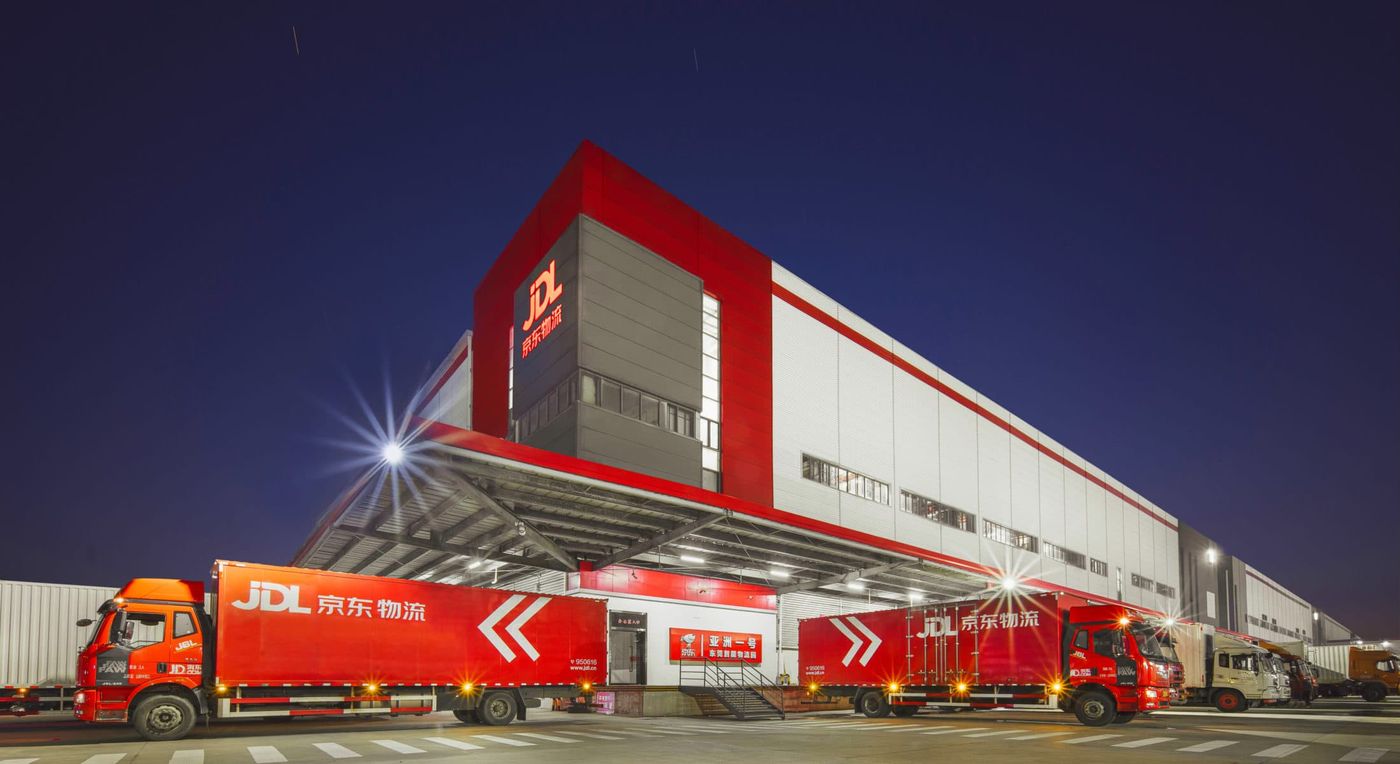
Beyond direct retail, the company generates revenue through services provided to other businesses. It offers online marketplace services for third-party merchants, allowing them to sell on JD's platform, and provides them with marketing services and omni-channel retail solutions. A significant part of JD.com's strategy involves developing, owning, and managing its own logistics infrastructure, including warehouses and fulfilment centres, which it also leases and manages for third parties. This integrated approach, controlling both the retail front-end and the logistical back-end, is a defining characteristic of the company's supply chain technology focus.
Corporate History and Development
JD.com was incorporated in 2006, initially operating under the name 360buy Jingdong Inc. The company began as an online magneto-optical store before rapidly expanding into a full-fledged e-commerce platform for electronics and general merchandise. Its early growth was fueled by a commitment to selling authentic products and building its own logistics network to ensure reliable delivery, which helped it gain consumer trust in a market known for counterfeit goods. This focus on a controlled supply chain became a central part of its business model and differentiated JD.com from many of its competitors at the time. A major event in the company's history came in January 2014 when it changed its name from 360buy Jingdong Inc. to JD.com, Inc. This rebranding coincided with its preparation for a major milestone.
Later that same year, in May 2014, JD.com conducted its initial public offering on the Nasdaq Stock Market in the United States, raising significant capital and increasing its international profile. The proceeds from the IPO were used to further expand its logistics capabilities, technology infrastructure, and market reach. Since going public, JD.com has continued to evolve from a pure online retailer into a more diversified technology and service enterprise. The company has made strategic investments in areas like artificial intelligence, big data, and robotics to automate its warehouses and optimize delivery routes.
JD.com operates through three distinct segments: JD Retail, JD Logistics, and New Businesses. The company has expanded beyond its core online retail operations to capture value across the broader supply chain. Its New Businesses segment includes ventures into adjacent sectors such as online healthcare services and property management. This evolution into a comprehensive commercial ecosystem is a key part of the company's long-term growth strategy for investors. The company provides technology-driven supply chain solutions and logistics services as part of this expansion.
Stock Listings and Trading Information for Canadians
JD.com's primary listing is on the Nasdaq Global Select Market in the United States, where its shares trade under the ticker symbol JD. The security traded is an American Depositary Receipt (ADR), which represents ownership in the underlying foreign shares. For Canadian investors, JD stock is readily accessible through most online brokerage platforms that offer trading on US exchanges. Investors will buy and sell the ADR in US dollars, and all price quotes, including the bid, ask, and daily trading range, are denominated in USD. Canadian investors have several account options for holding JD.com shares.
The stock can be held in a Tax-Free Savings Account (TFSA), a Registered Retirement Savings Plan (RRSP), or a non-registered margin account. Holding US-listed securities in these accounts involves a currency conversion from Canadian dollars to US dollars at the time of purchase, and investors should be aware of their broker's foreign exchange fees. There is no direct listing of JD.com on the Toronto Stock Exchange, so the Nasdaq listing is the standard avenue for investment. When trading JD, investors encounter standard US market conventions.
The stock's trading volume, price movements, and market data follow Nasdaq rules and are subject to US market hours and holidays. The bid and ask prices represent the highest price a buyer is willing to pay and the lowest price a seller is willing to accept, respectively, with associated quantities. The day's range shows the highest and lowest prices the stock traded at during the regular session, while the 52-week range provides a longer-term context for the stock's price volatility over the past year. These metrics are part of the standard quote information available for the stock.
Dividend Policy and Shareholder Returns
JD.com has not established a history of paying regular cash dividends to shareholders. The company's capital allocation strategy has historically prioritized reinvesting profits back into the business to fund growth initiatives. These investments are directed towards expanding logistics infrastructure, enhancing technology platforms, developing new business segments, and competing in the dynamic Chinese e-commerce market. This focus on growth over direct income distribution is common among rapidly expanding technology firms. The company's financial returns to shareholders have primarily come through potential capital appreciation of the stock price rather than dividend income.
Any discussion of trailing total returns for JD.com stock, as referenced in performance data, would encompass price changes and may include other distributions if they were to occur, but not a consistent dividend stream. Investors considering JD.com for a portfolio should therefore view it as a growth-oriented equity holding rather than an income-producing asset. For Canadian investors holding the stock in registered accounts, the lack of dividends simplifies tax considerations within a TFSA or RRSP, as there is no recurring dividend income to report or tax. The investment thesis rests on the company's ability to execute its business plan and grow its earnings and market value over time.
JD.com does not have a history of paying regular cash dividends to its shareholders. Any future change to this dividend policy would need to be formally announced by the company's board of directors. Such an announcement would represent a significant shift in the company's financial strategy. Until that occurs, shareholders should not expect to receive dividend payments from their investment. This approach aligns with the company's focus on reinvesting earnings into long-term market expansion and technological advancement.
Key Investment Considerations and Risks
Investing in JD.com involves a distinct set of opportunities and risks that Canadian investors should carefully evaluate. The company's primary strength is its position as a leader in China's vast e-commerce sector, supported by its owned-and-operated logistics network that provides speed and reliability. Its expansion into logistics services for third parties and new business areas like healthcare represents significant potential growth avenues beyond core retail. However, the investment carries substantial risks inherent to its operating environment and business model. The company faces intense competition within China from other e-commerce giants like Alibaba and Pinduoduo, as well as from smaller niche platforms.
This competition pressures margins and requires continuous heavy investment in marketing, technology, and customer incentives. JD.com's performance is also closely tied to the overall health of the Chinese consumer economy and domestic consumption trends. Economic slowdowns or changes in consumer confidence in China can directly impact the company's sales growth and profitability. As a China-based company listed abroad, JD.com is subject to geopolitical and regulatory risks. Changes in Chinese government regulations concerning technology, data security, e-commerce, or foreign listing rules could materially affect its operations and valuation.
There is also the risk associated with the ADR structure itself, which is a derivative security holding. Furthermore, currency risk is a factor for Canadian investors, as fluctuations between the US dollar and the Canadian dollar will affect the CAD value of the investment, regardless of the stock's performance in USD. These combined factors mean that an investment in JD.com carries a higher degree of specific risk compared to many domestic Canadian equities. Investors should weigh these risks against the potential for growth in one of the world's largest consumer markets.

Major Business Segments and Operations
JD.com's operations are divided into three reportable segments, each representing a core pillar of its strategy. The JD Retail segment is the largest, encompassing the company's online direct sales platform and marketplace for third-party sellers. This segment generates revenue from product sales and commissions from marketplace merchants. It leverages the company's brand, technology, and customer base to offer a vast selection of goods across dozens of categories, from electronics and groceries to luxury items and pharmaceuticals. The JD Logistics segment provides comprehensive supply chain solutions, including warehousing, transportation, delivery, and after-sales services.
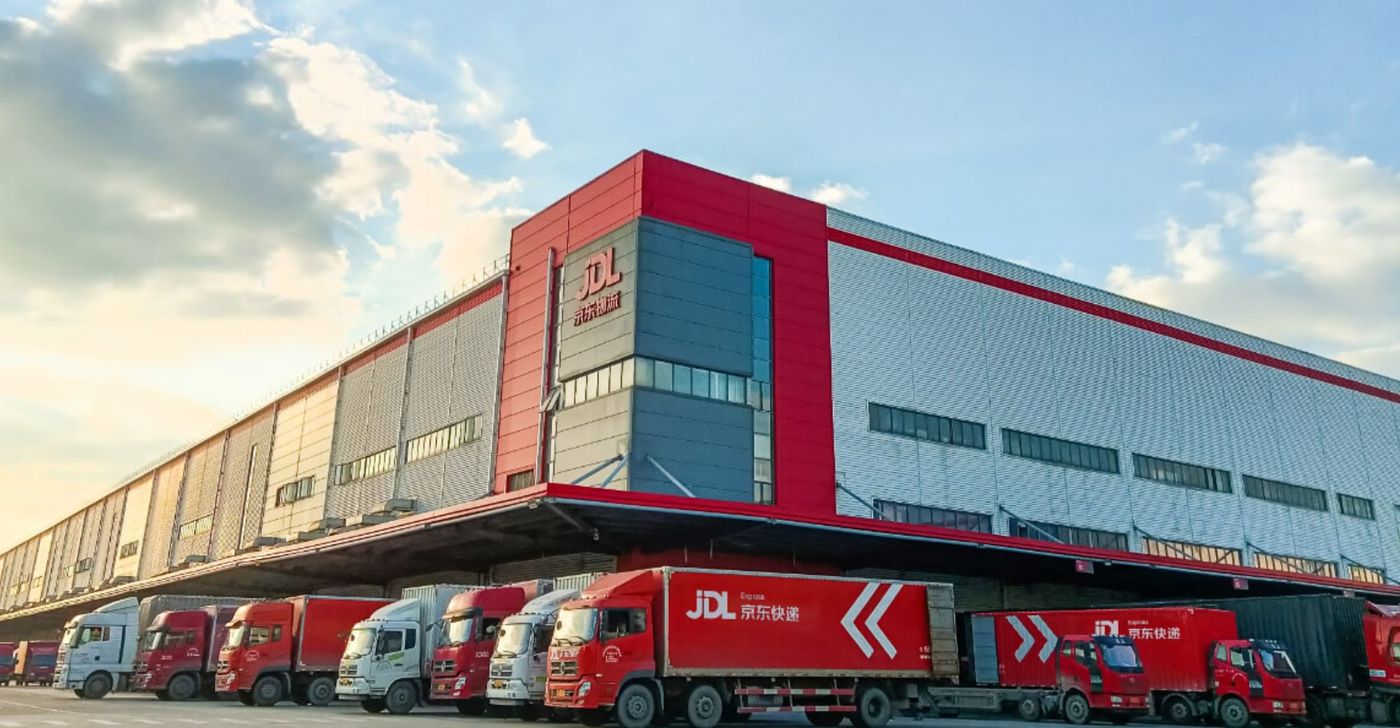
It serves not only JD Retail but also a growing list of external business clients across various industries. This segment operates one of the largest logistics infrastructures in China, featuring highly automated warehouses and a vast network of delivery personnel. By controlling this network, JD aims to ensure fast, reliable shipping and lower overall supply chain costs. The New Businesses segment is a collection of strategic initiatives and early-stage ventures. This includes JD Health, which offers online pharmacy services, medical consultations, and healthcare product sales.
It also includes JD Industrials, a platform for selling industrial equipment and supplies to business customers, and JD Property, which develops and manages logistics real estate and other properties. This segment allows the company to explore adjacencies to its core retail and logistics operations and diversify its revenue sources. The integration of these three segments is designed to create a powerful commercial ecosystem. Each segment supports and enhances the others, contributing to the company's overall value proposition.
- JD Retail: Online direct sales and marketplace for consumer goods.
- JD Logistics: Integrated supply chain and logistics services.
- New Businesses: Includes JD Health, JD Industrials, and JD Property.
Frequently asked questions
What is JD.com and what does the company do?
JD.com, Inc. is a supply chain-based technology and service provider operating primarily in China and Europe. Its core business is JD Retail, a massive online platform selling a vast range of products from electronics and groceries to apparel and pharmaceuticals. The company also operates JD Logistics, providing logistics and supply chain services. Furthermore, its New Businesses segment includes online marketplace services, online healthcare, and property management services.
What stock exchange does JD.com trade on and what is its ticker?
JD.com's shares trade on the Nasdaq Global Select Market in the United States. The company's ticker symbol is JD. The security traded is an American Depositary Receipt (ADR), which represents ownership in the underlying Chinese shares. Canadian investors can buy and sell JD stock through brokerage accounts that offer access to US markets.
Does JD.com pay a dividend to shareholders?
JD.com does not pay a regular cash dividend to its shareholders. The company has typically reinvested its earnings back into the business to fund its growth initiatives. Investors should consider JD.com as a growth stock where potential returns are expected to come primarily from capital appreciation. Any future change in dividend policy would be a significant shift and would be announced by the board of directors.
What are the main risks of investing in JD.com stock?
Investing in JD.com stock carries several risks, including intense competition within the Chinese e-commerce and technology sectors. The company's performance is sensitive to economic conditions and consumer spending in China. Regulatory changes from the Chinese government present another significant risk. For Canadian investors, there are also risks associated with currency fluctuations between the US and Canadian dollars.
When was JD.com founded and when did it go public?
JD.com, Inc. was incorporated in the year 2006. The company was originally known as 360buy Jingdong Inc. before changing its name to JD.com, Inc. in January 2014. It conducted its initial public offering (IPO) on the Nasdaq stock exchange in May of 2014. The company is headquartered in Beijing, the People's Republic of China.
Can I hold JD.com stock in my Canadian TFSA or RRSP?
Yes, Canadian investors can hold JD.com stock in a Tax-Free Savings Account (TFSA) or a Registered Retirement Savings Plan (RRSP). The company's shares are listed on the Nasdaq exchange in the United States as American Depositary Receipts (ADRs) under the ticker symbol JD. These US-listed securities are generally eligible for holding in Canadian registered accounts. Investors should be aware that transactions will be conducted in US dollars, which may involve currency conversion. It is always prudent to confirm specific eligibility with one's financial institution or broker, as they administer the rules for these registered plans.
Sources and further reading
- JD.com, Inc. (JD) Stock Price, News, Quote & History finance.yahoo.com
- JD.com, Inc. (JD) Stock Price, News, Quote & History ca.finance.yahoo.com
- JD.com: JD Stock Price Quote & News robinhood.com
This article explains how things work and is not financial, tax or legal advice. Rules, limits and rates change, so check the current figures with the Canada Revenue Agency, your province or your financial institution before you act.