The iShares Core MSCI All Country World ex Canada Index ETF is a popular Canadian-listed exchange-traded fund designed to provide investors with diversified exposure to global stock markets. Its primary objective is to seek long-term capital growth by replicating the performance of the MSCI ACWI ex Canada IMI Index, which tracks thousands of companies from developed and emerging markets worldwide, excluding Canada. This makes the fund a strategic holding for Canadians looking to diversify their investment portfolios beyond their home market. It trades on the Toronto Stock Exchange under the ticker symbols XAW and HXQ and is known for its broad diversification and relatively low management fee.
Fund Objective and Investment Strategy
The iShares Core MSCI All Country World ex Canada Index ETF seeks to provide long-term capital growth for its investors. Its core mandate is to replicate the performance of the MSCI ACWI ex Canada IMI Index, net of the fund's expenses. The fund does not attempt to outperform the index but rather to match its returns as closely as possible. This passive, or indexing, approach is designed to provide broad market exposure at a low cost. The strategy involves holding a portfolio of securities that collectively mirrors the composition and weightings of the underlying benchmark index. By doing so, the fund's performance is directly tied to the performance of the global equity markets it tracks, excluding Canadian equities. The fund's management uses a sampling or optimization strategy to achieve this replication, which involves holding a representative selection of securities from the index rather than every single constituent.
Understanding the Underlying Index
The MSCI ACWI ex Canada IMI Index is the benchmark that defines the fund's investment universe. ACWI stands for All Country World Index, and IMI stands for Investable Market Index. This index is designed to measure the equity market performance of developed and emerging markets, but it specifically excludes all companies domiciled in Canada. The IMI designation is significant because it includes large, mid, and small-capitalization companies, providing a more comprehensive view of each market than an index that includes only large caps. The index includes thousands of constituents from dozens of countries, offering immense diversification. By excluding Canada, the index allows Canadian investors to build a portfolio that complements their domestic holdings, reducing home-country bias. The construction of the index follows a rules-based methodology that considers factors like market capitalization and liquidity to determine which companies are included and their respective weights.
Portfolio Composition and Geographic Exposure
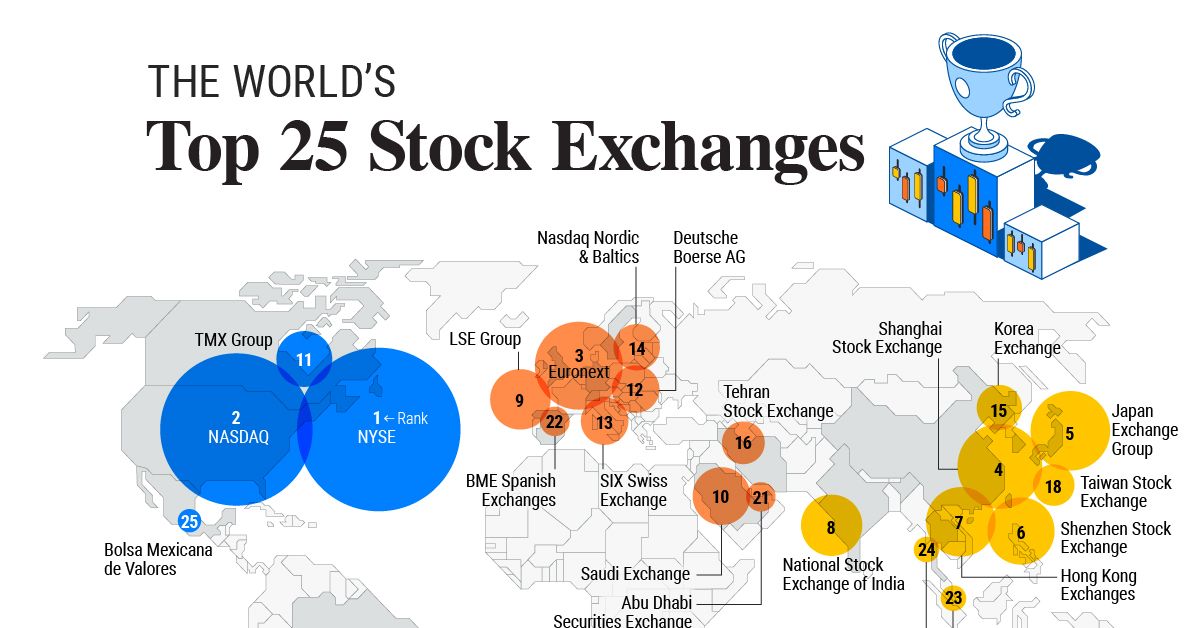
The fund's portfolio is a reflection of the global economic landscape. It provides exposure to equity markets across the world, with significant weightings in the United States, Europe, and Asia. The United States typically represents the largest single-country allocation due to the size of its equity market. Developed markets like Japan, the United Kingdom, France, and Germany also feature prominently. The fund also includes a meaningful allocation to emerging markets, such as China, India, Taiwan, and South Korea. This geographic spread means the fund's performance is influenced by a wide array of economic conditions, corporate earnings, and currency movements. The fund achieves this exposure not by holding every single stock in the index directly, but by holding a small group of underlying iShares ETFs that themselves track the major regional components of the broader index. This fund-of-funds structure is an efficient way to gain access to the entire target market.
The fund's structure as a fund-of-funds means it holds several core iShares ETFs to build its global portfolio. These underlying holdings typically include an ETF tracking U.S. total market equities, an ETF tracking developed markets outside North America (excluding Canada), and an ETF tracking emerging markets equities. This layered approach allows the fund to efficiently manage a portfolio representing thousands of individual securities while maintaining the target geographic and sector weightings as dictated by the index methodology. The use of underlying funds is a common and practical method for achieving the broad replication required for such a vast index.
Trading, Fees, and Account Eligibility
The iShares Core MSCI All Country World ex Canada Index ETF is listed on the Toronto Stock Exchange. It trades under the primary ticker symbol XAW and an alternative ticker HXQ. All trading and distributions are conducted in Canadian dollars, which eliminates the need for investors to manage foreign currency conversions. The fund is eligible for holding in all major Canadian registered accounts, including Tax-Free Savings Accounts (TFSAs), Registered Retirement Savings Plans (RRSPs), Registered Retirement Income Funds (RRIFs), and Registered Education Savings Plans (RESPs). It can also be held in non-registered, or taxable, investment accounts. A key feature of the fund is its low management cost, with a net expense ratio of 0.22 percent. This fee is deducted from the fund's assets and is reflected in its net asset value, making it a cost-effective option for gaining diversified global equity exposure.
Canadian investors can hold this ETF in a variety of registered and non-registered accounts, which provides flexibility for different investment goals. The eligible account types include Tax-Free Savings Accounts (TFSA), Registered Retirement Savings Plans (RRSP), Registered Retirement Income Funds (RRIF), Registered Education Savings Plans (RESP), and non-registered (taxable) investment accounts. Holding the fund in a registered account can provide tax advantages, such as tax-free growth or tax-deferred growth, depending on the account type. The fund's status as a Canadian-listed security traded in Canadian dollars simplifies the process of purchasing and holding it within these accounts, avoiding the complexities of holding U.S.-dollar securities.
Distributions and Tax Considerations
The fund makes quarterly distributions to unitholders. These distributions are generated from the dividends and interest earned on the underlying holdings within the portfolio. The current distribution yield is approximately 1.19 percent. It is important for investors to understand that the characterization of these distributions for tax purposes is finalized only after the fund's tax year-end. Distributions can be comprised of different types of income, such as eligible dividends, foreign income, or capital gains. The fund provides an official tax statement annually through investors' brokerage firms, detailing the exact breakdown of income that must be reported. Some distributions may be paid as additional units of the fund rather than in cash, which are known as reinvested distributions. Investors must add the value of these reinvested distributions to the adjusted cost base of their holdings for capital gains tax calculations when they eventually sell their units.
Understanding the nature of the fund's distributions is crucial for accurate tax reporting. Key tax-related facts about the distributions include that they are characterized into income type at year-end, and the total distribution amount includes all distributions declared year-to-date. Some distributions are paid as additional units (reinvested distributions), not in cash, and these reinvested distributions must be added to the adjusted cost base of the units held. The exact tax treatment is calculated after the fund's tax year-end, and investors receive an official tax statement from their broker detailing the income to report. This process ensures investors have the correct information for filing their annual income taxes and accurately calculating any capital gains or losses upon the sale of their investment.
Key Risks for Investors
Investing in this global equity ETF involves several types of risk that Canadians should consider. Market risk is primary, as the value of the fund will fluctuate with the global stock markets it tracks. Economic downturns, geopolitical events, or financial crises in any major region can negatively impact performance. Currency risk is also present because the fund holds assets denominated in various foreign currencies, and changes in the value of the Canadian dollar relative to those currencies will affect returns. While the fund is diversified across many countries and sectors, this does not eliminate the risk of loss. The fund's structure as a fund-of-funds means it is also subject to the risks of the underlying ETFs it holds. Furthermore, although the fund aims to track its index, tracking error can occur, meaning its performance may not perfectly match the index's returns due to fees, cash drag, or the sampling methodology used.
The fund's broad diversification mitigates some risks but introduces others. The main risks associated with an investment in this ETF include market risk from global equity volatility, currency risk due to foreign currency exposure, and geopolitical and economic risk in developed and emerging markets. Additional risks include tracking error risk, where the fund's return deviates from the index, concentration risk in its largest holdings and regions, and liquidity risk, although this is minimal for a large, widely-traded ETF. Investors should assess their own risk tolerance and investment horizon before investing, as the value of the fund can decline, and past performance is not a guarantee of future results. The fund's objective of long-term capital growth implies that investors should be prepared to hold the investment through periods of market volatility.
Frequently asked questions
What does the iShares Core MSCI All Country World ex Canada Index ETF invest in?
The ETF seeks long term capital growth by replicating the performance of the MSCI ACWI ex Canada IMI Index. This index covers nearly the entire global equity market outside Canada. The fund holds a small group of underlying ETFs to achieve this exposure. Its investment objective is focused on net of expenses performance.
What is the ticker symbol for this ETF on the TSX?
The ETF trades on the Toronto Stock Exchange. Its ticker symbols are XAW and HXQ. The fund is listed in Canadian dollars. Both tickers represent the same iShares Core MSCI All Country World ex Canada Index ETF.
What is the management fee for the XAW ETF?
The fund has a net expense ratio of 0.22 percent. This annual fee is deducted from the fund's assets. It covers the costs of managing the ETF. The expense ratio impacts the fund's net asset value.
Can I hold HXQ in my TFSA or RRSP?
The ETF is a Canadian listed security traded in Canadian dollars. It is eligible for holding in registered accounts like TFSAs and RRSPs. Investors receive an official tax statement from their broker for distributions. This statement details the type of income to report for tax purposes.
How often does the ETF pay distributions?
Distributions are characterized into income type at year end. The total includes all distributions declared year to date. Investors receive an official tax statement from their broker after the fund's tax year end. This statement details the income to report for the entire calendar year.
Why does this ETF exclude Canadian stocks?
The ETF replicates the MSCI ACWI ex Canada IMI Index. This index specifically excludes all companies based in Canada. The fund provides exposure to global equity markets outside Canada. It covers developed and emerging markets around the world but not Canada.
Sources and further reading
- iShares Core MSCI All Country World ex Canada Index ETF rbcgam.com
- XAW, iShares Core MSCI ACty Wld exCan ETF morningstar.com
This article explains how things work and is not financial, tax or legal advice. Rules, limits and rates change, so check the current figures with the Canada Revenue Agency, your province or your financial institution before you act.