The Home Depot, Inc. is the world's largest home improvement retailer, operating a vast network of stores and e-commerce sites across North America. For Canadian investors, the company's stock is accessible through both U.S. and Canadian exchanges, offering options for different investment accounts. The company has a long history of paying dividends, which is a key consideration for income-focused portfolios. Understanding Home Depot's business model, its financial track record, and the ways to invest from Canada is essential for making informed decisions.
What Home Depot Does
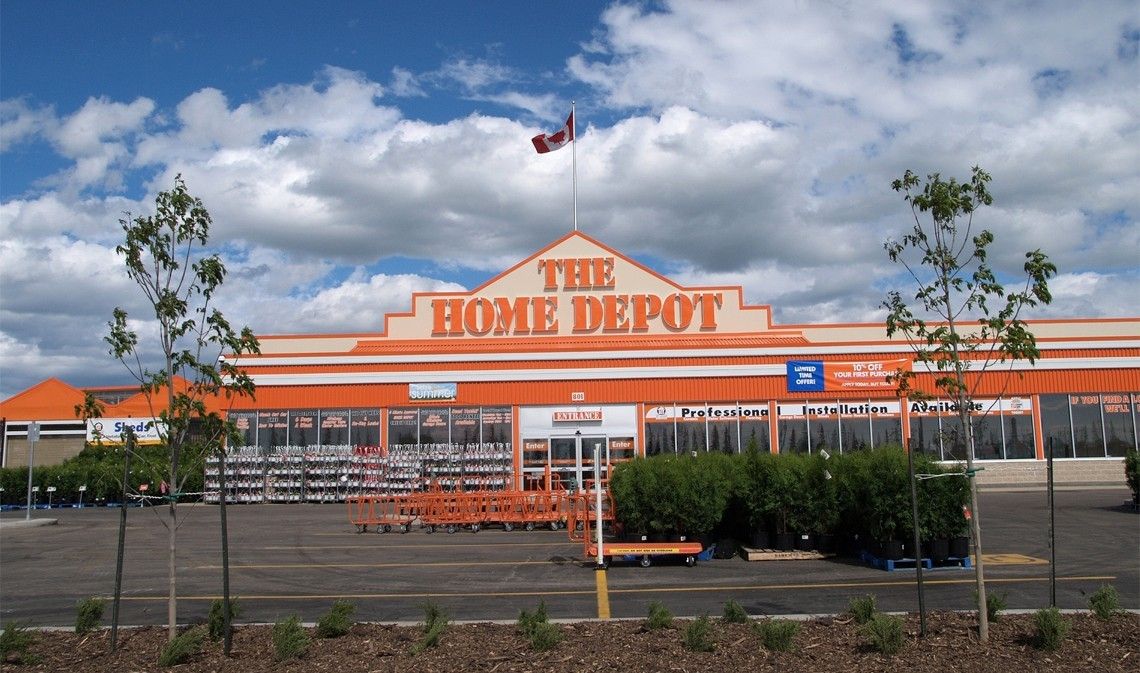
The Home Depot operates as a comprehensive home improvement retailer, selling a wide array of products for construction, maintenance, and decoration. Its inventory includes building materials, lawn and garden supplies, appliances, and home décor items. The company also provides extensive installation services for products like flooring, cabinets, windows, and HVAC systems, catering to customers who prefer a do-it-for-me approach. Furthermore, it runs tool and equipment rental services, supporting both professional contractors and DIY homeowners. The business model serves two main customer groups: do-it-yourself consumers and professional clients such as contractors, builders, and tradespeople. These professional customers include general contractors, homebuilders, maintenance professionals, handymen, property managers, building service contractors, and specialty tradespeople like electricians, landscapers, and plumbers.

Company History and Growth
The Home Depot was founded in 1978 and has grown from a single store to become the dominant player in its industry. Its expansion was fueled by a strategy of opening large warehouse-style stores that offered vast selection and competitive pricing. Over the decades, the company expanded internationally, entering the Canadian and Mexican markets. A significant part of its modern growth strategy involves acquisitions and the development of a robust omnichannel sales platform. The company has acquired several specialized distributors to strengthen its professional supply network, including HD Supply, SRS Distribution, and companies in the landscape and pool supply sectors. This history of strategic expansion has cemented its position as a retail giant with a presence across North America.
Primary Business Segments and Sales Channels
Home Depot's operations are broadly divided between retail consumer sales and professional sales. The consumer segment targets homeowners undertaking DIY projects or hiring for installation services. The professional segment, often called Pro sales, serves contractors, remodelers, and property managers with specialized products and bulk purchasing. Sales are conducted through multiple channels to reach these diverse customers.
- Physical Stores: Thousands of The Home Depot stores across the U.S., Canada, and Mexico.
- E-commerce Platforms: Primary sites include homedepot.com, homedepot.ca, and homedepot.com.mx.
- Specialty Websites: Blinds.com, justblinds.com, and americanblinds.com for custom window coverings. Constructionresourcesusa.com for design surfaces and appliances. Thecompanystore.com for textiles and décor. Hdsupply.com for maintenance and operations products.
- Pro-Focused Distributors: Websites like srsdistribution.com, heritagelandscapesupplygroup.com, heritagepoolsupplygroup.com, and gms.com for roofing, building materials, landscape, and pool products.
The Home Depot operates as a home improvement retailer in the United States and internationally. The company sells its products through websites and its mobile applications, including homedepot.com, homedepot.ca, and homedepot.com.mx. It serves consumers such as do it yourself homeowners and do it for me customers. The company also serves professional renovators, general contractors, homebuilders, and maintenance professionals. This multi channel approach ensures the company captures sales across the entire home improvement ecosystem.

Stock Listings and How Canadians Can Invest
Canadian investors have several avenues to gain exposure to Home Depot stock. The primary listing is on the New York Stock Exchange under the ticker symbol HD, traded in U.S. dollars. This share can be held in a Canadian brokerage account, including registered accounts like the RRSP and TFSA, though currency exchange will apply. For investors seeking to mitigate direct U.S. dollar exposure, the Toronto Stock Exchange offers a Canadian Depositary Receipt version. This is tickered as HD.TO and is a CAD-hedged instrument designed to track the U.S. stock price while neutralizing currency fluctuations. Another listed instrument is HD.NE, which also appears to be a Canadian-listed security. Investors should consult their brokerage for the specific details and availability of these instruments within their accounts. The CAD-hedged CDR structure is designed so that, for example, if the U.S. stock is purchased at an effective exchange rate of $1.30 CAD per USD, the CDR price reflects that hedged cost basis.
Dividend Record and Financial Metrics
Home Depot has established a reputation as a reliable dividend-paying company, which is a significant factor for many long-term investors. The company's dividend payments are declared in U.S. dollars, so Canadian holders of the U.S.-listed shares will receive distributions in USD, which are then converted to CAD at the prevailing exchange rate. Holders of the CAD-hedged CDR (HD.TO) would receive distributions that reflect the hedged currency arrangement. The stock's performance is often compared against broader market indices like the S&P 500 for context on its total returns, which include price appreciation and dividends. Trailing total returns are calculated to include all dividends or other distributions paid to shareholders, providing a complete picture of historical investment performance.
Trading Details and Market Information
The Home Depot stock is actively traded with significant daily volume, providing liquidity for investors. The U.S.-listed HD shares typically see millions of shares traded per day, while the Canadian-listed HD.TO and HD.NE instruments have lower volumes reflective of their niche. The stock's price fluctuates within a daily range and a wider 52-week range, which investors monitor for context. These ranges are published by financial data providers and are based on the high, low, and last price over the given period. The stock is classified within the Consumer Discretionary sector, meaning its performance is tied to economic cycles and consumer spending habits. Investors can access real-time price updates and news through various financial portals that track the NYSE and TSX listings, which provide data on the open price, previous close, and intraday price movements.
Principal Risks for Investors
Investing in Home Depot stock carries several inherent risks tied to the economy, competition, and its business model. The company's performance is highly cyclical and sensitive to the health of the housing market, interest rates, and overall consumer spending. A downturn in home sales or renovation activity can directly reduce sales. Intense competition exists from other large retailers, local hardware stores, and online marketplaces, which can pressure prices and market share. Operational risks include supply chain disruptions, which can affect inventory levels and costs. Furthermore, as a retailer with a large physical footprint, the company faces risks related to real estate costs and the ongoing need to invest in its store network and digital platforms to stay competitive. Success depends on effectively serving both the price-sensitive DIY customer and the service-oriented professional contractor, and any failure to execute in either segment could impact financial results.
Customer and Investor Support Resources
The Home Depot provides specific contact points for its investor relations and customer service departments. Shareholders and potential investors can contact the company's investor relations customer service at a toll-free number for general inquiries. The company also lists a support centre phone number for additional assistance. These resources are available for questions regarding stock transfers, dividend payments, annual reports, and other corporate matters. For Canadian investors, particularly those holding the CDR, it may be necessary to contact the CDR depositary or their own brokerage for security-specific questions, as the underlying company is based in the United States. The company's investor relations website also provides stock quotes, charts, and relevant financial news for shareholders to stay informed.
Frequently asked questions
What is Home Depot's stock symbol in Canada?
In Canada, Home Depot trades on the Toronto Stock Exchange under the ticker HD.TO. This is a Canadian Depositary Receipt that is CAD hedged, meaning it is designed to track the U.S. stock price while reducing the impact of currency exchange rate fluctuations. Another symbol, HD.NE, is also listed in Canada and represents a separate Canadian listed security for the company. The Home Depot CDR allows Canadian investors to purchase the U.S. stock with a hedge against currency risk.
Can I hold Home Depot stock in my TFSA or RRSP?
Yes, you can hold Home Depot stock in both Tax-Free Savings Accounts (TFSAs) and Registered Retirement Savings Plans (RRSPs). You can hold the U.S.-listed shares (HD) directly, though transactions will involve currency exchange. The Canadian-listed CDR (HD.TO) is also eligible for holding in these registered accounts, offering a currency-hedged alternative. Always confirm with your brokerage for specific account eligibility and any associated fees for holding foreign securities.
Does Home Depot pay a dividend?
Yes, The Home Depot pays a dividend to its shareholders. The dividends are declared in U.S. dollars. Canadian investors holding the U.S. shares will receive USD dividends, which are converted to CAD based on the exchange rate at the time. Investors holding the CAD-hedged CDR (HD.TO) receive a distribution that accounts for the hedging mechanism. The company's dividend record is a key part of its total return profile and is included in trailing total return calculations.
What is the difference between HD and HD.TO?
HD is the primary listing of The Home Depot on the New York Stock Exchange, traded in U.S. dollars. HD.TO is a Canadian Depositary Receipt listed on the Toronto Stock Exchange. The HD.TO security is CAD-hedged, meaning it is designed to reflect the performance of the U.S. stock while mitigating the direct impact of changes in the USD/CAD exchange rate for Canadian investors. The hedging mechanism aims to provide exposure to the stock's performance, not the currency movement, and its price is influenced by the hedged exchange rate.
What are Home Depot's main business areas?
Home Depot's main business is operating as a home improvement retailer. It sells building materials, appliances, lawn and garden products, and décor. It also provides installation services for items like flooring, cabinets, water heaters, and HVAC systems, and offers tool rental. The company serves both do-it-yourself homeowners and professional customers like contractors, builders, and tradespeople through its vast network of stores and numerous specialized websites, including platforms for blinds, textiles, and professional supply distribution.
What are the risks of investing in Home Depot stock?
Key risks include economic sensitivity, as sales depend on a strong housing market and consumer confidence. The company faces stiff competition from other retailers and online sellers. Operational risks involve supply chain management and the costs of maintaining a large network of physical stores. Performance can also be affected by fluctuations in interest rates, which influence home buying and renovation spending. The stock's price can experience significant volatility within its 52-week trading range, and its P/E ratio reflects market expectations that can change with economic conditions.
Sources and further reading
- The Home Depot, Inc. (HD) Stock Price, News, Quote & ... ca.finance.yahoo.com
This article explains how things work and is not financial, tax or legal advice. Rules, limits and rates change, so check the current figures with the Canada Revenue Agency, your province or your financial institution before you act.