General Motors Company (GM) is a global automotive manufacturer with a significant presence in Canada through its subsidiary General Motors Canada. The company designs, builds, and sells vehicles under well-known brands including Chevrolet, Buick, GMC, and Cadillac. For Canadian investors, GM stock represents an opportunity to gain exposure to the traditional and electric vehicle manufacturing sectors. The stock trades primarily on the New York Stock Exchange and is a component of major market indices.
Company Operations and Business Segments
General Motors Company operates as a global designer, builder, and seller of trucks, crossovers, cars, and automobile parts. The company structures its operations into three primary segments. The GM North America segment handles the company's core automotive business in the United States, Canada, and Mexico. The GM International segment manages operations in all other global markets outside of North America. The GM Financial segment provides automotive financing solutions and software-enabled services and subscriptions. GM markets its vehicles primarily under the Buick, Cadillac, Chevrolet, GMC, Baojun, and Wuling brand names. The company sells its products through a network of retail dealers and distributors, and also to fleet customers including rental car companies, commercial fleets, leasing companies, and governments. After-sale services such as maintenance, light and collision repairs, and extended warranties are provided through its dealer network.
Historical Background and Corporate Evolution
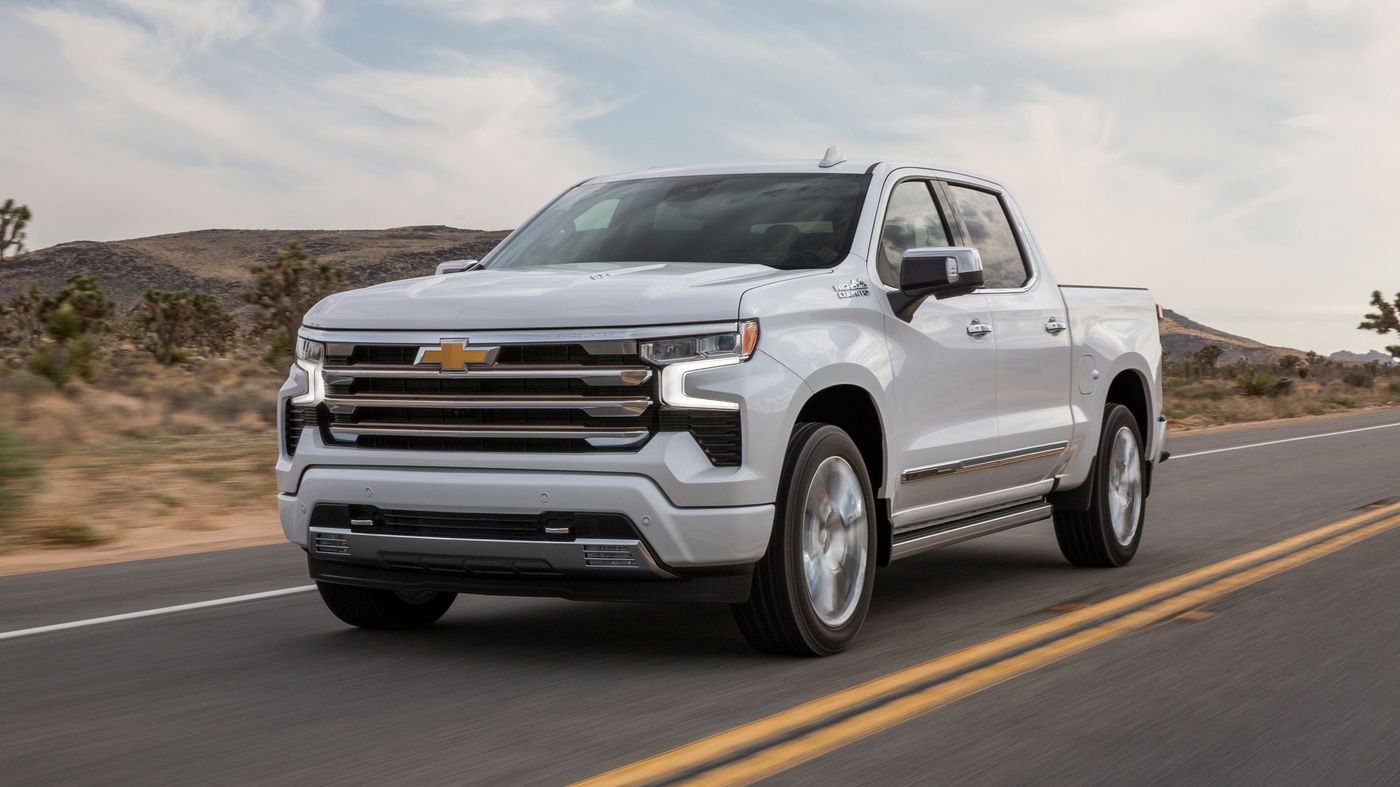
General Motors was founded in 1908 and is headquartered in Detroit, Michigan. The company has played a central role in the development of the global automotive industry for over a century. Its long history includes periods of significant growth, innovation, and restructuring. In Canada, the company's operations are conducted through General Motors Canada, which markets the Buick, Cadillac, GMC, and Chevrolet brands. The Canadian subsidiary reflects the parent company's dedication to community involvement and sustainability initiatives. The company's evolution has seen it manage various economic cycles and technological shifts, maintaining its position as one of the world's largest vehicle manufacturers.
Product Portfolio and Technological Focus
General Motors offers a diverse range of vehicles from performance cars to work trucks and daily drivers. The company is actively pushing into the electric vehicle market with a strategy to make electric driving more accessible. A key product example is the all-electric Equinox EV, which is positioned as an affordable electric SUV balancing technology, design, and performance. GM is also developing advanced driver-assistance systems, such as Super Cruise. This system combines precision LiDAR map data, real-time cameras, radars, and GPS to create a sensory field that assists in keeping the vehicle centered in its lane. The company's portfolio is designed to cater to both consumer and commercial markets across its various brand names.
Stock Listings and Trading Information for Canadians
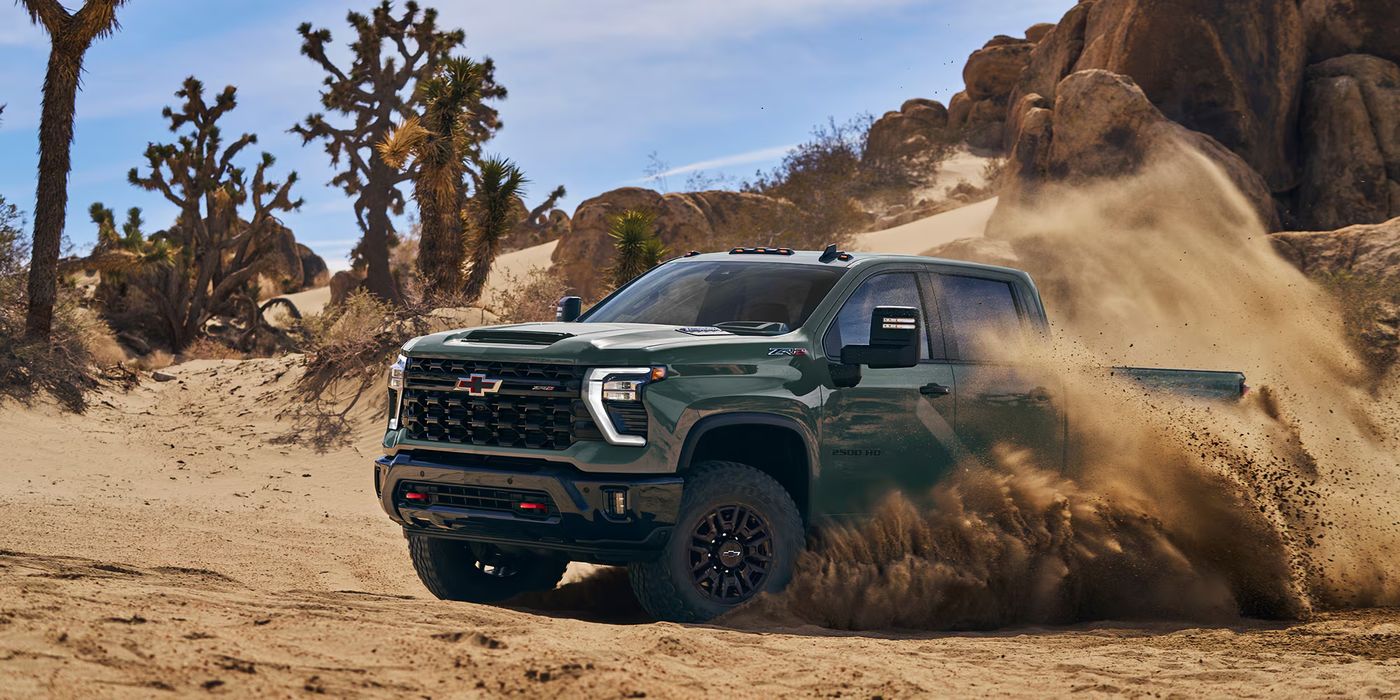
General Motors stock trades on the New York Stock Exchange under the ticker symbol GM. For Canadian investors, the stock is also inter-listed and can be traded on the Toronto Stock Exchange under the ticker symbol GM-N. This provides Canadian investors with direct access to the shares in Canadian dollars, simplifying currency conversion. The stock is a constituent of major indices like the S&P 500, which serves as a common benchmark for its performance. Trading data shows the stock has experienced a 52-week price range between $62.36 and $91.85. The trailing price-to-earnings ratio was reported as 38.39 as of recent data.
Dividend History and Financial Performance
General Motors has established a record of returning capital to shareholders through dividends. The company's most recent ex-dividend date was September 4, 2026, which is the date on which new buyers of the stock would not be entitled to the declared dividend. The company's financial performance is closely watched by analysts and investors. For the third quarter of 2026, General Motors reported earnings per share of $3.70, which exceeded analyst estimates of $3.61. This result represented an increase from the earnings per share of $2.80 reported in the same quarter of the prior year. The next earnings report was scheduled for release on January 26, 2027, with a consensus earnings per share estimate of $2.56 at that time.
How Canadian Investors Can Hold GM Shares
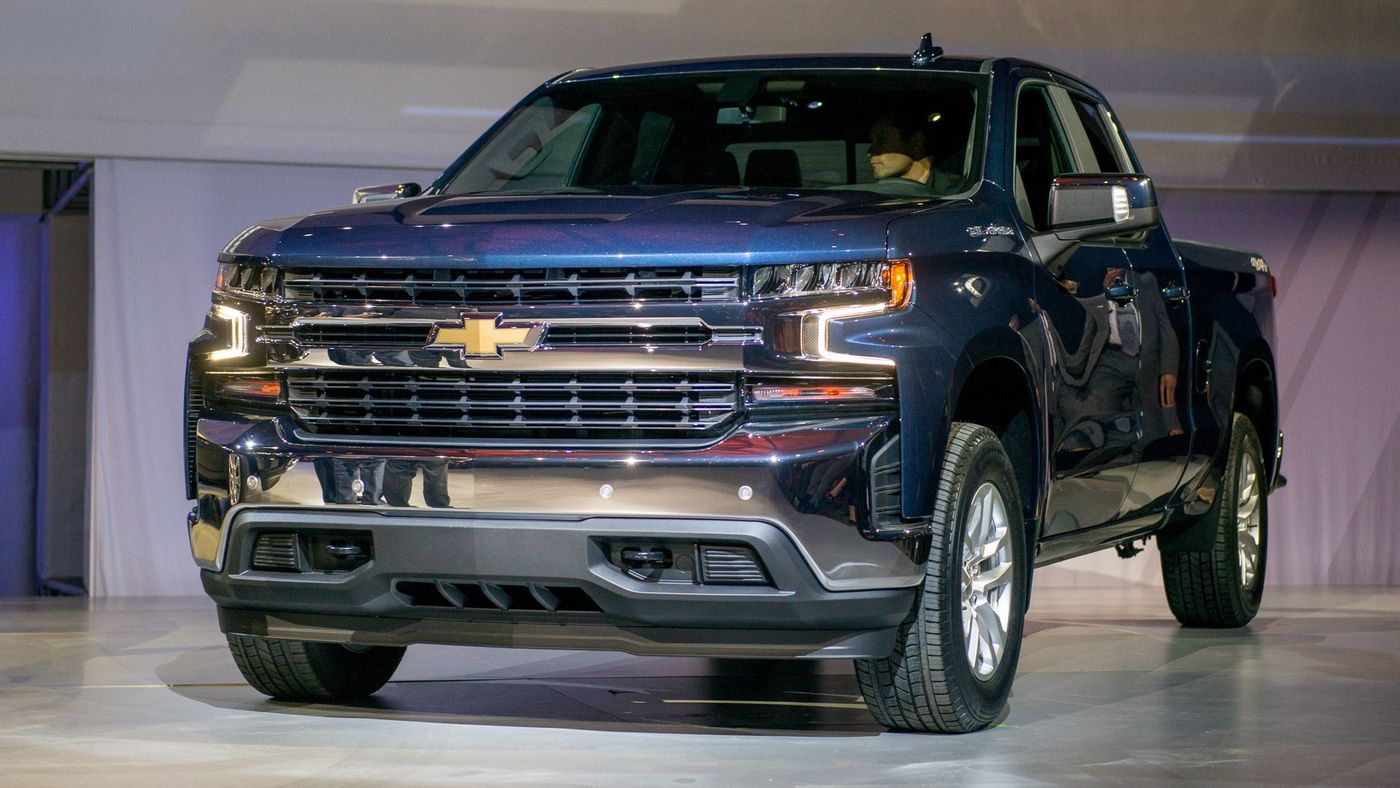
Canadian investors have several options for holding General Motors stock within their registered and non-registered investment accounts. The shares can be held in both Tax-Free Savings Accounts (TFSAs) and Registered Retirement Savings Plans (RRSPs). Investors can purchase the US-listed GM shares on the NYSE through a brokerage that offers US dollar accounts, which may involve currency exchange. Alternatively, they can purchase the Canadian inter-listed GM-N shares on the TSX, which trade in Canadian dollars and may simplify the process. The steps to purchase typically involve funding a brokerage account, searching for the stock ticker, and executing a trade. Key steps to purchase GM stock through a typical platform include:
- Sign up for an account directly on a brokerage website or through a mobile app.
- Fund the account by linking a bank account or making a deposit with a debit card or wire transfer.
- Go to the trading or explore page and type GM or GM-N into the search bar.
- Select the stock from the results to open the purchase screen and enter the trade order.
After the transaction is complete, the newly purchased GM stock will be visible in your portfolio. It will appear alongside the rest of your stocks and other investments. All of these holdings are typically viewable in one place on your investment platform. This allows you to monitor your General Motors shares together with your entire investment collection.
Principal Investment Risks and Considerations
Investing in General Motors stock carries several risks inherent to the automotive industry and the company's specific situation. The company operates in a highly competitive global market with constant pressure on pricing, market share, and innovation. The automotive industry is undergoing a substantial technological transformation toward electric and autonomous vehicles, requiring massive capital investment with uncertain returns. General Motors carries a notable amount of debt, with a recent debt-to-equity ratio reported at 2.06x, which can affect financial flexibility.
Major risks for investors in General Motors stock include intense industry competition and economic cycles that affect auto sales. The company faces the high-cost transition to electric vehicles and carries significant company debt. Other risks involve potential supply chain issues and swings in commodity prices. Regulatory changes and the possibility of vehicle recalls also present risks to investors.
- Cyclical economic downturns reducing consumer and commercial vehicle demand.
- Intense competition from other global automakers.
- High costs and execution challenges in the transition to electric vehicles.
- Supply chain disruptions and fluctuations in commodity prices.
- Regulatory changes regarding vehicle emissions and safety standards.
- Potential costs and reputational damage from vehicle recalls.
- Credit and interest rate risk from the GM Financial segment.
The performance of the GM Financial segment exposes the company to credit risk. This segment also exposes General Motors to interest rate risk. These financial risks add another layer of complexity to the company's overall operations. The GM Financial segment is one of the company's three main operating segments alongside GM North America and GM International.
Frequently asked questions
What does General Motors Company do?
General Motors Company designs, builds, and sells trucks, crossovers, cars, and automobile parts worldwide. It operates through three main segments: GM North America, GM International, and GM Financial. The company markets its vehicles under brands including Buick, Cadillac, Chevrolet, GMC, Baojun, and Wuling. It also provides automotive financing and software-enabled services.
What is the ticker symbol for General Motors stock?
General Motors' primary ticker symbol is GM on the New York Stock Exchange. For Canadian investors, the stock is also interlisted on the Toronto Stock Exchange under the symbol GM-N, which trades in Canadian dollars. This provides a convenient way for Canadians to invest without needing a US dollar account. Real time price updates for the GM-N symbol are available through various financial platforms. The company's full financial overview can be tracked using this symbol, and it is part of the complete General Motors Co. stock news coverage.
Does General Motors pay a dividend?
Yes, General Motors pays dividends to its shareholders. The company's most recent ex-dividend date was September 4, 2026. This date is the cutoff for new buyers to be eligible for the declared dividend payment. Dividend information is part of the vital information provided to help with stock trading and investing decisions. The company's financial overview includes such details for investor consideration. This practice is a component of the total returns to shareholders, which may include dividends or other distributions as noted in performance data.
Can I hold GM stock in my TFSA or RRSP?
Yes, Canadian investors can hold General Motors shares in both Tax-Free Savings Accounts (TFSAs) and Registered Retirement Savings Plans (RRSPs). You can hold either the US-listed GM shares or the Canadian-interlisted GM-N shares within these registered accounts, subject to your brokerage's capabilities and contribution limits. To purchase the stock, you can sign up for an account directly on a brokerage website or by downloading a trading app. After funding your account, you can handle to the explore page, type GM into the search bar, and tap it to open the purchase screen. Your purchased GM stock will then appear in your portfolio alongside your other investments.
What are General Motors' main vehicle brands?
General Motors' main vehicle brands in North America are Buick, Cadillac, Chevrolet, and GMC. In Canada, General Motors Canada specifically handles these four brands: Buick, Cadillac, GMC, and Chevrolet. Globally, the company also markets vehicles under the Baojun and Wuling brand names. The company designs, builds, and sells trucks, crossovers, cars, and automobile parts worldwide under these names. Its vehicles are sold through retail dealers, distributors, and to fleet customers, including daily rental car companies and commercial fleets.
What are the risks of investing in GM stock?
Risks of investing in GM stock include intense industry competition and economic cycles that affect auto sales. The company is undergoing a high cost transition to electric vehicles, as part of its push to make electric driving more accessible. Financial risks are indicated by a significant company debt level, with a recent debt-to-equity ratio reported at 2.06x. The stock price is subject to market fluctuations, with a 52-week range observed between $62.36 and $91.85. Other operational risks involve potential supply chain issues, commodity price swings, regulatory changes, and the possibility of vehicle recalls.
Sources and further reading
- General Motors Company (GM) Stock Price, News, Quote & ... ca.finance.yahoo.com
- General Motors Canada: Pushing the Limits of Transportation ... gm.ca
- Buy General Motors Stock, GM Stock Quote ... - Public app public.com
This article explains how things work and is not financial, tax or legal advice. Rules, limits and rates change, so check the current figures with the Canada Revenue Agency, your province or your financial institution before you act.