FuelCell Energy, Inc. (NASDAQ: FCEL) is a clean energy technology company specializing in high-temperature fuel cell systems for electricity generation. The company designs, manufactures, installs, and services its proprietary molten carbonate fuel cell technology, which produces power with high efficiency and ultra-low emissions. For Canadian investors, FCEL represents a pure-play opportunity in the fuel cell and hydrogen technology sector, a key area of growth within the global transition to cleaner energy. The stock trades on the Nasdaq exchange and can be held in Canadian registered accounts, though it involves the typical risks of a technology-focused growth company in a competitive market.
Company Business and Technology
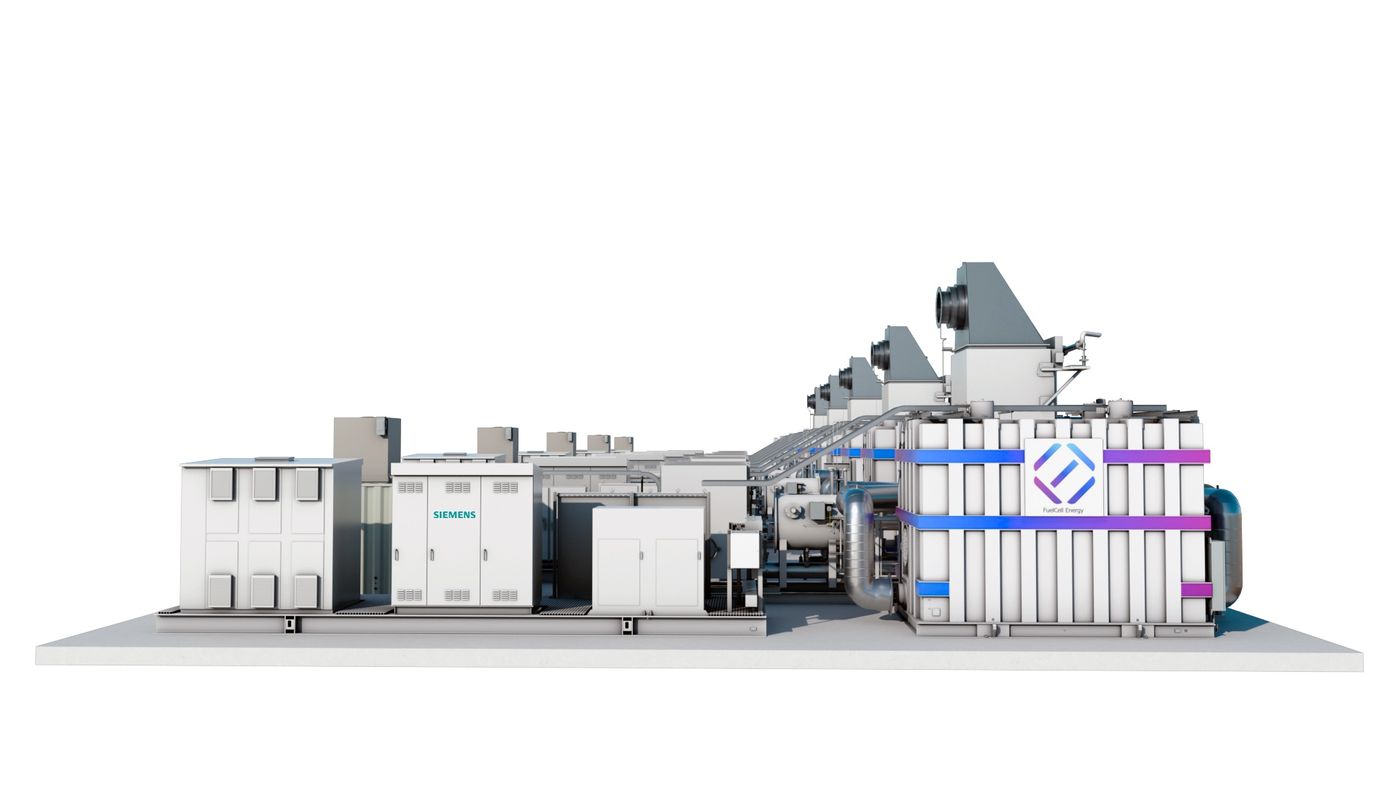
FuelCell Energy is a vertically integrated provider of clean energy solutions centered on its proprietary fuel cell technology. The company's core business involves the design, development, production, construction, operation, and servicing of high-temperature fuel cells for stationary power generation. Its primary platform is based on molten carbonate fuel cell technology, which generates electricity through an electrochemical process rather than combustion, resulting in very low emissions of pollutants like nitrogen oxides and sulfur oxides. The company commercializes its technology through several key applications and business models. These include on-site power generation for industrial facilities, grid support services for utilities, and microgrid solutions for enhanced energy resilience. A significant area of development is its carbon capture, utilization, and storage technology, which uses its fuel cells to separate carbon dioxide from industrial flue gases. Furthermore, the company is commercializing solid oxide electrolysis technology for producing distributed hydrogen, and its Tri-gen system produces electricity, hydrogen, and water from renewable biogas.
The company operates as a comprehensive solutions provider, offering turn-key services that encompass project development, engineering, procurement, construction, interconnection, and long-term operation and maintenance. It generates revenue through several streams, including the sale of complete fuel cell power plants, long-term power purchase agreements where it sells the electricity and thermal energy produced, service contracts for maintaining its installed base, and the sale of renewable energy credits. Its customer base is diverse, targeting sectors with critical power needs and sustainability goals. Key clients include utilities and independent power producers, industrial and manufacturing facilities, data centers, universities, healthcare facilities, and municipal wastewater treatment plants. While the United States is its largest market, the company also has operational projects and business development activities in South Korea, Europe, and Canada.
Corporate History and Evolution
FuelCell Energy has a long history in the fuel cell industry, tracing its origins back to 1969. For decades, the company focused on research, development, and early commercialization of its molten carbonate fuel cell technology. Its evolution from a research-oriented entity to a commercial provider of clean power solutions has been marked by scaling up manufacturing capabilities, securing demonstration projects with utilities and government agencies, and gradually building a portfolio of installed systems. A significant phase in its development involved partnering with large industrial and utility companies to validate the technology's reliability and economic value in real-world settings, such as wastewater treatment plants and manufacturing facilities.
The company's strategic focus has expanded over time to address emerging energy challenges. While its traditional business centered on efficient, clean baseload power generation, more recent initiatives target high-growth areas like carbon capture and hydrogen production. The development of its carbon capture solution positions the technology as a tool for industrial decarbonization. Similarly, the advancement of solid oxide electrolysis and the Tri-gen system aligns with the global push towards a hydrogen economy. The company's geographical footprint has also grown, with notable project deployments and partnerships in South Korea and Europe complementing its established presence in North America. This historical path reflects a company that has adapted its core electrochemical platform to multiple clean energy applications over more than five decades.
Stock Listing and Trading Details for Canadians
FuelCell Energy's common stock trades on the Nasdaq Global Select Market under the ticker symbol FCEL. The stock is denominated in US dollars, which is the standard for all transactions on the exchange. Canadian investors can purchase shares of FCEL through any Canadian brokerage platform that offers access to US equity markets. Most major Canadian discount brokerages and full-service firms provide this capability, allowing clients to hold US-listed securities in their investment accounts. The stock is eligible to be held in Canadian registered accounts, including Tax-Free Savings Accounts (TFSAs) and Registered Retirement Savings Plans (RRSPs).
When holding US stocks in a Canadian registered account, investors should be aware of currency exchange considerations and potential tax implications. Purchasing FCEL shares involves converting Canadian dollars to US dollars, and brokerages typically charge a fee for this currency conversion. Dividends, if paid by the company, would be received in US dollars and may be subject to a non-resident withholding tax by the United States, though this tax is often recoverable or reduced within an RRSP due to the tax treaty between Canada and the US. It is important for investors to consult their brokerage's specific policies and fee schedules for trading US securities and to understand the tax treatment within their particular account types. Fractional share investing in FCEL is also possible on some trading platforms, meaning investors do not need to purchase a full share to gain exposure to the company.
Financial and Dividend Profile
As a growth-oriented technology company in the clean energy sector, FuelCell Energy has historically prioritized reinvesting capital into research, development, and commercial expansion over returning cash to shareholders via dividends. The company does not pay a regular cash dividend. Its financial profile is characteristic of a firm in a capital-intensive industry that is scaling its operations. The company's revenue is derived from a mix of product sales, service contracts, and long-term power purchase agreements. The market capitalization of the company was approximately $1.05 billion as of October 2026, reflecting its size within the industrial technology segment.
The stock has demonstrated significant price volatility over time, which is common for companies in emerging technology fields. Over the 52-week period leading up to October 2026, FCEL shares traded between a low of $5.71 and a high of $37.88. This wide range illustrates the market's shifting sentiment based on factors like earnings reports, announcements of new contracts or technological advancements, broader sector performance, and macroeconomic conditions affecting clean energy investments. The price-to-earnings (P/E) ratio was negative at -3.84, indicating the company was not profitable on a net income basis at that time. Investors typically evaluate such companies on metrics like revenue growth, backlog of orders, gross margin trends, and progress toward profitability rather than traditional dividend yields.
Primary Risks for Investors
Investing in FuelCell Energy stock carries risks common to all equities as well as specific risks tied to its business model and industry. General stock market risks include high volatility, where share values can drop as quickly as they rise, and the potential for loss of the entire invested capital. Liquidity risk, while not currently a major issue for FCEL given its average trading volume in the millions of shares, can affect the ability to buy or sell at desired prices for some smaller stocks. There is also complexity risk, as the underlying fuel cell and hydrogen technologies involve detailed science and engineering, and the company's financial structure and long-term contracts may be difficult for some investors to fully evaluate.
Specific business risks for FuelCell Energy are substantial. The company operates in a highly competitive clean energy market, competing against other fuel cell manufacturers, renewable energy sources like solar and wind, and traditional fossil fuel generation. Its success is heavily dependent on continued technological innovation and the ability to reduce costs to achieve broader commercial adoption. The company's financial performance is sensitive to government policies, subsidies, and regulations that promote clean energy and carbon reduction, which can change with political administrations. Furthermore, as a company that has yet to achieve consistent profitability, it relies on access to capital markets or project financing to fund its operations and growth, making it vulnerable to shifts in investor sentiment or rising interest rates. Execution risk is also present, encompassing potential delays in project deployments, technical performance issues with its systems, or failures in securing anticipated large-scale contracts.
Key Applications and Target Markets
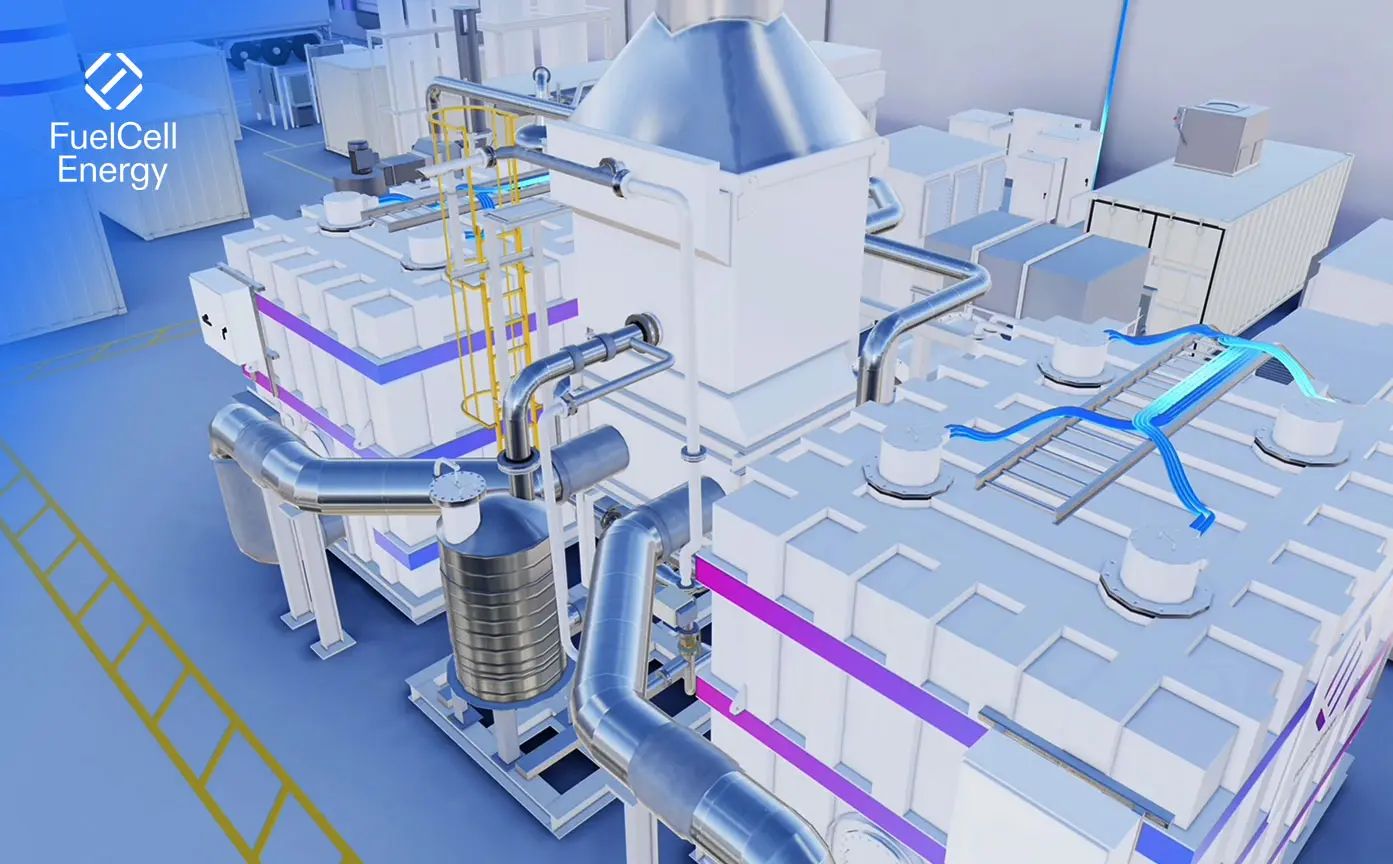
FuelCell Energy deploys its technology across several distinct market segments, each with specific value propositions. The company's fuel cell systems are modular and scalable, allowing them to be tailored to different customer needs. A primary application is providing on-site, baseload power for facilities with high reliability requirements or those seeking to reduce their carbon footprint and grid dependence. The following list outlines the company's main applications and the types of customers it serves in each.
- On-Site Power & Microgrids: Providing continuous, efficient power for industrial plants, data centers, commercial buildings, and campuses, often integrated into microgrids for enhanced resilience.
- Utility Grid Support: Installing multi-megawatt power plants at utility substations to provide clean, distributed generation that supports grid stability and defers traditional infrastructure upgrades.
- Carbon Capture: Utilizing its carbonate fuel cells to separate and concentrate carbon dioxide from the flue gas of industrial facilities, such as natural gas power plants, for utilization or sequestration.
- Hydrogen Production: Developing and commercializing solid oxide electrolysis systems to produce hydrogen from electricity and its Tri-gen system that produces hydrogen from renewable biogas.
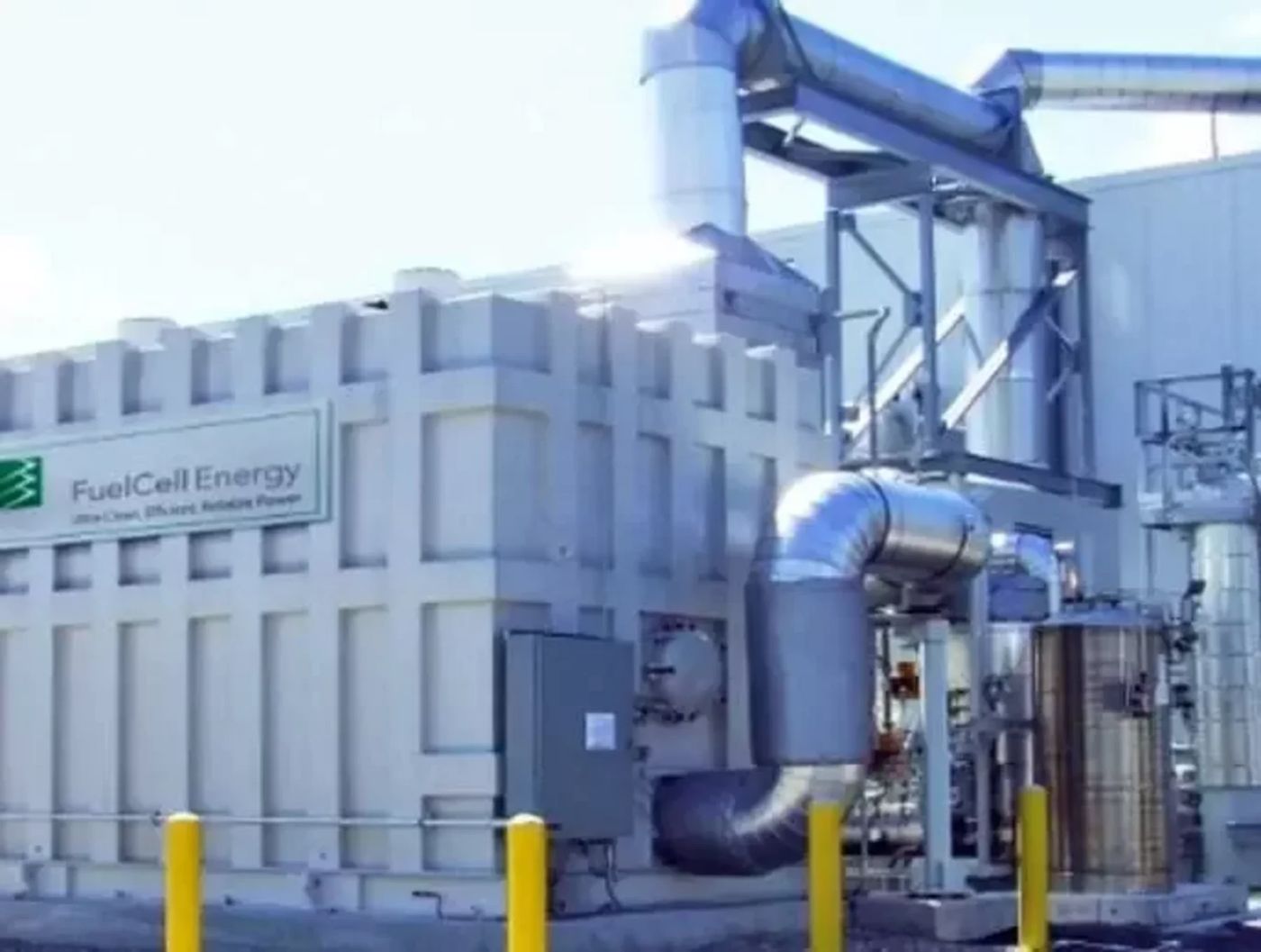
- Wastewater Treatment: A classic application where fuel cells use the biogas produced from wastewater digesters as a fuel source, turning a waste product into clean electricity and heat for the facility.
The company's geographical strategy focuses on regions with supportive clean energy policies and industrial bases seeking decarbonization solutions. While the United States is its largest and most established market, it actively pursues opportunities in South Korea, which has aggressive hydrogen economy goals, and in Europe, where carbon reduction targets are driving investment in new technologies. The company also has a presence in the Canadian market, aligning with national and provincial strategies for clean technology and hydrogen development. This diversified market approach helps mitigate the risk of dependence on any single region's economic or policy environment.
Frequently asked questions
What does FuelCell Energy (FCEL) do?
FuelCell Energy designs, manufactures, and services high temperature fuel cells for clean electric power generation. The company provides carbonate fuel cell technology and commercializes solid oxide electrolysis for hydrogen. It offers products for on site power, grid support, microgrids, and carbon capture. The company serves utilities, data centers, and industrial and commercial customers primarily in the United States, South Korea, Europe, and Canada.
How can Canadians buy FuelCell Energy stock?
They explicitly state that equities are currently available to U S only through the Kraken app or Kraken Pro. This indicates direct access via that specific platform may be restricted for Canadian residents. Canadian investors interested in purchasing FCEL stock should consult with their domestic brokerage firms or investment platforms to determine availability, trading terms, and any applicable cross border trading procedures. The company itself operates in Canada, but stock purchasing access is subject to broker and exchange regulations.
What are the main risks of investing in FCEL?
The notes highlight that investing in stocks carries general risks which apply to FCEL. These include volatility, where a stock's value can drop as quickly as it rises, as evidenced by FCEL's 52 week range from $5.71 to $37.88. Another risk is low liquidity, which could prevent buying or selling at desired prices, though FCEL often shows high trading volume. There is also the complexity of understanding specific investments. The notes caution that investors should be prepared to lose all the money they invest and must conduct their own thorough research before making any investment decisions.
Where does FuelCell Energy operate?
FuelCell Energy primarily operates in the United States, which generates its maximum revenue. The company also has operations in South Korea, Europe, and Canada. It serves a global customer base including utilities, independent power producers, data centers, and industrial, commercial, and government facilities. Its business involves designing, producing, and servicing high temperature fuel cells for clean power generation across these regions. The company is headquartered in Danbury, Connecticut, and was founded in 1969.
What is the trading symbol for FuelCell Energy?
The trading symbol for FuelCell Energy, Inc. common stock is FCEL. It is listed on the Nasdaq exchange. The stock is also referenced as FCEL Q in some real time price updates and news services. This symbol is used to identify the company's shares for trading, quoting prices, and tracking performance. Investors can find the stock under this symbol on brokerage platforms and financial news websites to monitor its current price, which recently was approximately $13.20, and trading activity.
Sources and further reading
- FuelCell Energy, Inc. (FCEL) Stock Price, News, Quote & ... ca.finance.yahoo.com
- FuelCell Energy (FCEL) Stock price today, quote & chart kraken.com
- FCEL Stock Price Quote & News, FuelCell Energy robinhood.com
This article explains how things work and is not financial, tax or legal advice. Rules, limits and rates change, so check the current figures with the Canada Revenue Agency, your province or your financial institution before you act.