Exxon Mobil Corporation is one of the world's largest publicly traded integrated oil and gas companies. Its stock is a core holding for many energy investors and trades on the New York Stock Exchange under the ticker XOM. For Canadians, the stock can be accessed directly in US dollars or through a Canadian-dollar hedged depositary receipt listed on the NEO Exchange. Understanding Exxon Mobil's business segments, financial metrics, and dividend history is key for investors considering exposure to the energy sector.
Company Operations and Business Segments
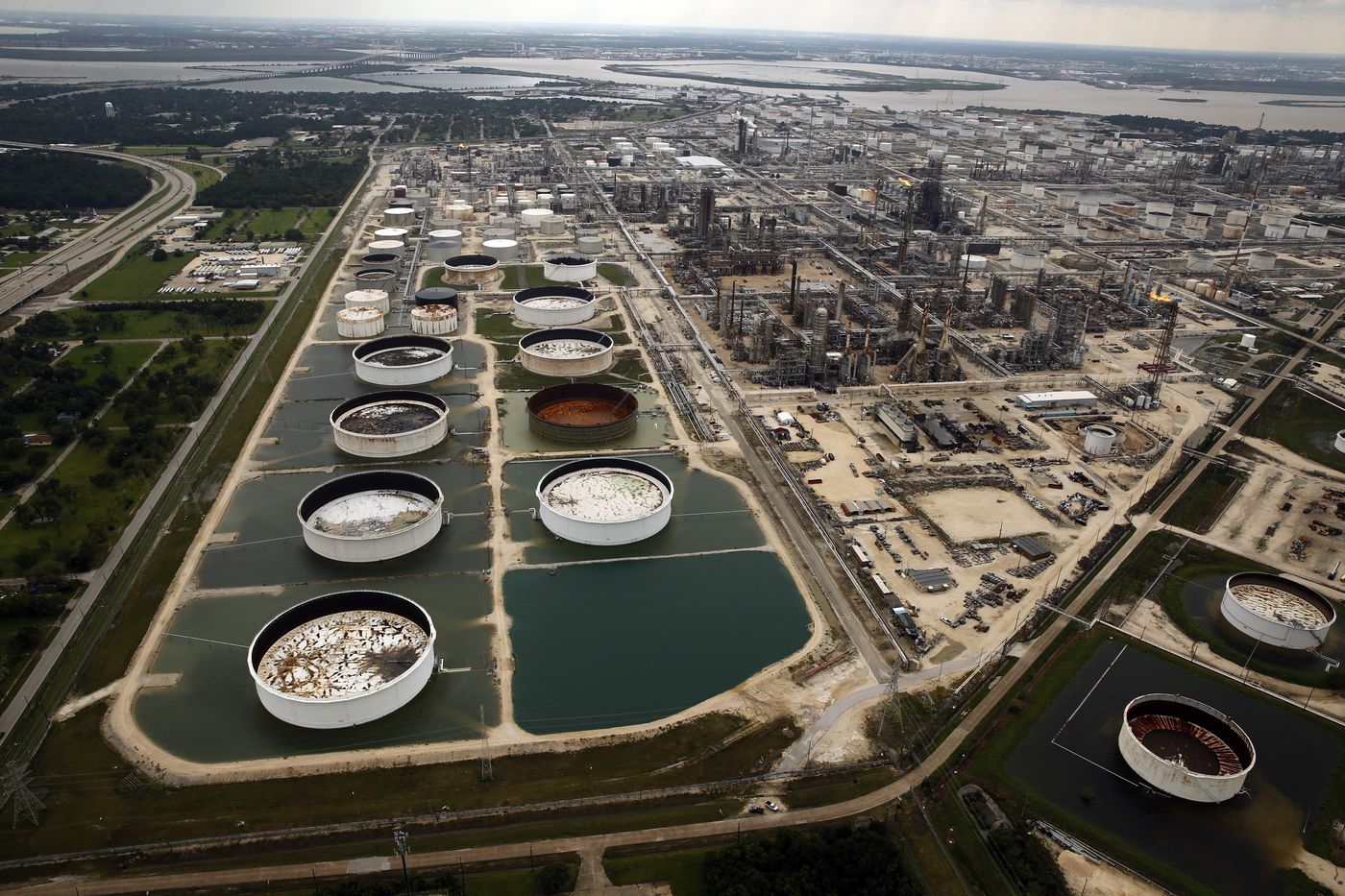
Exxon Mobil Corporation is a fully integrated energy and chemical company with global operations. The company explores for and produces crude oil and natural gas, manufactures fuels and lubricants, and produces petrochemicals used in a wide array of consumer and industrial products. Its operations are divided into four main reporting segments which provide a clear view of its diverse revenue streams. The Upstream segment is responsible for the exploration and production of crude oil and natural gas across regions including the United States, Guyana, Canada, the United Kingdom, Singapore, and France. The Energy Products segment manufactures and sells fuels, aromatics, and catalysts, and provides licensing services for refining technologies.
The Chemical Products segment focuses on the manufacturing and sale of petrochemicals such as olefins, polyolefins, and various intermediates. The Specialty Products segment offers a range of performance products including finished lubricants, basestocks, waxes, synthetic materials, elastomers, and resins. Beyond these core segments, Exxon Mobil is also involved in trading, transportation, and sales activities for crude oil, natural gas, and petroleum products. The company is actively pursuing lower-emission business opportunities, which include investments in carbon capture and storage, hydrogen production, lower-emission fuels, and lithium extraction. Its products are sold under well-known brands such as Exxon, Esso, and Mobil.
Stock Listings and Trading for Canadian Investors
Exxon Mobil's primary listing is on the New York Stock Exchange under the ticker symbol XOM, and all trading there is conducted in US dollars. The stock is not listed on the Toronto Stock Exchange. Canadian investors have two primary avenues to gain exposure to Exxon Mobil shares. The first is to purchase the US-listed XOM shares directly through a Canadian brokerage account that offers access to US markets, such as those provided by Questrade or Wealthsimple.
The second option is to purchase the Exxon Mobil CDR (CAD Hedged), which trades on the NEO Exchange under the symbol XOM.NE. A Canadian Depositary Receipt represents a beneficial interest in the underlying US-listed shares, but its price is quoted in Canadian dollars and is hedged against currency fluctuations between the US and Canadian dollars. This can simplify currency management for Canadian investors. Both the US-listed shares and the CDR can be held in Canadian registered accounts like a Tax-Free Savings Account (TFSA) or an RRSP, though the tax treatment of US dividends differs between these accounts. Investors should consult their brokerage for specific details on fees, currency conversion, and account eligibility.
Dividend History and Shareholder Returns
Exxon Mobil has a long history of returning capital to shareholders through dividends, which is a key consideration for income-focused investors. The company has recently paid out, on average, around 50 percent of its net profits as dividends, which is a standard payout ratio for a mature company in the energy sector. Based on recent payouts, analysts estimate a forward annual dividend yield of approximately 2.3 percent of the current stock value. Over the twelve months leading up to October 2026, Exxon Mobil paid about $4.08 per share in dividends to shareholders.
Exxon Mobil's most recent dividend payout was on September 10, 2026. This dividend was paid to shareholders who bought the stock before August 17, 2026. On average, the company has recently paid out around 50 percent of its net profits as dividends. The portion of profits not paid as dividends is often reinvested into the business for future growth and strategic initiatives. Exxon Mobil executed a stock split on a 2:1 basis on July 18, 2001. This split increased the number of shares but did not change the overall worth of an investor's holding at that time.
- Average dividend payout ratio: Approximately 50% of net profits.
- Forward annual dividend yield estimate: 2.3%.
- Dividend paid over last 12 months: About $4.08 per share.
- Recent dividend payment date: September 10, 2026.
- Record date for last dividend: August 17, 2026.
- Last stock split: A 2-for-1 split on July 18, 2001.

Key Financial Metrics and Valuation
Several key financial metrics are used by analysts to assess Exxon Mobil's valuation and financial health. The company's trailing twelve-month price-to-earnings (P/E) ratio was approximately 23x, indicating the stock's price relative to its per-share earnings. For comparison, the trailing P/E ratio for the NASDAQ 100 index at the end of 2019 was 27.29. A lower P/E ratio can sometimes suggest a stock is undervalued relative to its earnings or that the market has lower growth expectations.
The company's earnings before interest, taxes, depreciation, and amortization (EBITDA) was $67.9 billion, a measure of core operational profitability. Exxon Mobil's market capitalization was $732.21 billion as of October 2026. The stock's 52-week trading range, based on data from that period, extended from a low of $112.51 to a high of $180.30. The stock's beta, a measure of its volatility relative to the broader market, was 0.21. A beta below 1, such as this, suggests Exxon Mobil's stock has historically been less volatile than the average stock on the NYSE.
| Metric | Figure |
|---|---|
| Trailing P/E Ratio | Approximately 23x |
| EBITDA | $67.9 billion |
| Market Capitalization | $732.21 billion |
| 52-Week Low (2026) | $112.51 |
| 52-Week High (2026) | $180.30 |
| Beta (Volatility) | 0.21 |
Risks and Considerations for Investors
Investing in Exxon Mobil, like any energy company, carries specific risks tied to commodity prices, geopolitical events, and the global transition to lower-carbon energy sources. The price of crude oil and natural gas is a fundamental driver of the company's upstream profitability and can be highly volatile, influenced by global supply and demand, OPEC decisions, and geopolitical conflicts. The notes reference that conflicts in the Middle East have recently impacted oil markets, demonstrating how external events can affect stock performance. Refining margins, which impact the Energy Products segment, are another variable. The company indicated that higher refining margins could add about $4.5 billion to a quarterly earnings period.
The global push towards renewable energy and lower emissions presents both a challenge and an opportunity. Exxon Mobil is investing in carbon capture, hydrogen, and sustainable aviation fuel, but the pace and commercial success of this transition remain uncertain. Regulatory changes regarding environmental standards and carbon pricing in various jurisdictions could also impact operations and costs. Furthermore, as a US-domiciled company, Canadian investors are exposed to currency risk when holding the NYSE-listed shares directly, as fluctuations in the USD/CAD exchange rate can affect the Canadian dollar value of both the stock price and dividend payments. The CAD-hedged CDR (XOM.NE) is designed to mitigate this specific currency risk.
- Commodity Price Volatility: Crude oil and natural gas prices are primary profit drivers.
- Geopolitical Risk: Conflicts, such as those in the Middle East, can disrupt supply and markets.
- Refining Margin Variability: Changes in margins significantly impact the Energy Products segment.
- Energy Transition: Success of investments in lower-emission technologies is uncertain.
- Regulatory Changes: Environmental and carbon pricing rules vary by jurisdiction.
- Currency Fluctuation: USD/CAD exchange rates affect unhedged Canadian investors.
Historical Context and Corporate Evolution
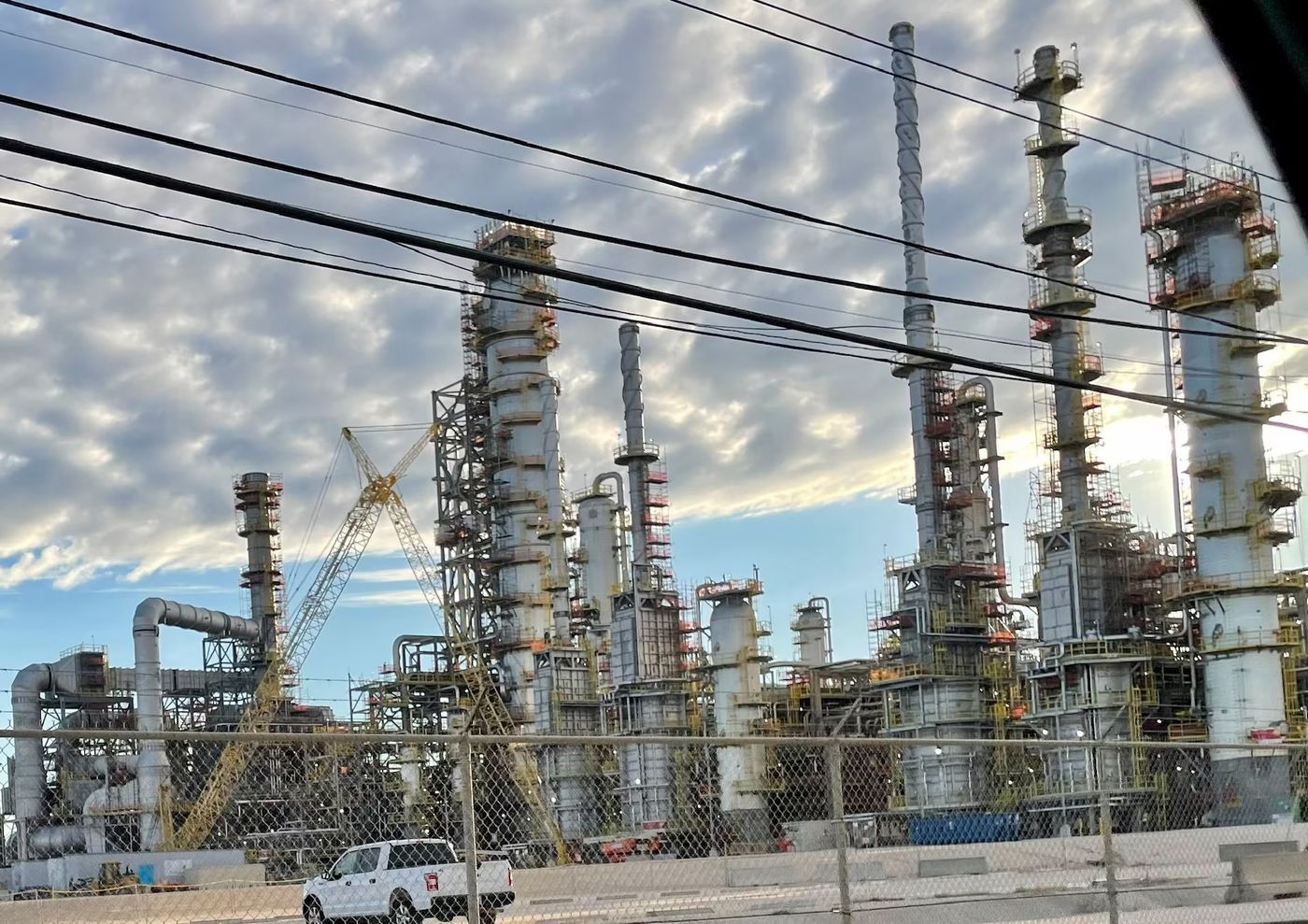
Exxon Mobil's history dates back to 1870 with the founding of its predecessor company. Over more than a century and a half, it has grown through exploration, technological innovation, and strategic mergers to become one of the largest corporations in the world. This consolidation was one of the largest mergers in business history at the time and significantly expanded the company's global reach and resource base across both upstream production and downstream refining and marketing. The company has continually adapted its operations and strategy in response to changing energy markets. Its business segment structure, which includes dedicated units for upstream, energy products, chemicals, and specialty products, reflects its integrated model designed to manage volatility across the energy value chain. In recent years, the corporate strategy has explicitly included a focus on lower-emission business opportunities, acknowledging the shifting energy landscape. This long history provides the company with extensive operational experience, a vast asset base, and a financial scale that allows it to undertake large, capital-intensive projects in areas like offshore Guyana and chemical manufacturing.
Frequently asked questions
What is Exxon Mobil's stock symbol and where does it trade?
Exxon Mobil's stock trades on the New York Stock Exchange under the symbol XOM. It is not listed on the TSX. For Canadian investors, there is also an Exxon Mobil CDR (CAD Hedged) that trades on the NEO Exchange under the symbol XOM.NE. The US listing trades in US dollars.
Does Exxon Mobil pay a dividend?
Yes, Exxon Mobil has a long history of paying dividends. Recently, the company has paid out about 50% of its net profits as dividends. Over the last 12 months, the dividend payout was approximately $4.08 per share, and the forward annual dividend yield is estimated at 2.3%. The most recent dividend noted was paid on September 10, 2026.
What are the main business segments of Exxon Mobil?
Exxon Mobil operates through four main segments. The Upstream segment explores for and produces crude oil and natural gas. The Energy Products segment manufactures and sells fuels, aromatics, and catalysts. The Chemical Products segment produces and sells petrochemicals like olefins and polyolefins. The Specialty Products segment offers performance products such as lubricants, waxes, and synthetic materials.
What are the risks of investing in Exxon Mobil?
Key risks include volatility in crude oil and natural gas prices, which directly impact profitability. Geopolitical events can disrupt supply and affect markets. The company also faces risks related to the global energy transition, including regulatory changes and the commercial success of its lower-emission investments. Currency fluctuation between the US and Canadian dollar is an additional risk for holders of the US-listed shares.
How can I buy Exxon Mobil stock in Canada?
You cannot buy Exxon Mobil stock on the TSX as it is not listed there. Instead, you can purchase it by opening a trading account with a Canadian brokerage that provides access to the New York Stock Exchange (NYSE), such as Questrade or Wealthsimple. Through these platforms, you can buy the US listed shares under the symbol XOM. Alternatively, Canadian investors have the option to buy the Exxon Mobil CDR (CAD Hedged), which is listed on the NEO Exchange in Canada under the trading symbol XOM.NE. This provides a method to invest in Exxon Mobil with currency hedging relative to the Canadian dollar.
Sources and further reading
- Exxon Mobil Corporation (XOM.NE) Stock Price, News ... ca.finance.yahoo.com
- How to Buy Exxon Mobil (XOM) Stock in Canada finder.com
- Buy or Sell ExxonMobil Holdings Corporation Stock, XOM ... robinhood.com
This article explains how things work and is not financial, tax or legal advice. Rules, limits and rates change, so check the current figures with the Canada Revenue Agency, your province or your financial institution before you act.