Eos Energy Enterprises Inc. is an American company specializing in the design and manufacture of zinc-based battery energy storage systems for the grid. The company's stock trades on the Nasdaq under the ticker EOSE, making it accessible to Canadian investors through cross-border brokerage accounts. As a developer of non-lithium storage technology, Eos Energy operates in the growing industrial sector focused on renewable energy integration and grid resilience. Understanding this company's business model and market position is important for Canadians evaluating investments in the clean energy technology space.
Company Business and Technology
Eos Energy Enterprises designs, develops, manufactures, and markets stationary energy storage solutions. Its primary focus is on utility-scale, microgrid, and commercial and industrial applications within the United States. The core of its product offering is the Znyth technology battery energy storage system, which is engineered to provide operating flexibility to manage increased grid complexity and price volatility. This system is positioned as an alternative to more common lithium-ion and lead-acid batteries, specifically for applications requiring three to twelve hours of discharge duration.
The company's flagship product is the Z3 battery module, which serves utilities, independent power producers, renewables developers, and commercial customers. Alongside the physical hardware, Eos provides a proprietary battery management system called DawnOS. This U.S.-engineered software platform offers remote asset monitoring and service to track system performance and health, using predictive analytics to identify potential future issues. The company also offers comprehensive project management, commissioning services, and long-term maintenance plans to support its installations.
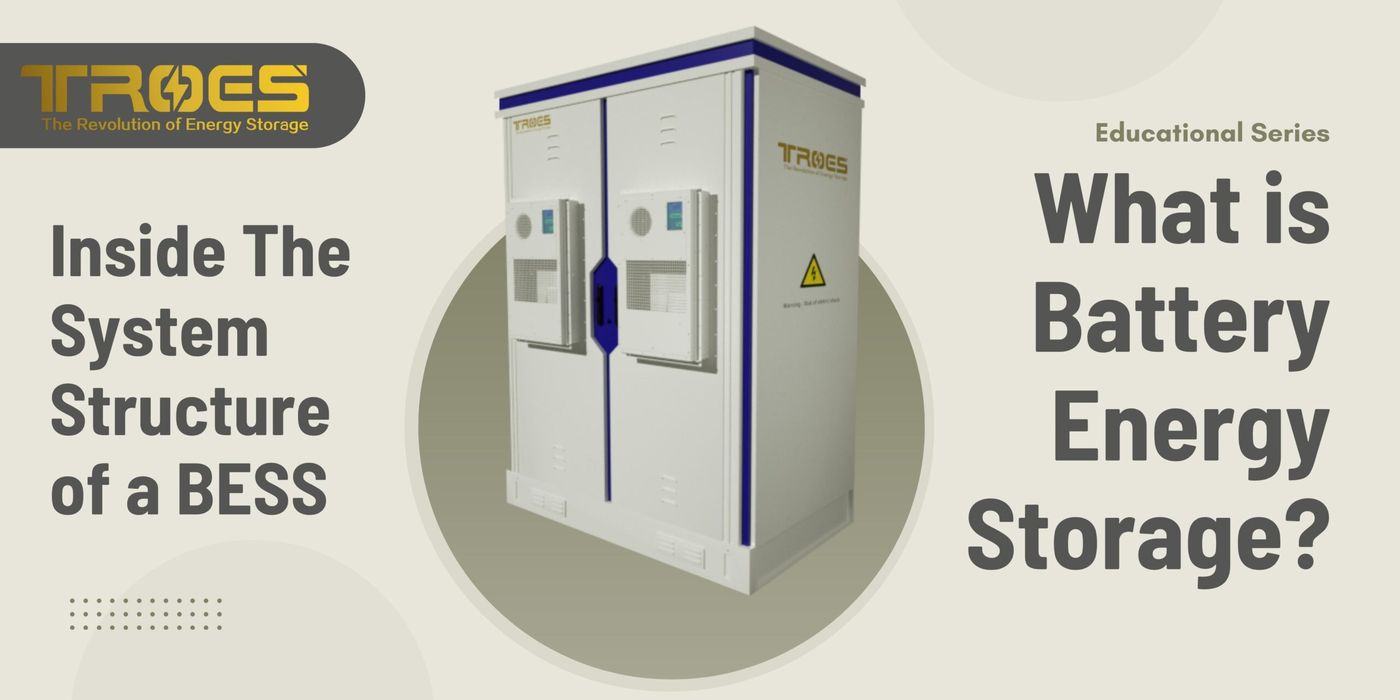
Other products in its portfolio include Eos Indensity, an energy storage architecture, and the Eos Cube. The company's technology is built around a zinc-based chemistry, which differentiates it from the dominant lithium-ion battery market. This focus on medium-duration storage aims to address a specific niche in the energy transition. The technology supports the integration of intermittent renewable energy sources like wind and solar into a stable electrical grid. Eos Energy Enterprises provides an alternative to lithium-ion and lead-acid monopolar batteries for critical 3- to 12-hour discharge duration applications.
Corporate History and Key Dates
Eos Energy Enterprises has a history that spans over fifteen years, marked by technological development and a strategic transition to the public markets. The company was founded in 2008, initiating its work on zinc-based energy storage technology. It operated as a private entity for over a decade before undertaking a significant corporate restructuring to access public capital. This process culminated in November 2020 when the company changed its name from B. Riley Principal Merger Corp. II to Eos Energy Enterprises, Inc., completing its merger with a special purpose acquisition company.
The key milestones in the company's development include several phases of product iteration, manufacturing scale-up, and the pursuit of initial commercial deployments. Since becoming a public company, it has focused on executing its business plan from its headquarters in Pittsburgh, Pennsylvania. Eos Energy Enterprises, Inc. was formerly known as B. Riley Principal Merger Corp. II and changed its name in November 2020. The company was founded in 2008. The following list outlines major events in the company's corporate timeline based on available information.
- 2008: Company is founded.
- November 2020: Completes business combination and changes name to Eos Energy Enterprises, Inc., becoming a publicly traded company.
- Ongoing: Continues to manufacture and market its Znyth battery systems and DawnOS software platform.
The transition to a public entity provided the capital necessary to accelerate manufacturing and commercial efforts. It also introduced the pressures of quarterly reporting and public market scrutiny. The company's history reflects the long development cycles typical of capital-intensive industrial technology firms. These firms seek to commercialize a new electrochemical storage platform. Eos Energy Enterprises focuses on developing and marketing its zinc battery storage systems.
Stock Listing and Trading Details for Canadians
Eos Energy Enterprises stock trades on the Nasdaq Global Market under the ticker symbol EOSE. All trading occurs in U.S. dollars, and Canadian investors can purchase shares through most Canadian brokerage accounts that offer access to U.S. equity markets. Investors must use their broker's cross-border trading functionality, which typically involves holding U.S. dollars in a sub-account to avoid currency conversion fees on every trade. Canadian registered accounts like the Tax-Free Savings Account (TFSA) and the Registered Retirement Savings Plan (RRSP) can hold U.S.-listed stocks such as EOSE, and there is no Canadian listing or a ticker on the Toronto Stock Exchange for this security.
Holding U.S. stocks in a registered account does not create U.S. estate tax complications for Canadian residents, unlike holding them in a non-registered cash account. It is important for investors to confirm their specific broker's policies on currency settlement and any associated fees for holding U.S. securities. The stock is classified within the Industrials sector, and as of recent data, the company had approximately 364.17 million shares outstanding. Trading volume can be variable, with an average volume noted around 33.76 million shares, indicating it is a more actively traded smaller-cap stock.
The price has experienced significant volatility, with a 52-week range from a low of $1.61 to a high of $19.86 per share. This wide range highlights the speculative nature of the investment and its sensitivity to news flow regarding orders, financing, and technology progress. Over the past 52 weeks, Eos Energy stock has traded between a high of $19.86 and a low of $1.61. Canadian investors should be prepared for this level of price fluctuation when considering a position in the stock.
Financial Profile and Key Metrics
Eos Energy Enterprises is a development-stage company that has not yet achieved profitability, which is reflected in its financial metrics. The company has a negative price-to-earnings (P/E) ratio, reported as -0.25, indicating net losses. Its market capitalization was approximately $619.09 million USD based on recent trading data, and the company does not pay a dividend to shareholders. This is common for growth-oriented technology firms that reinvest all available capital into research, development, and scaling manufacturing operations.
Investors should be aware that the stock's valuation is not based on current earnings or cash flow but on future growth prospects and the potential for the company's technology to achieve commercial scale and profitability. The financial focus for Eos is on securing customer orders, ramping up production volume to lower unit costs, and managing its cash reserves to fund operations until it reaches cash flow breakeven. The lack of a dividend means total return for investors is solely dependent on capital appreciation of the stock price. Several key financial and trading figures provide context for the company's current market standing.
- Market Cap: Approximately $619.09 million USD.
- Shares Outstanding: Approximately 364.17 million.
- P/E Ratio (Trailing): -0.25.
- Beta (Volatility Measure): 2.88.
- Average Trading Volume: Approximately 33.76 million shares.
- 52-Week Price Range: $1.61 (Low) to $19.86 (High).
These metrics illustrate the company's status as a small-cap, high-volatility stock with no current earnings. This categorizes it as a speculative investment. The stock carries a beta of 2.88. This high beta indicates the stock price has been nearly three times as volatile as the broader market. This is a critical factor for risk assessment. The company's market capitalization is approximately 619.09 million dollars.
Primary Investment Risks and Considerations
Investing in Eos Energy Enterprises carries significant risks common to early-stage industrial technology companies. The company operates in a highly competitive market dominated by established lithium-ion battery manufacturers with greater scale and financial resources. Its success is contingent on widespread commercial adoption of its zinc-based technology, which must compete on cost, performance, safety, and longevity with incumbent solutions. Any failure to scale manufacturing efficiently or to bring down production costs could impair its business model and its ability to continue as a going concern.
The company's financial position is a key risk factor, as it has reported consistent losses and will likely require additional capital to fund its growth plans. This could lead to future equity offerings that dilute existing shareholders. The stock price has demonstrated extreme volatility, with a beta noted at 2.88, meaning it has historically been much more volatile than the broader market. This volatility is driven by news related to orders, financing, technology milestones, and overall sentiment toward speculative clean energy stocks.
Regulatory and policy changes in the U.S. energy sector can also impact demand for storage solutions, and delays or reductions in incentives could slow adoption. Furthermore, as a U.S.-domiciled company with all operations in the United States, Canadian investors are exposed to currency risk between the Canadian and U.S. dollar. Any weakening of the Canadian dollar against the U.S. dollar would increase the cost of purchasing the stock and reduce the Canadian-dollar value of any future sale proceeds if the exchange rate is unfavourable. The main categories of risk for an EOSE investor cover several distinct areas.
- Technology & Commercialization Risk: Unproven at large scale versus entrenched lithium-ion competitors.
- Financial Risk: History of losses, future dilution likely, no dividend.
- Market & Volatility Risk: High beta (2.88), extreme 52-week price swings.
- Operational Risk: Challenges in scaling manufacturing and securing large, reliable orders.
- Regulatory & Policy Risk: Dependence on energy and climate policies that may change.
- Currency Risk (for Canadians): All transactions are in USD, exposing investors to forex fluctuations.
Understanding these risks is essential before committing capital. The potential for total loss of investment is present given the company's early-stage nature. The competitive pressures of its industry also contribute to this risk. The stock is considered a speculative investment in the clean energy sector. The company is a manufacturer of zinc battery storage systems and faces intense competition.
Key Competitors and Market Position
Eos Energy Enterprises competes in the broader energy storage system market, which includes several large and well-funded players. Its direct competitors include large, diversified manufacturers of lithium-ion battery systems like Tesla, Fluence, and LG Energy Solution. It also competes with other companies developing alternative battery chemistries for stationary storage, such as flow batteries or other novel technologies. The company's strategy is to differentiate itself by focusing on the zinc chemistry for medium-duration applications, claiming advantages in safety, raw material sourcing, and cycle life compared to lithium-ion alternatives.
The market for grid-scale storage is projected to grow significantly as renewable energy penetration increases. It remains uncertain which technology platforms will capture the largest share. Eos must prove its systems' reliability over multi-year operational timelines to build trust with utility customers. These customers prioritize long-term performance and bankability. The company's relatively small size compared to global industrial giants means it must execute its niche strategy flawlessly. It must secure a sustainable market position and avoid being outspent by larger rivals.
How Canadian Investors Can Access EOSE Stock
Canadian investors have several practical steps to follow to purchase and hold shares of Eos Energy Enterprises. The process requires a brokerage account that permits trading on U.S. exchanges, a feature now common with most major Canadian online brokers. Investors will need to fund their account with Canadian dollars and then convert those funds to U.S. dollars within their brokerage platform, often in a designated U.S. dollar sub-account, to avoid paying conversion fees on each individual trade. Once U.S. funds are available, they can place an order for EOSE stock just as they would for a Canadian stock, using the Nasdaq ticker symbol.
For tax-efficient long-term holding, placing the shares within a registered account like a TFSA or RRSP is recommended. This shelters any capital gains from Canadian taxation and simplifies the process as these accounts are generally exempt from U.S. estate tax considerations for Canadian residents. It is important to note that while the stock can be held in these accounts, any U.S. dollar cash within them may not earn interest or could have different rules regarding currency. The key steps for a Canadian investor to acquire EOSE shares are outlined below.
- Open or use an existing brokerage account with access to U.S. markets.
- Convert Canadian dollars to U.S. dollars within the brokerage platform, typically in a USD sub-account.
- Place a buy order for the stock using the ticker symbol EOSE on the Nasdaq exchange.
- Consider holding the shares in a TFSA or RRSP for tax advantages and to avoid U.S. estate tax complications.
- Monitor the investment, remembering all values and transactions are in U.S. currency.
By following this process, Canadian investors can gain exposure to this specific segment of the clean energy technology market. They must remain mindful of the additional layer of currency exchange risk that comes with any U.S.-listed investment. Fluctuations between the Canadian and U.S. dollar will affect the final return in Canadian dollar terms. The stock trades on the Nasdaq exchange in the United States. It is a U.S.-dollar denominated security, which introduces this currency risk for Canadian investors.
Frequently asked questions
What does Eos Energy Enterprises do?
Eos Energy Enterprises designs, develops, manufactures, and markets energy storage solutions for utility-scale, microgrid, and commercial and industrial applications. The company offers Znyth technology battery energy storage system and the Z3 battery module for 3- to 12-hour discharge duration applications. It also provides a battery management system for remote asset monitoring, project management and commissioning services, and long-term maintenance plans. Other products include Eos Indensity, an energy storage architecture, Eos Cube, and DawnOS, a proprietary battery management and analytics platform.
Does Eos Energy pay a dividend?
No, Eos Energy Enterprises does not pay a dividend to shareholders. The company is focused on growth and reinvesting capital into its business operations. Investor returns are therefore solely dependent on potential capital appreciation of the stock. The stock carries a P/E multiple of -0.25, reflecting its lack of current earnings.
What are the main risks of investing in EOSE?
Key risks include the company's pre-profitability status, as indicated by a negative P/E ratio and an EPS of -$5.42. There is intense competition in the energy storage market. The stock exhibits high price volatility, with a beta of 2.88 and a wide 52-week trading range from $1.61 to $19.86. The company is considered a small-cap, speculative investment with no current earnings.
What is the Znyth technology?
Znyth is Eos Energy's proprietary battery technology. It is a zinc-based battery energy storage system. The technology provides operating flexibility to manage increased grid complexity and price volatility. It is designed for applications requiring 3- to 12-hour discharge durations as an alternative to lithium-ion batteries. The system includes a battery management system for remote monitoring and predictive analytics.
What is the EOSE stock ticker and where does it trade?
The stock trades under the ticker symbol EOSE. It is listed on the Nasdaq exchange in the United States as Eos Energy Enterprises Inc Ordinary Shares Class A. The current price is approximately $1.68 USD. The company has a market capitalization of around 611.80 million USD. Its sector is classified as Industrials. The stock is a U.S. dollar denominated security accessible to international investors.
Can I hold EOSE stock in my TFSA or RRSP?
Yes, Canadian investors can hold Eos Energy Enterprises stock in both Tax-Free Savings Accounts and Registered Retirement Savings Plans. The stock is listed on the Nasdaq under the symbol EOSE. As a U.S. listed security, it is permissible for Canadian residents to hold in registered accounts. Investors may need to use a U.S. dollar section of their account if available. The stock is referenced in Canadian market news and investor resources. This allows for inclusion in a diversified portfolio within Canadian registered plans.
Sources and further reading
- Eos Energy Enterprises, Inc. (EOSE) Stock Price, News ... ca.finance.yahoo.com
- Eos Energy: EOSE Stock Price Quote & News robinhood.com
This article explains how things work and is not financial, tax or legal advice. Rules, limits and rates change, so check the current figures with the Canada Revenue Agency, your province or your financial institution before you act.