Costco Wholesale Corporation is a leading global retailer operating a chain of membership warehouse clubs. For Canadian investors, Costco is a familiar brand with a significant domestic presence, offering a way to invest in a stable, consumer staples giant. The company's stock trades on both the Nasdaq in the United States and the Toronto Stock Exchange in Canada, providing flexibility for portfolio inclusion. Understanding its business model, financial performance, and dividend policy is key for investors considering this retail mainstay.
Business Model and Global Operations
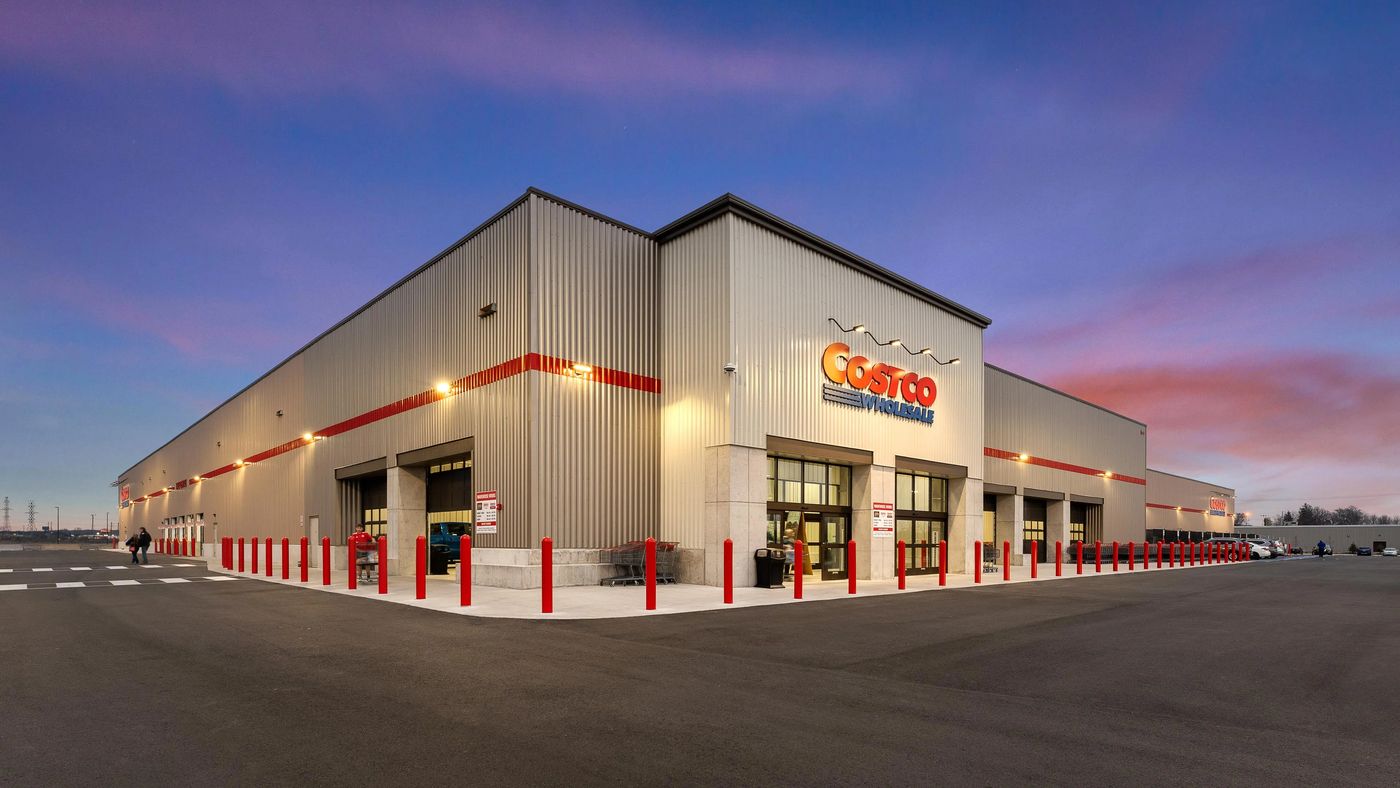
Costco Wholesale Corporation operates on a membership warehouse club model, selling a wide variety of merchandise in bulk at low prices to members who pay an annual fee. The company's operations are segmented geographically into the United States, Canada, and Other International Operations. It operates warehouses in numerous countries including the United States, Puerto Rico, Canada, Mexico, Japan, the United Kingdom, Korea, Australia, Taiwan, China, Spain, France, Sweden, Iceland, and New Zealand. The core merchandise offering is vast, spanning dry groceries, fresh food like meat and produce, electronics, appliances, health and beauty aids, hardware, tires, apparel, and furniture. Beyond the main warehouse floor, Costco runs extensive ancillary operations that include gasoline stations, pharmacies, optical centres, hearing aid centres, food courts, and tire installation bays. The company also engages in e-commerce through its websites, operates business centres, and offers travel services and other branded and private-label products.
Corporate History and Founding
Costco Wholesale Corporation was founded in 1976 and was originally known as Costco Companies, Inc. The company underwent a name change to its current title in August 1999. The founders of the modern warehouse concept as it is known today are James D. Sinegal and Jeffrey H. Brotman, who established the company in 1983. From its inception, the business model focused on high-volume, low-margin sales to members, a strategy that has driven its expansion into a global retail powerhouse. The company's growth has been marked by steady international expansion, moving beyond its North American roots to establish a significant presence across Asia, Europe, and Oceania. This historical foundation of value and membership loyalty continues to support its corporate strategy and market position.
Stock Listings and Trading for Canadians
Costco Wholesale stock is primarily listed on the Nasdaq Global Select Market in the United States under the ticker symbol COST. For Canadian investors, the stock is also inter-listed on the Toronto Stock Exchange under the ticker COST.TO, which can also be seen quoted as COST-CA. Trading the shares on the TSX provides Canadian investors with the convenience of using Canadian dollars and settling trades through domestic brokerage accounts without needing to convert currency or use a U.S. dollar account. The stock is a mega-capitalization equity, with a market value well over 200 billion U.S. dollars, placing it among the largest publicly traded companies in the world. This dual listing means Canadians can choose which venue best suits their investment accounts, whether aiming to hold U.S. dollars or Canadian dollars.
Canadian investors have several account options for holding Costco shares. The stock is eligible to be held in both Tax-Free Savings Accounts (TFSAs) and Registered Retirement Savings Plans (RRSPs). When purchased on the Toronto Stock Exchange (COST.TO), the shares are held in Canadian dollars, simplifying contributions and withdrawals for these registered plans. If purchased on the Nasdaq (COST), the shares would be held in U.S. dollars, which may involve currency conversion and could be subject to U.S. withholding tax on dividends if held in a TFSA, though not in an RRSP due to the Canada-U.S. tax treaty. The choice of listing often depends on an investor's currency preference, tax planning, and brokerage capabilities.
Dividend Policy and Financial Performance
Costco Wholesale pays a quarterly cash dividend to its shareholders. The company has recently reaffirmed a quarterly dividend of US$1.47 per share. This dividend is typically payable in mid-November, with a record date in late October. Based on recent share prices, this quarterly payout translates to an annual dividend yield of approximately 0.56 percent. The company's financial performance has shown strength, with total revenue increasing by 10.14 percent year-over-year in a recent period. Net income saw a more pronounced growth of 13.92 percent over the same timeframe. Earnings per share (EPS) increased by 14.01 percent year-over-year and showed a significant quarterly increase of 36.79 percent, reflecting strong profitability.
The company's valuation metrics are closely watched by investors. The stock has recently traded at a price-to-earnings (P/E) ratio of approximately 47.91. This ratio is a measure of how much investors are willing to pay for each dollar of the company's earnings. The 52-week trading range for the stock has been between $844.06 and $1,096.50 per share, indicating the price volatility experienced over a full year. The stock often trades above its 200-day simple moving average, a technical indicator some investors use to gauge long-term momentum. These financial and market metrics provide insight into the company's current valuation and investor sentiment.
Primary Business Segments and Revenue Drivers
Costco's operations are divided into three main reportable segments: the United States, Canada, and Other International Operations. The United States segment is the largest, comprising the bulk of the company's warehouse count and revenue. The Canadian segment represents a mature and highly significant market for the company, with numerous warehouses across the country contributing to overall sales. The Other International segment encompasses all operations outside North America, which includes growing markets in Asia and Europe. The primary revenue driver across all segments is merchandise sales within the warehouses, which includes both food and non-food categories.
Beyond core merchandise, several key ancillary services contribute significantly to sales and customer traffic. The sale of gasoline at many warehouse locations is a major traffic driver and revenue source. Pharmacy and optical services provide essential healthcare products. The food court operations are a popular part of the Costco experience and contribute to overall sales. Tire installation centres and hearing aid centres offer specialized services that complement the retail offering. E-commerce sales are an increasingly important growth channel, offering convenience and an extended product selection beyond the physical warehouse. Private-label brands, most notably Kirkland Signature, offer high-margin products that enhance customer loyalty and profitability.
- Merchandise Sales: Bulk groceries, electronics, apparel, and home goods.
- Ancillary Services: Gasoline stations, pharmacies, and optical centres.
- Food Services: In-warehouse food courts and fresh bakery/deli.
- Specialty Installations: Tire installation and hearing aid centres.
- E-commerce: Online sales through company websites.
- Private Label: Kirkland Signature and other branded products.
Investment Risks and Considerations
Investing in Costco Wholesale stock involves several risks that Canadian investors should consider. The company operates in the highly competitive retail sector, facing direct competition from other warehouse clubs, mass merchandisers, supermarkets, and e-commerce giants. Any failure to maintain its value proposition of low prices and high-quality merchandise could impact market share and profitability. Economic cycles pose a risk, as a significant economic downturn could reduce consumer spending on discretionary items, though the company's focus on staples provides some resilience. The company's international operations expose it to foreign currency exchange rate fluctuations, which can affect reported earnings when translated back to U.S. dollars.
Operational execution risks are always present, including challenges in supply chain management, inventory control, and rising costs for labour, transportation, and merchandise. The company's growth is partly dependent on successfully opening new warehouses in new and existing markets, which carries execution and real estate risk. While the membership fee income provides a stable revenue stream and high renewal rates are a strength, a decline in membership growth or renewal rates would be a negative signal. Investors must weigh these risks against the company's strong market position and historical performance.
Recent Corporate and Market Updates
Costco continues to execute its business strategy, with recent corporate updates highlighting its ongoing operations. The company reported September net sales of US$30.02 billion, a significant increase from US$26.58 billion in the same period a year earlier. This sales update was accompanied by the reaffirmation of its quarterly cash dividend. Analyst coverage of the stock remains active, with firms like CICC initiating coverage with an Outperform rating and a price target of $1,050. Other analysts, such as those from Truist Financial, have maintained a Hold rating with a more conservative price target, indicating a range of views on the stock's near-term potential. The company is consistently compared to its direct retail rivals, such as Walmart, especially as both companies evolve their membership and digital commerce strategies. The competitive landscape is evolving as digital commerce becomes a more critical growth driver, with consumers prioritizing convenience and faster fulfillment. Costco's performance in the area of digital commerce, alongside its physical warehouse strength, is a key focus for investors monitoring its ability to compete in an omnichannel retail environment.
| Financial Metric | Recent Performance |
|---|---|
| Total Revenue Growth (YoY) | Increased 10.14% |
| Net Income Growth (YoY) | Increased 13.92% |
| EPS Growth (YoY) | Increased 14.01% |
| EPS Growth (Quarterly) | Increased 36.79% |
| Quarterly Dividend | US$1.47 per share |
Market participants analyse ongoing operational and financial developments to assess the company's trajectory and investment merit. Costco's recent financial performance shows strong growth. Total revenue increased by 10.14 percent since last year. Net income increased by 13.92 percent since last year. Earnings per share increased by 14.01 percent since last year and by 36.79 percent since last quarter.
Frequently asked questions
What does Costco Wholesale Corporation do?
Costco Wholesale Corporation operates a global chain of membership warehouse clubs. It sells a wide array of merchandise in bulk, including groceries, electronics, apparel, and fresh food. The company also runs ancillary services like gasoline stations, pharmacies, optical centres, and food courts. It operates in over a dozen countries, including a significant number of locations across Canada.
What is the ticker symbol for Costco stock in Canada?
In Canada, Costco Wholesale stock trades on the Toronto Stock Exchange under the ticker symbol COST.TO. It is also frequently quoted as COST-CA. The company's primary listing is on the Nasdaq in the United States under the ticker COST. The Canadian listing allows investors to trade the shares in Canadian dollars.
Does Costco pay a dividend?
Yes, Costco pays a quarterly cash dividend to shareholders. The company recently affirmed a quarterly dividend of US$1.47 per share. This dividend yield was approximately 0.56 percent based on recent share prices. The dividend is typically paid in mid-November to shareholders on record in late October.
What are the main risks of investing in Costco?
Key investment risks include intense competition from other retailers and e-commerce companies. There is also sensitivity to broader economic conditions that affect consumer spending. Operational risks like supply chain disruptions are another consideration. The stock's high price-to-earnings ratio of 47.91 means it is priced for strong growth, so any earnings disappointment could lead to significant price volatility.
How has Costco's financial performance been recently?
Costco has reported strong recent financial performance. Total revenue increased by 10.14 percent since last year. Net income grew by 13.92 percent since last year. Earnings per share showed robust growth of 14.01 percent year-over-year and a sharp increase of 36.79 percent from the previous quarter, indicating improving profitability.
Can I hold Costco stock in my TFSA or RRSP?
Yes, Canadian investors can hold Costco Wholesale shares in both a Tax-Free Savings Account (TFSA) and a Registered Retirement Savings Plan (RRSP). The stock trades on the Toronto Stock Exchange under the symbol COST.TO, which would be in Canadian dollars. It also trades on the Nasdaq as COST. When U.S. stocks like COST are held in an RRSP, the Canada-U.S. tax treaty typically exempts dividends from U.S. withholding tax. However, this exemption does not usually apply to TFSAs, so U.S. withholding tax may be deducted from dividends received in that account. Investors should consult a tax advisor for their specific situation.
Sources and further reading
- Costco Wholesale Corporation (COST.TO) ca.finance.yahoo.com
- Costco: COST Stock Price Quote & News robinhood.com
- COST Stock Quote Price and Forecast cnn.com
This article explains how things work and is not financial, tax or legal advice. Rules, limits and rates change, so check the current figures with the Canada Revenue Agency, your province or your financial institution before you act.