The Coca-Cola Company is a global beverage giant whose stock is a staple in many investment portfolios. While headquartered in the United States, Canadian investors can easily purchase shares through major exchanges. The company is known for its extensive brand portfolio, global distribution network, and a long history of paying dividends. Understanding its business, financials, and how to access it is key for Canadians considering this stock.
Company Overview and Business Model
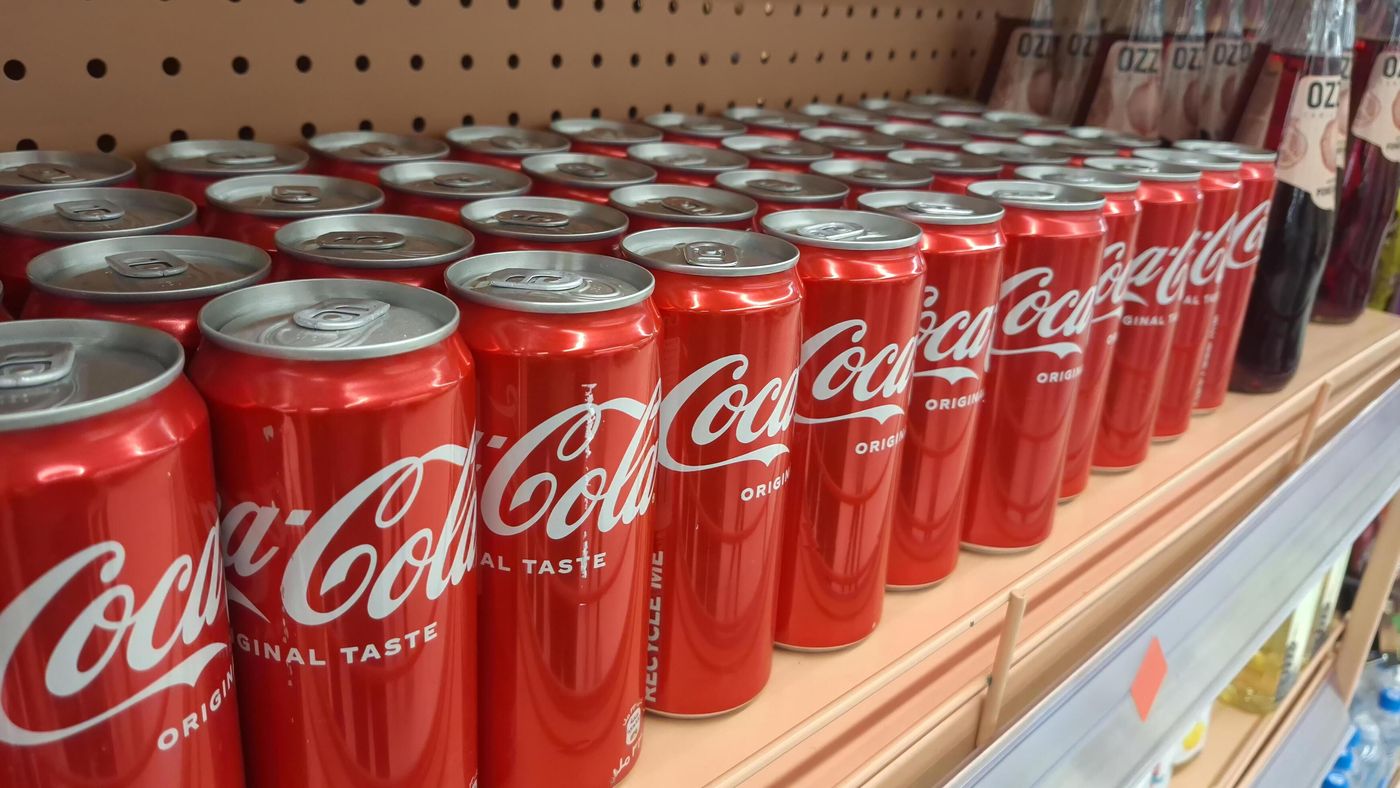
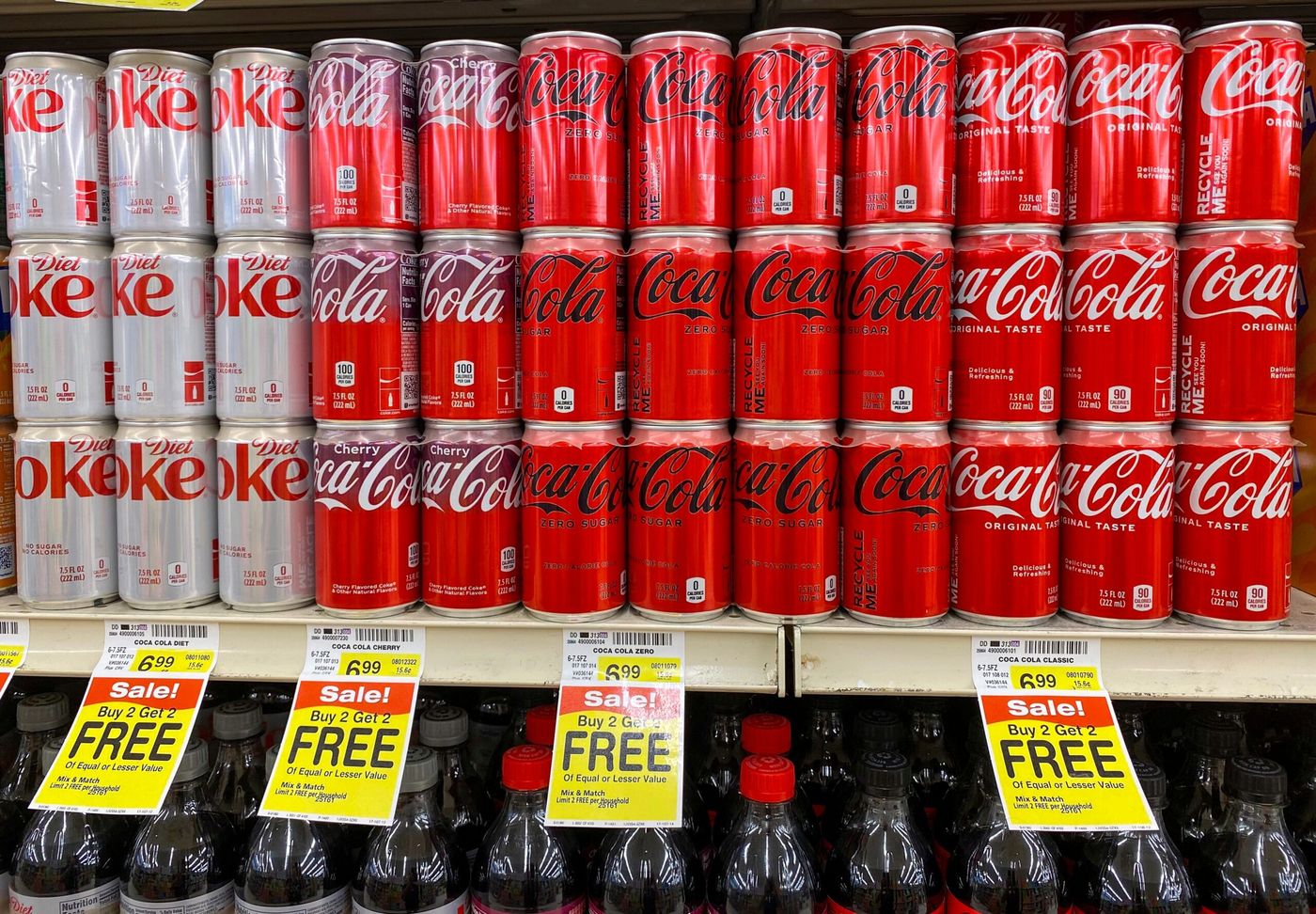
The Coca-Cola Company is a beverage company that manufactures and sells a wide variety of nonalcoholic drinks across the globe. Its core business is organized around several major beverage categories, which include its flagship Trademark Coca-Cola and other sparkling soft drinks, water, sports drinks, coffee, tea, juice, value-added dairy, plant-based beverages, and emerging beverage categories. The company operates a primarily franchise-based model, generating revenue by selling beverage concentrates, syrups, and fountain syrups to a vast network of independent bottling partners, distributors, wholesalers, and retailers. This asset-light system allows Coca-Cola to focus on marketing, brand building, and product innovation while its partners handle manufacturing and distribution in their local markets. The company's product portfolio is sold under a multitude of well-known brand names that span the globe, making it one of the world's most recognizable consumer goods companies. Its brands include Coca-Cola, Diet Coke, Coca-Cola Zero Sugar, Fanta, Sprite, Simply, Costa, Dasani, smartwater, vitaminwater, Powerade, Minute Maid, and fairlife, among many others.
History and Major Developments
Coca-Cola was founded in 1886, marking the beginning of its journey from a single soda fountain drink to a global empire. The company has grown over its long history through organic brand development and strategic acquisitions, expanding its reach far beyond its classic cola. A significant recent acquisition was the purchase of the British coffeehouse chain Costa Coffee for $5.1 billion in 2018, an attempt to expand Coca-Cola's presence in the coffee category. However, the company has reportedly explored selling this business after struggling to grow it meaningfully, with a sales process failing earlier in 2026. In a notable competitive move, KFC's US restaurants signed a new beverage partnership with Coca-Cola in 2026, ending a decades-long relationship with PepsiCo that began when PepsiCo acquired KFC in 1986. This shift highlights the ongoing rivalry in the fountain beverage segment and Coca-Cola's ability to win major restaurant accounts through marketing, exclusive drinks, and technology. The company appointed a new president for its North America operating unit, Rob Gehring, effective December 1, 2026, as part of its ongoing management strategy.
The Coca-Cola Company was founded in 1886 and is headquartered in Atlanta, Georgia. The company's stock underwent a 2:1 stock split on August 12, 2012. In 2018, Coca-Cola acquired Costa Coffee for $5.1 billion. In late 2026, the company announced Rob Gehring would become president of its North America operating unit effective December 1.
- 1886: The Coca-Cola Company is founded.
- August 12, 2012: Coca-Cola stock underwent a 2-for-1 stock split.
- 2018: Acquired Costa Coffee for $5.1 billion.
- 2026: KFC US switches its beverage partnership from PepsiCo to Coca-Cola.
- December 1, 2026: Rob Gehring becomes president of Coca-Cola's North America operating unit.
Financial Performance and Dividend Record
Coca-Cola is a financially robust company with significant revenue and earnings. For the 2025 fiscal year, the company reported revenue of $47.94 billion, which represented an increase of 1.87% from the previous year's $47.06 billion. Earnings for that year were $13.11 billion, showing a substantial increase of 23.29%. The company's earnings before interest, taxes, depreciation, and amortization, a key measure of operational profitability, was $17 billion over a recent trailing twelve-month period. Coca-Cola is widely followed by income-focused investors due to its established dividend record. The company's dividend payout ratio, which is the proportion of net profits paid out as dividends, is approximately 65%. This is considered a high payout ratio, indicating a strong commitment to returning cash to shareholders, though it also means less profit is retained for reinvestment. Over the last twelve months, the company has paid about $2.08 per share in dividends, contributing to its forward annual dividend yield of 2.26% based on recent share prices and payouts. Analysts from firms like Barclays and Citi have adjusted their price targets for the stock in 2026, reflecting ongoing evaluation of its financial prospects.
Stock Listings and How Canadians Can Invest
Coca-Cola's primary listing is on the New York Stock Exchange under the ticker symbol KO, and all trading on that exchange is conducted in US dollars. Canadian investors cannot buy Coca-Cola stock directly on the Toronto Stock Exchange (TSX), as the company is not listed there. However, Canadians have two main avenues for investment. The first and most direct method is to open a brokerage account with a Canadian online trading platform, such as Questrade or Wealthsimple, that provides access to US markets like the NYSE. Investors can then purchase KO shares in US dollars. The second method is to invest through a Canadian Depositary Receipt (CDR). CDRs are securities that trade on the TSX and represent an interest in a foreign company's shares, with the currency risk hedged to Canadian dollars. Coca-Cola's CDR trades on the TSX under the ticker COLA.TO. This can simplify the process for investors who prefer to avoid direct currency exchange. Both KO shares and COLA.TO CDRs can be held in Canadian registered accounts like a Tax-Free Savings Account (TFSA) or a Registered Retirement Savings Plan (RRSP), subject to the specific rules and capabilities of the investor's brokerage. The CDR is specifically labelled as CAD Hedged, which is an important feature for managing foreign exchange exposure.
Valuation Metrics and Stock Characteristics
Analysts and investors use several key metrics to evaluate Coca-Cola's stock. The trailing price-to-earnings (P/E) ratio, calculated by dividing the current share price by earnings per share over the past twelve months, is roughly 28x. This is comparable to the trailing P/E ratio for the NASDAQ 100 at the end of 2019, which was 27.29. The price/earnings-to-growth (PEG) ratio, which factors in expected earnings growth, is approximately 4.025. The PEG ratio provides a broader view than the P/E ratio alone for assessing value relative to growth prospects. Coca-Cola's stock has demonstrated lower volatility than the broader market, as measured by its beta of 0.32. A beta of 1 represents average market volatility, so a beta of 0.32 suggests Coca-Cola's stock price movements are less volatile, classifying it as a defensive holding. Over a recent twelve-month period, the stock price ranged from a low of $65.91 to a high of $94.10. This historical price range, combined with the low beta, reflects the stock's characteristic as a relatively stable holding often sought by investors looking for lower risk within the equity market. The stock's performance is sometimes cited alongside other dividend-paying consumer staples stocks like Procter & Gamble as investors look for opportunities beyond technology sectors.
Principal Risks and Considerations
Investing in Coca-Cola, like any equity, carries inherent risks that Canadian investors should consider. The company faces intense competition in the global beverage industry, not only from direct rivals like PepsiCo but also from a multitude of smaller brands and shifting consumer preferences towards healthier options. This competitive pressure can impact sales growth and market share, as seen in the battle for fountain accounts like KFC. Strategic acquisitions, such as the purchase of Costa Coffee, carry execution risk, and the company's reported struggles to grow that business and explore a sale highlight how such moves may not always deliver expected returns or strategic value. The company's high dividend payout ratio of approximately 65% of net profits, while attractive to income seekers, could limit the amount of capital available for reinvestment in the business for future growth if maintained at that level. Furthermore, as a US-dollar-denominated asset for investors buying KO shares directly, Canadians are exposed to currency risk, where fluctuations in the CAD/USD exchange rate can affect the Canadian-dollar value of their investment and dividends. Finally, broader economic conditions, changes in commodity costs for ingredients, and evolving regulatory environments around sugar content and packaging sustainability can all pose challenges to the company's financial performance and cost structure.
Analyst Coverage and Market Context
Coca-Cola stock receives regular coverage from major financial institutions, whose analyses provide insight into its market perception. In 2026, Barclays raised its price target on Coca-Cola to $98 from $93 while maintaining an Overweight rating on the shares. Similarly, Citi raised its target to $102 from $100 and kept a Buy rating, with both firms adjusting targets within the beverages and consumer staples group. Conversely, JPMorgan slightly lowered its price target to $95 from $96 while keeping an Overweight rating after hosting meetings with management. These target adjustments reflect ongoing analysis of the company's strategy, execution, and market conditions. Coca-Cola is often grouped with other stable, dividend-paying companies like Visa and Mastercard, which have also hit record highs as investors periodically look to broaden market rallies beyond technology stocks. The company's agreement with KFC, while adding little to overall revenue, was seen as a demonstration of how marketing and exclusive drinks can help win strategic restaurant accounts. The stock's low beta of 0.32 consistently positions it as a less volatile option compared to the broader market average, and it is categorized alongside Procter & Gamble and Automatic Data Processing as a Dividend King stock with an established dividend-growth record.
Frequently asked questions
Can I buy Coca-Cola stock in Canada?
Yes, you can buy Coca-Cola stock in Canada. You need to open a brokerage account with an online trading platform that supports stocks on the NYSE, such as Questrade or Wealthsimple. The primary listing for Coca-Cola is on the New York Stock Exchange under the symbol KO. Alternatively, Canadian investors can purchase the Coca-Cola CDR (CAD Hedged), which trades on the Toronto Stock Exchange under the symbol COLA.TO, providing currency-hedged exposure to the underlying US stock.
What is Coca-Cola's ticker symbol?
The Coca-Cola Company's primary ticker symbol on the New York Stock Exchange is KO. In Canada, a currency hedged version of the stock is available as a Canadian Depositary Receipt (CDR), which trades on the Toronto Stock Exchange under the symbol COLA.TO. This instrument is also referenced in some data sources as COLA.NE. The US listed KO shares are priced in US dollars, while the COLA.TO CDRs are traded in Canadian dollars.
Does Coca-Cola pay a dividend?
Yes, Coca-Cola pays a regular quarterly dividend. In late 2026, the Board of Directors declared a dividend of 53 cents per common share, payable on December 15 to shareholders of record. Over the preceding 12 months, the company paid approximately $2.08 per share in dividends. Based on recent payouts, analysts estimate a forward annual dividend yield of about 2.26 percent of the current stock value, providing an income stream for shareholders.
What is Coca-Cola's dividend payout ratio?
Coca-Cola's dividend payout ratio is approximately 65 percent of its net profits. This means the company distributes a significant majority of its earnings to shareholders as dividends. A ratio at this level is generally considered high, indicating a strong focus on returning income to investors. However, it is important to note that companies also need to reinvest profits for future growth, which is a balance Coca-Cola manages.
Is Coca-Cola stock volatile?
Coca-Cola stock is generally less volatile than the broader market. Its beta measurement, which gauges stock volatility in relation to the market, is 0.32. This is notably lower than the market average beta of 1, indicating the stock's price movements are typically more stable. This relative stability is also reflected in its 52 week trading range, which for the TSX listed COLA.TO was between $23.80 and $32.71.
Sources and further reading
- The Coca-Cola Company (TSX:COLA) stockanalysis.com
- The Coca-Cola Company (COLA.NE) Stock Price, News ... ca.finance.yahoo.com
- How to Buy Coca-Cola (KO) Stock in Canada finder.com
This article explains how things work and is not financial, tax or legal advice. Rules, limits and rates change, so check the current figures with the Canada Revenue Agency, your province or your financial institution before you act.