Cenovus Energy Inc. is a major integrated Canadian energy company involved in the production, refining, and marketing of oil and natural gas. The company's stock trades on the Toronto Stock Exchange under the symbol CVE.TO, making it a core holding for many Canadian energy investors. Its operations span from oil sands development in Alberta to refineries in Canada and the United States, linking its performance directly to global commodity prices. Understanding Cenovus provides insight into the Canadian energy sector and its role in investment portfolios.
What Cenovus Energy Does
Cenovus Energy is an integrated oil and natural gas company, meaning it operates across the entire supply chain from production to the consumer. The company develops, produces, refines, transports, and markets crude oil, natural gas, and refined petroleum products. Its primary operational areas are Canada and the United States, with additional offshore and exploration activities in the Asia Pacific region and off the East Coast of Canada. The business is structured into two main segments: Upstream and Downstream. This integrated model allows Cenovus to capture value at multiple stages, from pulling resources out of the ground to selling finished fuels like gasoline and diesel. The company's activities are a significant part of the Canadian energy industry and its economic output.
The Upstream segment focuses on finding and producing hydrocarbons. This includes the development and production of bitumen and heavy oil from oil sands assets, which are a major part of its resource base in Alberta. Cenovus also owns and operates natural gas and natural gas liquids assets in Alberta and British Columbia. Its offshore operations involve exploration and development activities, such as those off the coast of Newfoundland and Labrador. The company manages extensive pipeline gathering systems and terminals to move its raw production to market or to its own refineries.
The Downstream segment is responsible for processing crude oil into usable products. Cenovus owns and operates the Lloydminster upgrading and asphalt refining complex, which converts heavy oil into lighter crude. It also owns the Bruderheim crude-by-rail terminal and two ethanol plants. The refining business processes crude oil to produce a range of products including gasoline, diesel, jet fuel, and asphalt. This segment directly connects the company's production to end consumers through its fuels business, providing a hedge against the volatility of crude oil prices by adding value through refining.
Corporate History and Evolution
Cenovus Energy was founded in 2009 as a spin-off from Encana Corporation, now known as Ovintiv. The creation of Cenovus was part of a corporate strategy to separate the integrated oil business from the natural gas-focused operations. This allowed the new entity to concentrate specifically on developing its oil sands and refining assets. Since its inception, the company has grown through both organic development and strategic acquisitions, solidifying its position as a top-tier Canadian energy producer.
The merger with Husky created a larger, more diversified, and fully integrated energy company. It added substantial downstream refining capacity and retail networks, particularly in Canada and the United States, while also expanding its upstream oil sands and offshore production. This move was designed to increase scale, improve operational resilience, and generate significant cost savings, fundamentally reshaping the company's asset portfolio and market presence. Since the merger, Cenovus has focused on integrating the combined operations, paying down debt, and optimizing its asset base.
Cenovus Energy was founded in 2009 as a spin-off to focus on integrated oil operations. The company operates across the full value chain from development and production to refining and marketing. Its business model reflects the strategic importance of integration within the energy industry. The company has engaged in portfolio streamlining to strengthen its financial position. This evolution illustrates broader trends of consolidation and financial discipline in the Canadian energy sector.
Primary Business Segments and Assets
Cenovus Energy's operations are extensive and geographically diverse. The company's key assets are concentrated in Western Canada but extend internationally. Its main business activities can be broken down into several core areas that define its production profile and revenue streams. This diversified asset base helps manage risk across different commodity price environments and geographies. The integration of upstream production with downstream refining provides a natural hedge, as the refining segment can benefit from lower crude input costs when oil prices fall.
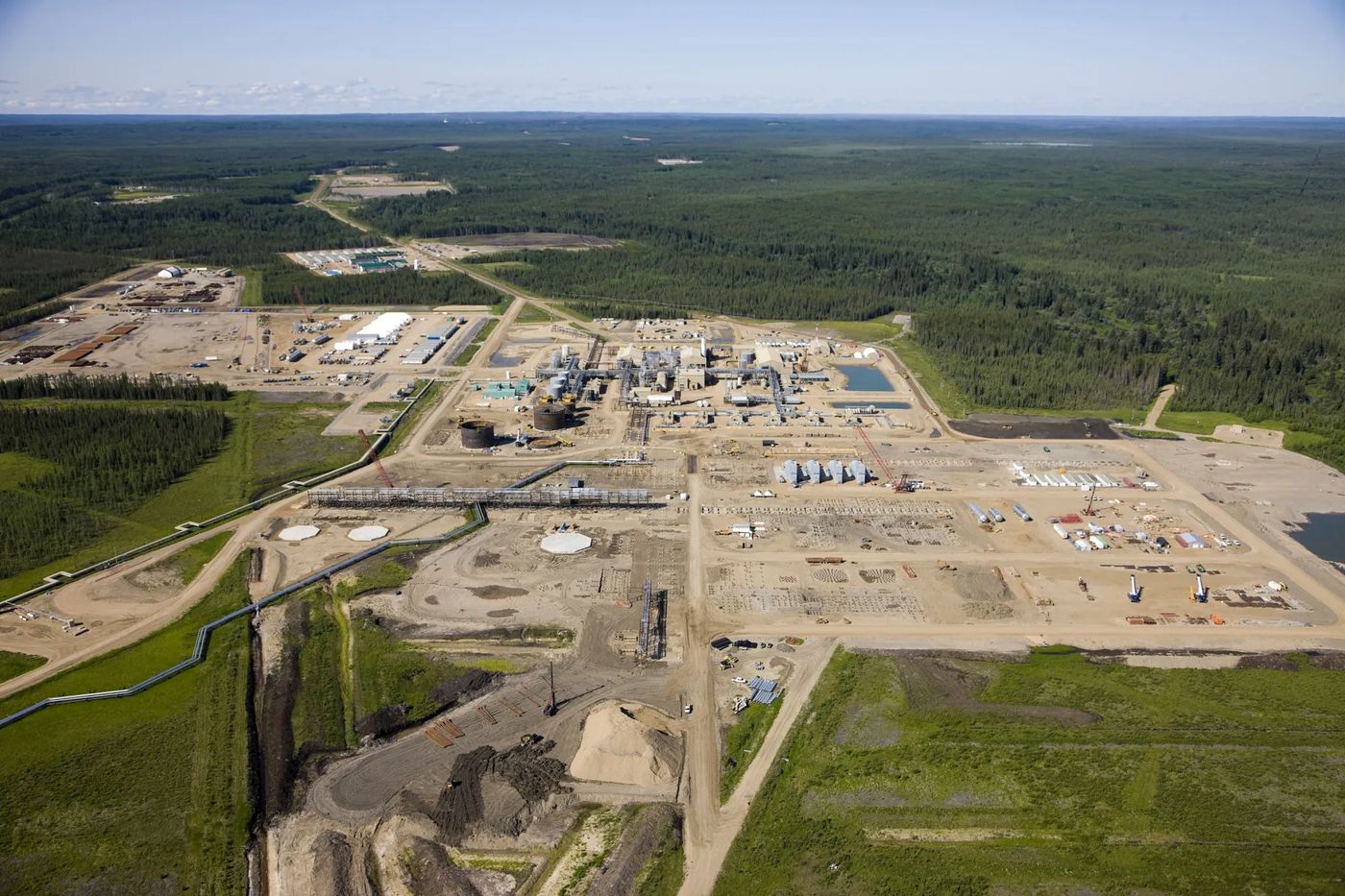
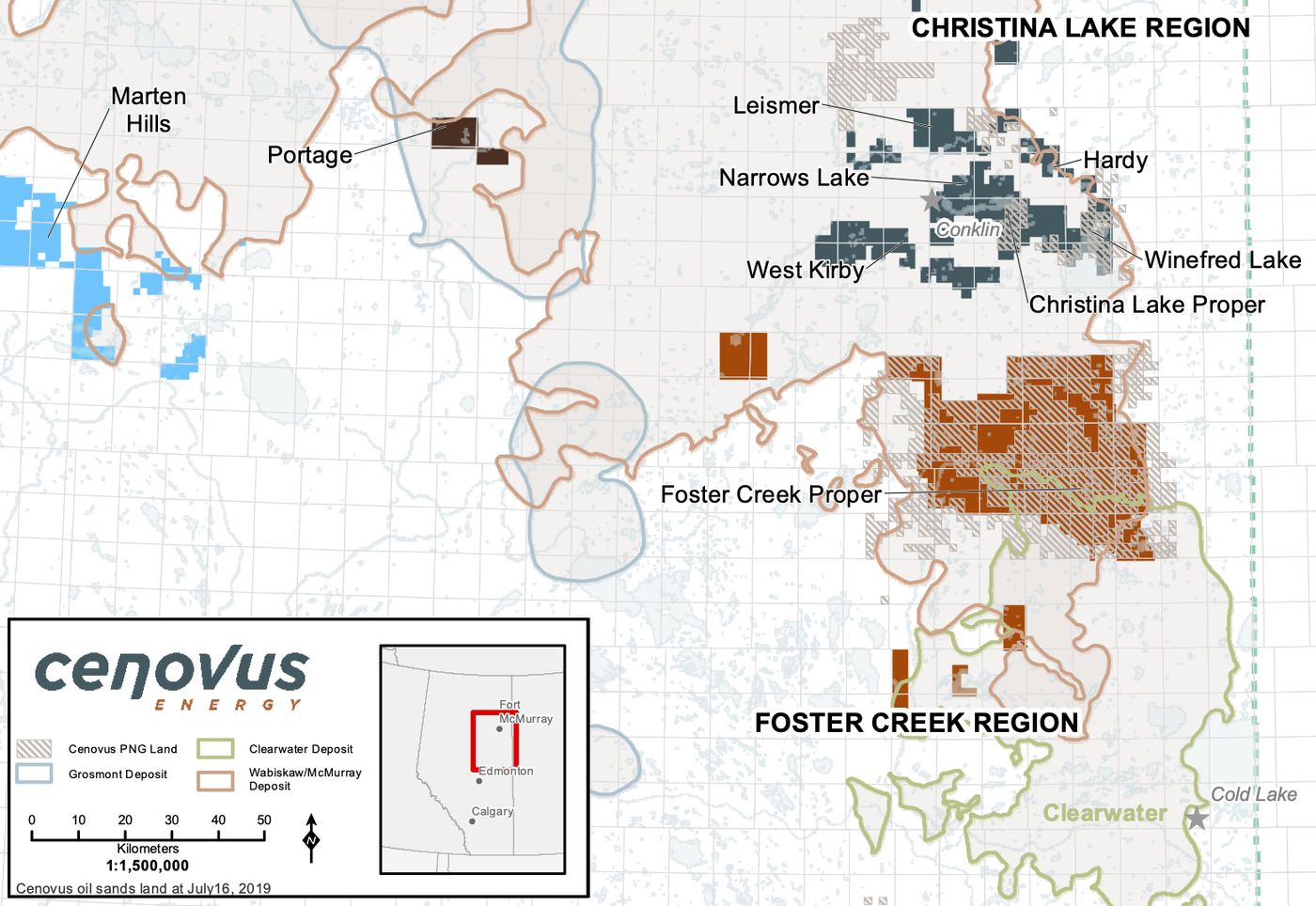
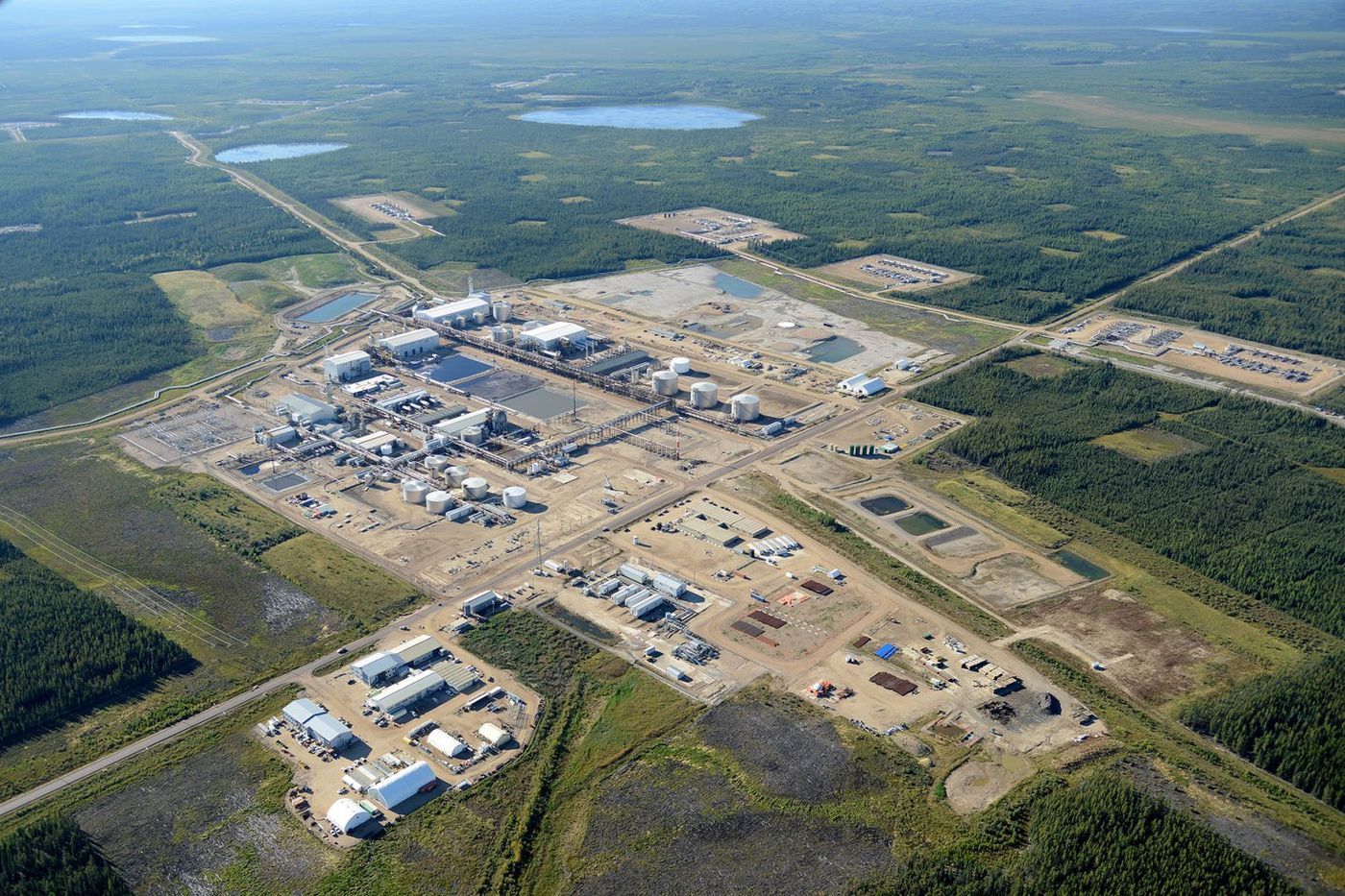
- Oil Sands: Cenovus operates major oil sands projects in northern Alberta, such as Foster Creek and Christina Lake, which use steam-assisted gravity drainage technology to produce bitumen.
- Conventional Oil and Gas: The company holds significant natural gas and natural gas liquids assets across Alberta and British Columbia, which provide feedstock for its oil sands operations and generate standalone production.
- Refining and Upgrading: Key assets include the Lloydminster heavy oil upgrader in Saskatchewan, the Bruderheim crude-by-rail terminal in Alberta, and refineries in Illinois and Ohio acquired through the Husky merger.
- Offshore Operations: Cenovus holds interests in offshore oil production assets, including the White Rose field off the coast of Newfoundland and Labrador.
- Marketing and Retail: The company markets its crude oil, natural gas, and refined products globally and operates a retail fuels network in Canada.
Cenovus Energy operates through Upstream and Downstream segments as part of its integrated structure. The Upstream segment develops and produces crude oil, natural gas, and bitumen. The Downstream segment refines crude oil into products like gasoline, diesel, and asphalt. This integrated structure is a defining feature of the company's business model. It allows Cenovus to operate across the full value chain of the energy industry. This approach forms a key part of its overall risk management strategy.
Stock Listing and Trading Information
Cenovus Energy's primary listing is on the Toronto Stock Exchange under the ticker symbol CVE. It is also commonly referenced as CVE.TO to distinguish it from other exchanges. This means it is widely held by index funds and institutional investors tracking the Canadian market. The company's shares also trade on the New York Stock Exchange under the ticker CVE, providing access for US and international investors.
For Canadian investors, purchasing shares of CVE.TO is straightforward through any brokerage account. The shares trade in Canadian dollars on the TSX, which eliminates currency exchange considerations for domestic investors. The stock is eligible to be held in registered accounts like Tax-Free Savings Accounts and Registered Retirement Savings Plans. Holding the stock in a TFSA allows any capital gains and dividends to accumulate tax-free, while holding it in an RRSP provides tax-deferred growth. The average trading volume for the stock is substantial, indicating good liquidity for investors looking to buy or sell.
Dividend Policy and Financial Metrics
Cenovus Energy pays a quarterly dividend to its shareholders. The company's dividend yield is approximately 1.83 percent, which is a key component of total return for income-oriented investors. The dividend is declared in Canadian dollars and is subject to approval by the company's board of directors. Cenovus has an ex-dividend date, which is the cutoff date to be eligible to receive the declared dividend. For example, one recorded ex-dividend date was September 15, 2026. Investors should check the company's investor relations website for the most current dividend declarations and payment schedules.
The company's financial health and valuation are often assessed using standard metrics. Cenovus has a price-to-earnings ratio of 12.98, which compares its share price to its earnings per share. This ratio is used by analysts to gauge whether a stock is overvalued or undervalued relative to its earnings power. The company's market capitalization, a measure of its total market value, is approximately 84.54 billion Canadian dollars. These figures provide context for investors evaluating the stock's potential.
Key Investment Considerations and Risks
Investing in Cenovus Energy, like any energy stock, involves specific risks tied to the sector's cyclical nature. The company's financial performance is highly correlated with the global prices of crude oil and natural gas. When commodity prices are high, upstream production generates strong cash flow, but during periods of low prices, revenues and profits can decline significantly. This volatility can lead to substantial swings in the company's stock price, as evidenced by its 52-week trading range between 21.62 and 47.46 dollars. Investors must be comfortable with this inherent price sensitivity, which is a fundamental characteristic of resource-based equities.
Operational and regulatory risks are also prominent. The company's major oil sands operations are located in Alberta and are subject to Canadian environmental regulations and climate policies. Changes in government policy, carbon pricing, or emission reduction targets could increase operating costs or impose limits on production. The complexity and high capital intensity of oil sands projects also pose execution risks. Furthermore, the global push towards lower-carbon energy sources presents a long-term strategic challenge, requiring the company to adapt its business model over time to meet evolving market and regulatory demands.
Financial and market risks complete the picture. Cenovus carries a significant amount of debt on its balance sheet, a portion of which was assumed during the Husky Energy acquisition. The company's ability to service this debt depends on generating consistent cash flow, which is tied to commodity prices. Geopolitical events, global economic conditions, and shifts in energy demand can all impact the market for its products. For Canadian investors, holding the stock in a TFSA or RRSP does not mitigate these underlying business risks, though it does provide tax advantages on any returns generated from dividends or share price appreciation.
Frequently asked questions
What are the main businesses of Cenovus Energy?
Cenovus is an integrated energy company with two main segments. The Upstream segment develops and produces crude oil, natural gas, and bitumen. It includes oil sands, conventional assets, and offshore operations. The Downstream segment refines crude oil into products like gasoline and diesel. This segment also includes upgrading, refining, and marketing operations.
What is the Cenovus Energy stock symbol in Canada?
Cenovus Energy's primary stock symbol on the Toronto Stock Exchange is CVE. It is often quoted as CVE.TO to specify the TSX listing. The company is a major integrated oil and gas firm headquartered in Calgary, Canada. Real time price updates and trading information for this security are widely available under this ticker symbol.
Does Cenovus Energy pay a dividend?
Yes, Cenovus Energy pays a dividend to its shareholders. The stock carries a dividend yield of 1.83 percent. The company has a designated ex dividend date, which is the cutoff for shareholders to be eligible for the declared payment. This income component is a factor for investors considering the total return potential of the stock.
What are the major risks of investing in Cenovus?
The major risks of investing in Cenovus Energy are inherent to the oil and gas sector. The company's financial performance is heavily influenced by the volatility of crude oil and natural gas prices. Its operations are subject to regulatory changes, especially environmental policies in Canada. Furthermore, the company carries debt and faces long term structural challenges related to the global transition towards alternative energy sources.
What is the current stock price of Cenovus Energy?
The current stock price of Cenovus Energy is approximately $46.54 CAD. This is based on real time data showing a previous close of $46.65 and an open of $46.45. The price has decreased by 0.24 percent in recent trading. The stock has traded within a daily range of $46.10 to $47.09. This price gives the company a market capitalization of $84.54 billion.
What is the 52 week high and low for Cenovus Energy stock?
The 52 week high for Cenovus Energy stock is $47.46 and the 52 week low is $21.62. These figures represent the highest and lowest trading prices for the stock over the past year. The current price of $46.54 is relatively close to the annual high. This range illustrates the stock's volatility and price movement over the previous twelve months. The significant difference between the high and low reflects broader market and commodity price fluctuations.
Sources and further reading
- Cenovus Energy Inc. (CVE.TO) Stock Price, News, Quote & ... ca.finance.yahoo.com
- CVE Stock Price Quote & News, Cenovus Energy robinhood.com
This article explains how things work and is not financial, tax or legal advice. Rules, limits and rates change, so check the current figures with the Canada Revenue Agency, your province or your financial institution before you act.