Canadian Natural Resources Limited is a major Canadian energy company focused on the exploration, development, and production of crude oil and natural gas. The company operates a diverse portfolio of assets across Western Canada, the North Sea, and Offshore Africa. CNQ is a prominent constituent of the S&P/TSX Composite Index and is a significant dividend payer, making it a common holding in Canadian investment portfolios. Its shares trade on both the Toronto Stock Exchange and the New York Stock Exchange, offering investors flexibility in how they hold the stock.
Business Operations and Segments
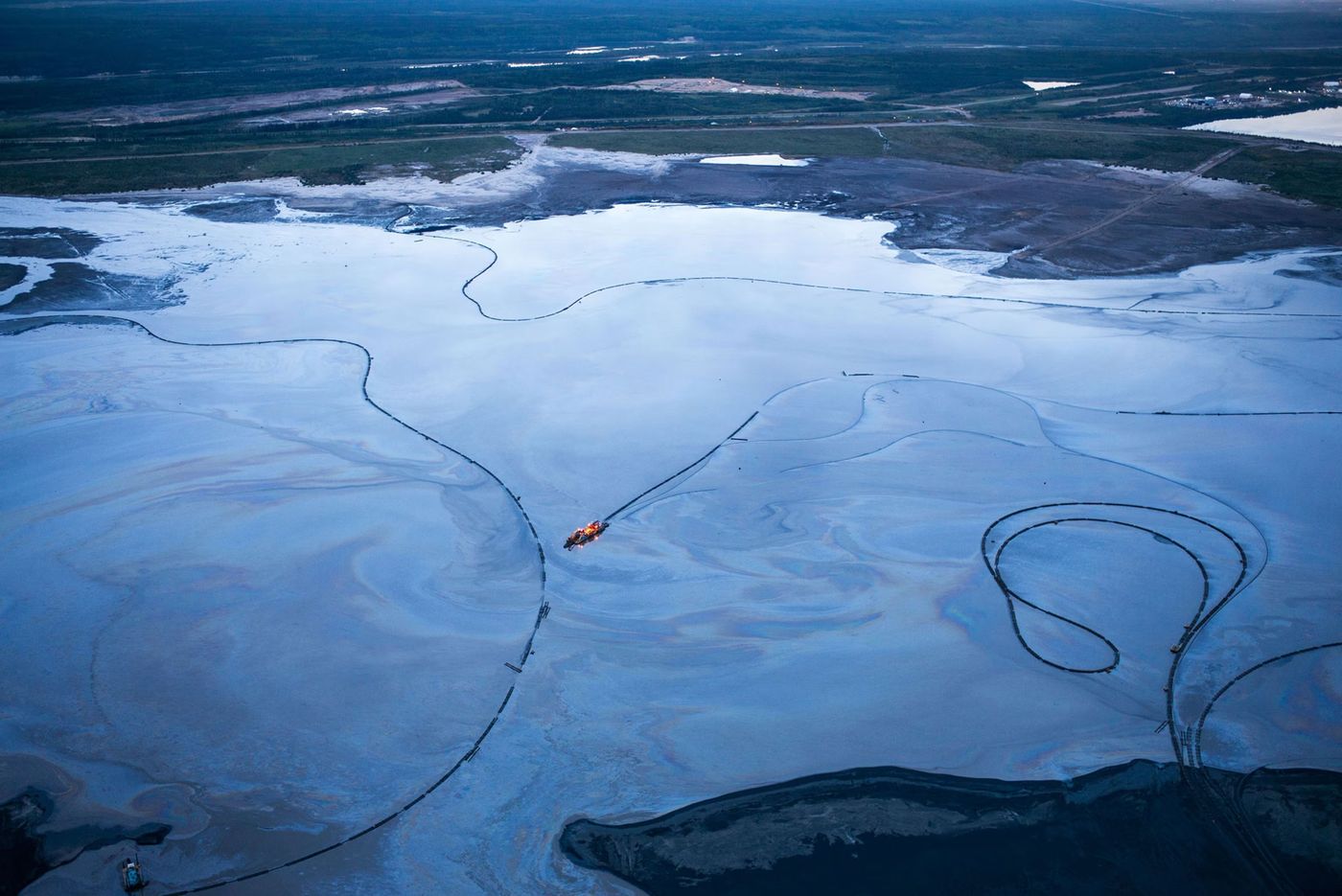
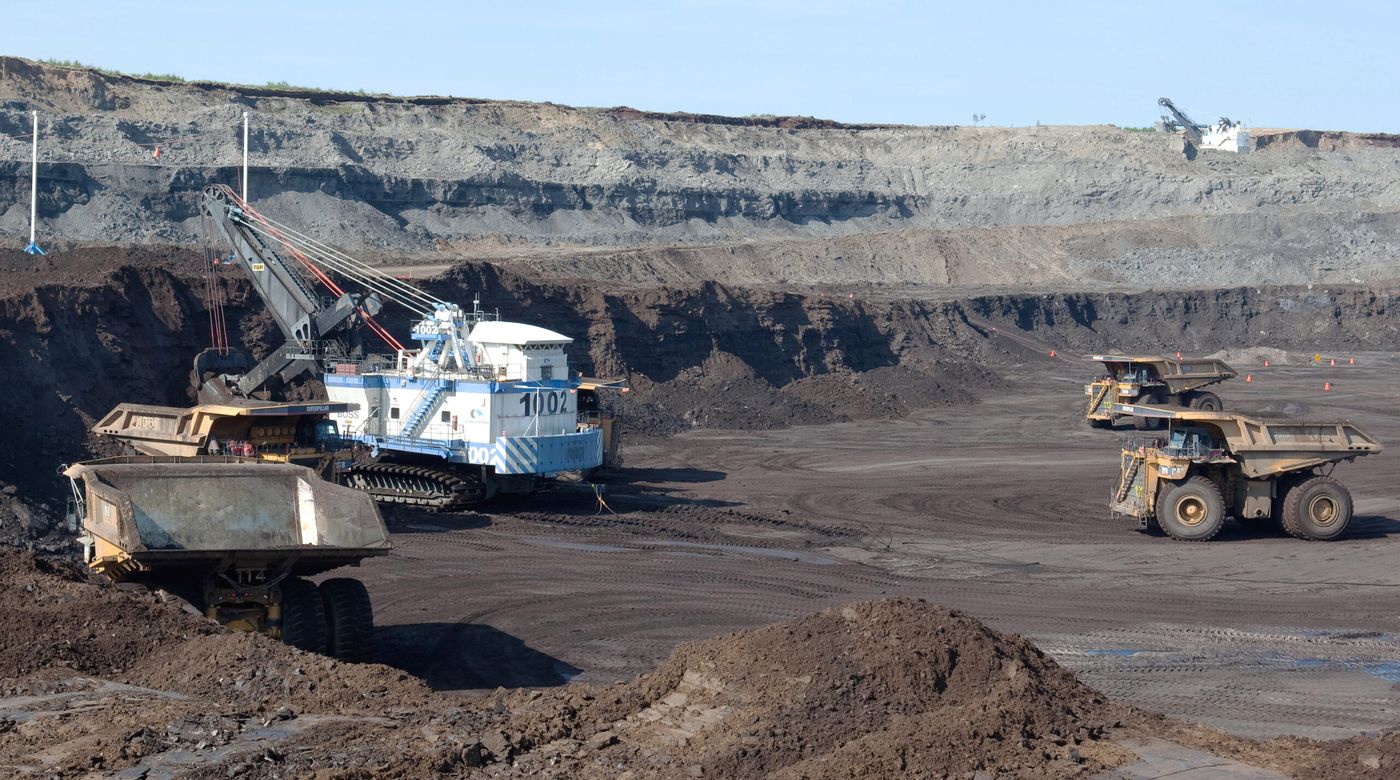
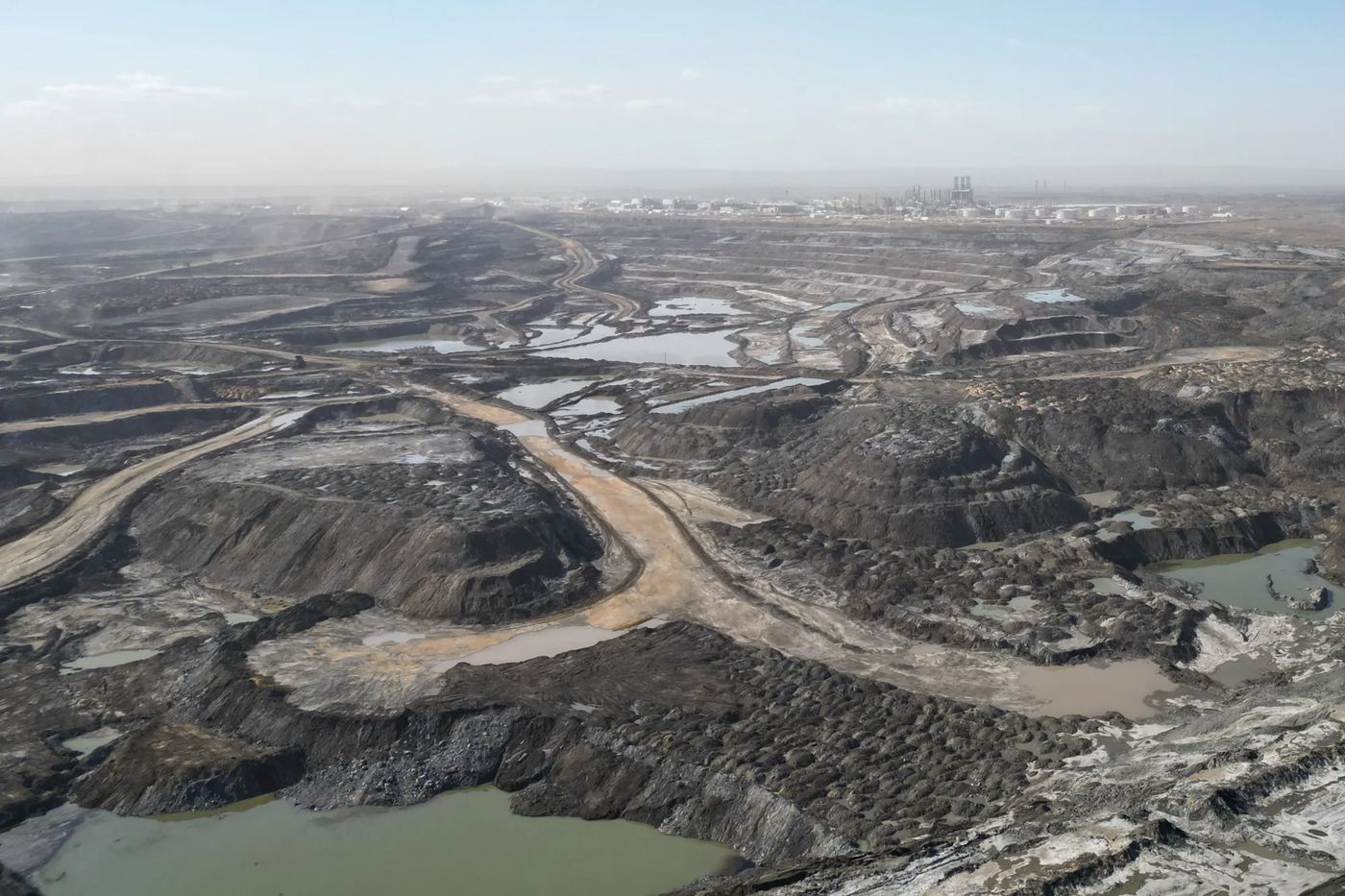
Canadian Natural Resources engages in the full cycle of energy production, from acquisition and exploration to marketing and sale. Its core products are crude oil, natural gas, and natural gas liquids. The company's operations are geographically diversified, with significant assets in Western Canada, the United Kingdom sector of the North Sea, and Offshore Africa. Its product mix includes synthetic crude oil from mining bitumen, light and medium crude oil, natural gas liquids, thermal bitumen, and primary heavy crude oil including Pelican Lake heavy crude oil. The company structures its business into three main operating segments. The Oil Sands Mining & Upgrading segment is responsible for producing synthetic crude oil through extensive bitumen mining and upgrading operations. The Exploration & Production segment manages conventional operations in North America, the North Sea, and Offshore Africa. The Midstream & Refining segment focuses on pipeline operations and related investments, including a 50% working interest in an 84-megawatt cogeneration plant at Primrose.
Corporate History and Name Changes
The company was originally incorporated in 1973 under the name AEX Minerals Corporation. It changed its name to Canadian Natural Resources Limited in December 1975. Over the decades, the company has grown both organically and through strategic acquisitions. A significant early acquisition was Ranger Oil Limited, which was completed on July 17, 2000. The plan of arrangement for this acquisition involved shareholders in eleven specific US states being qualified to receive Canadian Natural shares, while shareholders in other states received a cash option. The company also integrated Sceptre Resources Limited through a plan of arrangement that began in 1992 and concluded in 2002. This history of consolidation has been a key part of building its current asset base and operational scale. The company's stock has undergone several stock splits throughout its history, which is a common corporate action for growing companies to manage share price and liquidity. These splits have consistently been on a two-for-one basis, effectively doubling the number of shares outstanding and halving the share price at the time of the split. The specific trading dates post-split provide a clear record of this corporate history on both the TSX and NYSE.
- 1993: A two-for-one stock split took effect on June 4.
- 2004: A two-for-one stock split traded post-split on May 19 on the TSX and June 1 on the NYSE.
- 2005: A two-for-one stock split traded post-split on May 18 on the TSX and May 31 on the NYSE.
- 2010: A two-for-one stock split traded post-split on May 19 on the TSX and June 1 on the NYSE.
- 2024: A two-for-one stock split traded post-split on June 11 on both the TSX and NYSE.
The details of the Sceptre Resources arrangement show the meticulous process of historical corporate integration. On July 21, 1992, Sceptre shareholders approved a plan to exchange ten old shares for one new share. A subsequent arrangement in August 1996 allowed holders of these new Sceptre shares to exchange them for 0.38 common shares of Canadian Natural, with a final expiry date for this exchange set for August 16, 2002. Shareholders who did not exchange their shares by the applicable deadlines forfeited their rights to the Canadian Natural shares. This included an initial forfeiture date in 1998 for original Sceptre shareholders and the final forfeiture on August 16, 2002, for those who had exchanged into the new Sceptre shares but not into Canadian Natural.
Stock Listings and Trading Information
Canadian Natural Resources offers investors dual listings, providing options for currency and market access. The primary listing is on the Toronto Stock Exchange under the ticker symbol CNQ.TO, where trading and settlements occur in Canadian dollars. The company also has a listing on the New York Stock Exchange under the ticker CNQ, where trading is in US dollars. This dual structure allows Canadian investors to easily purchase shares in a registered account like a TFSA or RRSP using the TSX listing, while also providing US and international investors direct access. The stock is a large-capitalization equity, with a market cap historically placing it in the range of 10 billion to 200 billion dollars. It is a component of the S&P/TSX Composite Index, which serves as a key benchmark for the Canadian equity market. Trading data shows the stock has opened and closed at various price points following its splits, such as opening at $48.63 on the TSX after the June 2024 split, and opening at $35.35 on the NYSE the same day. Historical split data shows similar patterns, like opening at $35.50 on the TSX post-split in May 2010 and $35.04 on the NYSE in June 2010.
Dividend Record and Shareholder Services
Canadian Natural Resources has established a record of paying quarterly dividends to its shareholders. The company's dividend yield is a figure watched by income-focused investors. Shareholders receive dividends in the currency of the exchange on which their shares are held. For administrative matters such as account inquiries, address changes, lost share certificates, or dividend questions, shareholders deal with the company's transfer agent and registrar, Computershare Investor Services. The main office for Canadian services is in Toronto, and they can be reached toll-free in Canada and the United States. For estate settlements or tax form issuance, shareholders are directed to contact the transfer agent directly. The contact details are specific: the toll-free number for Canada and the US is 1-800-564-6253, available from 8:30 a.m. to 8:00 p.m. Eastern Time, and the international direct dial is 514-982-7555. The physical address for correspondence is Computershare Investor Services, 100 University Ave., 9th Floor, North Tower, Toronto, Ontario, M5J 2Y1. For matters specifically related to the historical Ranger Oil Plan of Arrangement, shareholders were previously directed to contact TSX Trust Company (formerly AST Trust Company) at 1-800-387-0825.
How Canadians Can Hold and Manage CNQ Stock
Canadian investors have several straightforward options for holding shares of Canadian Natural Resources. The most direct method is to purchase the TSX-listed shares (CNQ.TO) through a Canadian brokerage account. These shares can be held in any registered account, including a Tax-Free Savings Account (TFSA) or a Registered Retirement Savings Plan (RRSP), providing tax-advantaged growth or income. Holding the TSX-listed shares avoids currency conversion fees for CAD-based investors. Investors may also choose to hold the NYSE-listed shares (CNQ) in a Canadian brokerage account that supports US-dollar sub-accounts, which can be useful for those managing a US-dollar portfolio. The company's size and liquidity mean it is widely available through most discount brokerages and full-service investment firms in Canada. Shareholders needing to manage their holdings directly, rather than through a broker, must interact with the transfer agent, Computershare, for services like replacing lost certificates or updating account information. Historical corporate actions, like the Ranger Oil acquisition, had specific rules for US shareholders, where only those residing in eleven qualified states (California, Connecticut, Florida, Illinois, Michigan, Missouri, New Jersey, New York, Ohio, Pennsylvania, and Texas) were eligible to receive Canadian Natural shares, with others receiving a cash payout. In that acquisition, approximately 92% of Ranger shareholders participated, and 95% of those participants chose the cash option, which triggered a proration for all cash elections.
Detailed Financial Performance and Sector Context
Canadian Natural Resources is classified within the Energy Minerals sector and the Integrated Oil industry group. Its financial results are tracked against sector peers and broader market benchmarks. The company has reported periods of strong financial growth, with metrics like total revenue, net income, and earnings per share showing substantial increases on both annual and quarterly comparisons in recent reporting periods. Specific reported figures include total revenue increasing 6.58% year-over-year and 35.12% quarter-over-quarter in one period, while net income increased 73.74% year-over-year and 230.99% quarter-over-quarter. Earnings per share showed a similar trend, increasing 77.26% year-over-year and 232.07% quarter-over-quarter. As a large-cap stock, it is often considered a core holding for exposure to the Canadian energy sector. Its performance is compared to the S&P/TSX Composite index, which includes the largest companies on the Toronto Stock Exchange. The stock's price history shows it has traded within a wide range over a fifty-two week period, reflecting the cyclical nature of the energy sector. Analyst coverage of the stock includes investment ratings and target prices, with one note citing a 12-month target price of $74.38 and an Investment Rating of BUY. Other analyst actions have included raising a target price to $53.00 and assigning an Industry Subrating of High.
Comprehensive Business and Investment Risks
As an integrated oil and gas producer, Canadian Natural Resources is exposed to a specific set of industry and market risks. The company's financial performance is heavily influenced by the global commodity prices for crude oil and natural gas. Volatility in these prices can significantly impact revenue, cash flow, and profitability from one quarter to the next. The company operates in multiple geopolitical regions, including Africa and the North Sea, which introduces regulatory, political, and operational risks that differ from those in Canada. Environmental regulations and the global transition towards lower-carbon energy sources present long-term strategic and compliance challenges for all fossil fuel producers. The capital-intensive nature of oil sands mining and offshore projects requires sustained investment, making the company sensitive to changes in capital markets and interest rates. Operational risks such as unplanned maintenance, pipeline constraints, or extreme weather can also affect production levels and costs. The company's reliance on specific midstream assets, like its pipeline systems and cogeneration plant, ties its operational efficiency to the performance of this infrastructure. Furthermore, as a publicly traded security, the stock price is subject to general market sentiment, broader economic conditions, and sector-specific investor appetite, which can cause its trading price to fluctuate independently of the company's operational results. The company's competitive position within the Integrated Oil group means its performance is also relative to its peers, and it faces the ongoing challenge of efficiently managing its large and complex asset base.
Frequently asked questions
What does Canadian Natural Resources do?
Canadian Natural Resources Limited engages in the acquisition, exploration, development, production, marketing, and sale of crude oil, natural gas, and natural gas liquids. The company operates in Western Canada, the United Kingdom sector of the North Sea, and Offshore Africa. It produces synthetic crude oil, mining bitumen, and various grades of crude oil. The company's segments are Oil Sands Mining & Upgrading, Exploration & Production, and Midstream & Refining.
What is the CNQ stock ticker?
The company's primary ticker on the Toronto Stock Exchange is CNQ.TO. It also trades on the New York Stock Exchange under the ticker symbol CNQ. The TSX listing is in Canadian dollars, while the NYSE listing is in US dollars. Historical trading data shows the stock has opened at various prices post-split on these exchanges, such as $48.63 on the TSX on June 11, 2024.
Does CNQ pay a dividend?
Yes, Canadian Natural Resources pays a dividend. The stock has a dividend yield of 3.28 percent. It pays a quarterly dividend of 0.63 Canadian dollars. The company's transfer agent, Computershare, handles dividend-related inquiries for shareholders.
Can I hold CNQ in my TFSA or RRSP?
Yes, you can hold Canadian Natural Resources shares in a TFSA or RRSP. The shares are listed on the Toronto Stock Exchange under the symbol CNQ.TO. You can purchase these shares through a Canadian brokerage account. This allows the investment to be held within the registered account structure.
Who is the transfer agent for CNQ shareholders?
Computershare Investor Services acts as the transfer agent and registrar for Canadian Natural Resources. Shareholders can contact them for account inquiries, dividend questions, or to report a change of address at 1-800-564-6253 in Canada and the US, between 8:30 a.m. and 8:00 p.m. Eastern Time. Their international direct dial is 514-982-7555.
What were the details of the Ranger Oil acquisition?
Canadian Natural Resources acquired Ranger Oil Limited on July 17, 2000. Under the plan of arrangement, shareholders residing in eleven qualified US states could receive Canadian Natural shares, while others received a cash option of $8.25 Canadian per Ranger share. Approximately 92% of Ranger shareholders participated, with 95% of those choosing the cash option, leading to a proration of the share distribution. The qualified states were California, Connecticut, Florida, Illinois, Michigan, Missouri, New Jersey, New York, Ohio, Pennsylvania, and Texas.
Sources and further reading
- Canadian Natural Resources Limited (CNQ.TO) Stock Price, News, Quote ... ca.finance.yahoo.com
- Stock Information, Canadian Natural Resources cnrl.com
- Canadian Natural Resource: CNQ Stock Price Quote & News robinhood.com
- CNQ Stock Quote Price and Forecast cnn.com
This article explains how things work and is not financial, tax or legal advice. Rules, limits and rates change, so check the current figures with the Canada Revenue Agency, your province or your financial institution before you act.